

Is chalk labyrinth DIY the ultimate way to transform any sidewalk into a meditative escape? This simple, creative trend is gaining traction across the U.S., offering a low-cost way to design pop-up walking labyrinths on pavement. With just a piece of chalk and a flat surface, anyone can craft a 12-step labyrinth for mindfulness or community connection. It’s portable, temporary, and accessible, making it a hit for schools, parks, and personal spaces. Here’s how to bring this calming concept to life wherever you are.
1. Gather Your Materials

Start with the basics: a box of sidewalk chalk, a measuring tape or string for precision, and a flat, paved surface. Chalk is cheap, often under $5 at local stores, and works on concrete or asphalt. You’ll also need a rough sketch or template of a 12-step labyrinth to guide your design. A quick online search can provide free patterns, or you can adapt classic labyrinth shapes to fit your space.
2. Choose the Right Location

Pick a spot with enough room—ideally a 10×10-foot area for a compact labyrinth. Public sidewalks, driveways, or schoolyards work well, but always check for permission if it’s not your property. Ensure the surface is smooth to avoid tripping hazards during meditative walks. Urban or suburban settings with heavy foot traffic can also turn your creation into a community experience.
3. Plan Your 12-Step Design

Focus on a simple, circular labyrinth with 12 distinct steps or turns leading to a central point. Unlike a maze, a labyrinth has one continuous path with no dead ends. Sketch your design on paper first, marking entry and exit points. This step ensures your chalk labyrinth DIY flows naturally for walkers seeking calm or focus.
4. Mark the Starting Point
Begin at the center of your chosen area. Use chalk to draw a small circle or dot as the heart of the labyrinth. This spot represents the destination for walkers—a place to pause and reflect before retracing their steps outward. Keep it distinct with a unique color or symbol so it stands out.
5. Outline the First Path

From the center, draw the first curving line outward, creating the innermost path. Use your measuring tape or string to maintain even spacing, about 1-2 feet wide, so walkers can navigate comfortably. This path sets the tone for the remaining steps, so take your time to get the curve smooth.
6. Build the Next Three Steps

Add the next three paths, each looping around the previous one. Follow your sketch to ensure each turn aligns with the 12-step structure. Keep paths consistent in width and avoid sharp angles—gentle curves encourage a slow, mindful pace. Mark each step lightly if needed to track your progress.
7. Complete Steps Five to Eight
Continue expanding outward, drawing paths five through eight. At this stage, your labyrinth will start taking shape as a recognizable spiral. Double-check spacing to prevent overcrowding. If space is tight, slightly compress the design while maintaining a clear path. Use different chalk colors for visual appeal if desired.
8. Finish Steps Nine to Twelve

Wrap up the outer paths, completing steps nine through twelve. The final path should lead to an entry point that’s easy to spot. Test the layout by walking it yourself—ensure there’s no confusion in the route. Adjust any unclear turns or tight spots with a quick erase and redraw.
9. Add Visual Cues

Enhance the experience with small chalk drawings or words along the path. Arrows at the entrance, inspirational phrases like “Breathe” near the center, or simple patterns can guide and uplift walkers. Keep it subtle to maintain focus on the journey rather than the decor.
10. Test for Accessibility

Walk the labyrinth again, this time considering diverse users. Is the path wide enough for those with mobility aids? Are there any uneven spots on the pavement that need marking? Safety matters, especially if kids or seniors will use it. Make adjustments to ensure inclusivity.
11. Share With Your Community

Invite others to try your chalk labyrinth DIY creation. Post a photo on social media with a local hashtag or notify neighbors through a community board. Schools and wellness groups often welcome such projects for stress relief. The temporary nature of chalk makes it a low-risk way to engage others.
12. Maintain or Erase
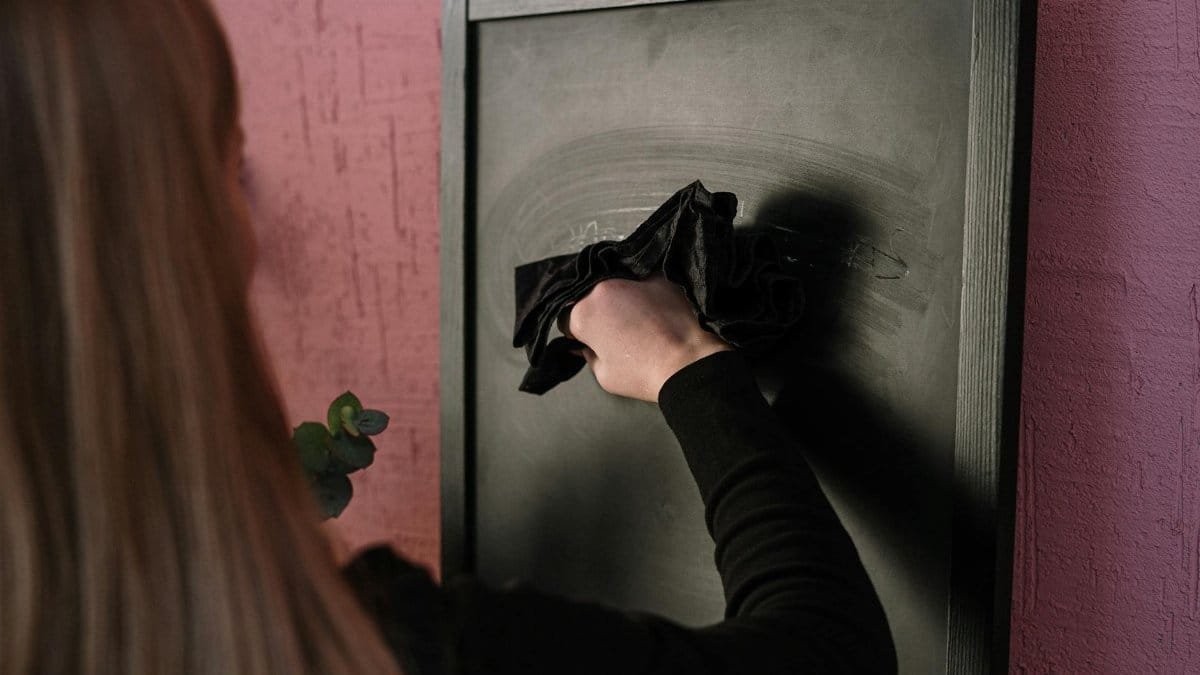
Decide if you’ll refresh the design after rain or foot traffic fades it, or let it disappear naturally. Redrawing takes minimal effort—just trace over the original lines. If you’re done, a quick rinse with a hose clears the pavement. This flexibility is part of the appeal for temporary art like this.
For inspiration, check resources from organizations promoting mindfulness through design. The Labyrinth Society offers guides on labyrinth patterns and their benefits. Additionally, the Psychology Today site has articles on the mental health perks of meditative walking, supporting why this DIY trend resonates in 2025. Whether for personal peace or public play, a chalk labyrinth is a small act with big impact.