
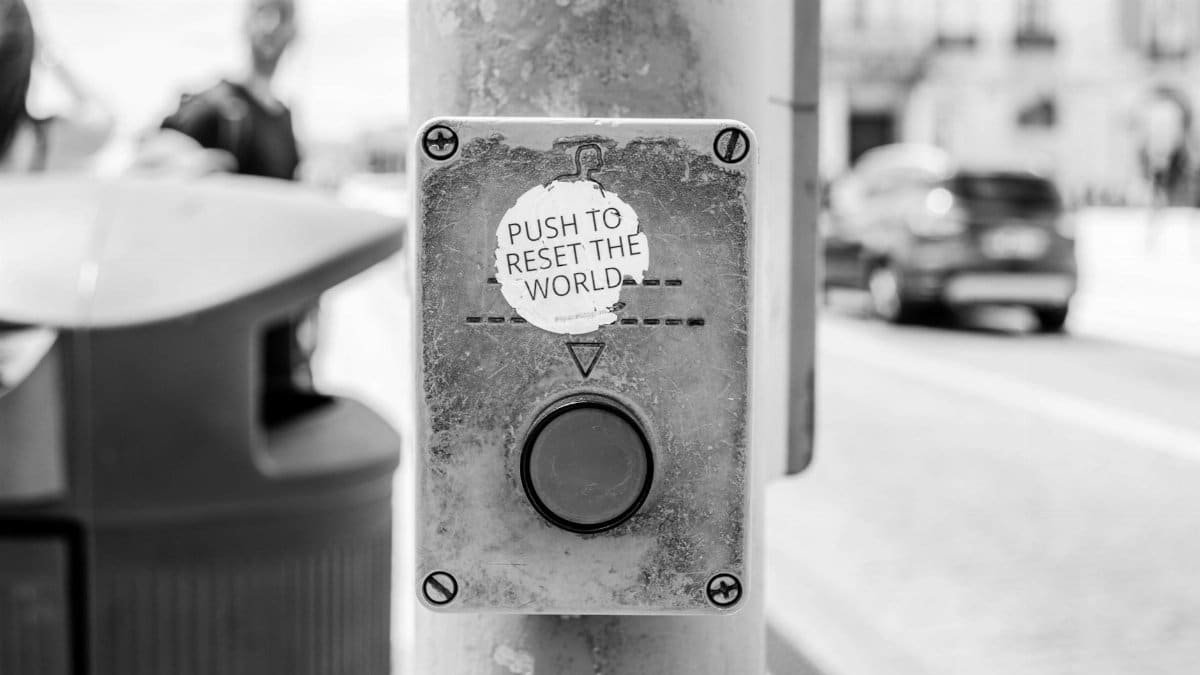
A recent study from the National Institutes of Health revealed that nearly 40% of Americans report experiencing chronic stress symptoms that disrupt daily life, a figure that’s climbed steadily over the past decade. This surge highlights a growing awareness of how our bodies signal distress, often through subtle cues we’ve learned to ignore. Enter nervous system healing, a concept gaining traction as people seek ways to restore balance amid relentless pressures. It’s not just about relaxation techniques; it’s about recognizing when the autonomic nervous system, that intricate network governing fight-or-flight responses, is crying out for attention. Understanding these signs can be the first step toward reclaiming equilibrium in an increasingly chaotic world.
1. Persistent Fatigue That Sleep Can’t Fix

Imagine dragging through the day, coffee in hand, yet feeling utterly depleted no matter how many hours you log under the covers. This isn’t mere tiredness; it’s a hallmark of a dysregulated nervous system, where prolonged stress keeps the body in a heightened state, preventing true rest. Experts note that when the sympathetic nervous system dominates, energy reserves deplete faster, leading to this unshakeable exhaustion. One woman, reflecting on her experience in a public online discussion, described it as “waking up already defeated, like my body’s battery never recharges.” Addressing this through nervous system healing practices, such as gentle breathwork, can help shift toward parasympathetic recovery. Research from the National Institute of Mental Health underscores how chronic stress alters sleep architecture, amplifying fatigue.
2. Heightened Irritability Over Small Things

Sudden snaps at a loved one over a misplaced remote or road rage from a minor delay—these outbursts might seem out of character, but they often stem from an overloaded nervous system. When stress hormones like cortisol flood the body unchecked, emotional thresholds lower, making trivial annoyances feel monumental. It’s as if the nervous system’s wiring is frayed, short-circuiting patience. A brief anecdote: during a community wellness workshop in Seattle, participants shared stories of this very shift, one man admitting, “I used to be the calm one; now everything sets me off.” Healing approaches, including somatic exercises, aim to rewire these responses, fostering resilience. The American Psychological Association reports that such irritability correlates with elevated stress levels in over half of surveyed adults.
3. Trouble Falling or Staying Asleep

Nights spent staring at the ceiling, mind racing with tomorrow’s worries, signal a nervous system stuck in alert mode. This insomnia isn’t just frustrating; it’s the body’s way of saying the relaxation response is offline. The vagus nerve, key to calming signals, gets overshadowed by persistent threats, real or perceived. Picture a teacher in Chicago, who after years of high-stakes work, found her sleep fragmented until she explored nervous system healing through yoga nidra. “It was like flipping a switch,” she recalled. Studies show that techniques stimulating the parasympathetic system can improve sleep quality significantly. For insights, turn to the Centers for Disease Control and Prevention, which links chronic sleep issues to stress in millions of Americans.
4. Digestive Upsets Without Clear Cause

Bloating, cramps, or irregular bowels that defy dietary tweaks often point to nervous system imbalance. The gut-brain axis means stress directly impacts digestion, slowing motility or triggering inflammation. It’s a vicious cycle: poor gut health exacerbates anxiety, further taxing the system. Consider the story of a New York office worker who traced his mysterious stomach woes to unchecked work pressure; only after incorporating mindful eating and grounding exercises did relief come. Nervous system healing emphasizes this connection, using tools like progressive muscle relaxation to ease tension. A report from the National Institute of Diabetes and Digestive and Kidney Diseases highlights how stress contributes to functional gastrointestinal disorders in a substantial portion of the population.
5. Constant Anxiety or Racing Thoughts

When worries loop endlessly, hijacking focus, it’s a clear plea from the nervous system for recalibration. This hypervigilance stems from an overactive amygdala, priming the body for danger even in safe settings. Healing isn’t about suppressing these thoughts but gently redirecting them through practices like meditation. One anonymous account shared publicly captured it well: “My mind was a hamster wheel until I learned to pause and breathe into the chaos.” In urban hubs like Los Angeles, therapists report a spike in clients seeking such strategies amid post-pandemic stressors. Data from Pew Research indicates anxiety affects about 30% of adults, often tied to nervous system dysregulation.
6. Chronic Muscle Tension or Pain

That nagging tightness in your shoulders or back, persisting despite massages, often reflects a nervous system in fight mode, holding onto stress physically. Muscles stay braced, ready for action that never comes, leading to pain cycles. Nervous system healing targets this with somatic awareness, encouraging release through movement or touch. A veteran runner in Texas found his unexplained aches vanished after trauma-informed therapy, realizing they were echoes of past pressures. “My body was armored,” he said. The Mayo Clinic notes that stress-related tension contributes to musculoskeletal issues in many cases, advocating for holistic interventions.
7. Brain Fog and Forgetfulness

Struggling to recall names or concentrate on tasks? This cognitive haze frequently signals nervous system overload, where stress impairs prefrontal cortex function. It’s not aging or laziness; it’s the brain prioritizing survival over clarity. Healing methods, such as neurofeedback, help restore sharpness. In a Midwestern support group, members swapped tales of this fog lifting post-healing routines, one woman noting, “I could finally think straight again.” Harvard Medical School’s resources emphasize how chronic stress shrinks key brain areas, but recovery is possible with targeted practices.
8. Emotional Numbness or Detachment

Feeling disconnected from joys or sorrows, as if emotions are muffled? This numbness protects an overwhelmed nervous system, shutting down to avoid overload. Yet it leaves a void, prompting the need for healing to reopen those channels safely. A parent in Florida described emerging from this state through journaling and therapy: “Colors seemed brighter once I felt again.” Psychologists link it to dissociation under stress, with healing fostering reconnection. The Substance Abuse and Mental Health Services Administration provides frameworks for addressing such emotional blunting.
9. Overreactions to Minor Stressors

A spilled coffee sending you into a tailspin? Such amplified responses indicate a nervous system primed for emergencies, exhausting resources on non-threats. Healing rebuilds thresholds via exposure and regulation techniques. Online forums buzz with similar stories, like one user recounting, “I’d cry over nothing until I learned to regulate.” The National Center for PTSD explains how trauma residues heighten reactivity, but interventions can normalize it.
10. Frequent Illness or Slow Recovery

Catching every cold or lingering in sickness points to a suppressed immune function from nervous system strain. Stress diverts energy from healing to vigilance. Practices like acupuncture in nervous system healing bolster immunity. A study nurse in Atlanta shared how her recurrent infections eased with stress management: “My body finally fought back.” The World Health Organization correlates chronic stress with weakened defenses in global populations.
11. Difficulty Concentrating or Making Decisions

When even simple choices paralyze, it’s the nervous system’s overload scattering focus. Healing through mindfulness clears the mental clutter. In bustling cities, professionals report this as a top complaint, with one executive saying, “Decisions felt impossible until I reset.” Cognitive behavioral insights from the American Psychiatric Association tie it to anxiety’s grip.
12. Feeling Overwhelmed by Everyday Life

If routine demands feel insurmountable, it’s a profound sign the nervous system needs a reset. This overwhelm accumulates from unchecked stressors, eroding coping mechanisms. Nervous system healing offers pathways like boundary-setting and nature immersion to rebuild capacity. Reflecting on trends in 2025, as remote work blurs lines, more Americans are turning to these tools. A collective sigh echoes in wellness circles, where stories of breakthrough abound, proving small shifts yield big changes.