

In the parched suburbs of California and the humid heartlands of the Midwest, homeowners are facing a quiet revolution in their backyards. Traditional grass lawns, those emerald carpets we have nurtured for generations, consume nearly three trillion gallons of water each year across the United States, according to the Environmental Protection Agency. Fertilizers and mowers add to the toll, polluting waterways and guzzling fossil fuels. Enter native plants, the resilient species evolved right here on this continent, which demand far less care while drawing bees, birds, and butterflies like a magnet. Swapping out thirsty turf for these low maintenance wonders not only slashes your water bill but revives local ecosystems strained by decades of manicured monotony.
Why Ditch the Lawn for Natives
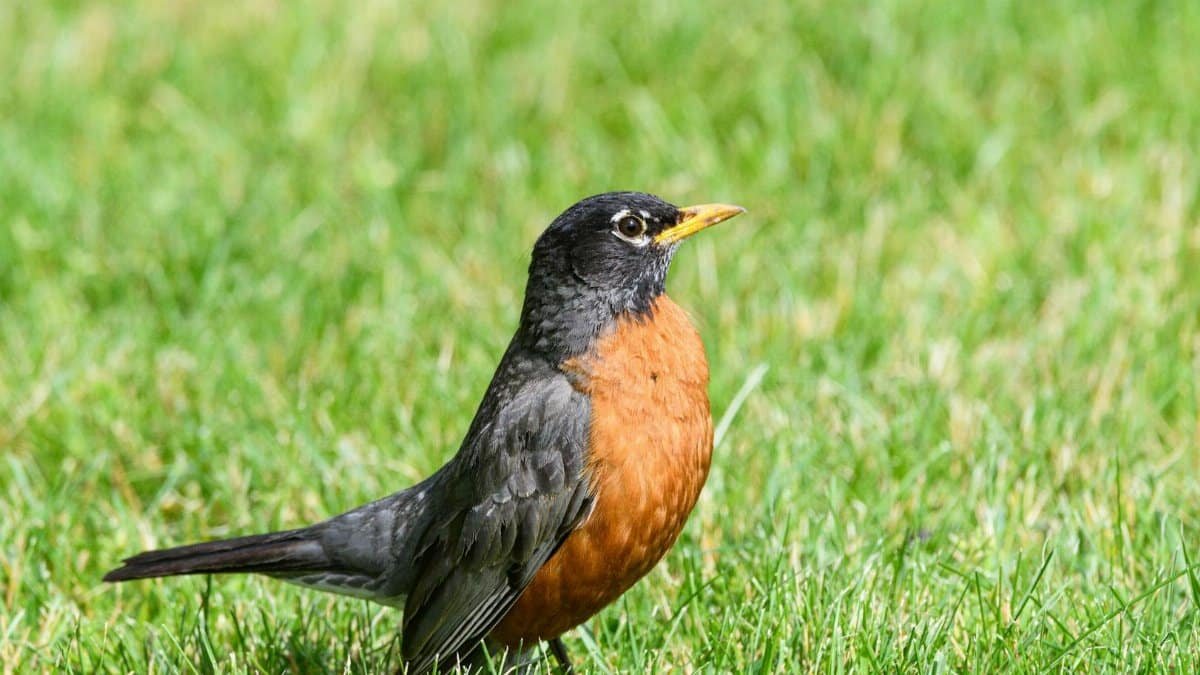
The case against conventional grass grows stronger with each drought report. Lawns cover 40 million acres nationwide, more land than all our national parks combined, yet they offer scant habitat for wildlife. Native plants, by contrast, thrive in local soils and climates without irrigation or chemicals. A study from the University of Maryland found that yards planted with natives supported three times more pollinators than turf grass plots (link). They cut mowing time by up to 90 percent, freeing weekends for leisure rather than labor. For the middle aged homeowner eyeing retirement, this shift promises beauty without the burden.
Black Eyed Susan: The Cheerful Meadow Classic
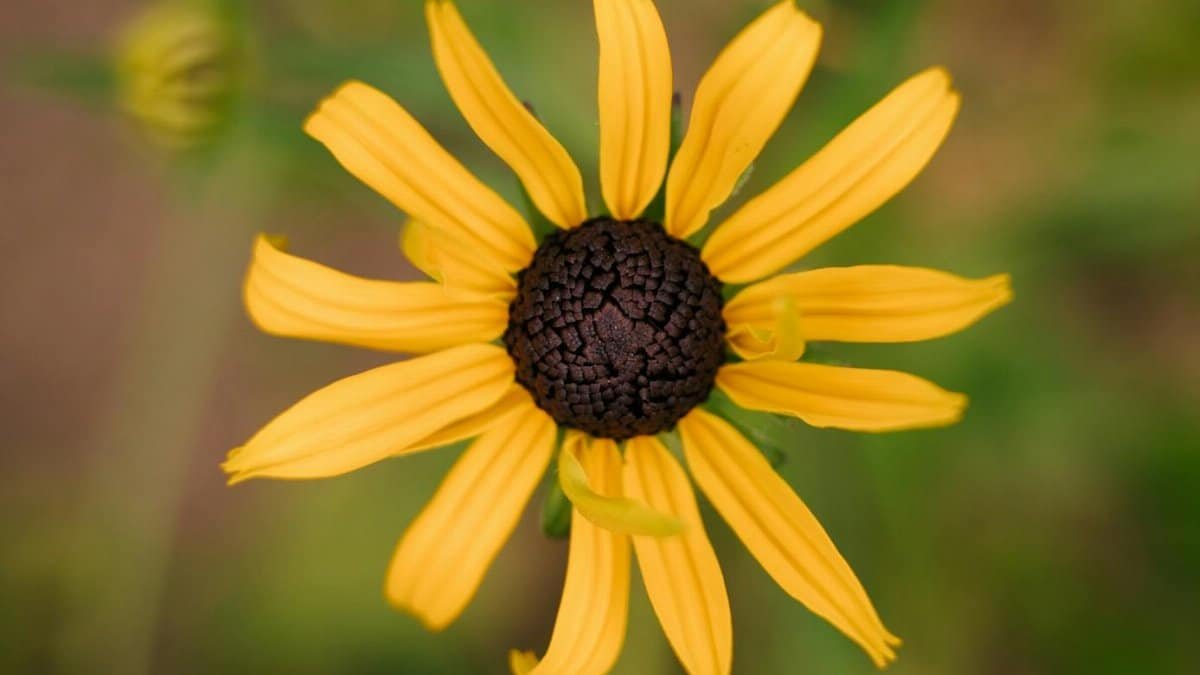
Rudbeckia hirta, better known as black eyed Susan, bursts forth with golden petals around a dark central cone from midsummer into fall. Standing knee high, this perennial spreads modestly, forming drifts that mimic a wild prairie. Drought tolerant once established, it shrugs off poor soil and requires no deadheading. Butterflies flock to its nectar rich blooms, while seed heads feed finches through winter. Plant in full sun for best results; space seedlings 18 inches apart. In zones 3 through 9, it returns reliably year after year, turning former lawn patches into vibrant focal points.
Purple Coneflower: Pollinator Powerhouse
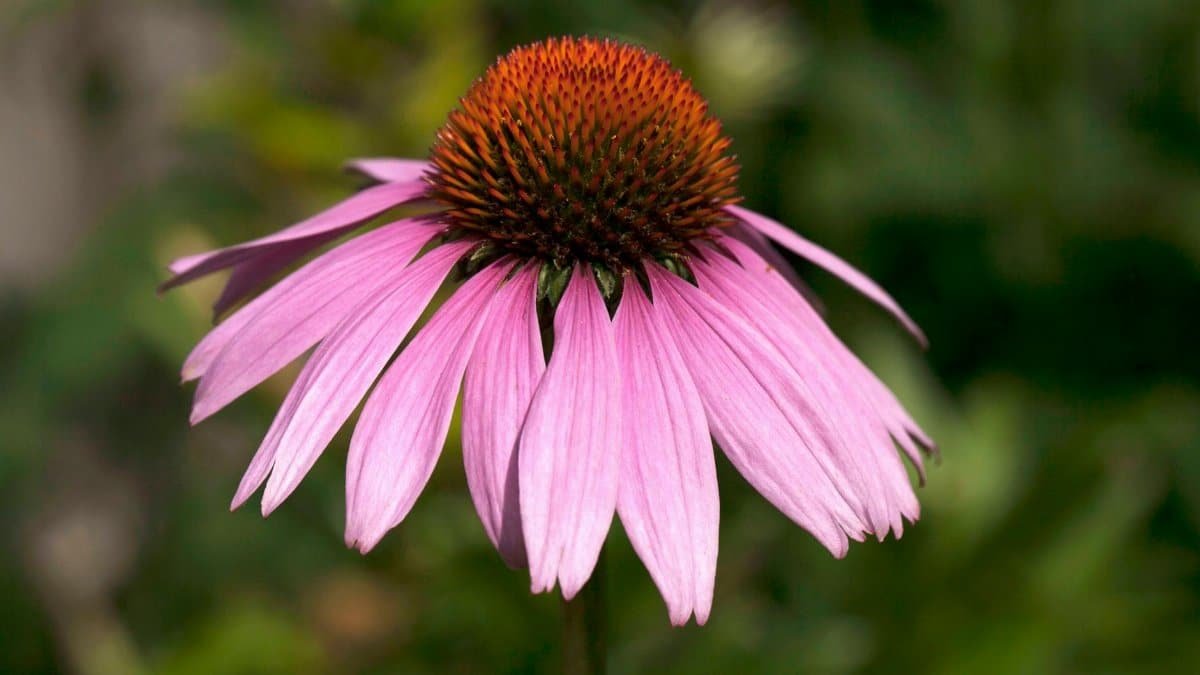
Echinacea purpurea rises like a purple spire, its daisy like flowers drawing crowds of bees and hoverflies. Native to eastern prairies, this sturdy grower reaches three feet, blooming June through August. It tolerates clay or sand, needing only occasional rain after the first season. Goldfinches devour the seed heads, and herbalists prize its roots for immune boosting teas. Avoid overwatering to prevent root rot. In USDA zones 3 to 9, coneflowers form self seeding colonies, reducing replanting efforts. Pair with grasses for a natural meadow effect that outshines any sod.
Bee Balm: Fragrant Summer Magnet
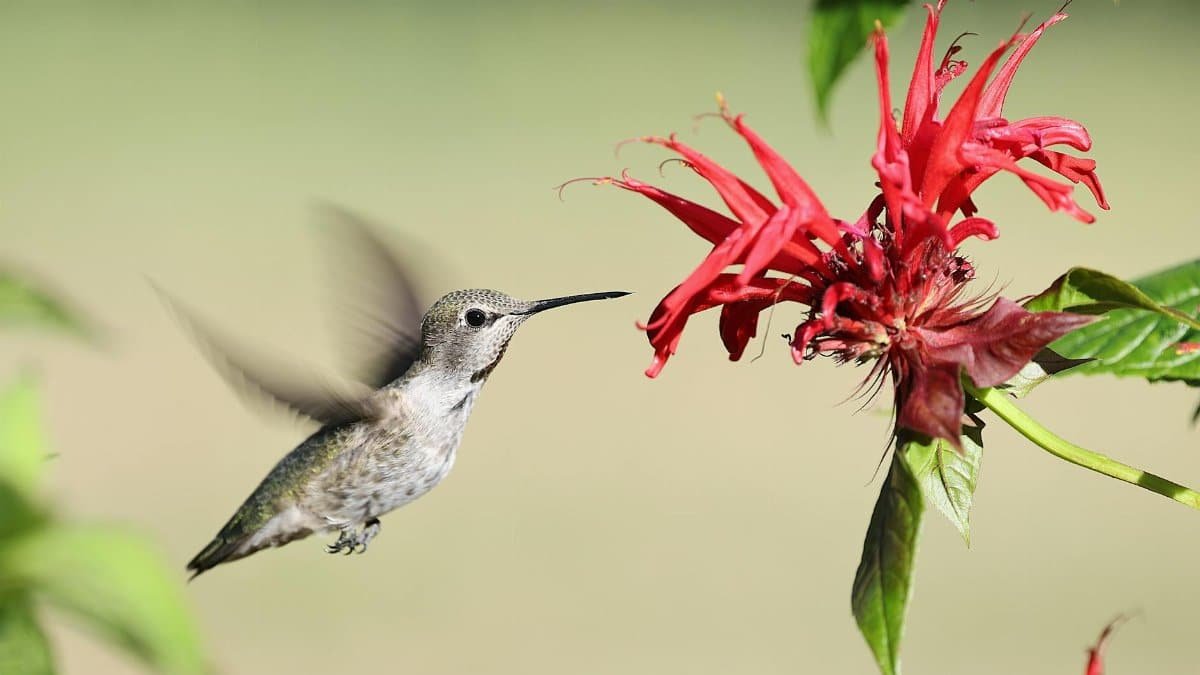
Monarda didyma, or bee balm, unfurls scarlet or lavender whorls that perfume the air with minty notes. Reaching four feet in moist sun, it thrives from New England to the Rockies. Hummingbirds and sphinx moths cannot resist its tubular blooms, which last weeks in July. Divide clumps every three years to maintain vigor; it handles deer browsing well. Zones 4 to 9 suit this mildew resistant variety. Replace lawn edges with bee balm for a colorful hedge that needs trimming just once a season, supporting wildlife while scenting evening barbecues.
Butterfly Weed: Orange Blaze for Monarchs
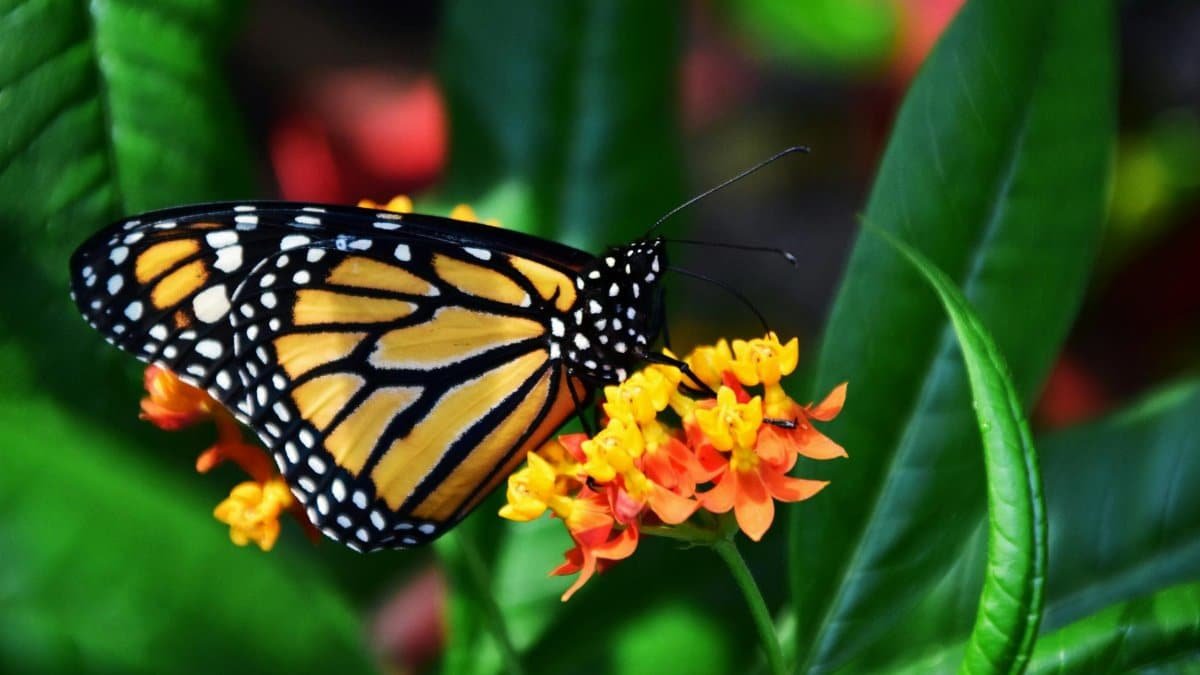
Asclepias tuberosa, the butterfly weed, ignites yards with vivid orange clusters atop two foot stems. Exclusive to North American dry fields, it blooms June to August, serving as a critical host for monarch caterpillars. Remarkably drought hardy, its deep taproot accesses water others miss. Plant in full sun; it dislikes transplanting, so choose spots wisely. Zones 3 to 9 welcome this non invasive milkweed, whose pods release silky seeds in fall. Transform barren lawn corners into monarch waystations with minimal fuss.
Joe Pye Weed: Tall Grace in Wet Spots

Eutrochium purpureum towers up to seven feet with dusty pink domes that sway in late summer breezes. Native to eastern wetlands, it excels where lawns falter, in clay or damp soil. Swallowtails and skippers nectar here, and its vanilla scented leaves deter pests. Cut back in spring for fresh growth. Hardy in zones 4 to 9, Joe Pye weed creates privacy screens without staking. Ideal for low lying yard areas, it demands no fertilizer, proving that bold beauty can be effortless.
Goldenrod: Late Season Gold Without the Sneezes

Solidago species, often blamed for allergies but innocent ragweed culprits, paint autumn landscapes in yellow plumes. Selections like Solidago sphacelata stay compact at two feet, blooming September onward. Pollinators feast until frost, and birds glean seeds. Thriving in poor soil and sun, it spreads slowly by rhizomes. Zones 4 to 9 host these non allergenic natives. Use goldenrod to fill gaps left by fading perennials; its low water needs make it a lawn replacement star.
New England Aster: Purple Frost Fighter
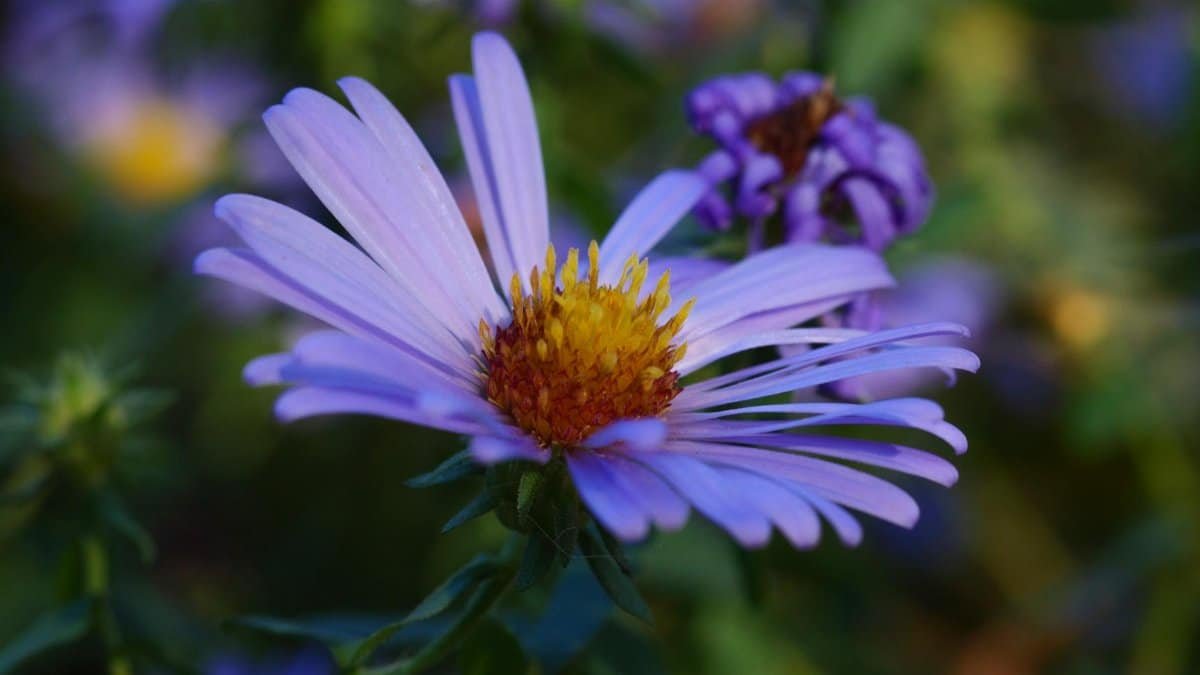
Symphyotrichum novae angliae bursts with violet stars in October, extending the bloom season when most plants fade. Growing four feet tall in sun or part shade, it supports late butterflies and bees. Pinch tips in June for bushier form. Zones 3 to 8 suit this adaptable eastern native, which handles clay and drought. Its fibrous roots stabilize soil, preventing erosion on former lawn slopes. A few plants multiply into drifts, offering color and habitat with zero upkeep.
Little Bluestem: Ornamental Grass with Rustic Charm

Schizachyrium scoparium sways like blue green flames, turning coppery red in fall. This prairie grass tops three feet, needing full sun and any soil type. Songbirds nest in its tussocks, and it requires no mowing. Zones 3 to 9 embrace little bluestem, which self seeds sparingly. Broadcast seeds over prepared lawn areas in spring for a waving sea that mimics untouched fields, slashing maintenance to occasional spring cleanup.
Switchgrass: Versatile Tall Grass Anchor

Panicum virgatum forms airy clouds of pinkish seed heads on five foot stems, shimmering in wind. Native from coast to coast, it endures floods, drought, and poor fertility. Rabbits and quail shelter within. Select sterile cultivars like ‘Heavy Metal’ to avoid seeding issues. Zones 5 to 9 favor this warm season grass. Plant en masse to replace large lawn swaths; its deep roots improve soil health over time, needing just winter trimming.
Pennsylvania Sedge: Shade Loving Groundcover
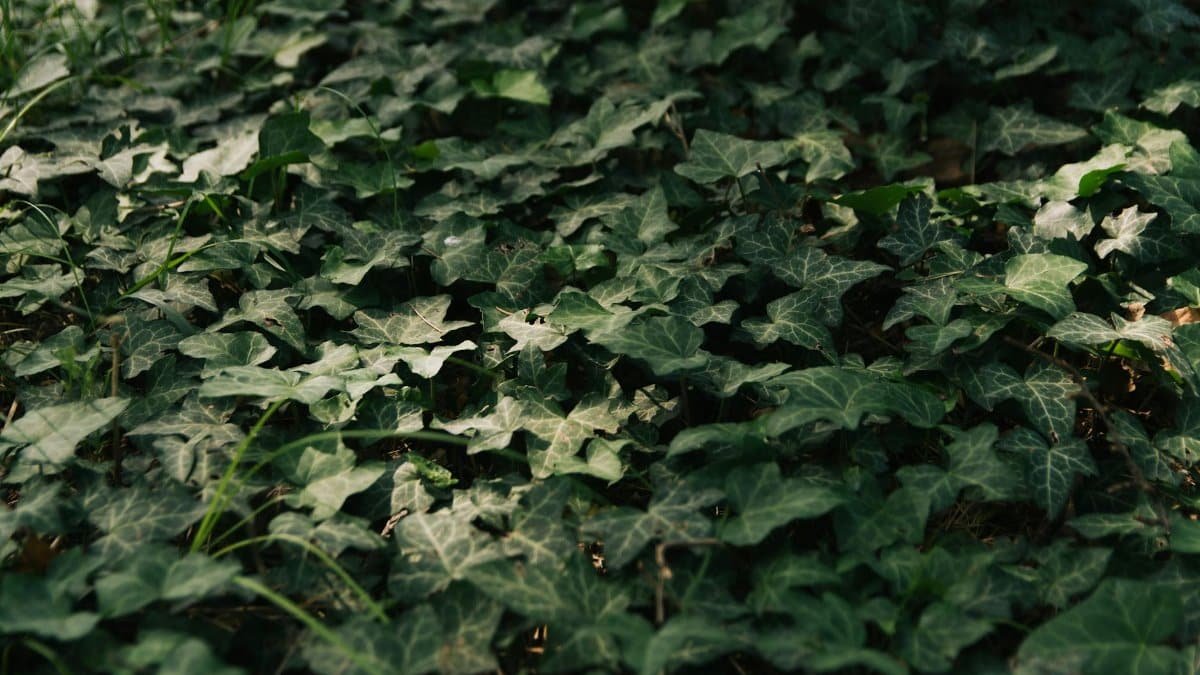
Carex pensylvanica carpets shady spots with fine green blades, mimicking turf without the thirst. Spreading slowly to form two inch high mats, it thrives under trees where grass fails. Native to eastern woodlands, it supports moth larvae. No mowing or watering required once rooted. Zones 3 to 8 host this evergreen sedge. Sow seeds or plugs over weedy lawns in fall for a seamless, deer resistant lawn alternative.
Wild Ginger: Forest Floor Foliage
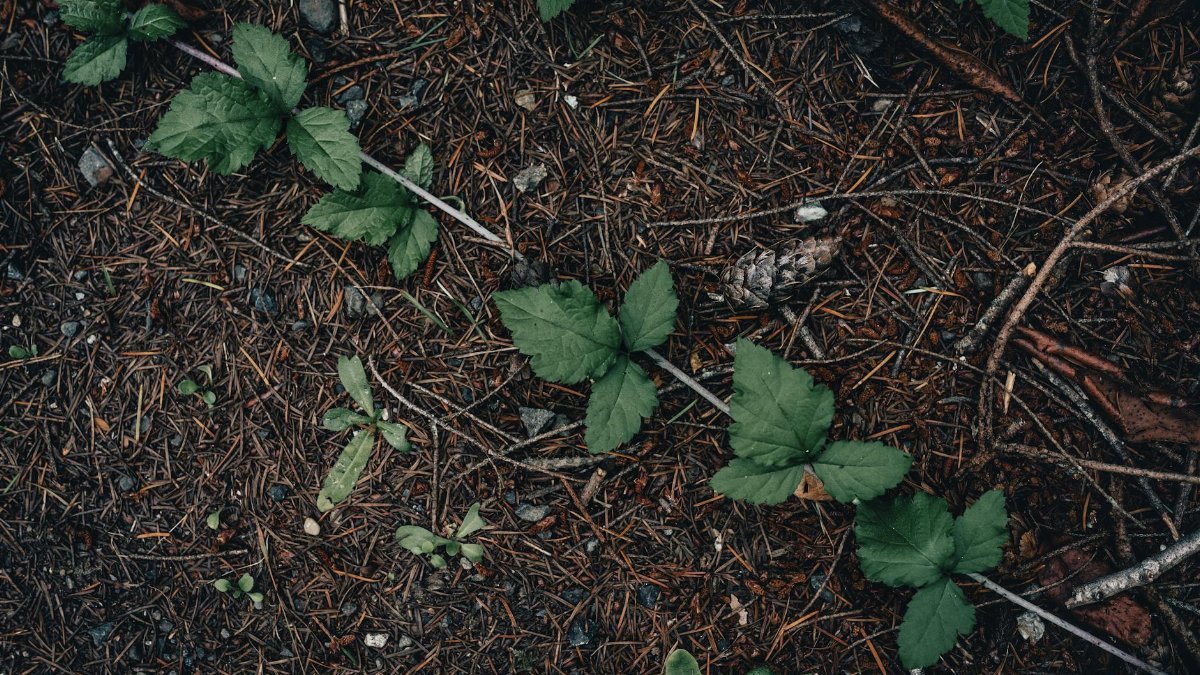
Asarum canadense creeps via rhizomes, blanketing ground with heart shaped leaves under shade. Eastern woodlands claim this one foot tall native, whose hidden flowers lure flies for pollination. Drought tolerant in humus rich soil, it repels slugs naturally. Zones 4 to 7 suit wild ginger. Use it to edge tree bases or fill north facing yard voids, creating a lush, maintenance free understory that outlives imported groundcovers.
Frogfruit: Creeping Lawn Lookalike

Phyla nodiflora, or frogfruit, forms a dense mat of tiny white blooms and evergreen foliage, standing just inches high. Spreading vigorously in sun to part shade, it mimics grass but attracts beneficial insects. Tolerating foot traffic lightly, this southern native extends to zones 6 to 11. Mow occasionally if desired, though unnecessary. Ideal for play areas or pathways, frogfruit turns water hogging lawns into eco friendly carpets overnight.
Getting Started: Tips for Your Transition

Begin by assessing your yard’s sun, soil, and zone via the USDA map (link). Remove grass with cardboard smothering or solarization, then amend lightly with compost. Mix natives for year round interest: early bloomers with late grasses. Expect a wilder look at first, but patience yields a thriving, self sustaining oasis. Local extension services offer free soil tests and plant swaps. In a warming world, these choices honor the land that sustains us.