
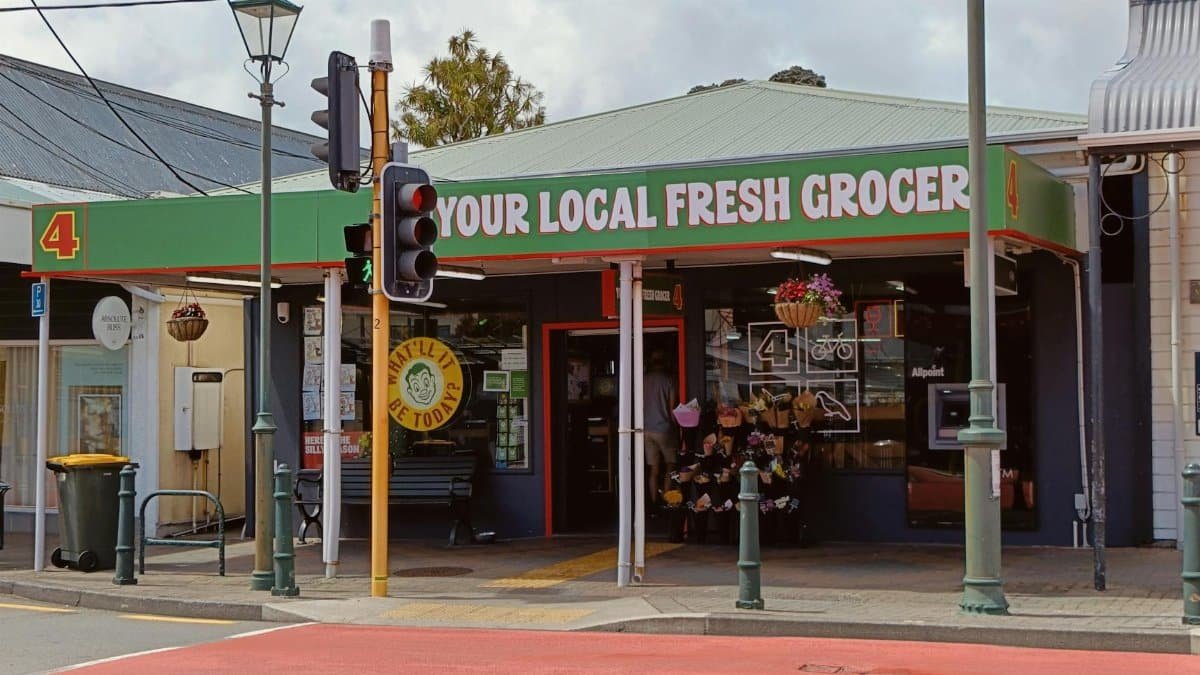
In the quiet dawn hours of a crisp autumn morning in upstate New York, a pickup truck rumbles into the loading dock of a Brooklyn warehouse, brimming with heirloom tomatoes and artisanal cheeses from family farms just hours away. This scene captures the essence of a co op grocery, where members own the store and prioritize producers in their own backyards. Across the United States, these community driven markets are reshaping local agriculture. They offer fair prices to farmers squeezed by industrial supply chains, host on site markets, and commit substantial purchases to regional growers. This article spotlights twelve exemplary co op grocery stores, each weaving tight bonds between urban shoppers and rural stewards of the land, fostering resilience in an uncertain food system.
Park Slope Food Coop in Brooklyn: Urban Lifeline to Upstate Farms

The Park Slope Food Coop stands as a cornerstone of New York City’s food scene. With over 17,000 member owners, it sources more than 40 percent of its produce from within 300 miles, directly sustaining Hudson Valley orchards and dairy operations. Farmers appreciate the coop’s predictable orders and prompt payments, which enable investments in sustainable practices like cover cropping. Weekly deliveries from partners such as Bodhitree Farm highlight these ties. Members volunteer hours in exchange for discounts, creating a virtuous cycle that keeps money local. Visit foodcoop.com to see how this model thrives amid skyscrapers.
Weaver Street Market in North Carolina: Southern Roots Run Deep
In Carrboro, North Carolina, Weaver Street Market operates four locations, channeling millions into the states farms each year. It partners with over 200 local producers, from strawberry fields in Chadmit to goat cheese makers in the Piedmont. The coop runs a dedicated local producer section and hosts farm dinners that draw crowds. This commitment has helped small operations scale without losing their ethos. One farmer noted the stability allows for crop diversification. Weaver Streets approach proves co ops can anchor rural economies in the South. Explore more at weaverstreetmarket.coop.
Seward Community Co op in Minneapolis: Midwest Grain and Greens

Minneapolis Seward Community Co op buzzes with energy from Minnesotas vast farmlands. It dedicates shelf space to grains from nearby mills and vegetables from Hmong family plots, buying directly to cut out middlemen. Programs like the Seward Farm Yield Match connect excess harvest to food shelves, reducing waste while supporting growers. Over 70 percent of meat comes from regional sources, bolstering livestock operations hit by consolidation. This co op exemplifies how urban centers can revive prairie agriculture. Details await at seward.coop.
PCC Community Markets in Seattle: Pacific Northwest Bounty

Seattles PCC Community Markets, the nations largest consumer owned grocer, spans 15 stores and sources extensively from Washingtons fertile valleys. Salmon from coastal fisheries and berries from Skagit Valley farms fill its aisles, with annual purchases exceeding $20 million locally. PCCs farm walks and producer spotlights educate shoppers, fostering loyalty. By negotiating bulk deals that benefit smallholders, it counters corporate dominance. This model sustains biodiversity in the region. Learn firsthand via pccmarkets.com.
Willy Street Co op in Madison: Wisconsin Dairy Heartland Ally

Madisons Willy Street Co op, with three outlets, champions Wisconsins dairy heritage alongside organic veggies. It buys from artisan cheesemakers and vegetable growers within 100 miles, offering premium prices that make farming viable for younger generations. In store demos and recipe cards feature these products, driving sales. The co ops advocacy for policy changes further aids farmers. Its a beacon for Midwest sustainability. Check out willystreet.coop for the full story.
La Montañita Food Co op in Albuquerque: Desert Harvest Champions

In New Mexicos high desert, La Montañita Food Co op links urbanites to acequia irrigated farms and Pueblo producers. It sources chiles, beans, and lamb locally, with a food shed program mapping origins transparently. Annual local spending tops $3 million, funding irrigation upgrades. Cultural events celebrate Native and Hispanic growers, preserving traditions. This co op grocery builds food sovereignty. Discover it at lamontanita.coop.
Boise Co operative in Idaho: Mountain Valley Supporter

Boise Co operative thrives in Idahos capital, prioritizing spuds, trout, and stone fruits from Snake River farms. Direct contracts ensure farmers receive 20 percent higher returns than wholesale markets. The co ops downtown and meridian stores host farmers markets twice weekly, boosting visibility. Educational workshops on regenerative ag draw participants. It fortifies the intermountain food web. See boiscoop.org.
Hunger Mountain Co op in Vermont: Maple and Pasture Partners

Vermonts Hunger Mountain Co op in Montpelier sources maple syrup, cheeses, and greens from states 800 plus small farms. Member owned since 1975, it commits 60 percent of produce dollars locally, stabilizing incomes amid volatile commodity prices. Farm to table potlucks strengthen community. This effort counters dairy industry pressures. More at hungermountain.coop.
Brattleboro Food Co op in Vermont: Cross Border Collaborations

Near the New Hampshire line, Brattleboro Food Co op draws from both states farms, featuring NH apples and VT beef. Its local program audits ensure authenticity, with over half of sales from regional sources. Producer loans and equipment shares aid startups. Shoppers value the traceability. Vital stats at brattleborofoodcoop.com.
Monadnock Food Co op in New Hampshire: Granite State Growers Boost

Keene, New Hampshires Monadnock Food Co op revitalizes the regions orchards and dairies. It buys heirloom varieties and grass fed meats, offering display space for farm stories. Annual local purchases support 150 producers, enabling organic transitions. Community classes on preserving harvests extend the impact. Visit monadnockfood.coop.
Sacramento Natural Foods Co op in California: Central Valley Lifeline

Sacramentos Natural Foods Co op channels support to Central Valley almond growers and Delta asparagus fields. Amid megafarm dominance, it pays premiums for organic and regenerative methods. In store signage tells farmer tales, humanizing the supply chain. This bolsters resilience against droughts. Info at sacfoodcoop.com.
BriarPatch Co op in Grass Valley: Sierra Foothills Sustainers

In Californias Gold Country, BriarPatch Co op uplifts Sierra foothill farms with stone fruits, olives, and wines. It hosts a year round producers pavilion and invests in solar for partner operations. Local sourcing exceeds 50 percent, preserving family lands. A model for the West. Details on briarpatch.coop.
The Broader Impact: Why These Co Ops Reshape Agriculture

These twelve co op grocery stores collectively demonstrate a powerful alternative. They recirculate dollars locally, often multiplying economic impact threefold per USDA estimates linked here. By demanding quality over volume, they encourage soil health and biodiversity. Challenges remain, like scaling amid inflation, yet their member governance ensures adaptability. As climate pressures mount, these outposts offer a blueprint for food systems rooted in place and people.
Communities investing in such models not only nourish bodies but also economies and ecosystems. Shoppers gain fresher fare; farmers, security. The movement grows, with new co ops sprouting nationwide. Engaging locally sustains the heartland.