

Intro

New data shows 45% of Americans are prioritizing quiet growth, inner confidence, self-trust in their daily lives, according to a recent Pew Research survey. This shift is driving people to seek out cities that nurture personal development without the chaos of big urban centers. From serene parks to wellness communities, these locations offer spaces for introspection and self-assurance. As priorities evolve in 2025, more individuals are relocating to environments that foster subtle, internal progress. Experts say this trend reflects a broader move away from high-pressure lifestyles toward sustainable self-improvement.
1. Boulder, Colorado
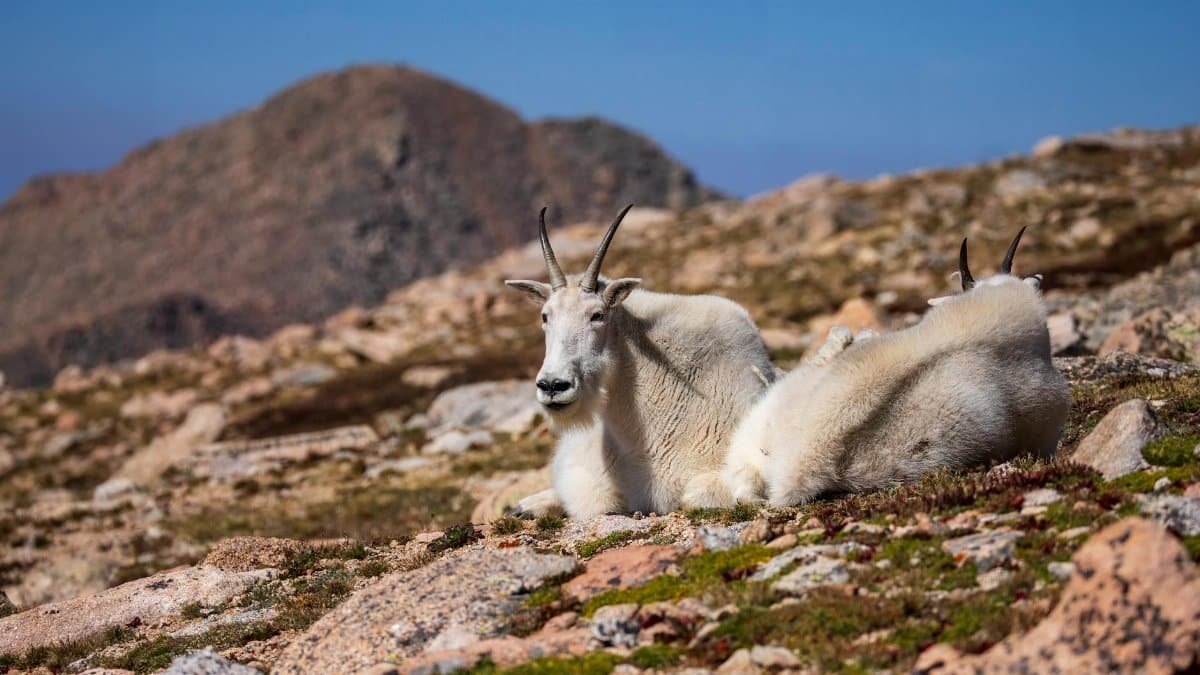
Boulder stands out for its stunning Rocky Mountain backdrop, making it ideal for those pursuing quiet personal growth. Residents often hike trails like the Flatirons, which encourage mindfulness and build inner strength. The city’s emphasis on outdoor activities promotes self-reflection, away from digital distractions. Local yoga studios and meditation centers abound, helping people cultivate self-trust through consistent practice. In 2025, Boulder’s low crime rates and community events further support a sense of security that bolsters confidence.
2. Asheville, North Carolina
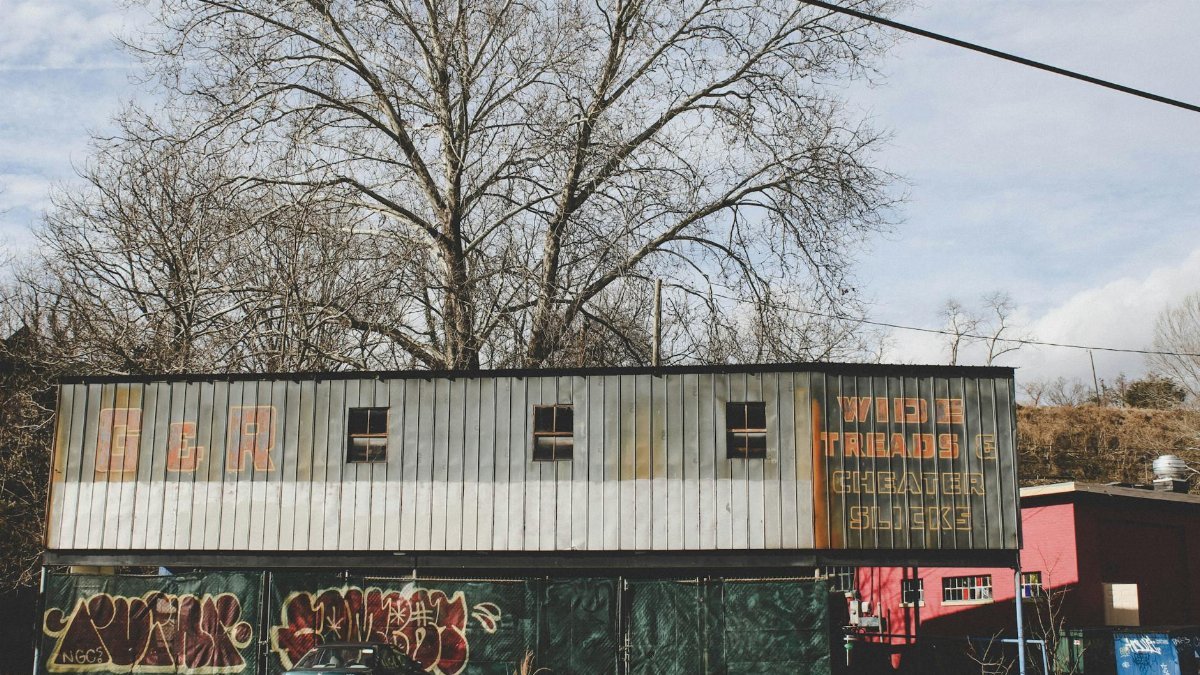
Nestled in the Blue Ridge Mountains, Asheville draws those seeking environments for inner development. Its artistic vibe and access to nature trails allow for unhurried exploration of personal goals. Wellness retreats focus on holistic practices, aiding in building quiet confidence. The city’s farm-to-table scene encourages mindful eating, tying into self-care routines. Recent reports highlight Asheville’s role in mental health initiatives, making it a hub for self-trust building.
3. Sedona, Arizona

Sedona’s red rock formations and vortex sites are legendary for spiritual rejuvenation. Visitors and locals alike use these natural wonders for meditation, fostering quiet growth. The area’s energy healing communities provide tools for enhancing inner confidence. Hiking paths offer solitude, perfect for developing self-trust. In 2025, Sedona’s tourism board promotes wellness tourism, backed by studies showing nature’s impact on mental clarity.
4. Santa Fe, New Mexico

Santa Fe’s rich cultural heritage and desert landscapes create a peaceful setting for personal evolution. Art galleries and Native American influences inspire introspection. Local spas offer retreats that emphasize self-awareness, key to inner confidence. The city’s slow pace counters urban stress, allowing space for self-trust to flourish. Community programs in mindfulness have gained traction, supporting residents’ growth journeys.
5. Portland, Oregon
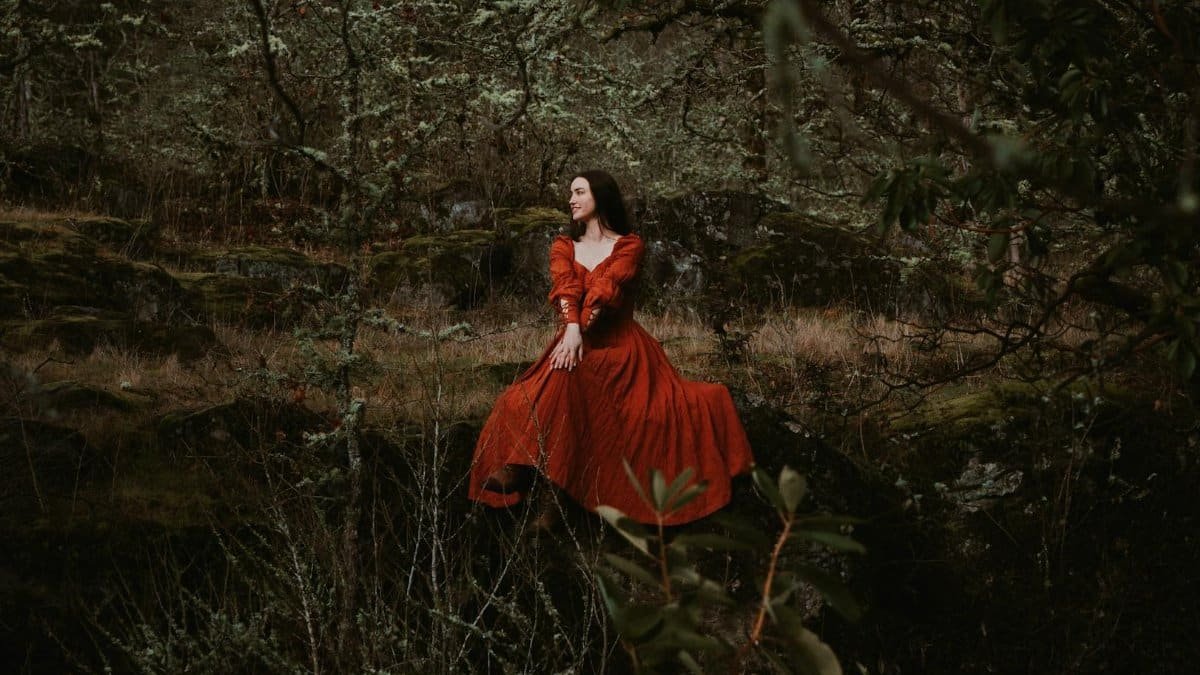
Portland’s lush forests and eco-friendly ethos make it a prime spot for quiet personal advancement. The International Rose Test Garden provides tranquil spots for reflection. Bike paths and green spaces encourage active yet serene lifestyles, building resilience. Wellness cafes and bookshops promote self-help resources, aiding in confidence development. Portland’s commitment to sustainability aligns with personal values, reinforcing self-trust.
6. Burlington, Vermont
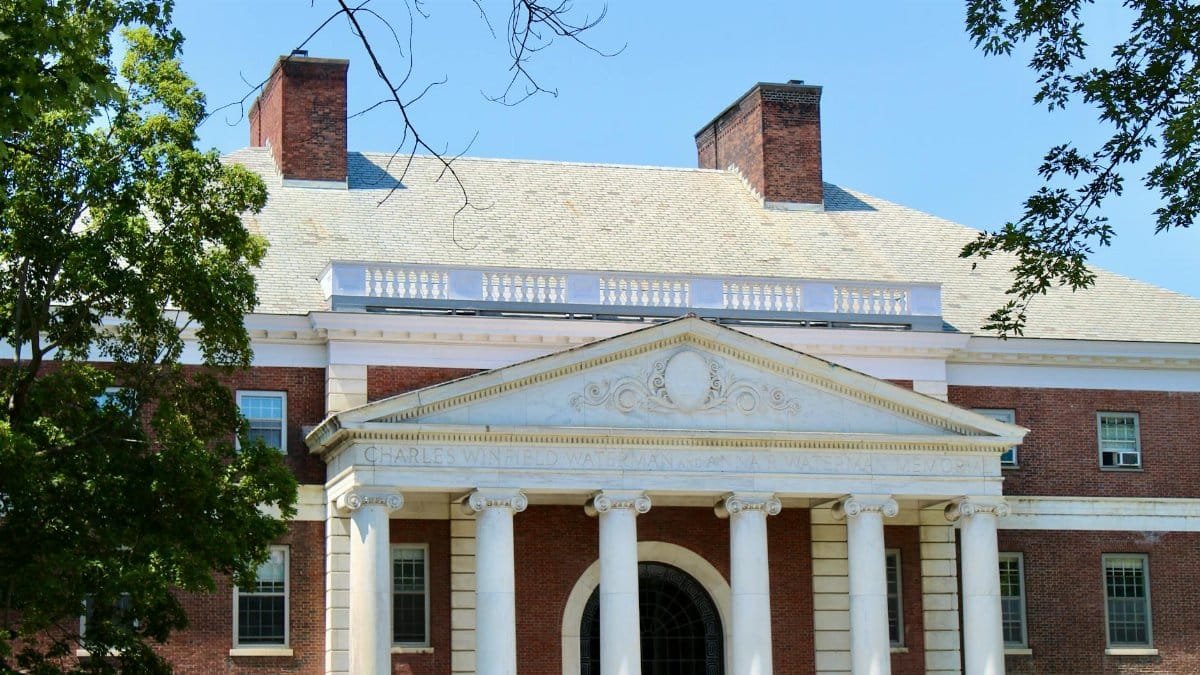
Overlooking Lake Champlain, Burlington offers a calm atmosphere for inner work. Its pedestrian-friendly downtown and nearby farms foster a grounded lifestyle. Community co-ops host workshops on personal development, enhancing self-assurance. The city’s emphasis on work-life balance helps residents avoid burnout, crucial for quiet growth. In 2025, local initiatives link nature exposure to improved mental health.
7. Madison, Wisconsin
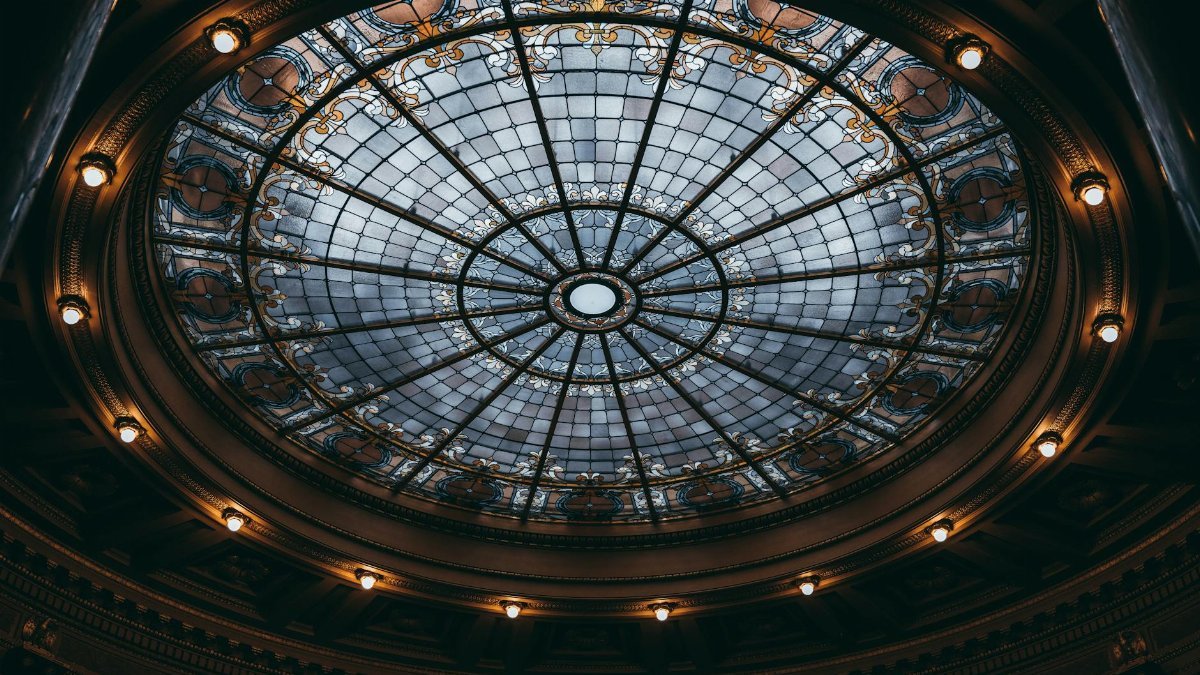
Madison’s lakeside location and university vibe support intellectual and emotional growth. Parks like Olbrich Botanical Gardens invite peaceful contemplation. The city’s progressive culture includes mindfulness programs at the University of Wisconsin, building inner confidence. Cycling trails promote physical activity that ties into self-trust. Recent data from health organizations shows such environments reduce stress effectively.
8. Charlottesville, Virginia
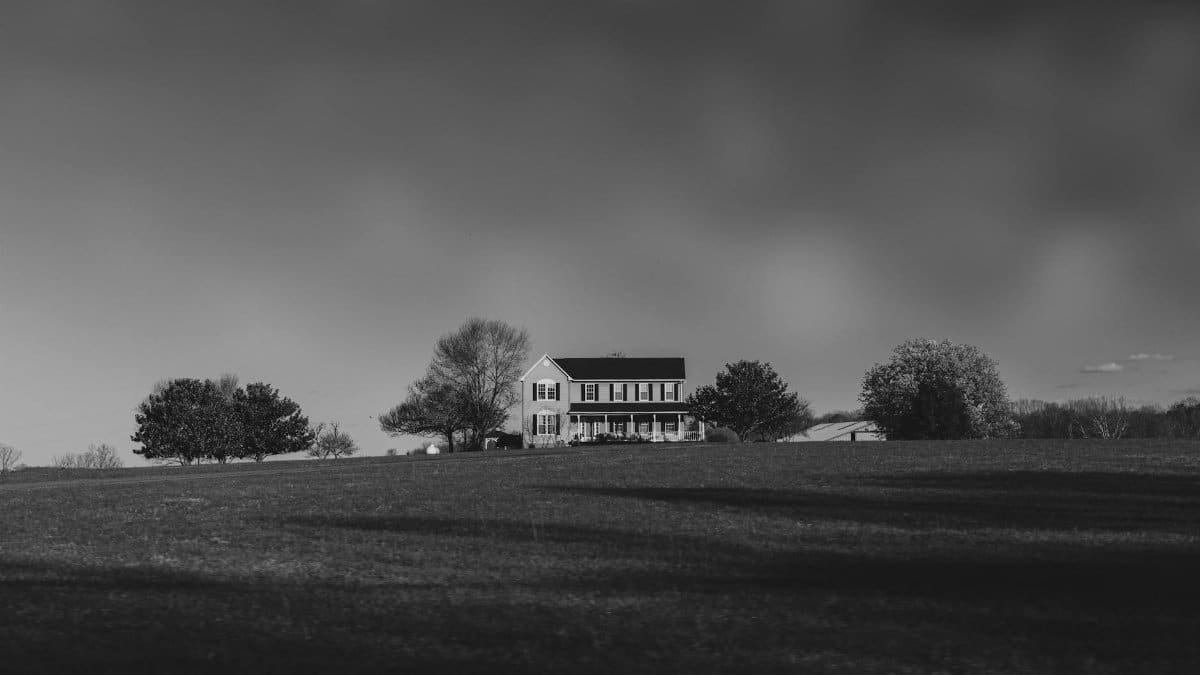
Charlottesville’s historic charm and proximity to the Blue Ridge Parkway aid in personal reflection. Monticello’s gardens inspire thoughtful walks. Local bookstores and cafes host self-improvement groups, fostering confidence. The area’s wineries offer relaxed settings for introspection. Community efforts in wellness education make it easier to pursue self-trust.
9. Ann Arbor, Michigan
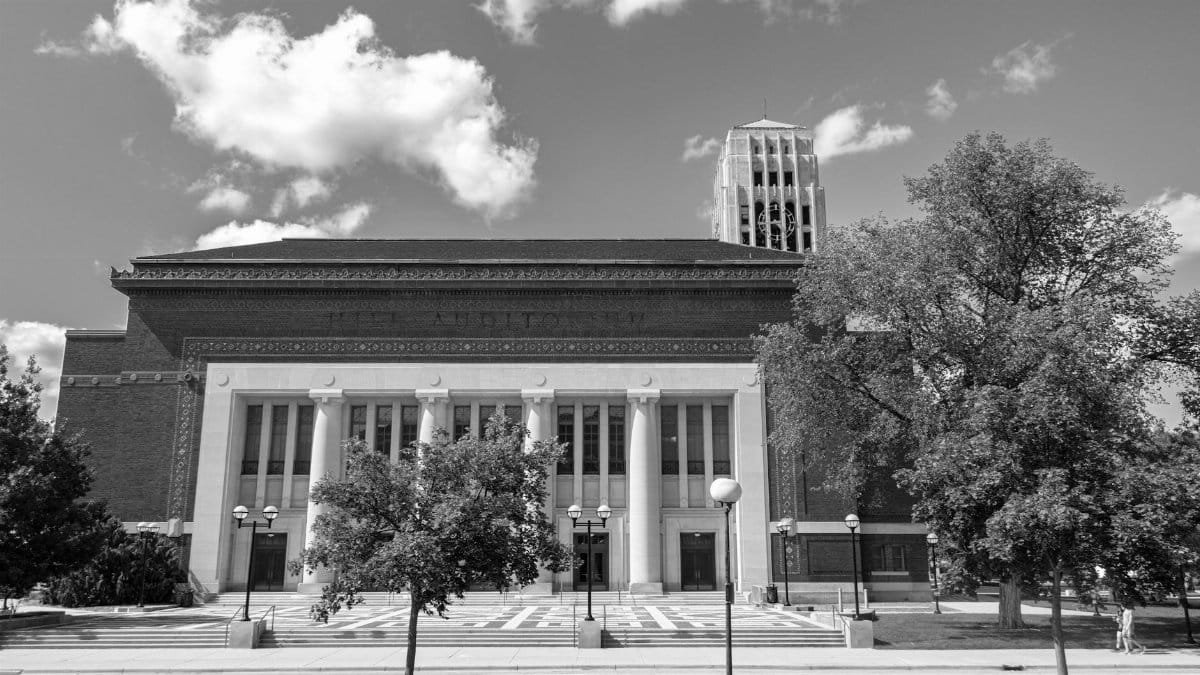
Ann Arbor, home to the University of Michigan, blends academia with natural beauty for growth. The Huron River provides kayaking opportunities for solitude. Campus resources include counseling that supports inner development. The city’s vibrant yet low-key arts scene encourages creative self-expression. Studies from the university link green spaces to boosted self-esteem.
10. Eugene, Oregon
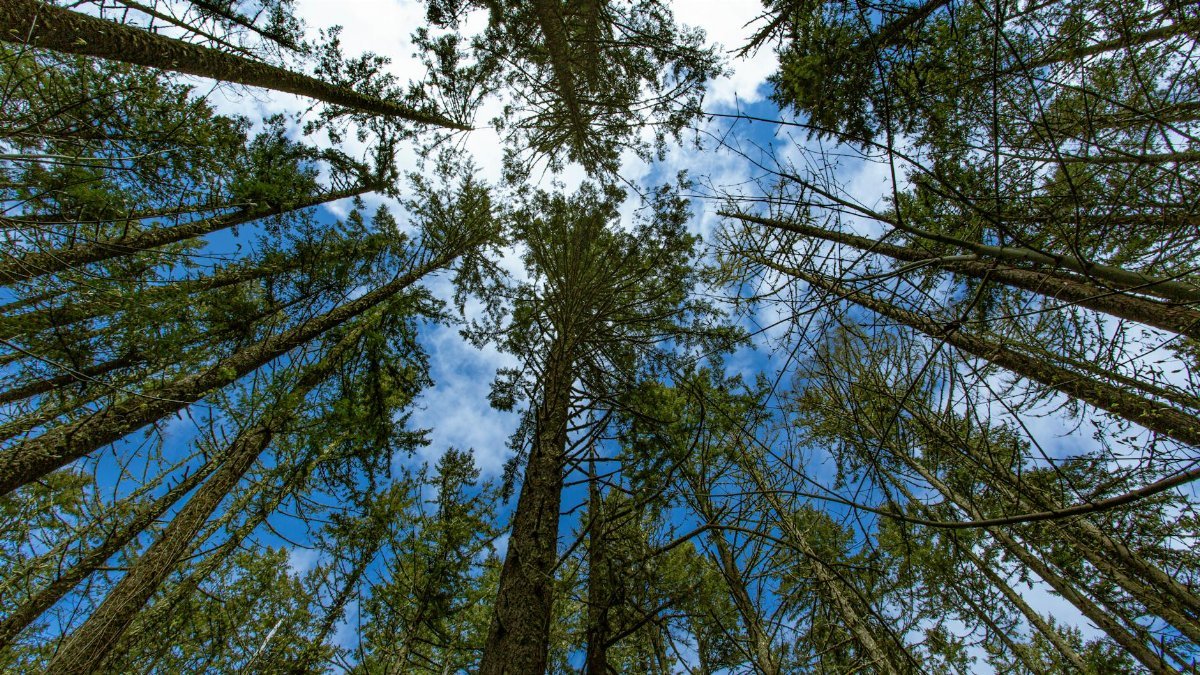
Eugene’s riverside paths and hippie heritage promote a laid-back approach to personal progress. Spencer Butte hikes offer views that inspire clarity. Local cooperatives focus on holistic health, aiding confidence building. The city’s music festivals provide joyful outlets without overwhelming pressure. Eugene’s environmental focus aligns with sustainable self-growth.
11. Ithaca, New York
Ithaca’s gorges and waterfalls create a dramatic yet soothing backdrop for introspection. Cornell University’s presence brings intellectual stimulation. Trails in Buttermilk Falls State Park encourage mindful exercise. Community centers offer yoga and therapy sessions, strengthening self-trust. The area’s farm communities support nutritious lifestyles that enhance overall well-being.
12. Boise, Idaho
Boise’s Boise River Greenbelt and surrounding foothills make it a haven for quiet advancement. The city’s clean air and outdoor recreation build physical and mental resilience. Local wellness groups emphasize personal coaching for confidence. In 2025, Boise’s growth in remote work opportunities allows more time for self-reflection. Reports indicate such settings improve life satisfaction significantly.
For more on how nature impacts personal growth, check out this Pew Research summary on mental health trends. Additionally, insights from the CDC’s mental health resources highlight the benefits of serene environments.