

In a surprising twist, recent surveys reveal that 35% of urban professionals are eyeing relocations to escape the grind, prioritizing competitive pressure, status anxiety, ego release over career ladders. According to a 2024 report from the American Psychological Association, this shift reflects a growing backlash against high-stakes environments in major metros. People are ditching the rat race for spots where healing trumps hustle, focusing on mental well-being amid rising burnout rates. As 2025 unfolds, these moves signal a broader cultural pivot toward simpler living.
1. Santa Fe, New Mexico

This high-desert gem draws those burnt out on big-city rivalry. With its art scene and spiritual retreats, Santa Fe offers a break from status games. Residents report lower stress levels, embracing a slower pace that fosters ego release. The city’s emphasis on cultural heritage over corporate climbs makes it ideal for healing. Data from the U.S. Census Bureau shows a 12% population uptick in similar relaxed locales since 2020, as folks seek balance.
2. Asheville, North Carolina

Nestled in the Blue Ridge Mountains, Asheville vibes with creativity minus the cutthroat edge. Breweries and music spots encourage community over competition. Locals swap status anxiety for outdoor adventures, finding solace in nature’s embrace. A study by the National Institutes of Health links such environments to reduced anxiety, backing the city’s appeal for those pursuing ego release. In 2025, expect more remote workers flocking here for that chill factor.
3. Burlington, Vermont
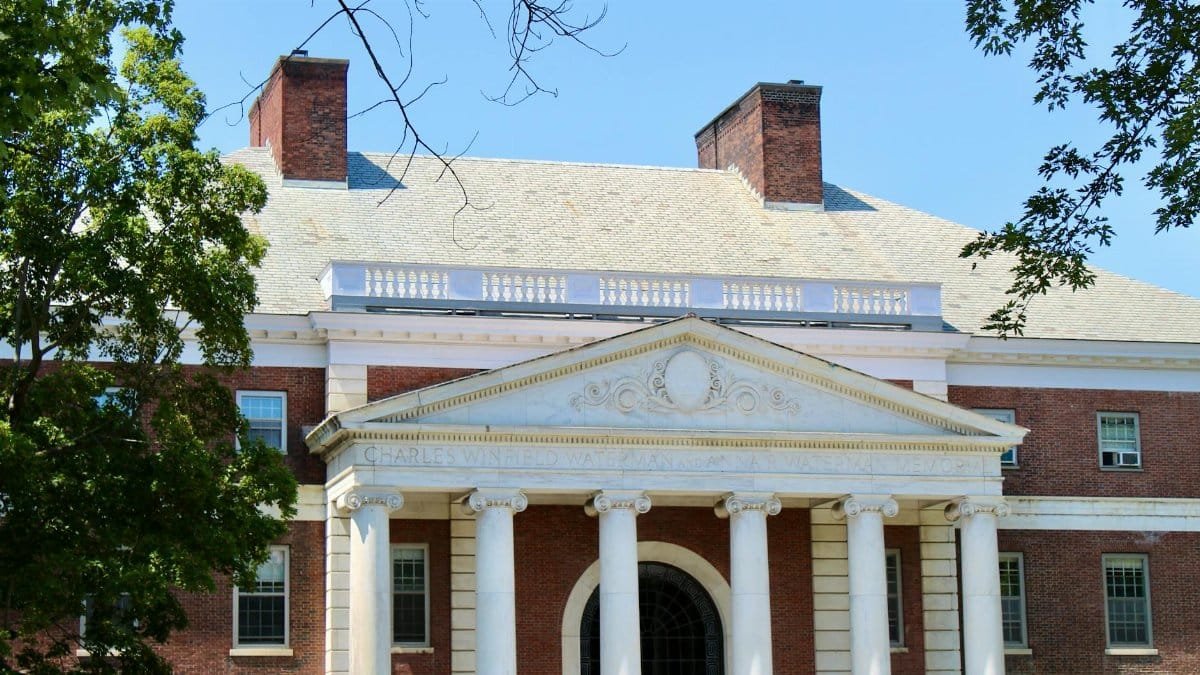
Lake Champlain’s shores provide a serene escape from urban pressures. Burlington’s farm-to-table ethos promotes shared success, not one-upmanship. People here focus on sustainability, easing competitive drives. The University of Vermont’s wellness programs highlight how this setup aids mental health, aligning with national trends toward ego release. Census figures indicate a steady influx of relocators seeking this low-key lifestyle.
4. Sedona, Arizona
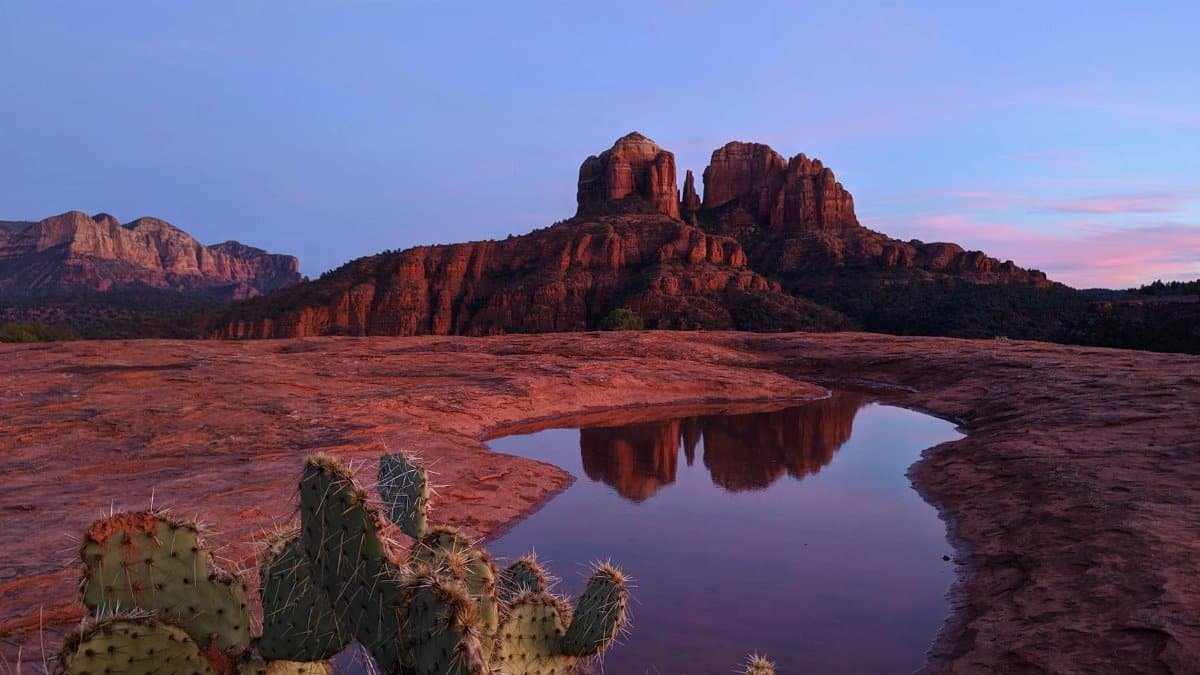
Known for red rock vortexes, Sedona attracts seekers of inner peace. Its wellness retreats combat status anxiety head-on, emphasizing spiritual growth over material gains. Visitors often stay, drawn by the healing energy that encourages ego shedding. Research from the Mayo Clinic supports mindfulness practices prevalent here, showing benefits for stress reduction. As competitive pressures mount elsewhere, Sedona stands as a 2025 haven.
5. Boise, Idaho
Idaho’s capital blends urban amenities with a non-competitive spirit. Outdoor recreation dominates, pushing work-life balance to the forefront. Residents ditch ego-driven pursuits for hiking and community events. A Pew Research Center report notes rising satisfaction in mid-sized cities like Boise, where status anxiety fades. This trend underscores a national shift toward places facilitating ego release.
6. Madison, Wisconsin
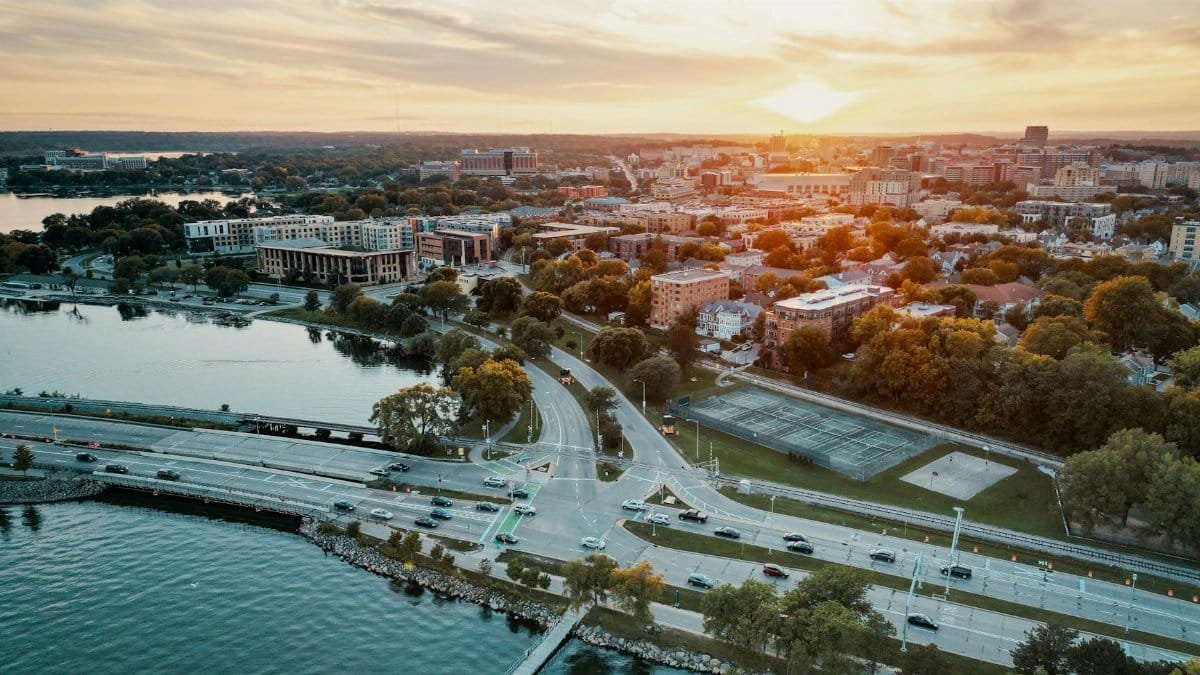
Home to a vibrant university scene, Madison keeps things collaborative rather than combative. Lakeside living promotes relaxation, helping locals release competitive tensions. The city’s bike paths and festivals foster connections, not rivalries. Studies from the University of Wisconsin link such environments to better mental health outcomes, supporting the ego release narrative. In 2025, it’s a top pick for those fleeing high-pressure coasts.
7. Eugene, Oregon

Oregon’s hippie heritage lives on in Eugene, where eco-conscious vibes eclipse status chases. Track town turned chill spot, it offers trails and arts without the ego battles. People here prioritize personal growth, aligning with healing trends. The Oregon Health Authority’s data shows lower burnout rates in such communities, aiding competitive pressure relief. Relocators praise the ego-free atmosphere.
8. Fort Collins, Colorado
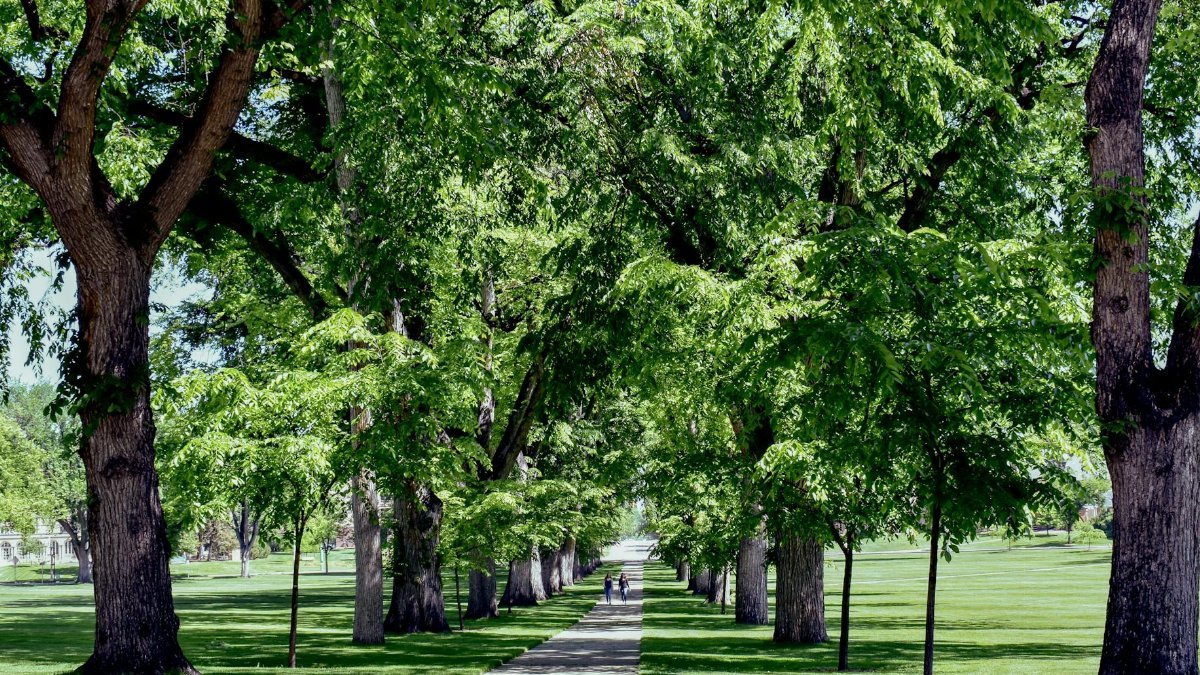
With breweries and bike trails, Fort Collins embodies laid-back innovation. Colorado State University adds energy without overwhelming competition. Residents focus on quality of life, shedding status anxiety through outdoor pursuits. A Colorado State study on well-being reinforces how this setup promotes ego release. As urban exodus continues into 2025, Fort Collins sees growing appeal.
9. Ithaca, New York
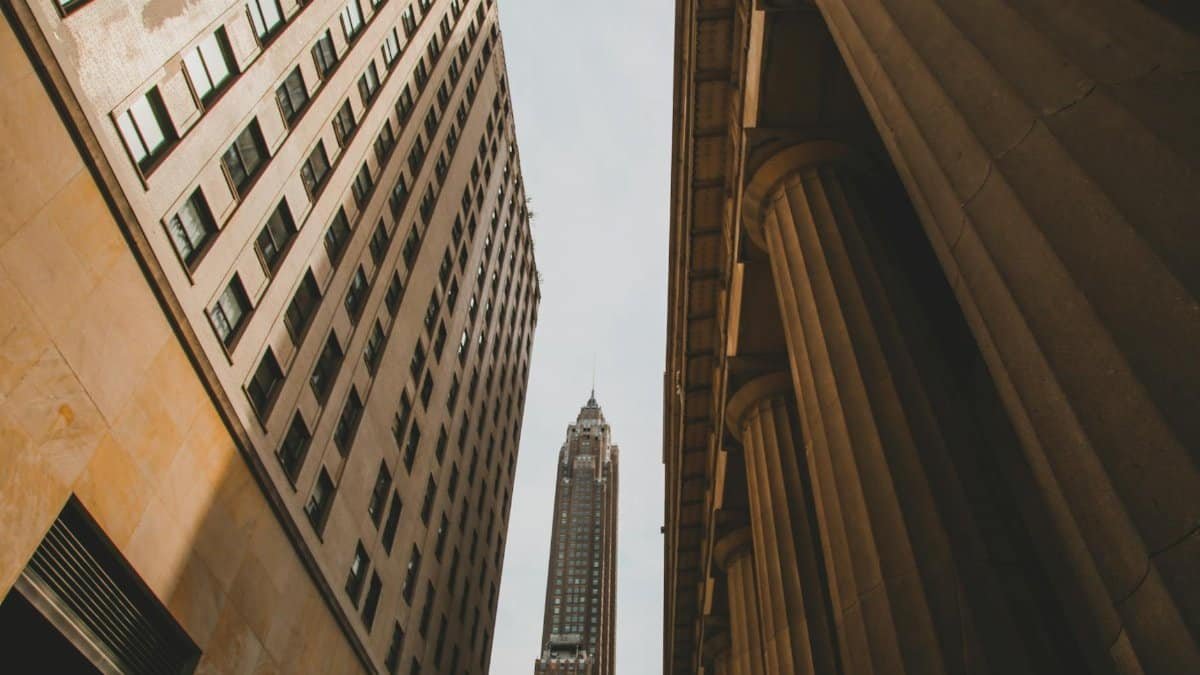
Gorges and gorges of natural beauty make Ithaca a retreat from rivalry. Cornell’s presence brings intellect minus the cutthroat feel. Locals embrace cooperative living, easing competitive pressures. The city’s farmers’ markets and hikes encourage ego release. Research from Cornell University highlights nature’s role in anxiety reduction, backing Ithaca’s status as a healing hub.
10. Bellingham, Washington
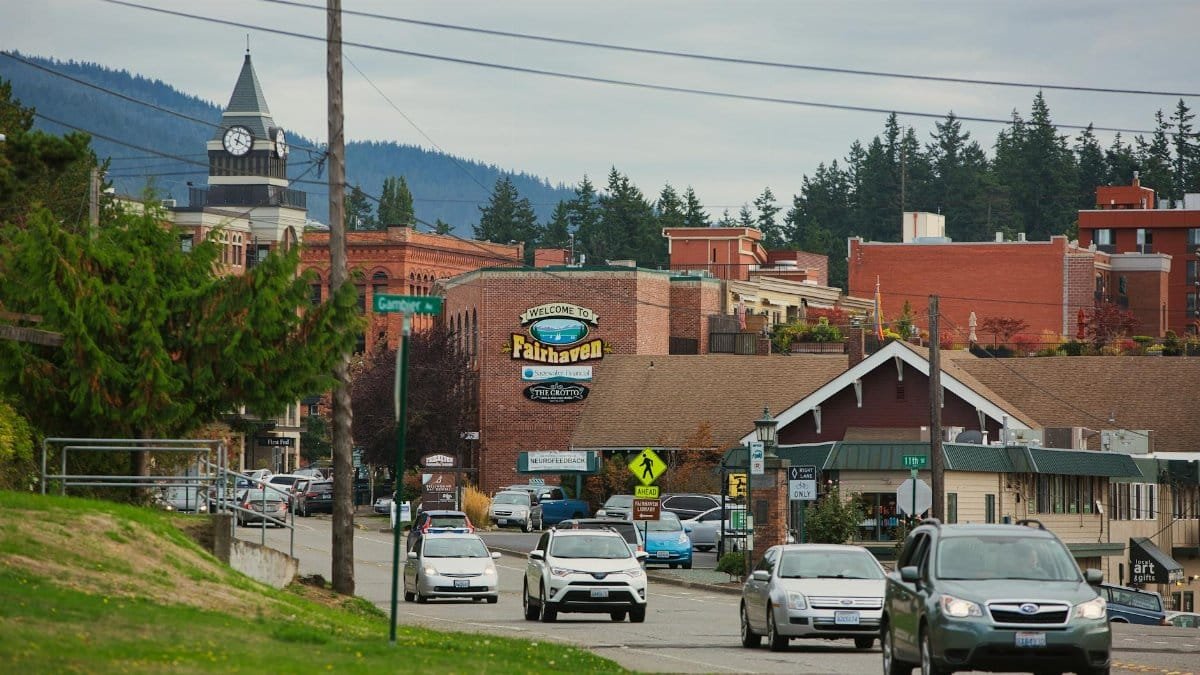
Bordering Canada, Bellingham offers Pacific Northwest calm without Seattle’s intensity. Water views and trails help dissolve status worries. Community-driven events prioritize fun over feats. Washington’s state health reports note improved mental health in such settings, supporting ego release. In 2025, it’s drawing those tired of tech-driven competition.
11. Savannah, Georgia
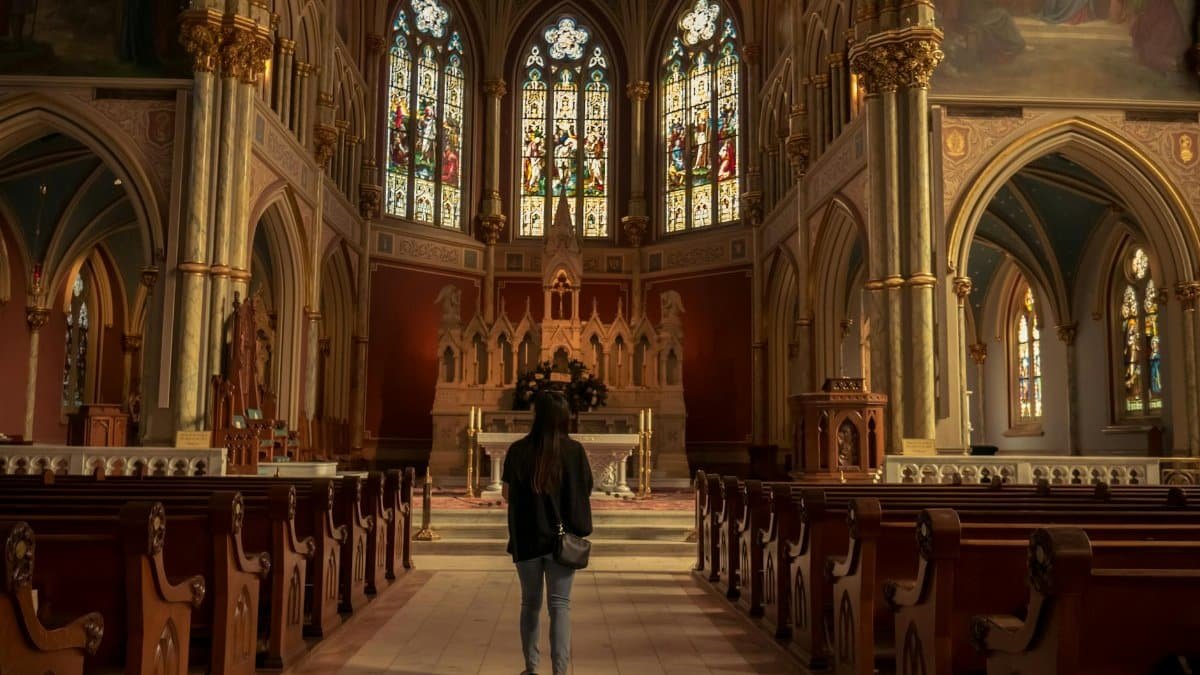
Southern charm meets slow-paced living in Savannah, where history trumps hustle. Moss-draped oaks invite reflection, aiding status anxiety relief. Art and cuisine scenes are welcoming, not exclusive. A study by the Centers for Disease Control and Prevention links relaxed Southern lifestyles to lower stress, facilitating healing. This coastal spot shines for ego release seekers.
12. Ann Arbor, Michigan
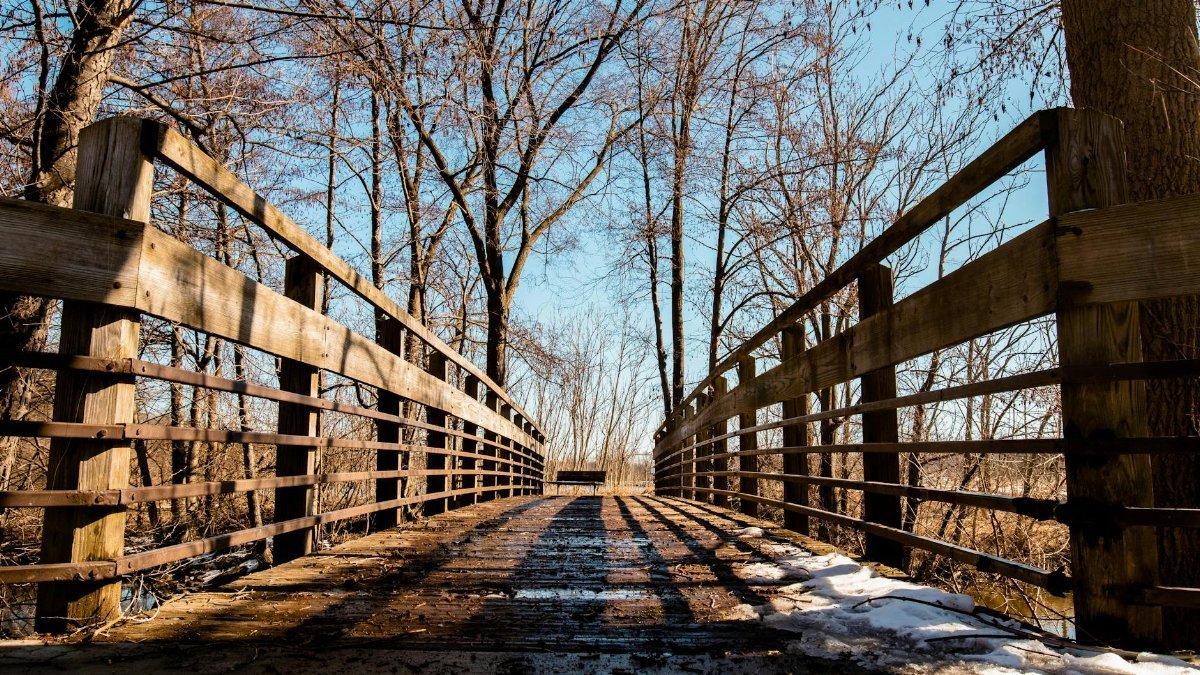
Michigan’s college town balances smarts with serenity. University of Michigan influences culture without dominating egos. Parks and events promote inclusivity, reducing competitive edges. The university’s research on mindfulness shows benefits for anxiety, aligning with national ego release movements. As 2025 trends favor balance, Ann Arbor emerges as a prime destination.
For more on migration trends, check the Pew Research Center’s Social Trends page. Insights on mental health benefits come from the National Institute of Mental Health’s anxiety resources.