

In the cacophony of city living, where ambulance sirens slice through the night and neighbors footsteps thunder overhead like a private percussion section, silence becomes the ultimate urban dream. For the millions of renters packed into aging brick tenements and gleaming high-rises, thin walls and lax construction standards turn every external sound into an unwelcome intruder. Yet reclaiming tranquility does not require wielding a drill or plastering over sheetrock. Renter friendly tactics exist that demand no permanent alterations, preserving both your lease terms and deposit. From strategic fabric layers to clever acoustic diversions, here are 11 proven approaches to dampen the din without a single nail hole.
Layer Thick Curtains Over Windows
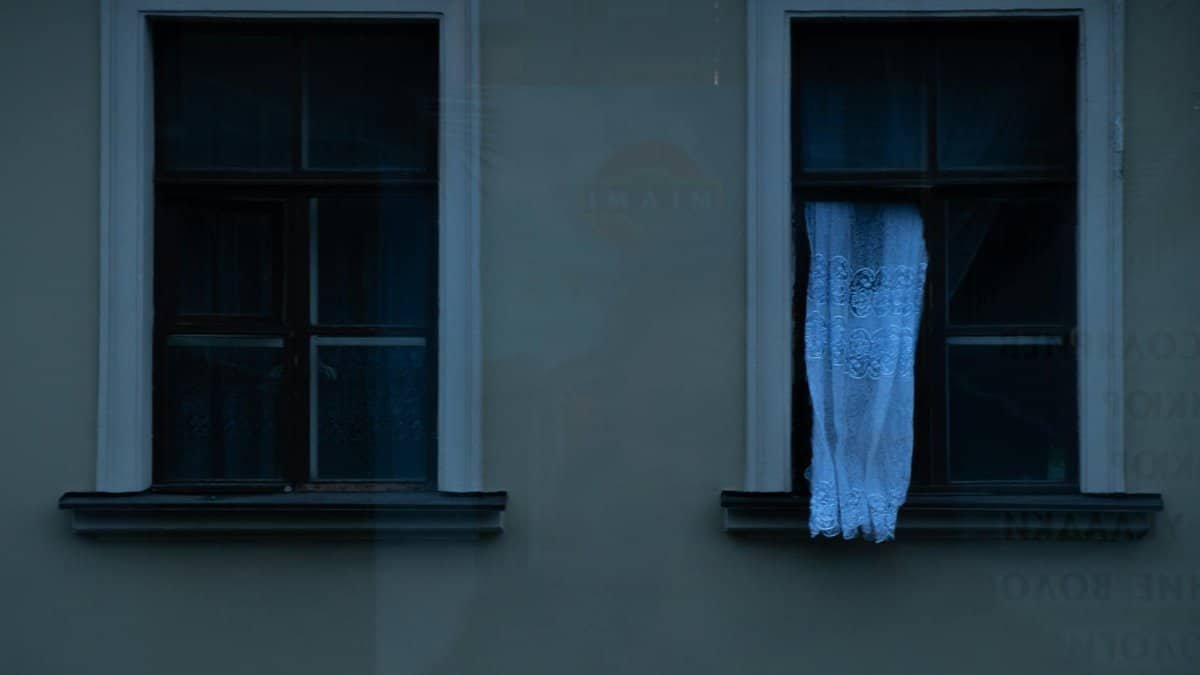
Street-level noise from traffic and pedestrians often enters through bare glass panes, which act as amplifiers for urban clamor. Opt for floor-to-ceiling curtains crafted from heavy velvet or thermal fabrics, which absorb sound waves effectively. These can be hung using tension rods that grip window frames without drilling, ensuring easy removal at move-out. Experts note that such drapery can reduce noise penetration by up to 10 decibels, a noticeable hush for early morning garbage trucks. Pair with blackout liners for added density, transforming your windows into barriers that let light in but keep chaos out. Affordable options abound at big-box retailers, making this a first-line defense for any city dweller.
Roll Out Plush Area Rugs with Padding
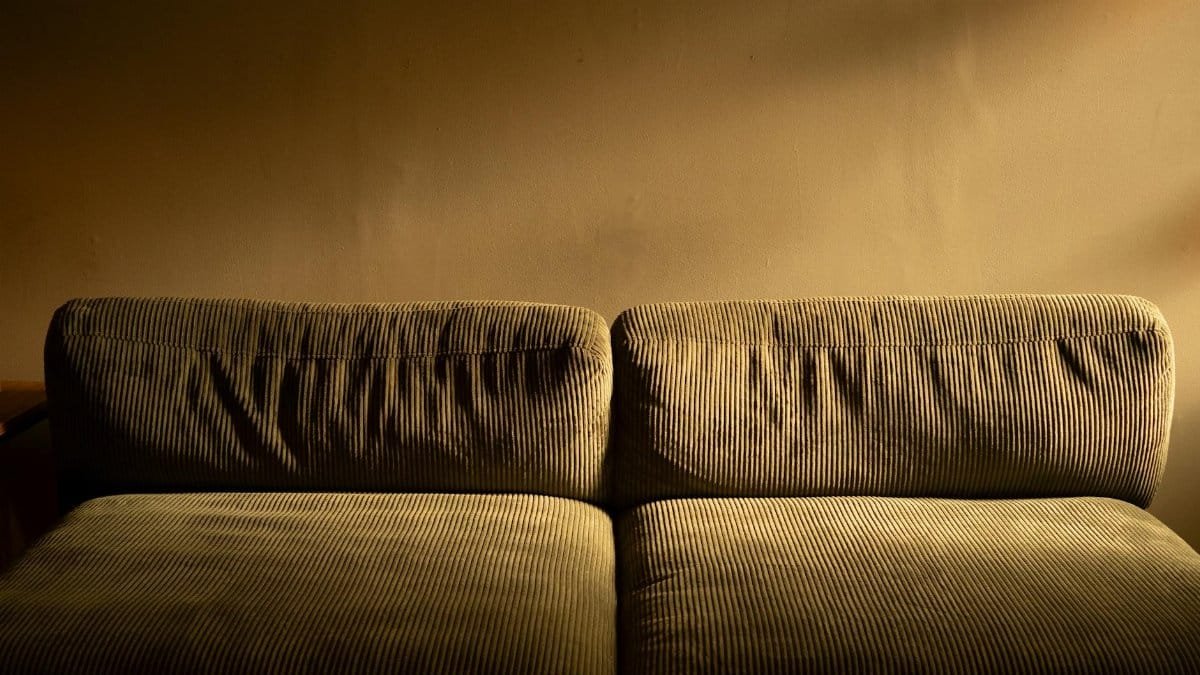
Hardwood or tile floors common in rentals bounce echoes around rooms, magnifying every creak and thud from above or below. Combat this by unrolling thick area rugs topped with dense underlays, which trap sound vibrations before they spread. Wool or synthetic shag varieties excel at muffling impact noise, while the pad beneath adds crucial mass. This renter friendly setup slides into place without adhesive, and its portability means no residue or wear on floors. Tenants in walk-up buildings report a marked drop in footsteps reverberating through shared stairwells, creating a softer ambient layer throughout the space.
Position Bookshelves as Wall Barriers

Laden bookshelves pressed against shared walls serve dual purposes: storage and sound diffusion. The irregular surfaces of spines and varying densities of books scatter sound waves, preventing direct transmission. Fill shelves completely for maximum effect, using freestanding units on wheels for mobility and stability. This method shines in studios where space is tight, as it integrates seamlessly into decor. Renters in prewar buildings, with their notoriously permeable plaster, find this transforms echo chambers into cozy nooks. No tools needed beyond rearrangement, it offers a literary shield against the bass thumps of adjacent parties.
Affix Removable Acoustic Panels Artfully

Specialty foam panels designed for temporary use cling via low-tack adhesive strips, peeling off cleanly to leave no trace. Place them behind artwork or in asymmetrical patterns on walls facing noisy corridors. These porous materials excel at absorbing mid-range frequencies like voices and television chatter. Available in decorative prints, they blend into modern aesthetics while cutting reverberation by 20 to 50 percent. For the renter wary of commitment, this provides professional-grade soundproofing with the simplicity of poster hanging. Test small sections first to confirm adhesion suits your paint type.
Seal Doors with Weatherstripping and Sweeps

Hallway echoes and cooking odors alike sneak under doors, but slim weatherstripping tapes adhere gently to frames, compressing to block gaps. Attach fabric sweeps to the bottom edge using Velcro for adjustability and residue-free removal. This duo tackles airborne noise traveling through apartments stacked like sardines. In high-traffic buildings, such seals can halve intrusive sounds from elevators or arguing couples next door. Simple installation takes minutes, and the materials store flat for future use. Prioritize solid-core doors for best results, though even hollow ones benefit substantially.
Drape Tapestries or Quilts Strategically

Textile hangings like oversized tapestries or thrifted quilts introduce softness to hard surfaces, diffusing reflections off walls and ceilings. Tension rods or 3M command hooks make installation renter friendly, with hooks removable via warm water and rubbing alcohol. Bohemian patterns add character while their layered weaves trap higher frequencies such as barking dogs or ringing phones. This approach suits eclectic tastes, turning soundproofing into stylistic flair. Residents overlooking busy avenues layer multiple pieces for compounded effect, achieving a muffled sanctuary amid the roar.
Rearrange Furniture for Acoustic Zoning

Strategic placement turns existing pieces into baffles: sofas against walls, upholstered headboards flanking beds. Clustering soft furnishings creates zones that break line-of-sight sound paths, much like room dividers in open plans. Move heavy items to perimeter walls to add mass where needed most. This zero-cost tactic demands only elbow grease, yet yields immediate quieting of cross-room echoes. In lofts with exposed beams, it carves private pockets from vast expanses. Experiment with configurations until the layout harmonizes with your daily rhythms.
Incorporate Houseplants for Natural Dampening

Beyond air purification, dense foliage like fiddle leaf figs or ferns absorbs sound through leaves and soil mass. Cluster pots along windowsills and walls to form green barriers, their rustling adding a soothing counterpoint to city static. Larger specimens provide more absorption, particularly for treble sounds. This living decor enhances biophilic design trends, fostering calm in concrete jungles. Watering routines integrate effortlessly, and mobility ensures full renter compliance. Urban gardeners swear by this subtle method for bedrooms craving hush.
Employ White Noise Machines Discreetly

Masking residual sounds with steady hums from compact machines or apps proves invaluable for sleep. Fans, ocean waves, or rain simulations blend intrusive noises into white noise oblivion, tricking the brain into ignoring spikes. Place units centrally or under beds for even coverage, using timers for energy savings. Unlike structural fixes, this renter friendly tool activates on demand, ideal for variable disturbances like weekend construction. Audiologists endorse it for apartments where full isolation remains elusive, promoting restorative rest without hardware.
Fill Gaps Around Outlets with Foam Gaskets

Electrical outlets and switches form sneaky conduits for noise traveling through walls. Snap-in foam gaskets, thin and paintable, plug these voids without tools or permanent changes. A quick push secures them, blocking flanking paths common in multifamily dwellings. This overlooked tweak addresses high-frequency leaks like whispers or alarms. Packs cover dozens of spots affordably, with removal as simple as pulling. Combined with other methods, it polishes the overall soundscape, ensuring comprehensive coverage.
Layer Soft Furnishings for Cumulative Effect

Bean bags, throw pillows, and cushions scattered artfully multiply absorption across surfaces. Their plush fills excel at mid-tones, complementing rugs and curtains. Rotate seasonally for freshness, maintaining a lived-in vibe. In small footprints, this builds density without clutter. The synergy of multiples amplifies results, turning modest efforts into profound quiet. Track improvements with a decibel app to fine-tune, empowering renters to curate serenity tailored to their block’s unique soundtrack.
Implementing these renter friendly strategies layers defenses holistically, often yielding dividends beyond mere silence: warmer rooms, stylish updates, and deeper sleep. Start with two or three that fit your layout, scaling as budget allows. City leasing evolves, but noise endures; arming yourself with reversible tools ensures peace on your terms. Consult building codes if layering extensively, though most tenants navigate these waters deposit-intact.