
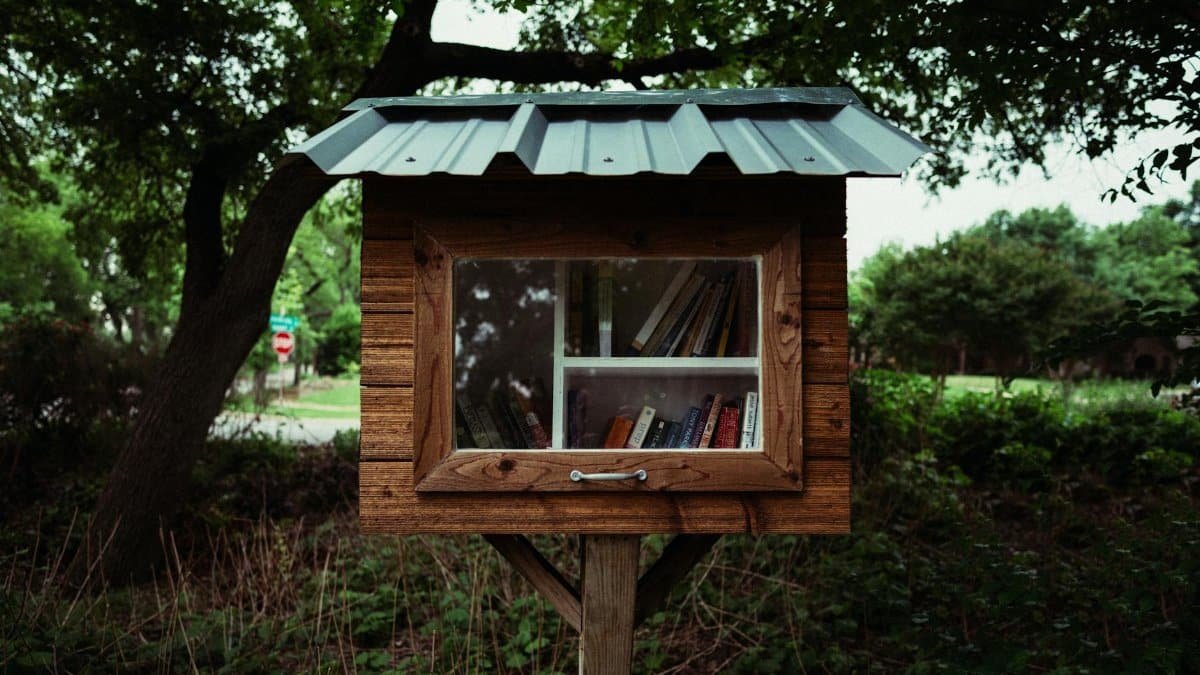
In the shadow of the San Gabriel Mountains, the Altadena branch of the Los Angeles County Library has transformed into something far more than a repository for dusty volumes. On a recent Saturday, dozens of neighbors queued up for power tools, lawnmowers and pressure washers, checking them out just like a worn copy of a bestseller. This tool lending initiative, part of a broader wave of library programs across the country, signals a quiet revolution in the sharing economy. As rising costs squeeze household budgets, public libraries are stepping in with practical alternatives to outright ownership, fostering community ties while cutting waste. From seeds to ukuleles, these efforts prove that libraries remain vital hubs of resource equity.
Altadena’s Tool Arsenal Builds Neighborly Skills

Launched in 2018, the Altadena Community Tool Library stocks over 1,200 items, from socket sets to rototillers. Borrowers pay a modest annual membership fee, often covered by donations, and return gear cleaned and ready for the next user. Librarian Maria Gonzalez notes that usage has tripled since opening, with popular requests spiking during home improvement seasons. “People discover they don’t need to buy that one drill they’ll use twice,” she says. This model reduces landfill clutter and democratizes access to expensive equipment, echoing the ethos of early 20th-century co-ops but powered by public funding.
Seattle’s Seed Libraries Sow Sustainable Gardens
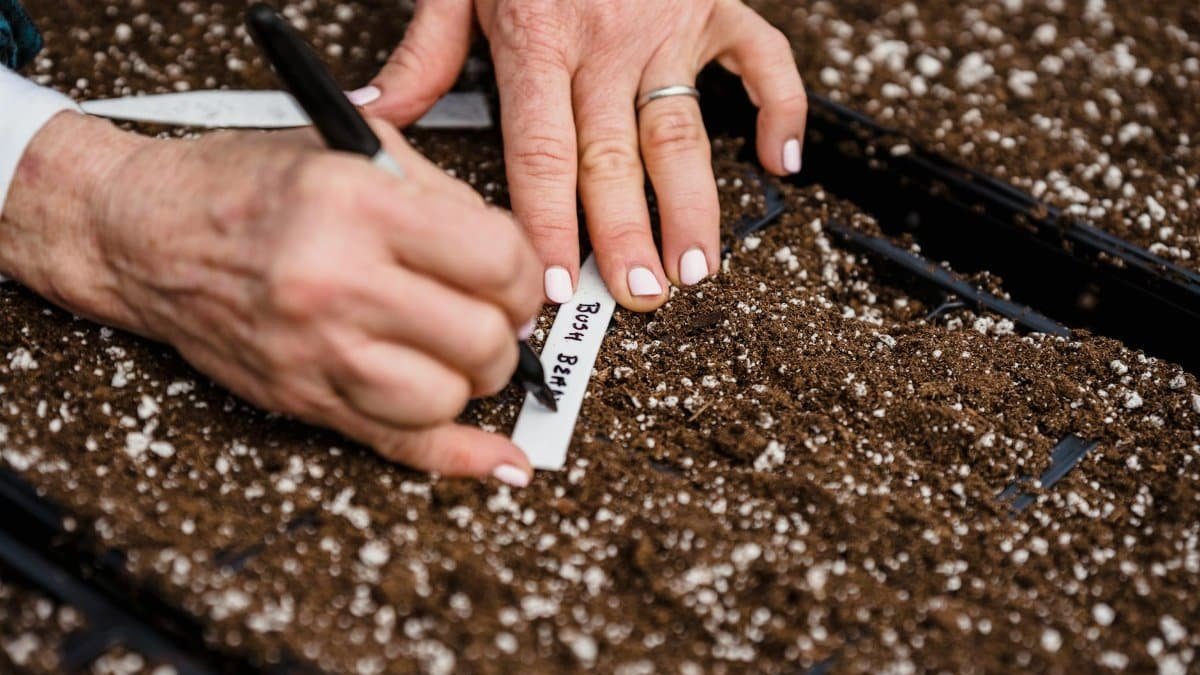
In Seattle’s Fremont neighborhood, the public library’s seed library program lets patrons borrow packets of heirloom tomatoes, kale and basil, then return seeds harvested from their yields. Started in 2014 by volunteer master gardeners, it has distributed thousands of packets yearly. Amid urban food deserts, this initiative promotes self-sufficiency; participants report higher veggie consumption and lower grocery bills. A 2022 University of Washington study on similar programs found participants grew 20 percent more produce on average (uw.edu study). It’s a simple loop: borrow, grow, replant, share.
Chicago’s Laptop Checkout Bridges the Digital Divide
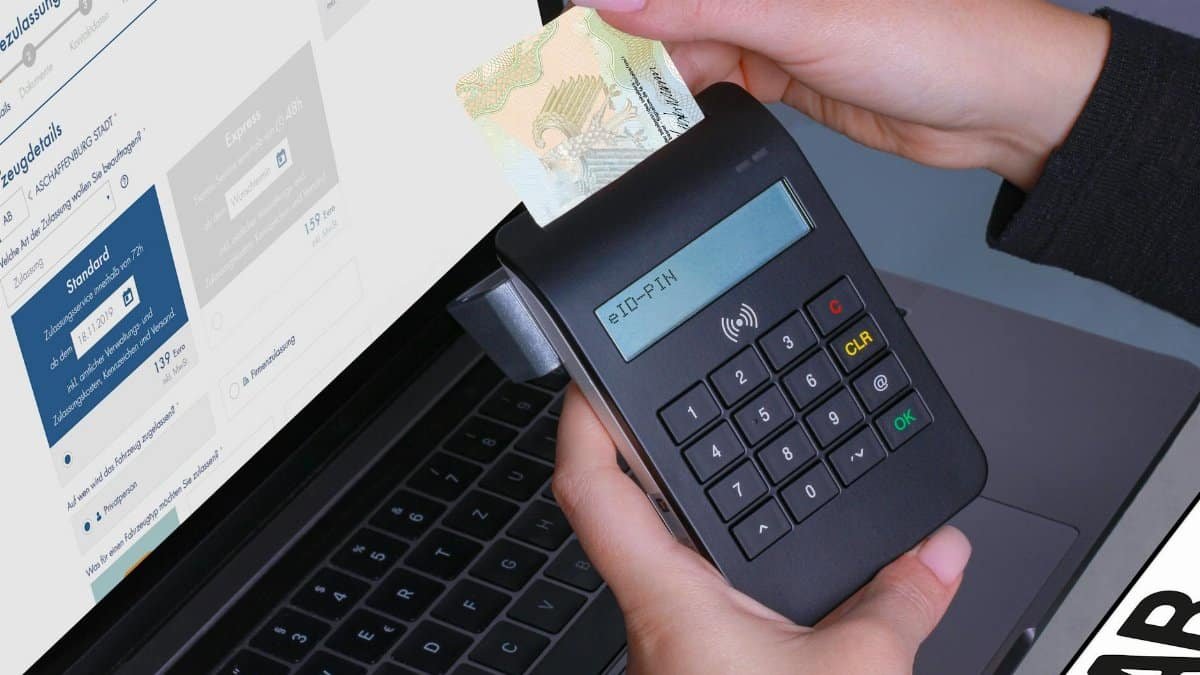
The Chicago Public Library’s “Tech on Loan” lets cardholders take laptops, hotspots and cameras for up to three weeks. In neighborhoods like Englewood, where 40 percent lack home broadband, this fills a critical gap for job searches and remote learning. Since 2020, circulation has surged 150 percent, per library data. One borrower, a recent immigrant, credits it with landing her first remote gig. By circulating high-end devices worth thousands, these library programs extend taxpayer value far beyond bookshelves.
Berkeley’s Makerspace Sparks DIY Innovation

At Berkeley Public Library’s downtown branch, the Tool Lab and makerspace offer 3D printers, laser cutters and sewing machines for free workshops. Teens and seniors alike craft prototypes or repair gadgets, guided by staff engineers. A flagship program pairs novices with mentors for bike rebuilds, yielding dozens of refurbished cycles donated locally. This hands-on approach counters consumerism, teaching skills that last lifetimes. Enrollment doubled post-pandemic, reflecting a hunger for tangible creation amid virtual overload.
Denver’s Bike Library Pedals Toward Mobility Equity
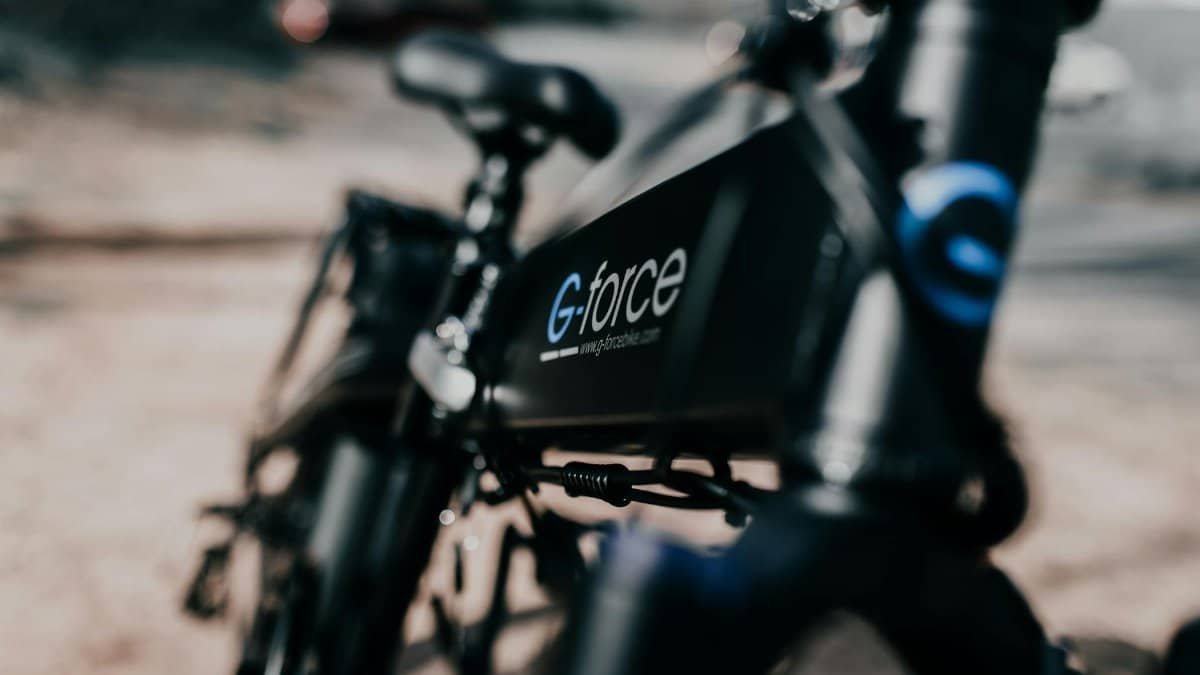
Denver Public Library’s Congress Park branch runs a bike lending library with 50 bicycles, helmets and locks available for monthlong loans. Aimed at low-income riders, it includes tune-up clinics where volunteers teach maintenance. Riders have logged over 10,000 miles since 2019, cutting car dependency and emissions. “It’s freedom on two wheels,” says program coordinator Jamal Ruiz. Partnerships with local bike shops provide free repairs, weaving the library into the city’s active transportation fabric.
Austin’s Art Supply Exchange Fuels Creativity

In Austin’s Chestnut neighborhood, the public library hosts an art supply lending library stocked with paints, canvases and pottery wheels. Artists check out kits for projects, returning cleaned items to keep the cycle going. Monthly swap meets draw hundreds, turning surplus materials into communal treasure. This program has inspired a mural series adorning library walls, blending borrowing with public beautification. For hobbyists squeezed by supply costs, it’s a canvas without the cash crunch.
Portland’s Board Game Rentals Host Connection Nights

Portland’s Albina branch library lends over 400 board games, from Catan to pandemic era favorites, complete with player guides. Weekly “Game Night” events pack the space, drawing families fractured by screen time. Circulation hit 5,000 checkouts last year, with feedback praising reduced isolation. “Strangers become friends over a roll of the dice,” one regular shares. These library programs revive analog joy, proving shared play trumps solitary scrolling.
Somerville’s Instrument Lending Tunes Up Talent

Near Boston, Somerville Public Library’s Musician’s Resource loans guitars, violins and amplifiers for six-week trials. Aspiring players access lessons via app tie-ins, building skills without upfront investment. A youth cohort has formed a library band, performing at community fairs. Demand outstrips supply, prompting expansion grants. In an era of pricey gear, this opens doors to expression for all incomes.
Detroit’s Community Kitchen Cooks Up Collaboration
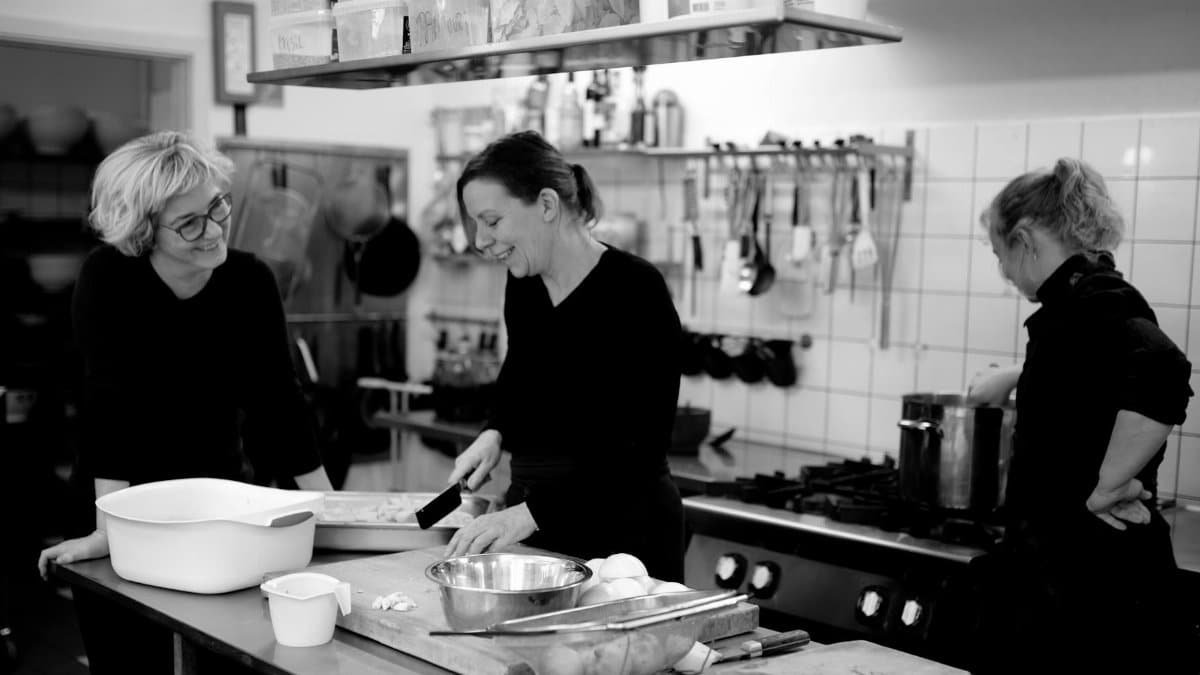
Detroit Public Library’s Skillman branch equips a demonstration kitchen for cooking classes and tool lending, including mixers and pressure cookers. Programs focus on affordable, healthy meals using library cookbooks. Participants share recipes, forming food co-ops. Post-launch in 2021, attendance tripled, correlating with lower reported food insecurity in surveys. It’s nourishment redefined: ingredients borrowed, knowledge exchanged, meals multiplied.
Philadelphia’s Skill-Share Workshops Empower Locals

In Philadelphia’s Logan Square Library, free workshops teach resume writing, coding basics and home budgeting, with loaned laptops on site. Series run monthly, partnering with nonprofits for certifications. Over 2,000 residents have participated since 2017, many advancing careers. “Libraries aren’t just about reading anymore,” says director Elena Torres. These programs position public spaces as launchpads for economic mobility.
New York’s Little Free Pantry Networks Feed Hope
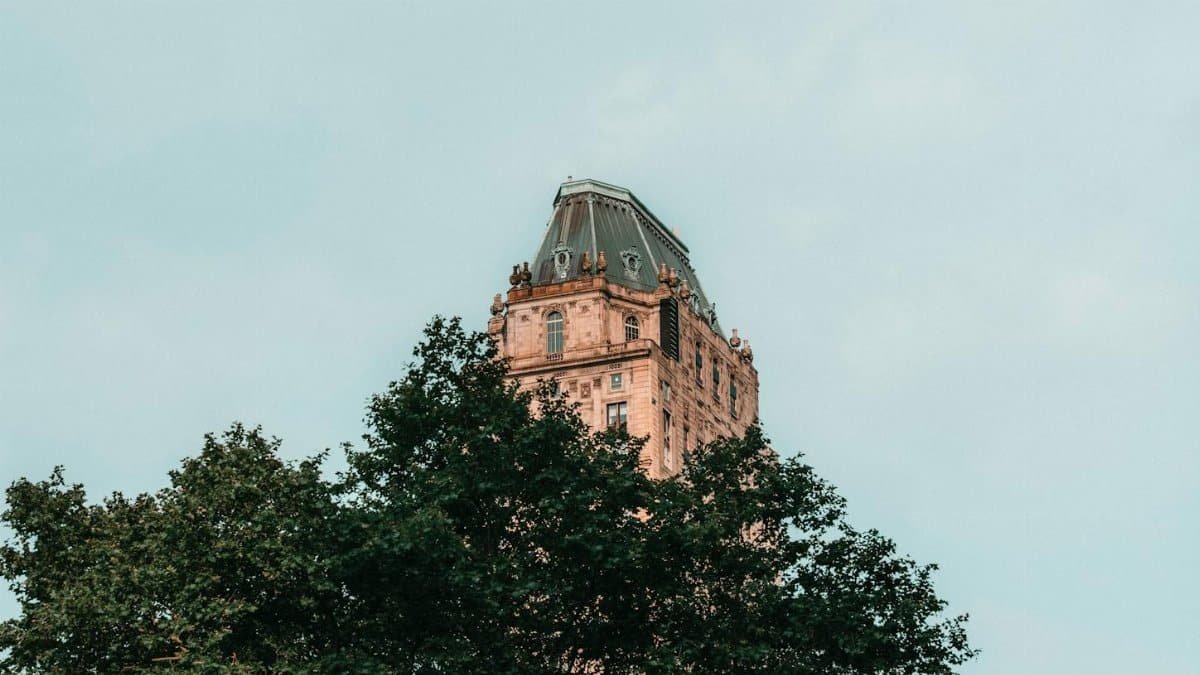
Manhattan’s Jefferson Market Library anchors a network of pantries stocked via community donations, with library programs coordinating distributions. Patrons “take what you need, leave what you can,” from canned goods to hygiene items. During shortages, usage soared, sustained by volunteer audits. This hyperlocal sharing embodies the sharing economy’s promise: trust over transactions, abundance through giving.
Across these 11 examples, library programs reveal a blueprint for resilient communities. By lending what people use sporadically, libraries slash expenses and build bonds, challenging the buy-now ethos. As budgets tighten and climate concerns mount, expect more branches to join the movement, proving the public library’s relevance endures.