
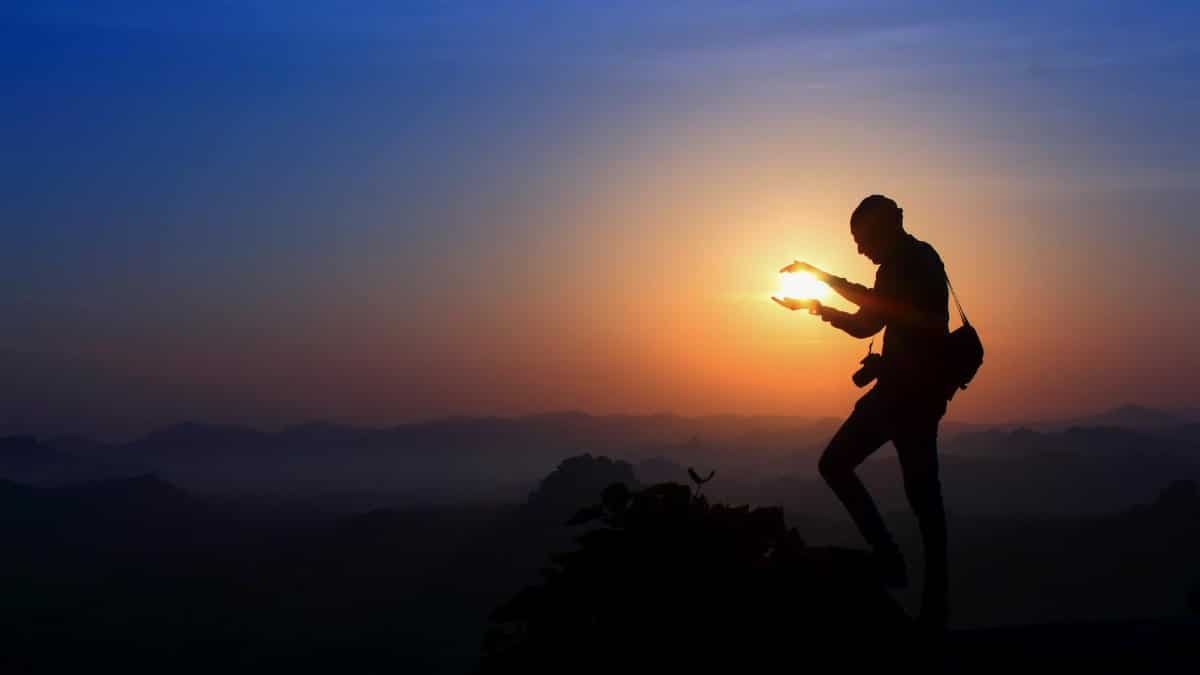
A recent study from the American Psychological Association revealed that nearly 40 percent of adults report feeling overwhelmed by daily decisions, up from 25 percent a decade ago. This surge highlights a growing crisis of mental overload, decision fatigue, and the elusive search for clarity in our hyper-connected world. Amid constant notifications and endless choices, from what to eat to how to respond to emails, many Americans are hitting a wall. Yet, there’s hope in unexpected places. Certain locations offer respite, allowing the mind to reset and regain focus. These spots, scattered across everyday life, provide natural antidotes to the chaos, fostering moments of peace that can recharge our mental batteries. As we navigate 2025’s demands, understanding where to find this relief becomes essential for well-being.
1. Forest Trails
Deep in the woods, the air carries a crisp scent of pine and earth. Hikers often describe how the rhythmic crunch of leaves underfoot drowns out the mental chatter. Research from Stanford University shows that walking in nature reduces rumination, that endless loop of overthinking tied to decision fatigue. One anonymous account shared publicly online captured it well: a person felt their worries dissolve after just 30 minutes on a trail, emerging with sharper clarity. It’s not magic; it’s biology. Trees release phytoncides, compounds that lower stress hormones. In bustling cities like New York or Seattle, urban forests become sanctuaries. Next time overload hits, seek a path lined with green. The mind quiets, decisions simplify.
But what if the trail leads to unexpected insights? Sometimes, solitude sparks creativity, turning fatigue into fresh ideas. A middle-aged executive might wander off the path, pondering career shifts amid the trees. This isn’t escapism; it’s recalibration. Studies confirm nature exposure enhances cognitive function, making complex choices feel manageable again.
2. Coastal Beaches
Imagine the steady crash of waves pulling back the tide of thoughts. Beaches offer a vast horizon that mirrors inner expanses, easing mental overload. The National Institutes of Health notes that blue spaces, like oceans, promote relaxation through sensory immersion. Picture a family from Chicago escaping to Florida’s shores; the parents, burdened by work decisions, find solace in the sand. Laughter replaces lists as kids build castles. Clarity emerges not from forcing it, but from letting go.
Yet, beaches aren’t always serene. Storms can rage, much like internal turmoil. Still, even in rough weather, the sea’s persistence teaches resilience. One visitor recalled watching waves erode rocks, realizing their own fatigue was temporary. In 2025, with rising sea levels in mind, these spots remind us of nature’s power to heal and humble.
3. Mountain Summits

Atop a peak, the world shrinks, and so does the weight of choices. Elevation brings perspective, literally and figuratively. A Pew Research Center survey found that outdoor activities correlate with lower stress levels among middle-aged Americans. Climbers often speak of the “summit high,” where decision fatigue fades against panoramic views. It’s as if the altitude filters out the noise.
Consider the solo trekker pausing at dawn, breath visible in the chill. Doubts about life paths dissolve in the thin air. But descents matter too; they ground the experience. Sources like the National Institutes of Health link such elevations to improved mood regulation, turning overload into opportunity.
4. Quiet Libraries

Rows of books whisper promises of knowledge without demands. Libraries serve as havens where mental overload quiets amid hushed pages. The American Library Association reports increased visits for stress relief in recent years. A reader might settle into a worn chair, escaping the barrage of daily decisions. Clarity arrives through focused reading, one page at a time.
What draws people here? Perhaps the absence of screens, allowing undivided attention. An overheard conversation between patrons: “I come here to think straight.” It’s a simple ritual, yet profound. In urban hubs like Boston, these spaces evolve into community anchors, blending solitude with subtle connection.
5. Urban Parks
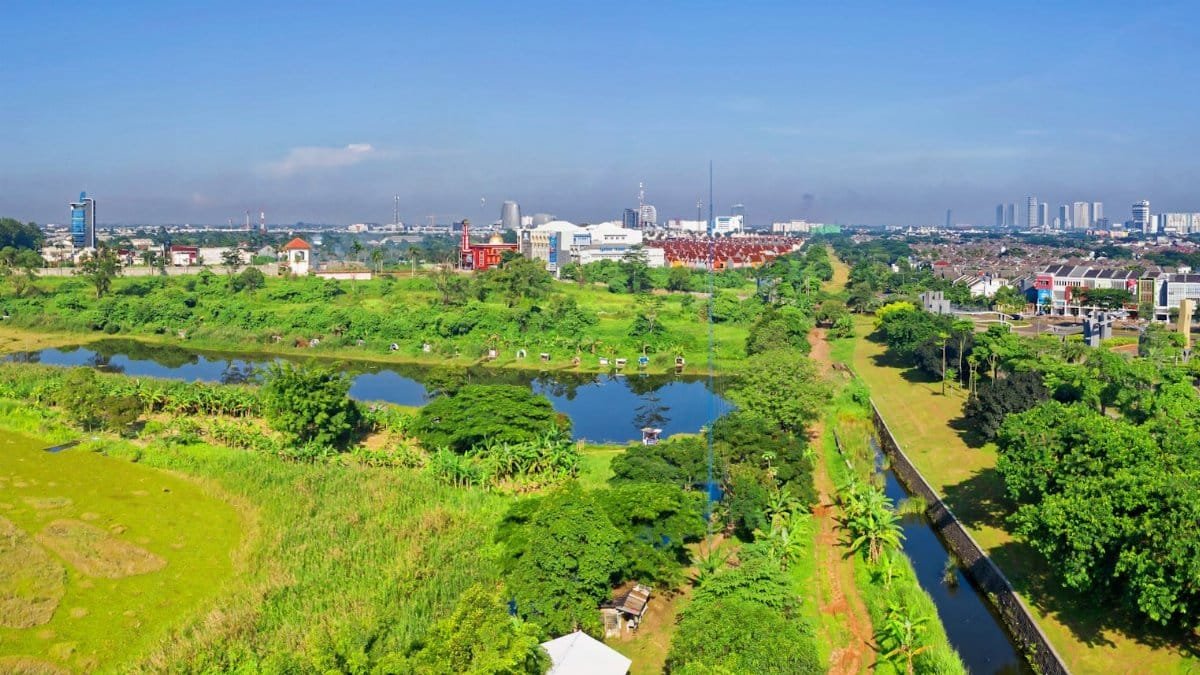
Amid city sprawl, parks carve out green oases. Central Park in New York exemplifies how manicured lawns and winding paths counteract decision fatigue. Studies from Harvard University indicate that even brief park visits boost mental clarity. Joggers weave through, shedding the day’s burdens with each step.
Yet, parks buzz with life—picnics, dogs, cyclists. This controlled chaos mirrors managed thoughts. One middle-aged woman described sitting on a bench, watching leaves fall, as her mind sorted priorities effortlessly. It’s democracy in action: accessible relief for all. As 2025 urbanizes further, these spots remain vital.
6. Home Gardens

Tending soil at home transforms backyards into personal retreats. The act of planting seeds diverts from mental overload, fostering patience and clarity. The USDA highlights gardening’s therapeutic benefits, reducing cortisol levels. Imagine pruning roses after a hectic day; decisions about work fade as focus shifts to growth.
But gardens demand care, teaching that fatigue stems from neglect. A novice gardener might start with herbs, discovering joy in small victories. Online, stories abound of how digging dirt unearthed inner peace. It’s intimate, grounding therapy right outside the door.
7. Cozy Cafes
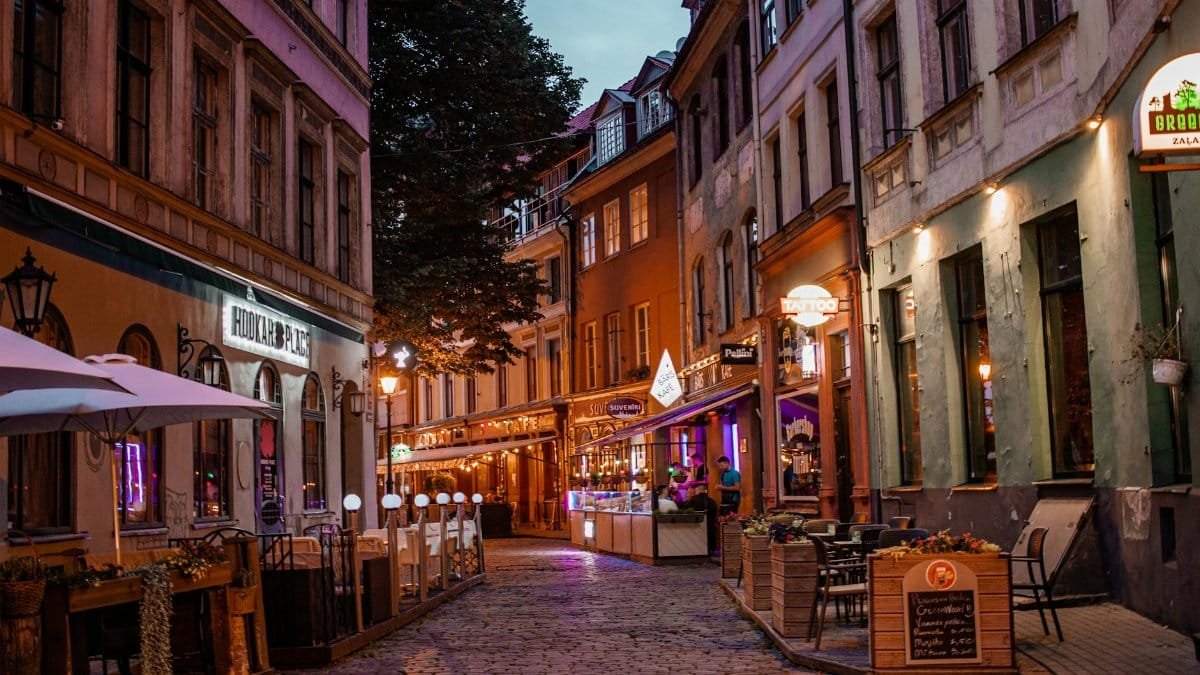
The hum of espresso machines and murmured chats create a comforting backdrop. Cafes invite lingering without pressure, easing decision fatigue through ambient energy. A report from the American Psychological Association ties social settings to emotional recovery. Patrons sip lattes, jotting notes as clarity crystallizes.
Sometimes, eavesdropping sparks ideas. Overhear a barista’s quip, and suddenly, your own choices clarify. In places like San Francisco’s indie spots, these venues blend solitude and society, perfect for middle-aged reflectors seeking balance.
8. Art Museums
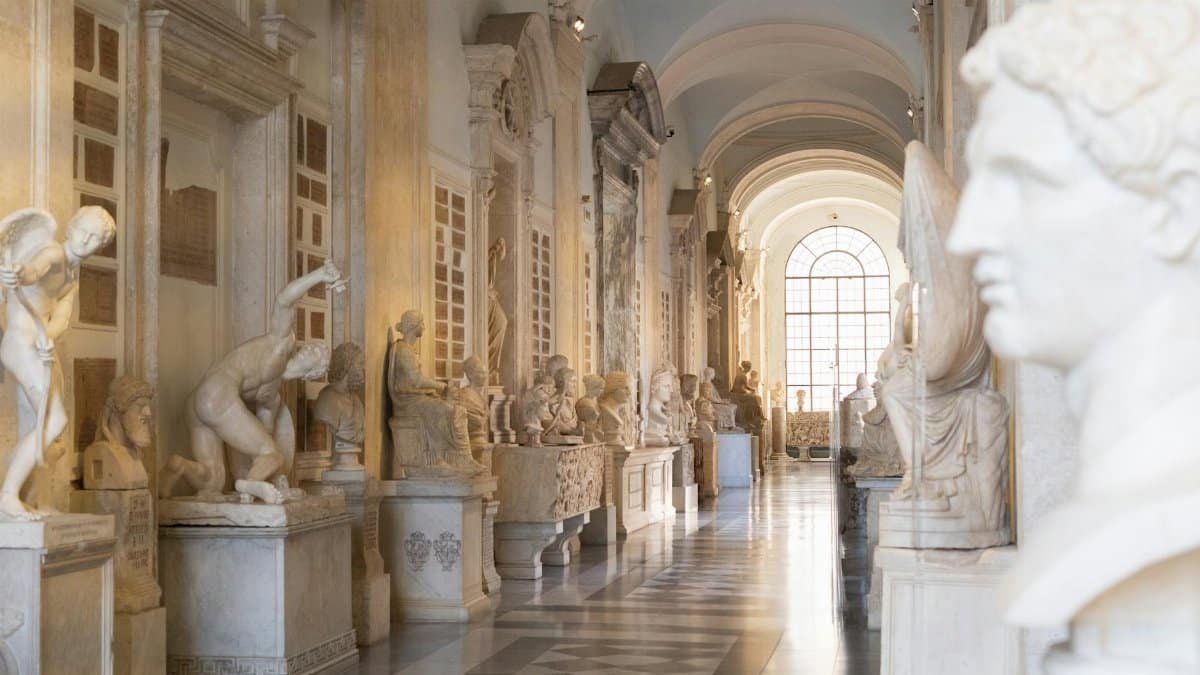
Strolling galleries, artworks provoke without demanding answers. Museums dilute mental overload by shifting focus to interpretation. The Smithsonian Institution notes cultural engagement aids cognitive rest. Viewers stand before a painting, letting emotions flow freely.
Contrast this with daily grind: no deadlines here. A visitor might ponder a sculpture, finding parallels to their life’s chaos. It’s subtle therapy, where clarity emerges from contemplation. In 2025, virtual tours expand access, but nothing beats the physical space.
9. Yoga Studios

Dim lights and soft mats welcome practitioners to unwind. Yoga addresses decision fatigue through mindful movement, as per findings from the National Center for Biotechnology Information. Poses build focus, breath by breath.
Instructors guide without judgment, allowing personal pace. One participant shared feeling “unburdened” post-session, decisions aligning naturally. Studios in cities like Los Angeles thrive, offering communal clarity amid individual journeys.
10. Walking Paths

Simple sidewalks or dedicated trails encourage aimless ambles. Walking combats mental overload, with research from the Centers for Disease Control and Prevention showing it enhances problem-solving. Steps accumulate, thoughts organize.
Picture evening strolls in suburban neighborhoods; neighbors nod, fostering light connection. Fatigue lifts as rhythm takes over. It’s free, flexible relief, adaptable to any schedule in our fast-paced era.
11. Secluded Home Corners
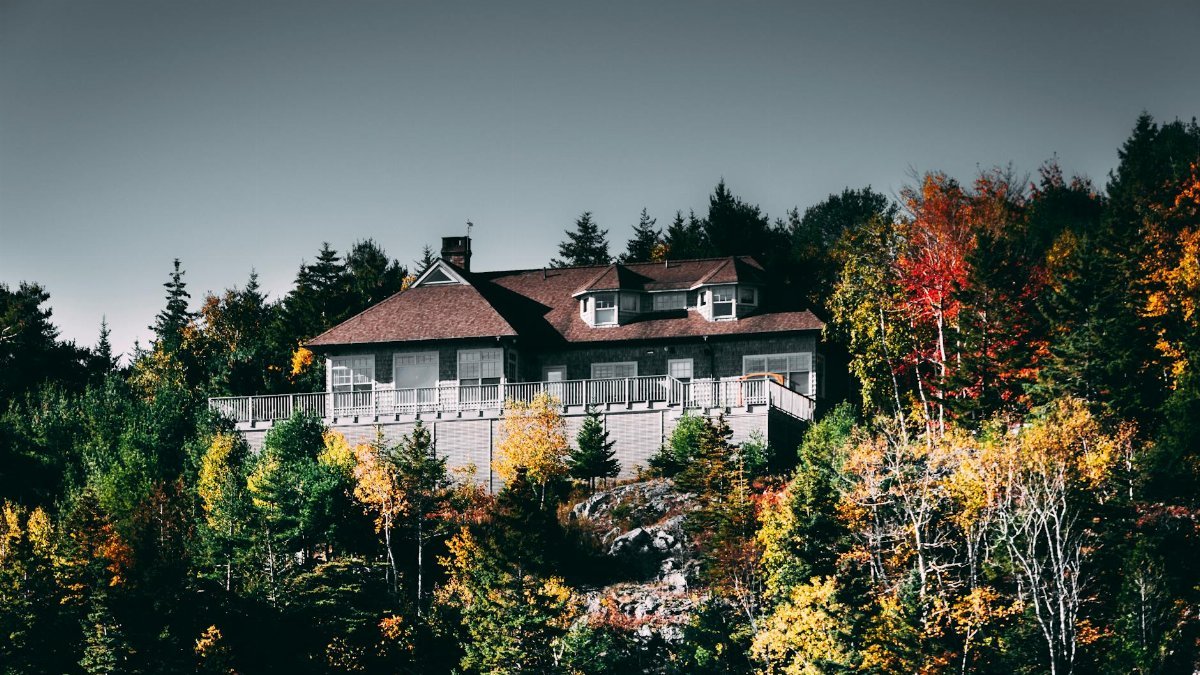
A quiet nook at home, perhaps with a favorite chair and lamp, becomes a sanctuary. Personal spaces allow unfiltered reflection, easing clarity’s pursuit. Psychological studies emphasize environment’s role in mental health. Customize it: add plants, dim lights.
Here, without distractions, decisions distill. A reader curls up with tea, emerging refreshed. It’s the ultimate accessible spot, reminding us relief often starts within familiar walls. As overload persists in 2025, these corners prove indispensable.