

A recent study from the American Psychological Association revealed that nearly 60% of Americans report experiencing decision fatigue on a weekly basis, a jump from just a decade ago amid the relentless pace of digital life. This surge highlights how mental overload creeps in, clouding judgment and sapping energy. Yet, there’s a counterforce: seeking out spaces that foster clarity. These aren’t always grand escapes; sometimes, they’re right in our backyards or daily routines. As we navigate 2025’s demands, from endless notifications to high-stakes choices, pinpointing locations where mental overload eases becomes essential. It’s about reclaiming that mental space where decisions feel less burdensome and thoughts align more freely. This article explores 11 such havens, drawing on insights from psychology and real-world observations, showing how they shift focus from achievement to emotional safety.
1. Forest Trails
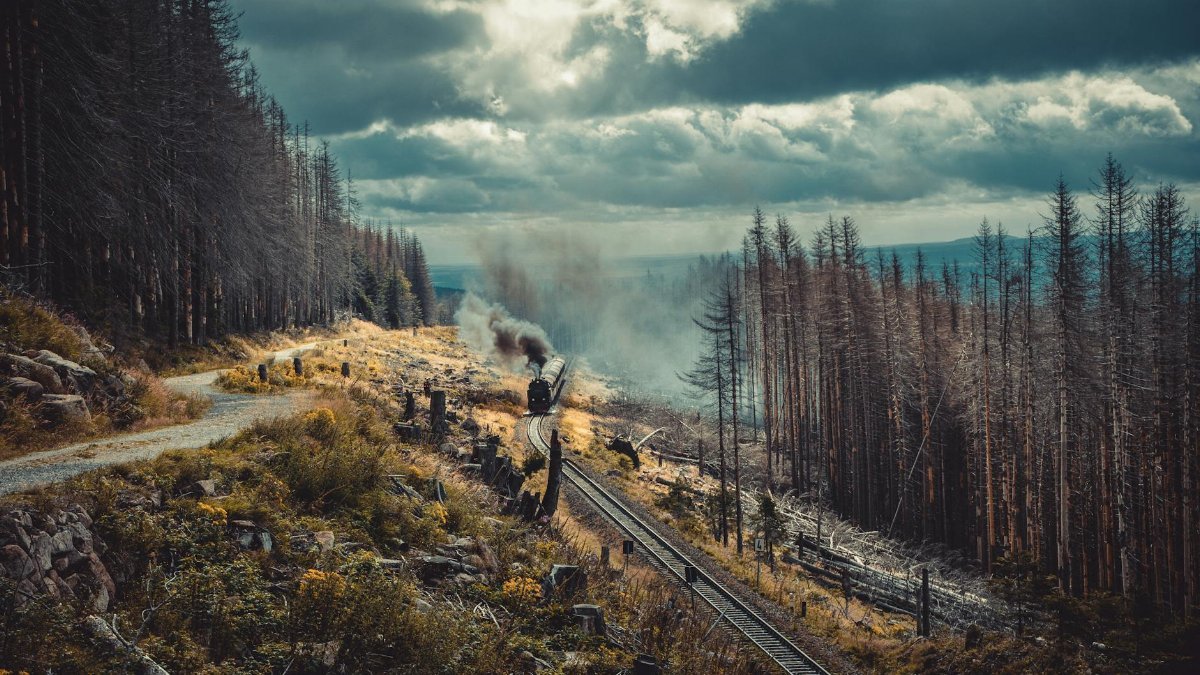
Step onto a shaded path in a national park, and the world simplifies. Leaves rustle underfoot, birds call sporadically, and suddenly, the barrage of daily decisions fades. Researchers have long noted how immersion in nature combats mental overload. One woman, reflecting on her hikes in the Appalachian Trail, described it as “peeling away layers of noise until only essentials remain.” It’s not just poetic; science backs it. A study published in the journal Frontiers in Psychology found that forest walks reduce cortisol levels, easing decision fatigue by restoring cognitive resources. In these green corridors, ego-driven pressures dissolve, replaced by a grounded clarity. Conversations with hikers often reveal this shift: one recounted ditching a stressful job after a trail epiphany, prioritizing inner peace over promotions.
The appeal lies in the lack of choices. No emails pinging, no menus to scan. Instead, the trail dictates the pace, allowing thoughts to wander without agenda. For middle-aged professionals juggling careers and family, this respite proves transformative. It’s a reminder that emotional safety thrives in simplicity, far from the achievement chase.
2. Secluded Beaches

Imagine the ocean’s rhythmic crash, sand warm between toes, horizon stretching endlessly. Beaches like those along California’s Big Sur coast offer a profound antidote to mental clutter. Here, decision fatigue evaporates as waves wash away overthinking. A 2023 report from the American Psychological Association underscores how blue spaces enhance mental clarity, with participants reporting sharper focus after time by the sea.
One anonymous account shared publicly captured this: feeling buried under work emails, the individual escaped to a quiet shore, emerging with renewed perspective. “It was like the tide pulled out my worries,” they noted. Such stories illustrate beaches as equalizers, where status symbols mean nothing against the vast water. For those in ego awareness journeys, these spots encourage letting go, valuing presence over productivity. The sensory immersion—salt air, distant gulls—grounds the mind, fostering decisions rooted in intuition rather than exhaustion.
3. Mountain Summits
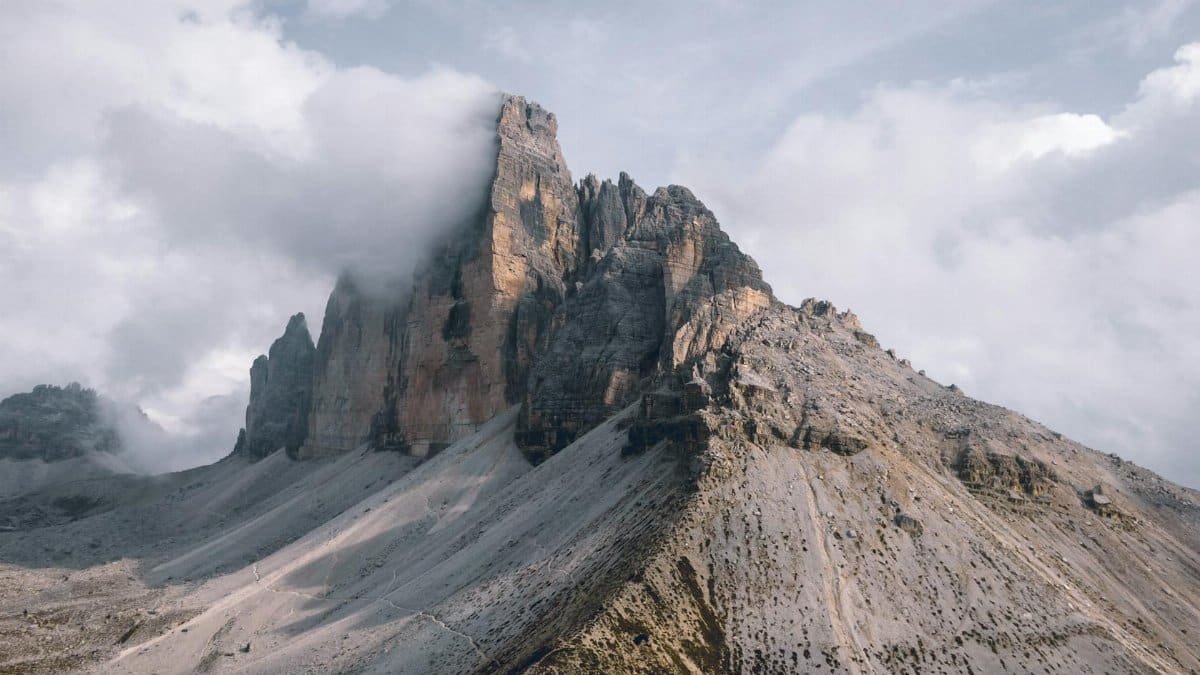
Climbing to a peak, breath labored, views unfolding below, brings an unparalleled sense of scale. Mountains, from the Rockies to the Smokies, strip away trivial concerns, easing mental overload through physical exertion and perspective. It’s no coincidence that many report breakthroughs here; the altitude metaphorically lifts the fog of decision fatigue.
Consider the hiker who, atop Colorado’s Longs Peak, realized a career pivot wasn’t failure but growth. This aligns with findings from the National Institutes of Health, where outdoor elevation experiences correlate with reduced anxiety and improved clarity. The isolation demands focus on the present, sidelining ego’s demands. Transitions feel natural: one moment struggling uphill, the next basking in accomplishment, all without the noise of daily life. In 2025, as remote work blurs boundaries, these summits serve as vital resets, emphasizing emotional safety amid ambition’s pull.
4. Quiet Libraries

Amid towering shelves and hushed whispers, libraries transform into sanctuaries of focus. Places like the New York Public Library invite deep dives into books, where mental overload dissipates page by page. No urgent pings, just the turn of a leaf, combating decision fatigue through structured solitude.
A regular patron once shared how browsing history sections clarified a personal dilemma, the quiet amplifying inner voice. This echoes research from Pew Research Center, noting libraries’ role in fostering lifelong learning and mental respite. Sections vary: some linger in fiction for escape, others in self-help for insights on clarity. The atmosphere encourages ego awareness, questioning achievements in favor of genuine curiosity. It’s a space where time slows, decisions marinate, and overload gives way to thoughtful reflection.
5. Urban Parks
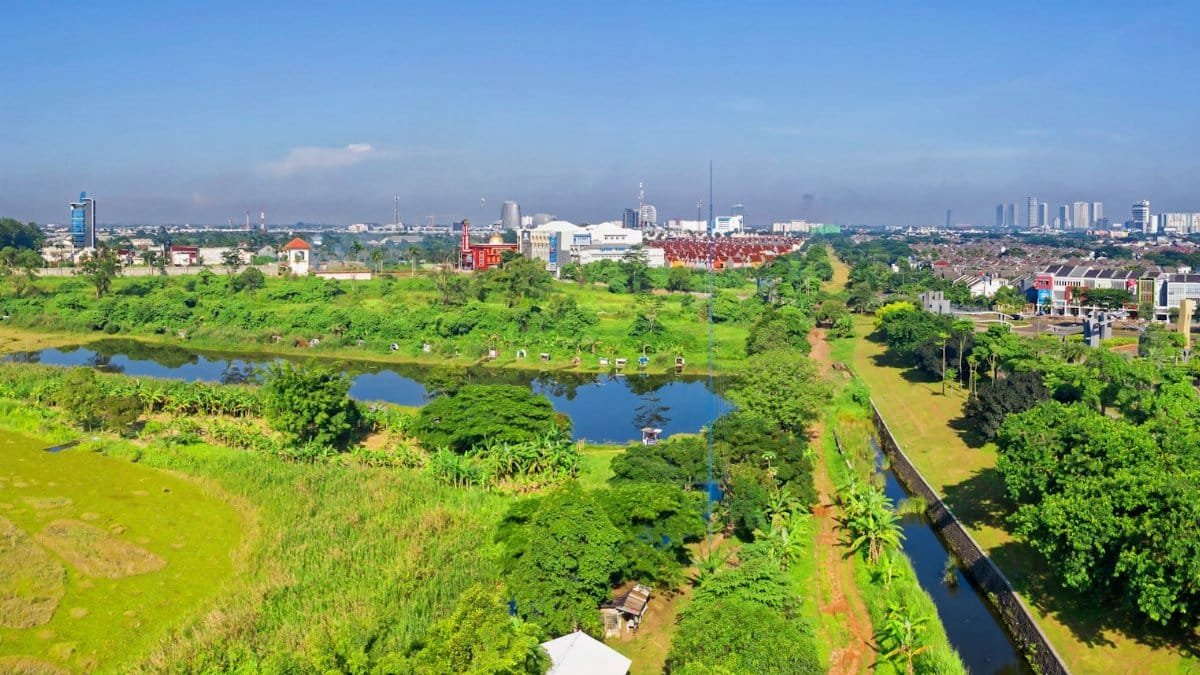
Central Park in New York buzzes with life yet carves out pockets of peace. Benches under oaks, paths winding past ponds—these green oases in concrete jungles ease mental burdens effortlessly. For city dwellers facing constant stimuli, parks provide quick relief from decision fatigue.
Picture a midday stroller pausing by a fountain, thoughts untangling amid the spray. Online forums buzz with similar tales: one user described park visits as “mental palate cleansers,” restoring clarity for tough choices. Studies support this; the NIH links urban green spaces to lower stress markers. Here, ego takes a backseat—joggers, readers, all equal in respite. The blend of nature and accessibility makes it ideal for 2025’s hybrid lifestyles, where emotional safety means stealing moments amid chaos.
6. Cozy Home Corners

That favored armchair by the window, blanket draped, book in hand—home offers intimate escapes from overload. Personalizing a nook turns it into a clarity haven, where decision fatigue melts in familiarity.
One individual transformed a spare room into a reading retreat, finding solace after long workdays. “It became my clarity cocoon,” they reflected. This personal touch aligns with psychological insights on environmental control reducing cognitive strain. Without external pressures, ego awareness flourishes, shifting from achievement metrics to self-compassion. Simple rituals, like brewing tea, anchor the mind, making home a foundational spot for mental ease.
7. Independent Cafes

Local coffee shops, with their aroma of fresh brews and soft chatter, foster unhurried thinking. Spots like Seattle’s indie haunts allow lingering over lattes, decisions emerging organically amid the hum.
A writer once jotted notes in such a cafe, unraveling a creative block. Research from environmental psychology highlights how ambient noise boosts focus, countering overload. These venues blend solitude and subtle community, easing fatigue without isolation. In pursuing clarity, they remind us that emotional safety often brews in everyday settings, away from high-stakes arenas.
8. Art Museums
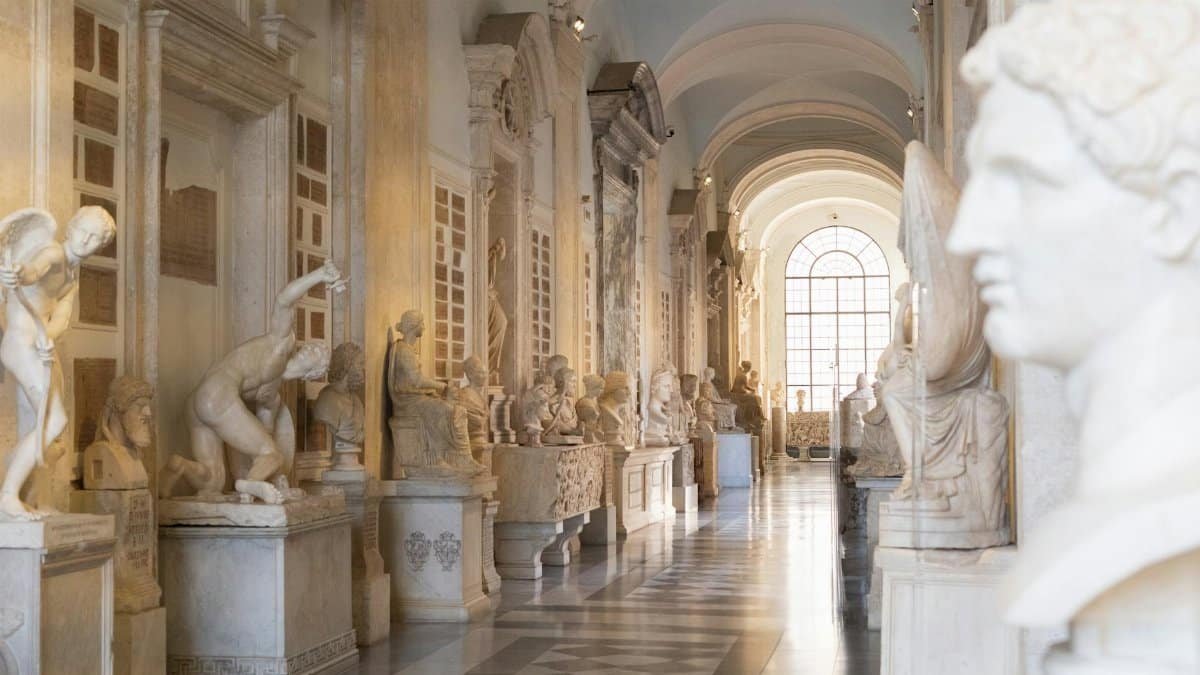
Wandering galleries, eyes on canvases, museums like the Met provoke introspection. Art’s ambiguity challenges yet soothes, dissolving mental clutter through visual dialogue.
Visitors often emerge with fresh perspectives; one described a Rothko painting as “a mirror to my fatigue.” Studies link cultural engagement to enhanced well-being. Here, ego steps aside for interpretation, clarity arising from contemplation rather than conquest.
9. Yoga Studios

Mats unrolled, breaths synchronized, yoga spaces guide bodies and minds toward balance. Instructors cue poses that release tension, directly tackling decision fatigue.
A practitioner found post-class clarity pivotal for life changes. Evidence from health journals confirms yoga’s stress-reduction benefits. These studios prioritize presence, aligning with ego awareness by valuing process over perfection.
10. Botanical Gardens
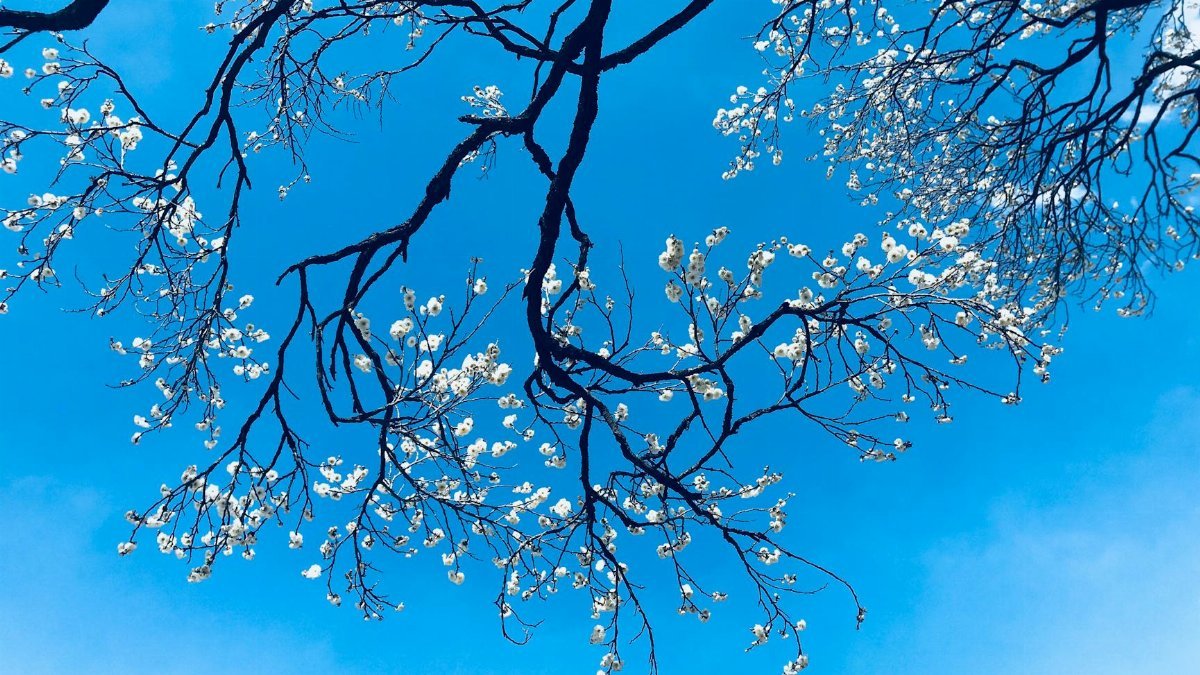
Amid blooming paths and exotic plants, gardens like those in Brooklyn offer sensory delight. The ordered beauty calms overload, inspiring mindful wandering.
One visitor noted how tending thoughts amid flora clarified priorities. Botanical settings enhance mood, per ecological studies. They teach patience, easing the rush toward achievement.
11. Empty Churches or Temples
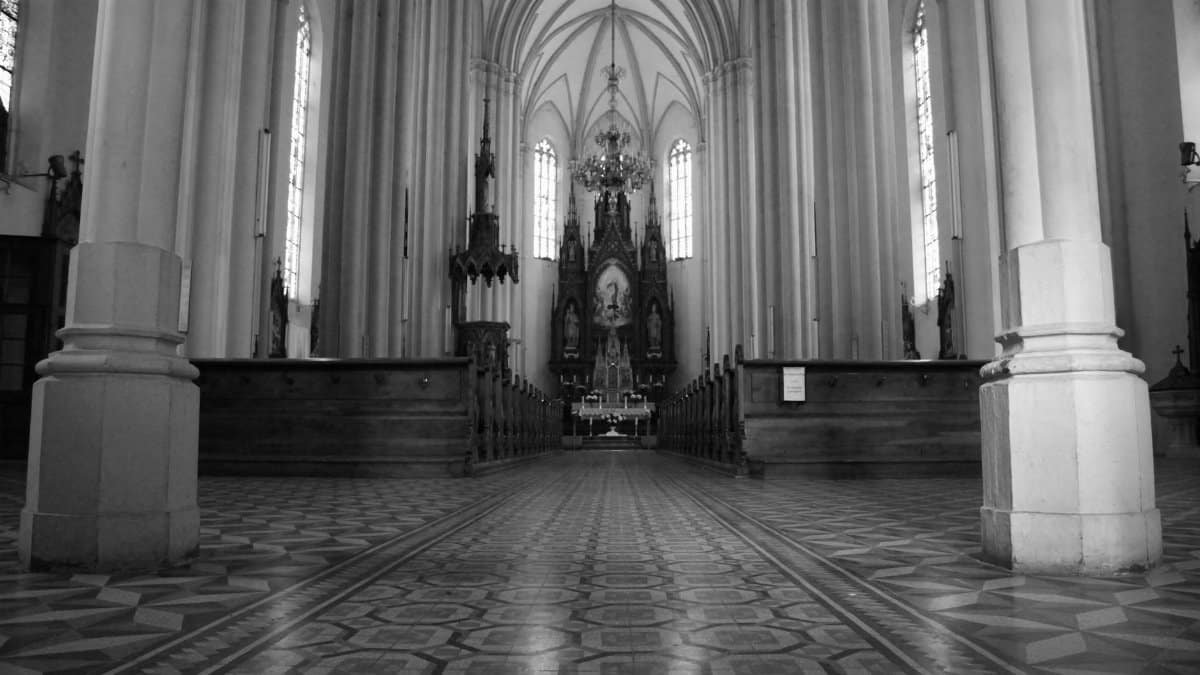
In the stillness of sacred spaces, whether a small chapel or temple hall, reflection deepens. These venues, open to all, provide pause from daily grind.
Seekers report profound clarity here, unburdened by decisions. Spiritual psychology notes such environments foster inner peace. Ultimately, they underscore emotional safety as the true sanctuary, beyond ego’s grasp.