

A recent study from the American Psychological Association revealed that nearly 60% of Americans report experiencing decision fatigue on a weekly basis, up from 45% just five years ago. This surge highlights a growing struggle with mental overload, where the constant barrage of choices—from what to eat for breakfast to navigating complex work decisions—leaves many feeling drained and foggy. But amidst this chaos, certain locations stand out as unexpected sanctuaries, places where the mind can unwind and clarity emerges. These spots aren’t always grand escapes; sometimes, they’re right in our daily paths. As we step into 2025, understanding these havens could be key to reclaiming mental space in an increasingly demanding world.
1. Quiet Libraries Amid Urban Buzz

In the heart of bustling cities like New York or Chicago, libraries offer a refuge from the sensory assault outside. Picture stepping through heavy doors into a space where silence reigns, broken only by the soft rustle of pages. Here, mental overload begins to dissipate as the need for quick decisions fades. No emails pinging, no ads vying for attention. Instead, one can simply browse shelves or settle into a worn chair with a book. Research from the American Psychological Association’s stress resources underscores how such low-stimulation environments reduce cognitive strain, allowing clarity to surface naturally. One anonymous account shared online described sinking into a library corner after a hectic day, feeling the fog lift as thoughts realigned without pressure.
This isn’t just about escaping noise; it’s a deliberate pause. Libraries encourage aimless exploration, countering decision fatigue by removing the urgency of choice. Visitors often emerge refreshed, with sharper focus for the tasks ahead.
2. Serene Forest Trails

Deep in national parks like Yosemite or the Appalachian Trail, forest paths invite a different kind of immersion. The air thick with pine scent, leaves crunching underfoot—these elements ground the senses, pulling focus away from internal clutter. Mental overload eases as walkers tune into the rhythm of their steps, decisions limited to which fork to take, if any. Studies from the U.S. Forest Service highlight how time in nature lowers cortisol levels, fostering clarity amid decision fatigue.
Consider a hiker who, overwhelmed by career crossroads, finds answers emerging during a solo trek. The simplicity of the trail strips away distractions, revealing insights that urban life buries. It’s a reminder that sometimes, stepping into the woods resets the mind’s overloaded circuits.
3. Coastal Beaches at Dawn

Early morning on beaches along the California coast or Florida’s shores brings a unique calm. Waves lap steadily, the horizon vast and empty. Here, the repetitive sound of surf acts like a natural meditation, washing away the residue of daily decisions. Mental overload, decision fatigue, clarity—these concepts play out vividly as one sits on the sand, free from the pull of notifications or schedules.
Anecdotes abound of people arriving frazzled, only to leave with renewed perspective. The NIH’s research on mindfulness, detailed in their mindfulness health information page, supports how such settings enhance emotional regulation. Dawn’s light symbolizes fresh starts, making beaches ideal for those seeking mental reset.
Yet, it’s not always serene; a sudden gull’s cry can jolt, mirroring life’s unpredictability, but even that adds to the grounding effect.
4. Cozy Home Kitchens

Back in one’s own kitchen, perhaps in a suburban home in Texas or a city apartment in Seattle, simplicity reigns. Chopping vegetables or stirring a pot demands focus but not overwhelming choice. This domestic space counters mental overload by channeling energy into tactile tasks, where decisions are straightforward: salt or no salt?
It’s here that many report breakthroughs in clarity. A parent, juggling work and family, might find decision fatigue melting away while baking bread, the process therapeutic. Pew Research Center’s surveys on daily routines, accessible via their family life reports, note how home-based activities bolster well-being in 2025’s fast-paced environment.
5. Local Coffee Shops Off-Peak

Away from rush hours, neighborhood cafes in places like Portland or Boston become havens. The hum of an espresso machine, the aroma of fresh brews—these create a gentle backdrop without demanding interaction. Patrons can sip slowly, jotting notes or simply staring out the window, easing into clarity as mental overload subsides.
One story recalls a freelance writer escaping deadline pressures, finding ideas flowing freely amid the low-key vibe. It’s a subtle shift, but effective against decision fatigue.
Transitions between sips allow thoughts to settle, turning chaos into order.
6. Community Gardens
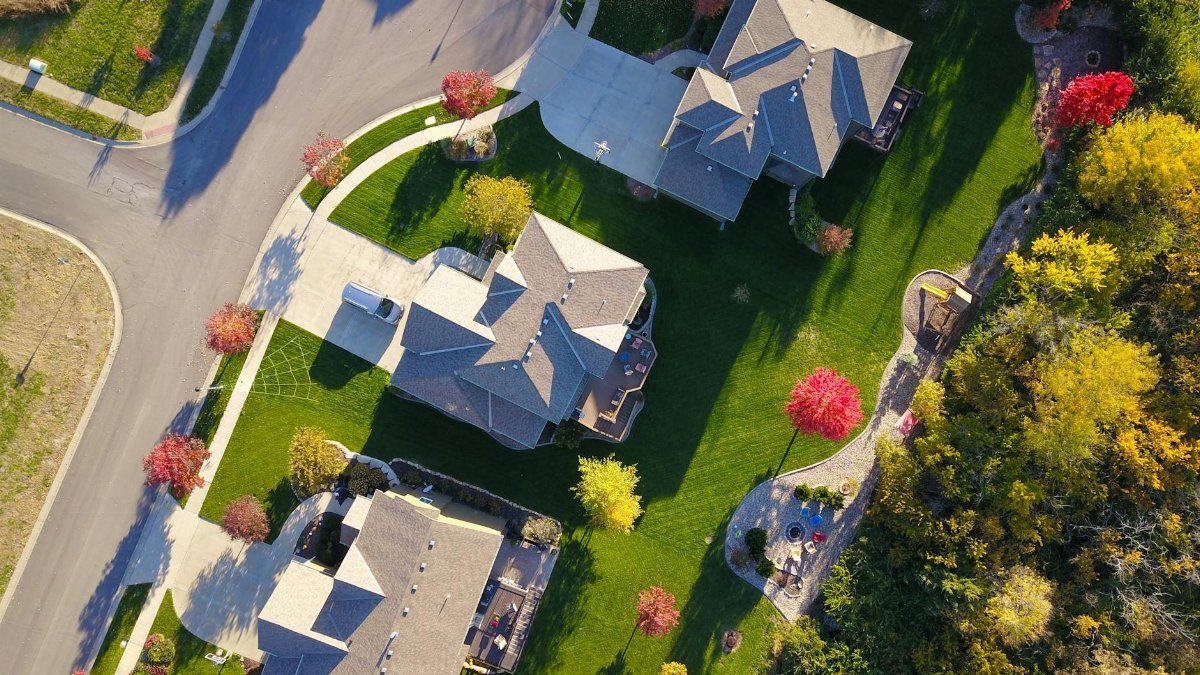
In urban plots from Detroit to San Francisco, community gardens offer hands-on relief. Digging soil, planting seeds—these acts require decisions, but they’re grounded and immediate, not abstract. Mental overload fades as participants connect with earth and neighbors, fostering communal clarity.
Imagine a retiree, burdened by life’s what-ifs, discovering peace while weeding. Such experiences align with findings from environmental psychology, emphasizing nature’s role in cognitive recovery.
7. Museum Halls on Weekdays
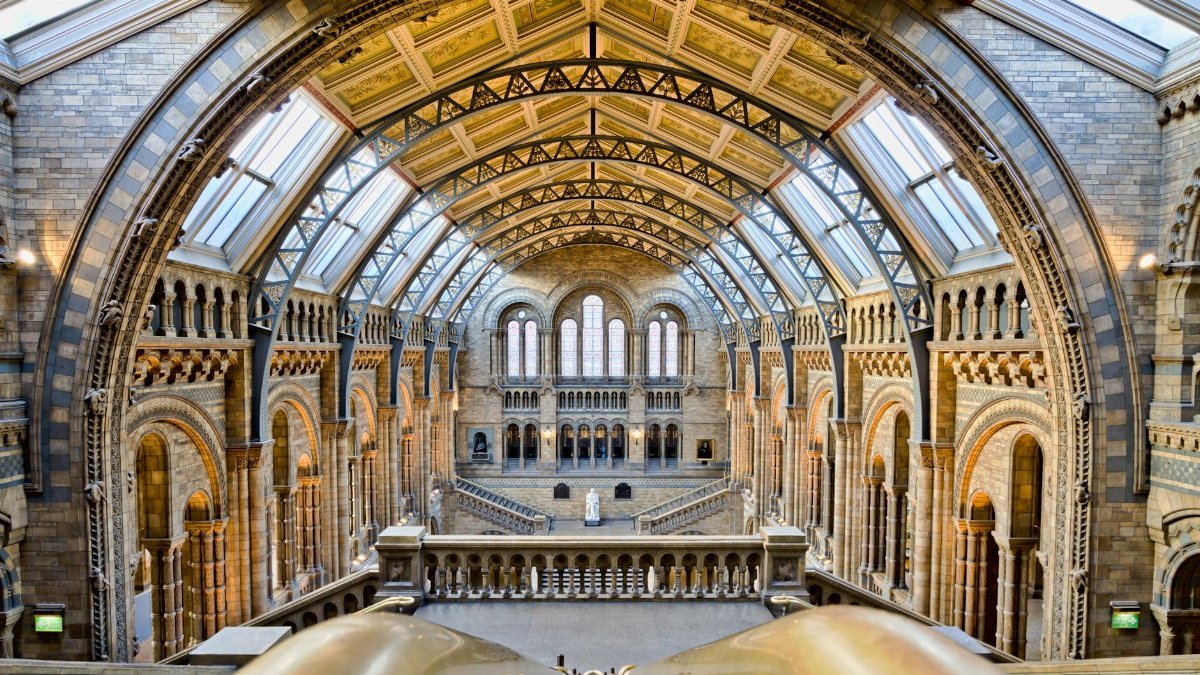
Midweek visits to museums like the Smithsonian or the Getty provide intellectual respite. Wandering galleries, absorbing art without agendas, quiets the mind’s chatter. Here, decision fatigue lessens as one engages passively, clarity emerging from contemplation.
A visitor might stand before a painting, thoughts untangling organically. It’s a space where overload transforms into inspiration.
8. Yoga Studios During Gentle Classes

In studios across Denver or Miami, gentle yoga sessions emphasize breath over exertion. Poses guide focus inward, dissolving mental overload through mindful movement. Clarity arrives as decisions narrow to the present moment.
Participants often describe post-class epiphanies, free from fatigue’s grip. This ties into broader wellness trends in 2025.
The mat becomes a metaphor for boundaries, containing chaos effectively.
9. Park Benches in the Afternoon
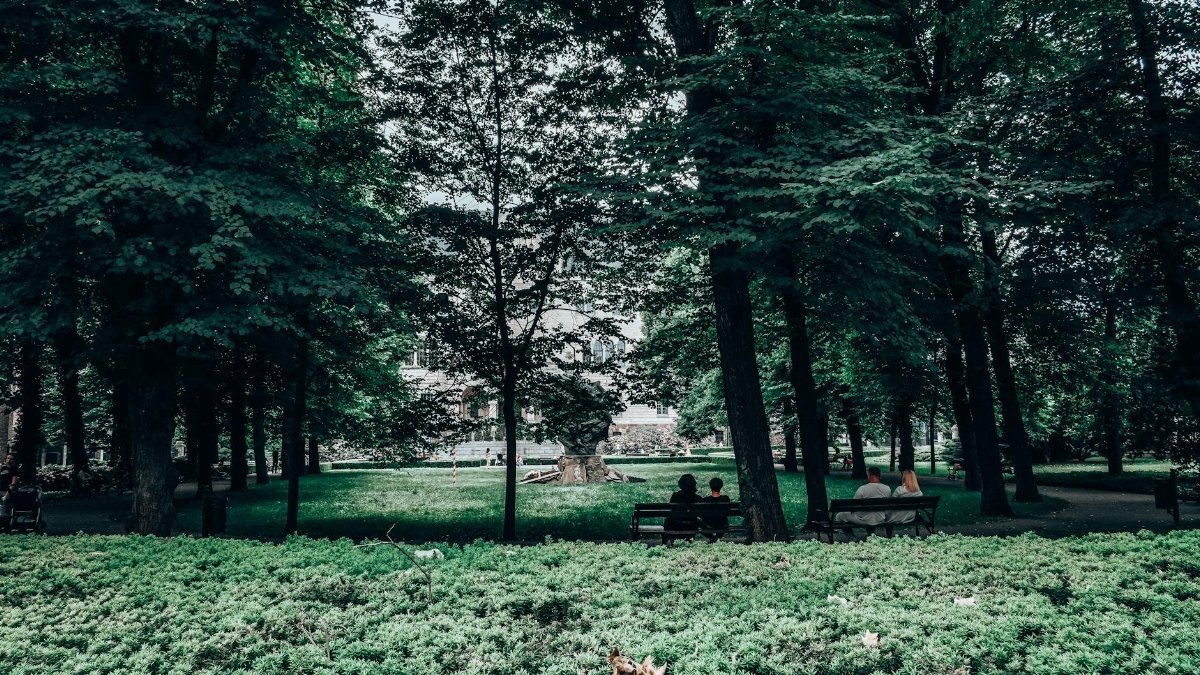
Scattered in parks from Central Park to Golden Gate, benches invite idle sitting. Watching passersby or birds, one escapes the cycle of choices. Mental overload, decision fatigue, clarity find balance here, in unhurried observation.
A brief narrative: someone overwhelmed by job loss sits, ideas clarifying as leaves fall. Simple, yet profound.
10. Bookstores with Reading Nooks

Independent bookstores in Austin or Philadelphia feature cozy nooks for perusing. Flipping through pages without commitment eases overload, sparking clarity amid shelves of stories.
Readers report decision fatigue vanishing, replaced by serendipitous discoveries. It’s a literary balm for the burdened mind.
11. Backyard Patios at Dusk
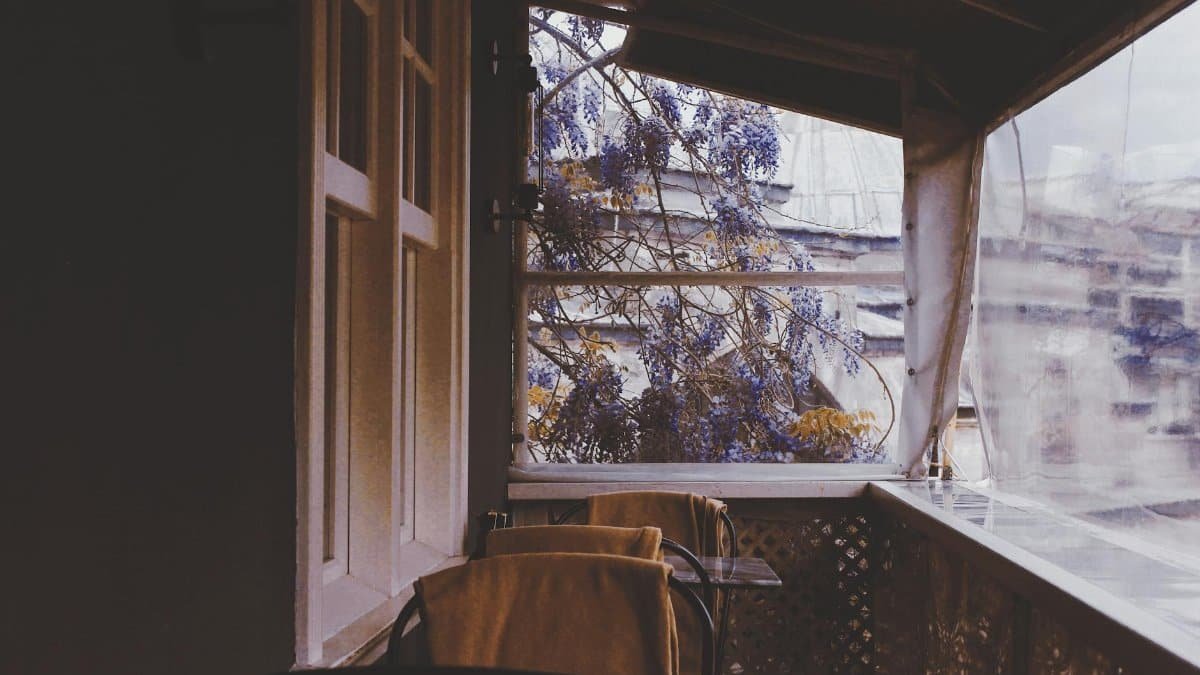
Finally, one’s own backyard in regions like the Midwest or Southwest, as evening falls. The fading light softens edges, allowing reflection without intrusion. Here, mental overload eases into night, clarity sharpened by solitude.
Many find this spot ideal for unwinding, decisions deferred until tomorrow. In 2025, such personal spaces remain vital anchors.
Yet, embracing these locations isn’t about avoidance; it’s about intentional recharge, weaving clarity back into everyday life.