
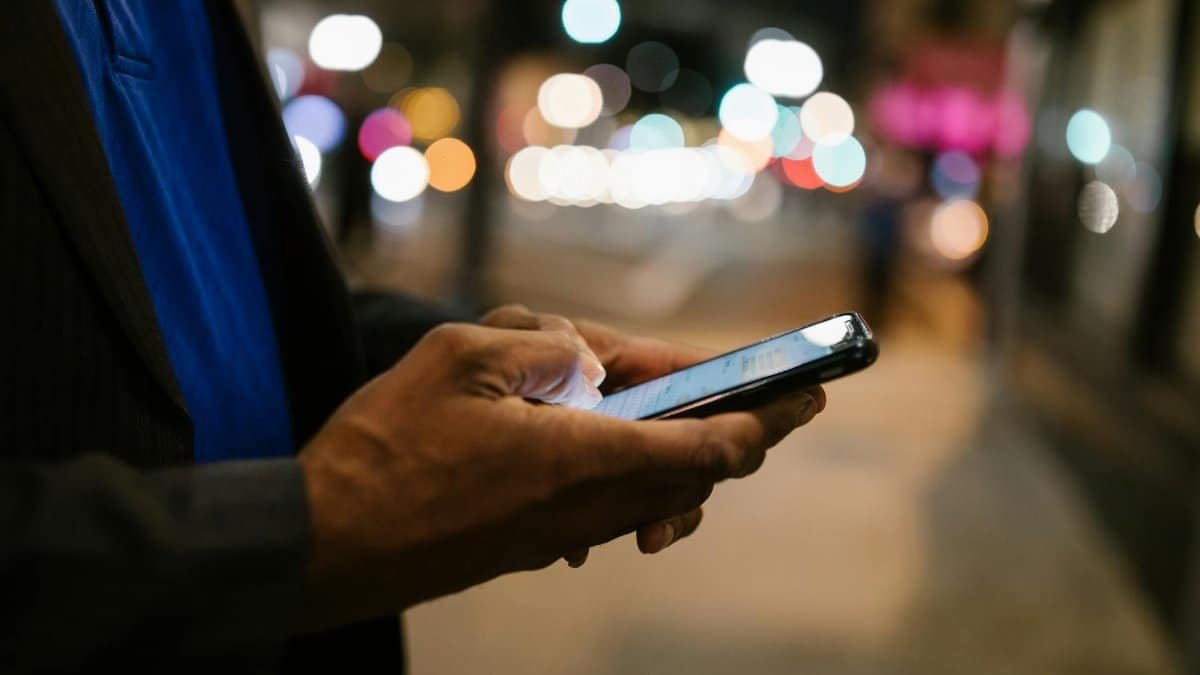
Walk down the bustling streets of cities like New York or Los Angeles these days, and you might notice a quiet rebellion brewing. People are stepping away from the relentless grind, seeking spots where authenticity trumps showmanship. This shift ties directly into grappling with performance pressure, comparison fatigue, ego awareness—concepts that highlight how constant striving and self-comparison can wear us down. In 2025, amid rising burnout rates, Americans are turning to unexpected havens that foster genuine presence over polished personas. These locations aren’t just escapes; they’re subtle invitations to tune into one’s inner self, shedding the ego’s demands. From serene natural settings to everyday urban nooks, they offer a breather from the highlight-reel culture of social media. What emerges is a clearer sense of ego awareness, where self-worth isn’t measured by likes or achievements, but by simple, unfiltered being.
1. National Parks
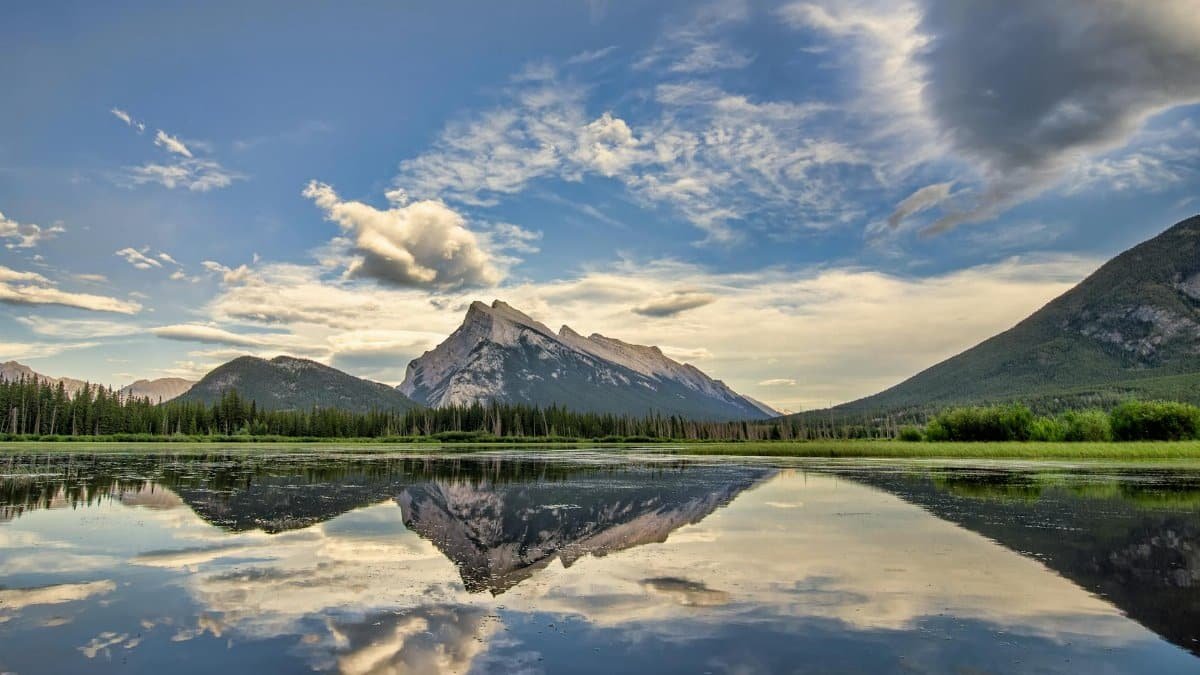
Deep in places like Yellowstone or the Grand Canyon, the vastness of nature has a way of dwarfing human concerns. Visitors often describe a profound shift: the ego’s chatter fades against towering rock formations and whispering winds. One hiker, recounting a solo trek, shared how the isolation stripped away layers of self-imposed pressure. “It was just me and the trail,” she said, anonymously in an online reflection. Studies back this up; research from the National Institutes of Health shows that time in green spaces reduces stress hormones, promoting mental clarity.NIH on Nature and Mental Health. Here, comparison fatigue evaporates—there’s no audience to impress, only the rhythm of footsteps and breath. In 2025, with urban sprawl intensifying, these parks serve as vital reminders that true awareness comes from humility before the wild.
Yet it’s not all solitude. Group ranger talks can spark connections free from performative small talk. Imagine sitting around a campfire, sharing stories without filters. This blend of isolation and community fosters ego awareness, encouraging people to question their daily roles. The result? A refreshed perspective that lingers long after the visit.
2. Independent Bookstores

Step into a cozy indie bookstore in Seattle or Brooklyn, and the air thickens with the scent of aged paper and fresh coffee. These spaces invite lingering without agenda, a stark contrast to the high-stakes world outside. Patrons flip through pages, lost in worlds that mirror their own inner landscapes, easing the grip of performance pressure. A recent Pew Research survey highlights how reading fosters empathy and self-reflection, key to combating comparison fatigue.Pew Research on Reading Habits.
Picture a middle-aged reader discovering a memoir on vulnerability; suddenly, their own ego’s defenses crack. Conversations with staff or fellow browsers flow naturally, unscripted. No need for curated identities here—it’s about shared curiosity. In an era of digital overload, these havens nurture ego awareness through quiet immersion.
Of course, not every visit is transformative. Sometimes it’s just browsing, but even that pause from constant comparison builds resilience.
3. Beaches at Dawn
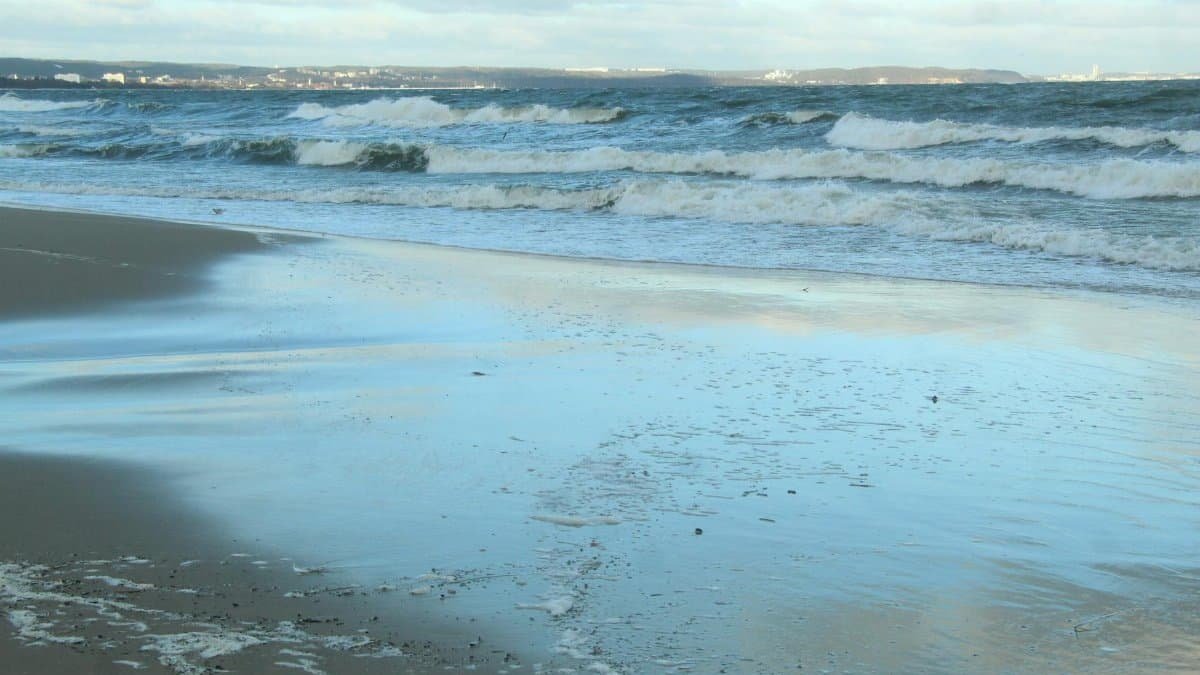
As the sun crests the horizon over Florida’s Gulf Coast or California’s Pacific shores, the beach transforms into a canvas of calm. Waves lap gently, erasing footprints like forgotten worries. Early risers find solace in this ritual, where the ego’s demands dissolve in the salt air. One anonymous online account described it as “waking up without the weight of yesterday’s comparisons.” Evidence from the American Psychological Association links ocean proximity to lower anxiety levels, aiding in ego awareness.APA on Nature’s Psychological Benefits.
Here, performance pressure feels distant; there’s no stage, only the infinite sea. Walkers might exchange nods with strangers, bonds formed in shared silence rather than showy exchanges. It’s a space for introspection, where fatigue from endless self-measurement gives way to presence.
Challenges arise with crowds later in the day, but that dawn window remains a pure escape.
4. Meditation Retreats
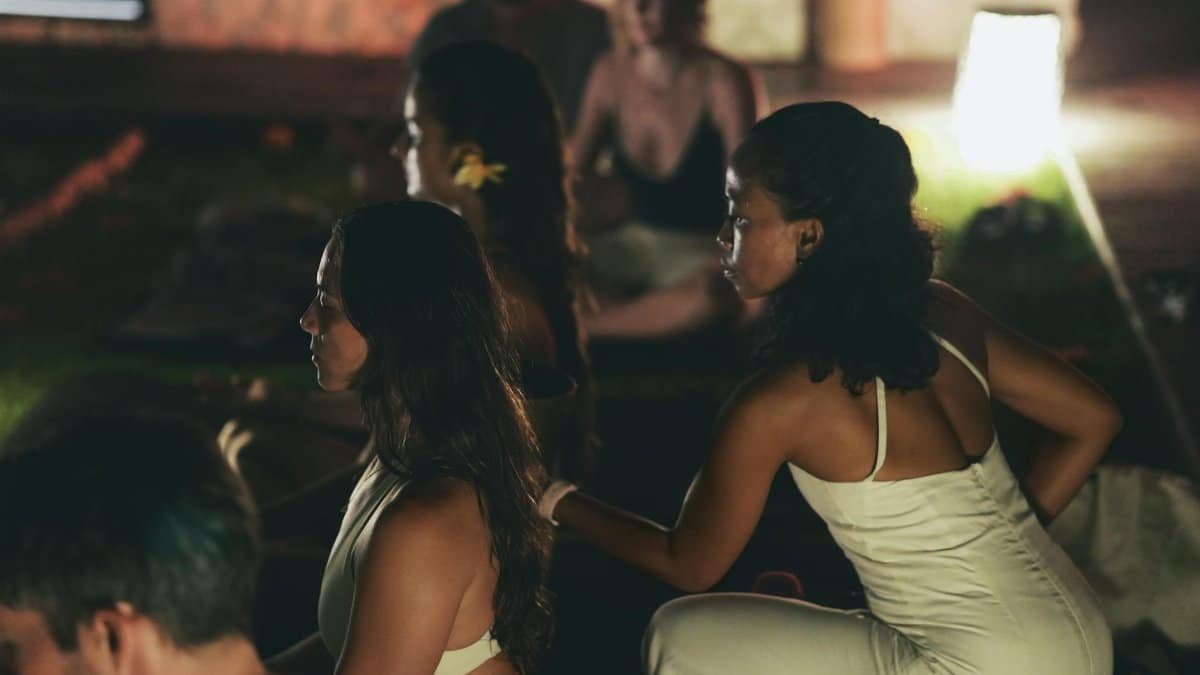
Nestled in the hills of upstate New York or Colorado’s mountains, meditation retreats offer structured silence that cuts through daily noise. Participants arrive burdened by comparison fatigue, only to find relief in guided sessions that highlight ego’s illusions. “It hit me how much I was performing for approval,” one attendee reflected in a public forum post. The Mayo Clinic underscores meditation’s role in stress reduction and self-awareness.Mayo Clinic on Meditation.
Days unfold with mindful eating and walking, each act a lesson in non-judgment. Ego awareness blooms as practitioners observe thoughts without attachment. Yet retreats aren’t without discomfort—sitting with unease tests resolve.
Back in everyday life, these insights linger, softening the edges of performance pressure.
5. Community Gardens
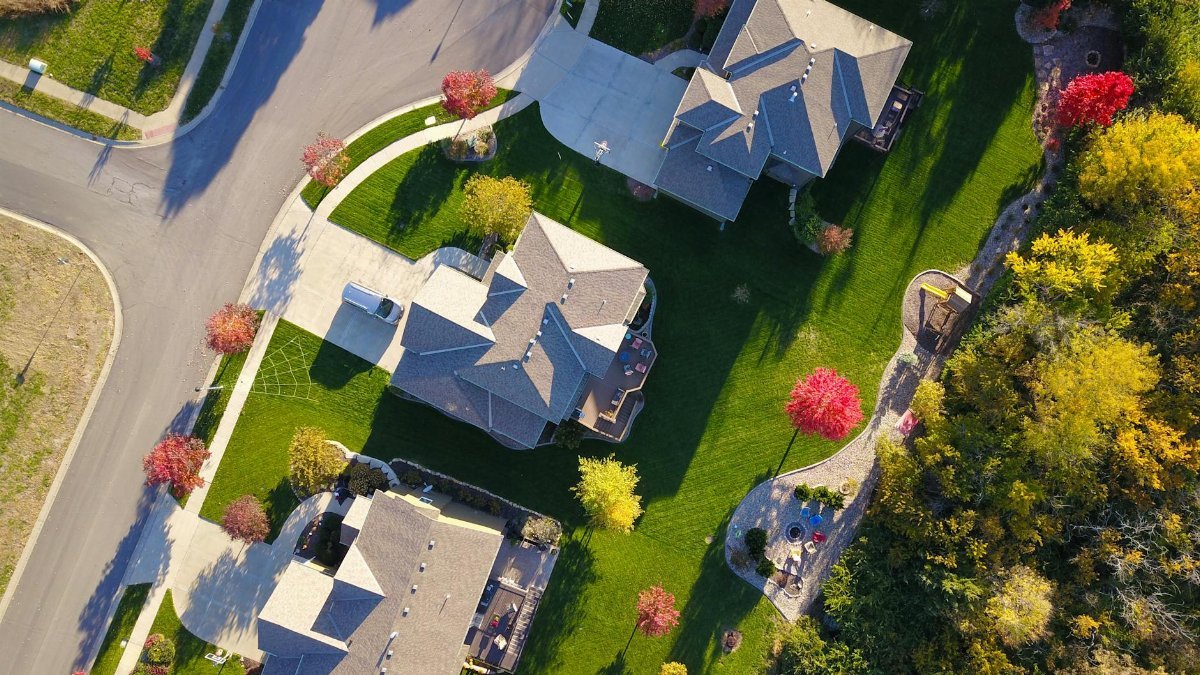
In urban oases like Detroit’s community plots or San Francisco’s shared green spaces, hands dig into soil, planting seeds of connection. These gardens strip away performative layers; success isn’t measured in yields but in effort and growth. Gardeners swap tips without competition, alleviating comparison fatigue. A study from the University of California shows gardening boosts mental well-being through purpose and community.UC on Gardening and Health.
Imagine a retiree tending tomatoes, realizing their ego’s need for validation fades amid blooming flowers. Conversations turn personal, grounded in the earth’s rhythm.
Weather and pests add unpredictability, mirroring life’s imperfections and fostering resilience.
6. Hiking Trails

Trails winding through the Appalachian Mountains or Pacific Northwest forests demand focus on the present step, sidelining ego-driven distractions. Hikers report a release from performance pressure as physical exertion grounds them. “The climb forced me to drop the facade,” shared one in an online tale. Research from Harvard links outdoor activity to improved mood and self-perception.Harvard on Outdoor Activity.
Encounters with wildlife or fellow trekkers spark authentic exchanges. Ego awareness sharpens with each vista, reminding us of our small place in the world.
Preparation is key; underestimating trails can lead to setbacks, but that’s part of the learning.
7. Art Galleries
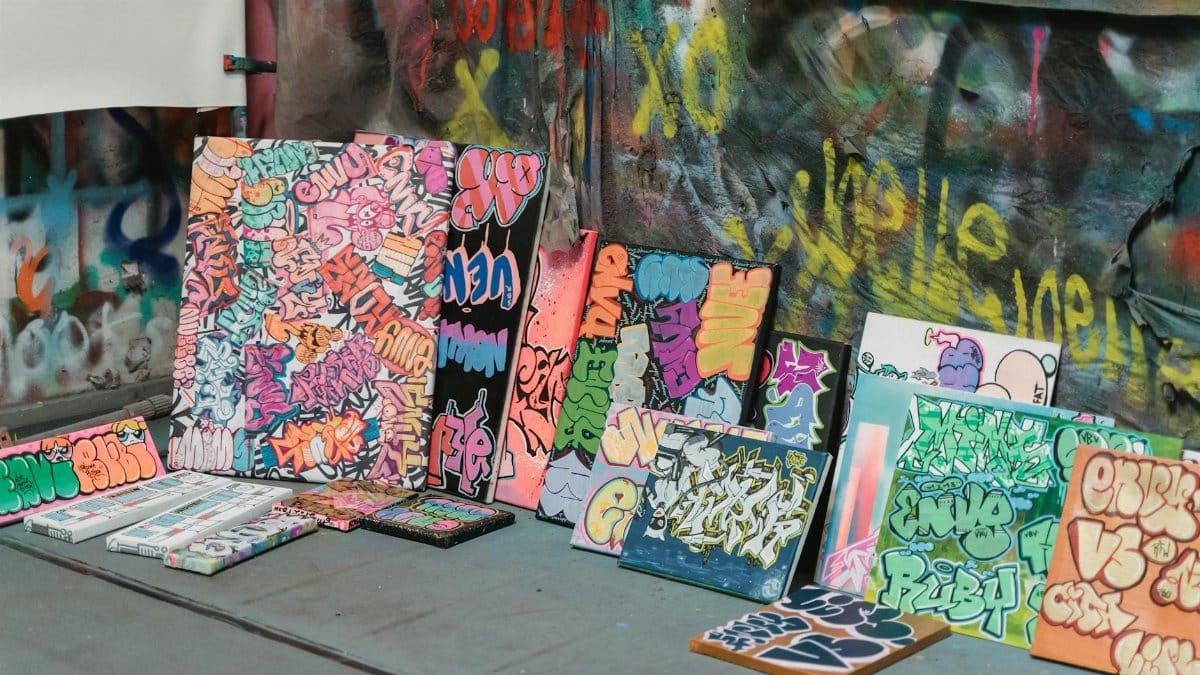
Amid the hushed halls of Chicago’s Art Institute or smaller venues in Austin, artworks provoke introspection without words. Viewers confront pieces that mirror inner struggles, easing comparison fatigue. A gallery-goer might stand before a abstract painting, feeling their ego’s grip loosen. The Smithsonian notes art’s power in emotional processing.Smithsonian on Arts and Health.
Discussions with curators or strangers flow organically, free from judgment. It’s a space where presence trumps performance.
Overcrowded exhibits can disrupt the peace, yet quiet hours restore the magic.
8. Yoga Studios
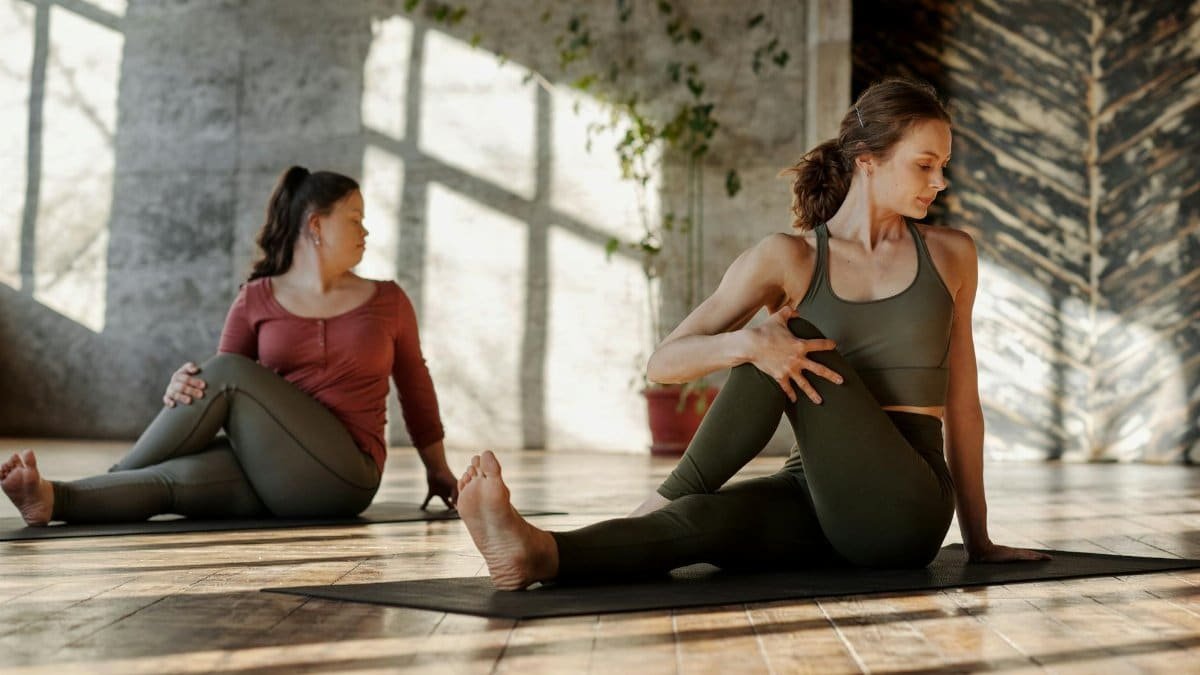
In studios across Denver or Miami, mats unroll for practices that blend movement with mindfulness. Poses challenge the body while quieting the mind, directly addressing ego awareness. Practitioners often leave feeling lighter, unburdened by performance pressure. The National Center for Complementary and Integrative Health affirms yoga’s benefits for stress relief.NCCIH on Yoga.
A class might start with breathwork, building to flows that reveal personal limits without shame.
Inclusivity varies; finding the right studio matters for true release.
9. Quiet Coffee Shops

Tucked in neighborhoods of Portland or Boston, these cafes hum with low-key energy. Sipping alone or with a book, patrons escape the rush, fostering ego awareness through observation. No need for witty banter; it’s about being. Studies from Johns Hopkins link caffeine breaks to reflective thinking.Johns Hopkins on Coffee Benefits.
Overheard snippets of real talk add humanity without intrusion.
Peak hours can shift the vibe, but off-times preserve the sanctuary.
10. Libraries

Public libraries in cities like Philadelphia offer alcoves for undisturbed thought. Amid stacks, comparison fatigue dissipates as readers dive into diverse narratives. “I found peace in the pages,” one user noted online. The Institute of Museum and Library Services reports on libraries’ role in community well-being.IMLS Research.
Events like book clubs encourage sharing without ego clashes.
Digital distractions lurk, but analog focus wins out.
11. Personal Homes

Finally, one’s own living space—be it a Chicago apartment or a Texas ranch house—can be the ultimate refuge. Curating it for comfort, without external eyes, combats performance pressure. Simple routines like journaling heighten ego awareness. A CDC report ties home environments to mental health.CDC on Mental Health.
Redecorating mindfully turns it into a personal haven.
External intrusions challenge this, yet boundaries reclaim the space.
In exploring these locations, a pattern emerges: stepping away from the performative grind invites deeper self-understanding. As 2025 unfolds, embracing such spots could redefine how we navigate performance pressure, comparison fatigue, ego awareness in daily life.