

Walk down the bustling streets of New York City or scroll through social media feeds in Los Angeles, and a quiet undercurrent emerges. More Americans are voicing exhaustion from the constant grind of self-presentation. This cultural shift highlights performance pressure, comparison fatigue, ego awareness as key themes in 2025. People seek spaces where authenticity reigns over curated images. From remote trails to cozy corners, certain spots naturally dial down the need to perform. They invite a pause, fostering genuine self-reflection amid societal demands. As one observer noted, these havens remind us that true connection often blooms in unscripted moments. In a world obsessed with metrics and likes, such locations offer a subtle rebellion, encouraging presence over perfection.
1. Secluded National Parks
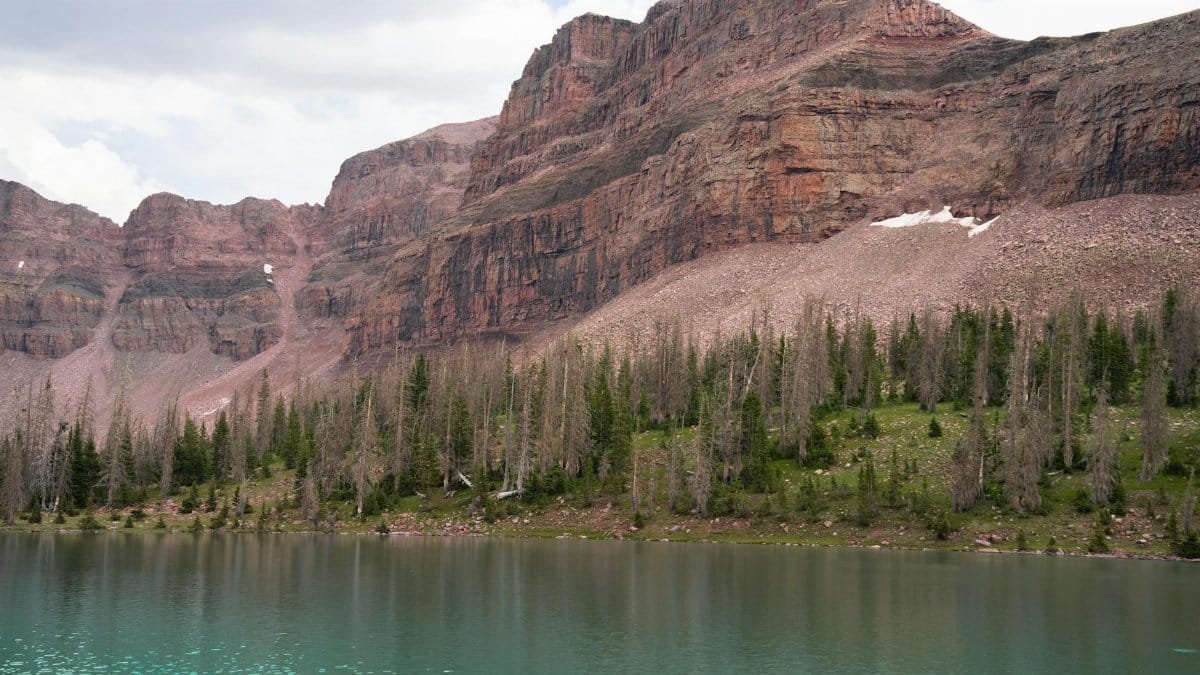
Deep in places like Yellowstone National Park, the vast wilderness strips away the layers of daily pretense. Visitors often describe a sense of liberation, where the only audience is the rustling wind through ancient pines. Imagine hiking a trail at dawn, the air crisp and untouched by urban noise. Here, performance pressure fades as ego awareness sharpens; one hiker shared how the solitude forced a confrontation with inner doubts, leading to unexpected clarity. Studies from the National Park Service highlight how such immersion boosts mental well-being, with data showing reduced stress levels after just a few hours in nature.National Park Service on Mental Health Benefits. This isn’t about escaping life but recalibrating it, where comparison fatigue dissolves amid the grandeur of untouched landscapes.
Yet, it’s not all serene reflection. Crowds can sometimes intrude, turning a peaceful spot into another stage. Still, off-season visits reveal the park’s true gift: a mirror to one’s unfiltered self.
2. Quiet Beaches at Off-Peak Hours
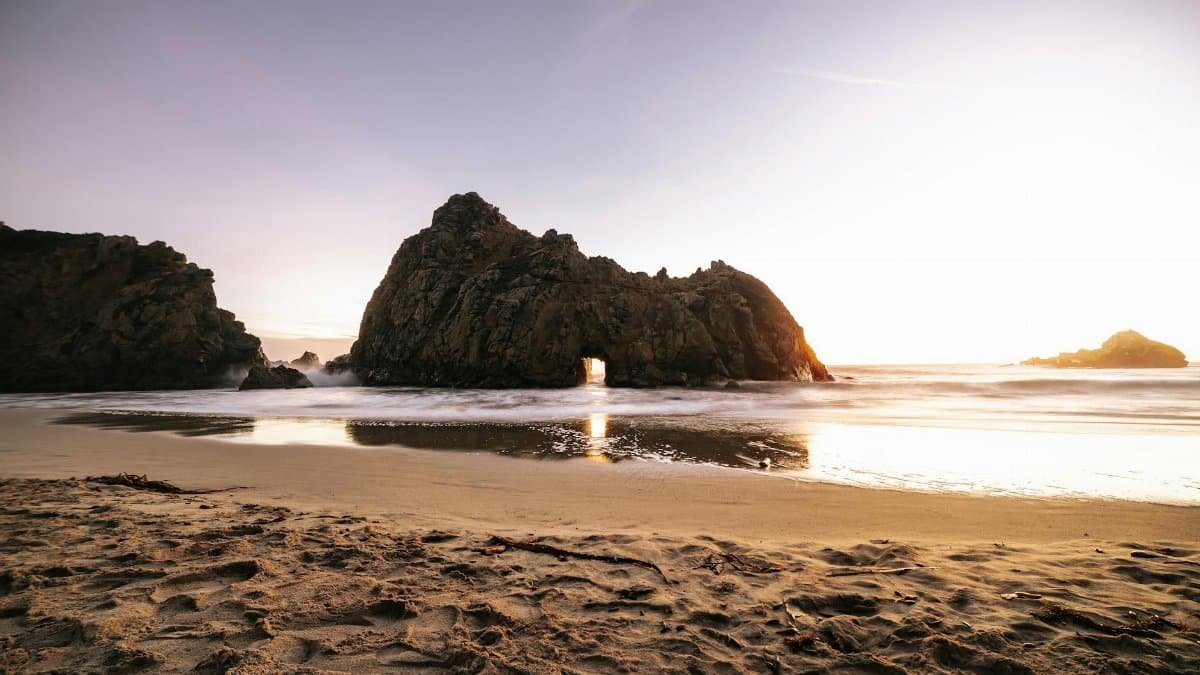
Consider the empty shores of Cape Cod in early morning light. Waves lap gently, and the horizon stretches endlessly, inviting a break from the spotlight. One anonymous account from an online discussion captured it well: feeling the sand underfoot, the poster described shedding the weight of constant self-comparison, replaced by simple awe. This ties into broader trends where coastal retreats help combat comparison fatigue by emphasizing momentary presence.
Research from the American Psychological Association underscores how ocean proximity lowers cortisol, easing the ego’s grip.APA on Nature’s Impact on Stress. These beaches aren’t just escapes; they’re arenas for subtle ego awareness, where the tide’s rhythm mirrors life’s impermanence.
3. Mountain Retreats in the Rockies
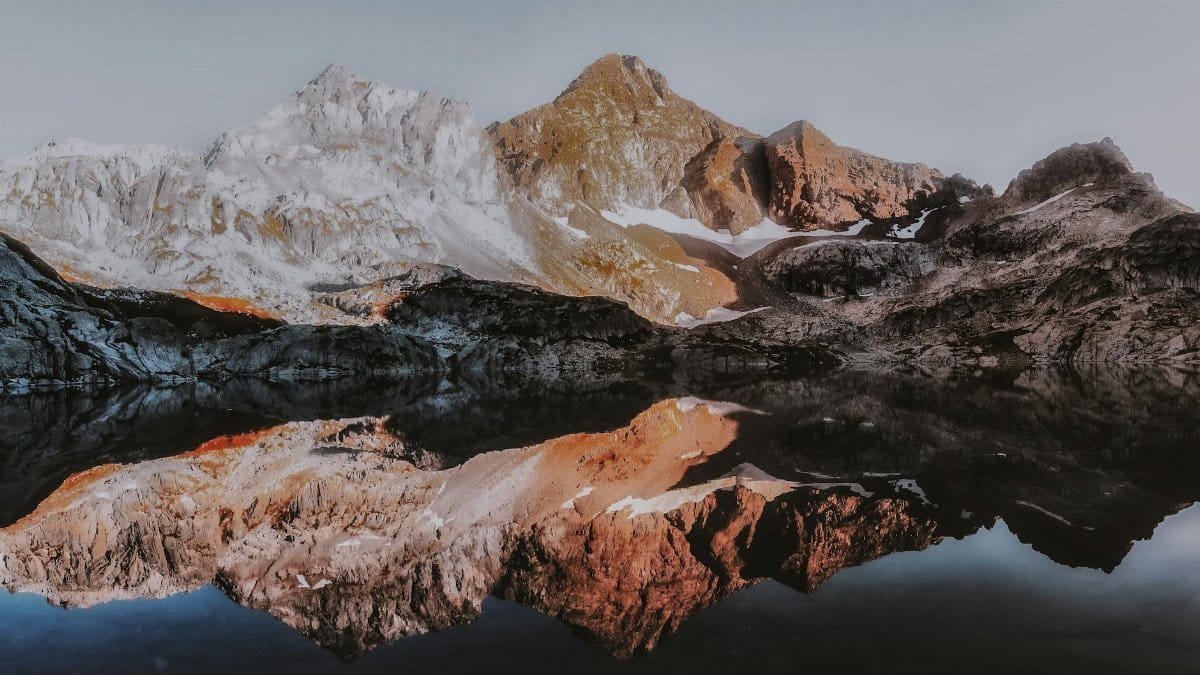
A cabin nestled in Colorado’s Rocky Mountains can feel like a portal to authenticity. Surrounded by peaks that dwarf human concerns, visitors often report a humbling shift. Picture a group gathered around a fire, sharing stories without the filter of social media. This setting naturally curbs performance pressure, as the environment demands focus on survival basics over superficial achievements.
Insights from a University of Colorado study reveal how high-altitude solitude enhances self-awareness, linking it to reduced anxiety.University of Colorado on Nature and Mental Health. It’s a place where ego takes a backseat, allowing genuine connections to emerge organically.
Of course, not every retreat is idyllic; weather can test resolve, turning reflection into resilience training.
4. Dense Forests of the Pacific Northwest

In the emerald depths of Washington’s Olympic National Forest, the canopy filters out the world’s clamor. Trails wind through moss-draped trees, where the air hums with quiet life. Here, ego awareness often arrives unbidden, as the forest’s scale reminds us of our small place in the ecosystem. A brief anecdote: a solo wanderer once paused by a stream, realizing how daily comparisons felt trivial against nature’s timeless cycle.
Forest bathing, a practice backed by research, promotes this mindfulness. The NIH notes its role in alleviating fatigue from social pressures.NIH on Forest Bathing Benefits. These woods offer more than shade; they provide a sanctuary from performative living.
5. Small-Town Libraries Across the Midwest
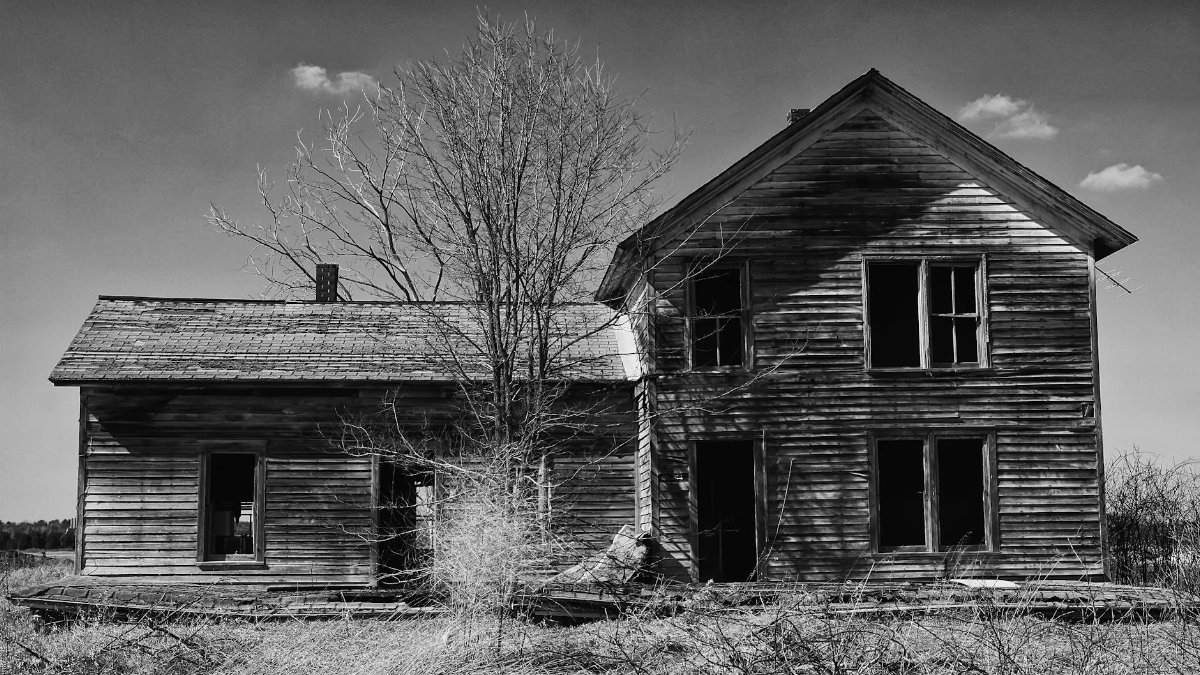
Step into a modest library in rural Iowa, and the hush envelops you like a warm blanket. Rows of books invite exploration without judgment, a stark contrast to the highlight reels of online life. Patrons flip pages, lost in worlds that demand no audience. This fosters ego awareness by encouraging inward focus, away from external validations.
One visitor recounted discovering a forgotten novel that mirrored their own struggles with comparison fatigue, sparking a personal epiphany. Libraries, as community hubs, subtly counteract performance pressure through accessible quietude.
Statistics from the Institute of Museum and Library Services show increased visits for mental respite in 2025. Such spaces prove that simplicity can be profoundly restorative.
6. Art Galleries in Urban Enclaves
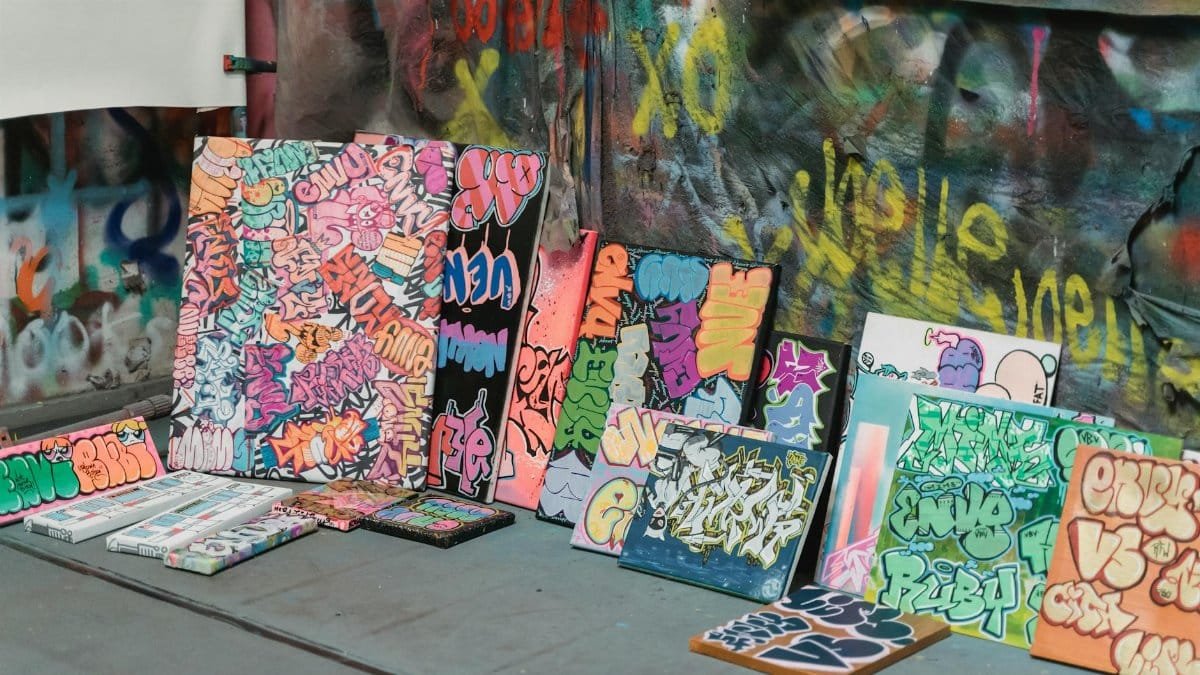
New Orleans’ galleries buzz with creative energy, yet offer pockets of introspection. Amid abstract works, viewers confront their interpretations without the need for applause. It’s a venue where comparison fatigue eases, as art’s subjectivity levels the playing field.
A gallery-goer might stand before a canvas, feeling the ego soften as personal narratives unfold. This aligns with findings on art therapy’s role in self-awareness.
Yet, the scene can sometimes veer performative; true relief comes in quieter exhibits, where observation trumps participation.
7. Yoga Studios in Coastal California
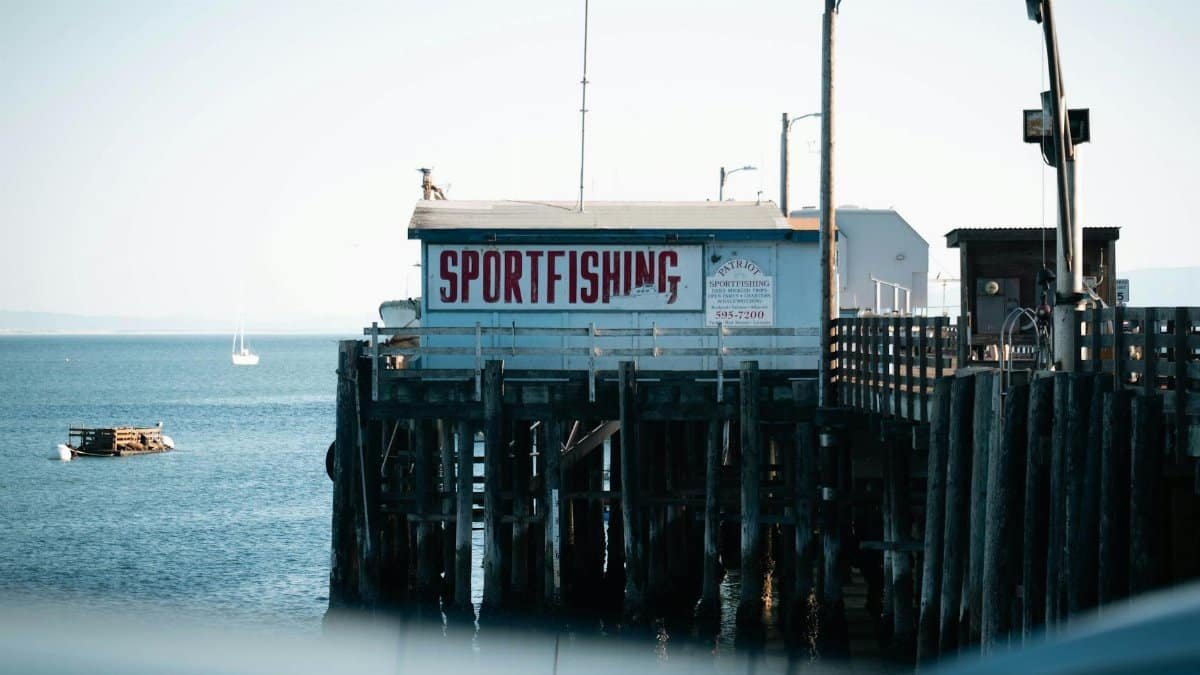
In a sunlit studio overlooking the Pacific, bodies move in sync, but the emphasis is on personal breath over perfect poses. California’s yoga culture promotes ego awareness by highlighting imperfection as part of the practice. Instructors often guide sessions that address performance pressure directly, urging participants to release judgments.
Imagine a class ending in savasana, where thoughts of comparison drift away like ocean mist. This isn’t just exercise; it’s a ritual for inner peace.
Research supports yoga’s efficacy in reducing fatigue from social comparisons, with studies linking it to improved mental health.
8. Meditation Centers in New England
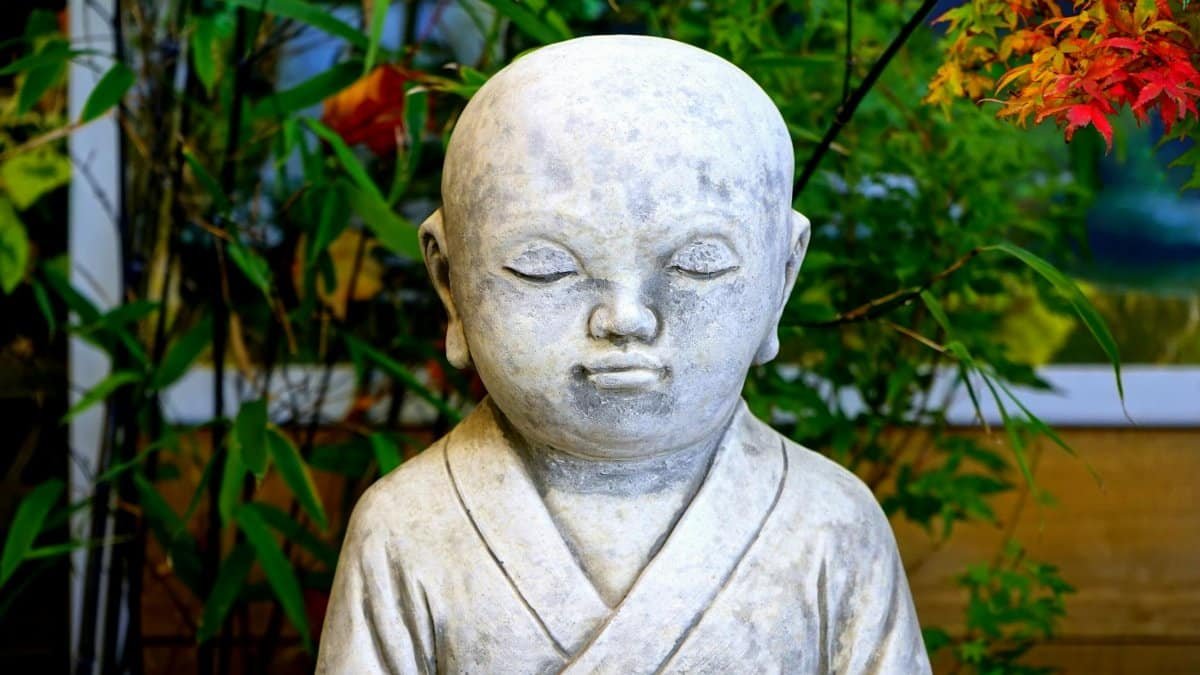
Vermont’s meditation retreats draw those weary of the rat race. Silent halls encourage deep dives into self, where ego awareness emerges through stillness. Days unfold without speech, stripping away performative layers.
One retreatant described the initial discomfort giving way to profound relief from comparison fatigue. These centers, rooted in ancient traditions, adapt to modern needs.
The quiet intensity builds resilience, proving that less noise can mean more insight.
9. Community Gardens in City Neighborhoods
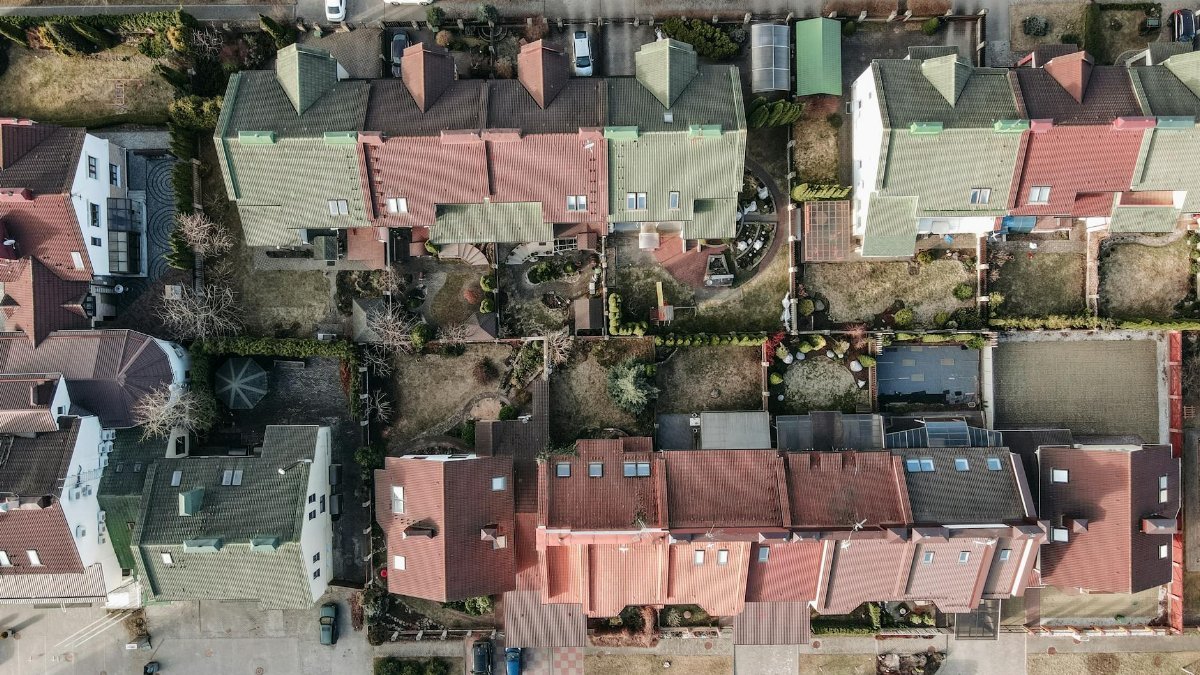
Brooklyn’s community plots buzz with shared labor, yet feel refreshingly uncompetitive. Digging soil alongside neighbors fosters connections based on growth, not status. Here, performance pressure yields to the satisfaction of nurturing plants.
A gardener might share how tending tomatoes eased their ego’s demands, replacing fatigue with communal joy. Urban green spaces like these highlight collective over individual achievement.
Studies affirm gardening’s therapeutic value, linking it to reduced stress in urban dwellers.
10. Desert Solitudes of the Southwest

Arizona’s vast deserts, with their stark beauty, compel a raw honesty. Under starlit skies, the isolation sharpens ego awareness, making daily comparisons seem distant. Campers often find clarity in the silence, away from societal scripts.
Picture a lone figure watching the sunset, thoughts untangling without interruption. This barren landscape paradoxically nurtures inner richness.
It’s a reminder that emptiness can fill the soul, countering fatigue with profound simplicity.
11. Personal Home Sanctuaries

Finally, one’s own home can transform into a haven when intentionally curated. A cozy nook with books and soft light invites unhurried reflection. In 2025, more Americans are designating such spaces to combat performance pressure at its source.
By dimming screens and embracing quiet routines, ego awareness flourishes in familiar surroundings. It’s accessible, requiring no travel, yet powerfully effective.
This personal location underscores that relief from comparison fatigue often starts within, turning the everyday into the extraordinary.