

A recent study from the Pew Research Center found that nearly 60% of Americans over 40 report feeling overwhelmed by societal expectations around who they should be, up from 45% just a decade ago. This surge highlights a growing tension with identity pressure, self-worth, and personal meaning in everyday life. People describe it as an invisible weight, pushing them to conform to roles that no longer fit. Yet, amid this, certain places offer relief. These spots, scattered across the U.S., allow individuals to shed those burdens and reconnect with what truly matters. From quiet retreats to bustling community hubs, they foster environments where self-doubt fades and authentic purpose emerges. As we navigate 2025’s fast-paced world, understanding these locations could be key to reclaiming a sense of inner peace.
1. Coastal Beaches at Dawn
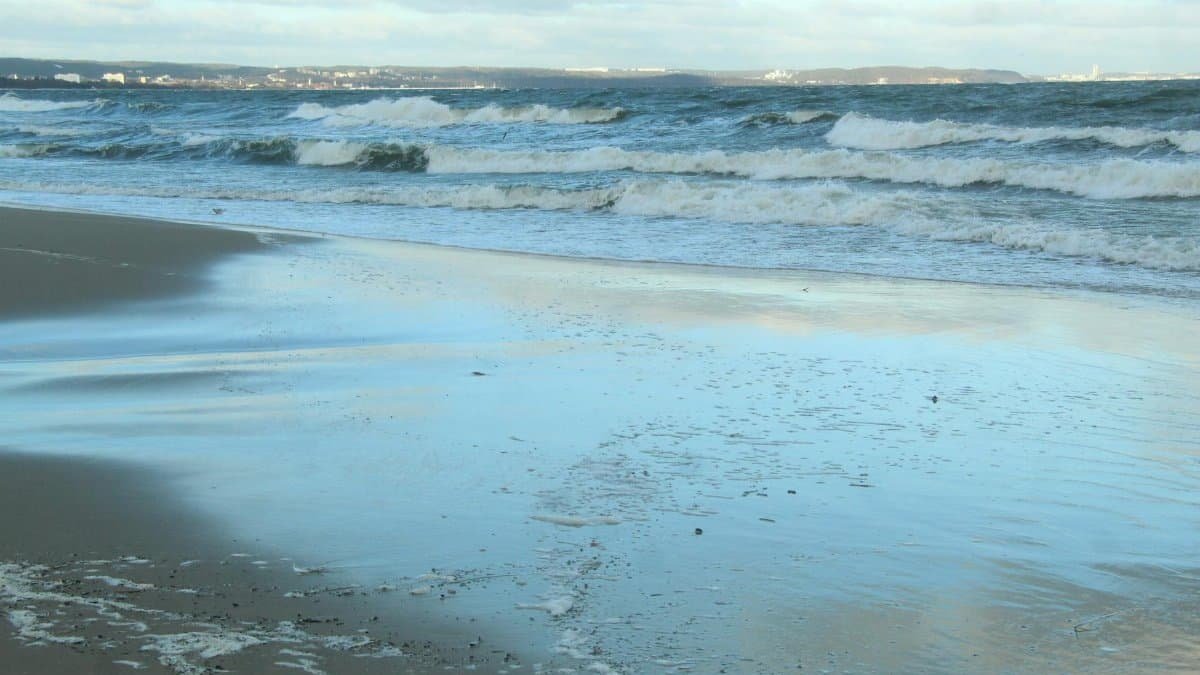
The sun barely crests the horizon, casting a golden hue over the waves. Here, on beaches like those along California’s Big Sur or Florida’s Gulf Coast, visitors often arrive solo, seeking solitude before the crowds. One middle-aged woman, whom I’ll call Sarah, shared how these early mornings dissolved her constant worry about career milestones. “The ocean doesn’t care about my resume,” she said. Studies back this up; research from the National Institutes of Health shows that natural water settings reduce stress hormones by up to 20%, easing the grip of identity pressure. It’s not just the sound of crashing waves—it’s the reminder that personal meaning isn’t tied to societal checklists. People walk the sand, leaving footprints that the tide erases, symbolizing a fresh start. In these moments, self-worth rebuilds quietly, grounded in the rhythm of nature rather than external validation.
2. Small-Town Libraries

Step into a library in a place like Asheville, North Carolina, or Concord, Massachusetts, and the air smells of aged paper and possibility. These havens aren’t flashy, but they invite exploration without judgment. Imagine flipping through biographies of ordinary folks who redefined their lives—suddenly, your own path feels less constrained. A recent Pew survey noted that library usage among adults 45 and older has risen 15% since 2020, often for self-reflection rather than research. One anonymous account from an online discussion captured it: a man in his fifties described losing himself in poetry sections, where “the pressure to be someone important just vanished.” Libraries counter identity pressure by offering free access to diverse stories, reinforcing that self-worth stems from curiosity, not accolades. Conversations with librarians spark unexpected insights, turning a simple visit into a catalyst for personal meaning.
3. Mountain Hiking Trails
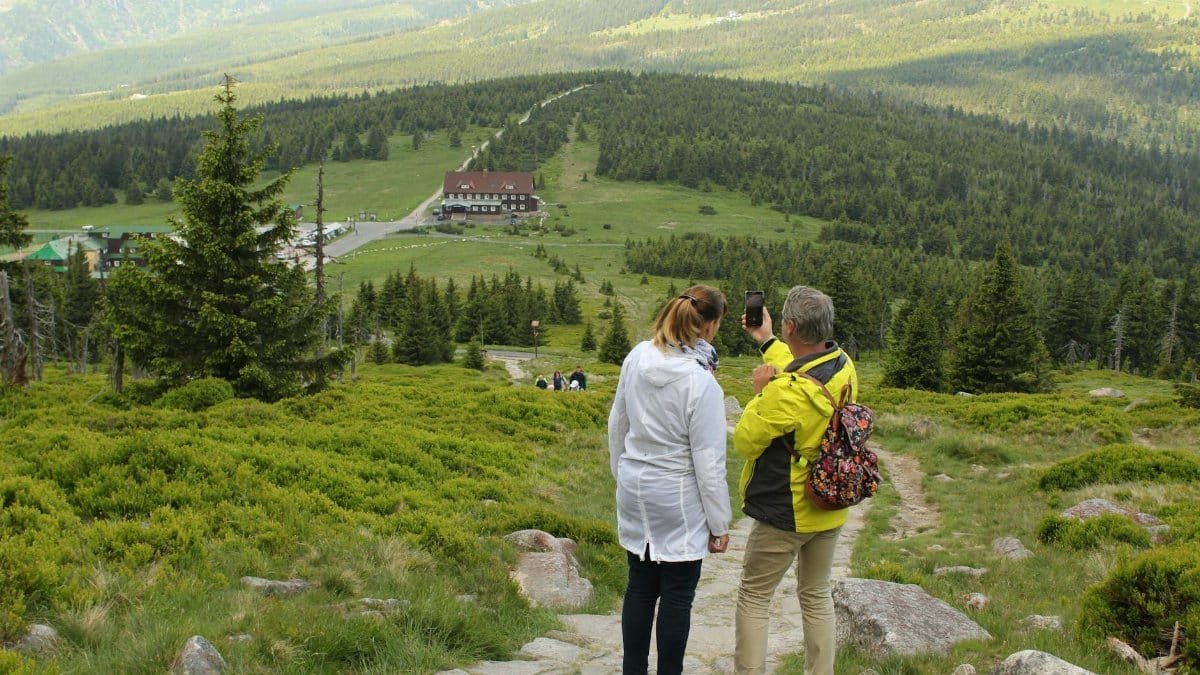
Trails in the Rockies or Appalachians demand focus on each step, pulling attention away from life’s noise. Hikers report a profound shift: the climb mirrors internal struggles, but reaching a vista brings clarity. Data from the U.S. Forest Service indicates over 50 million Americans hit trails annually, with many citing mental reset as the draw. Picture a group pausing at a overlook, sharing water and stories—one recounts ditching a high-stress job for freelance work, finding worth in balance over status. This isn’t about conquering peaks; it’s about how the elevation strips away superficial identities. Self-worth emerges from resilience, not comparison, fostering a deeper personal meaning amid the pines and fresh air.
4. Community Gardens
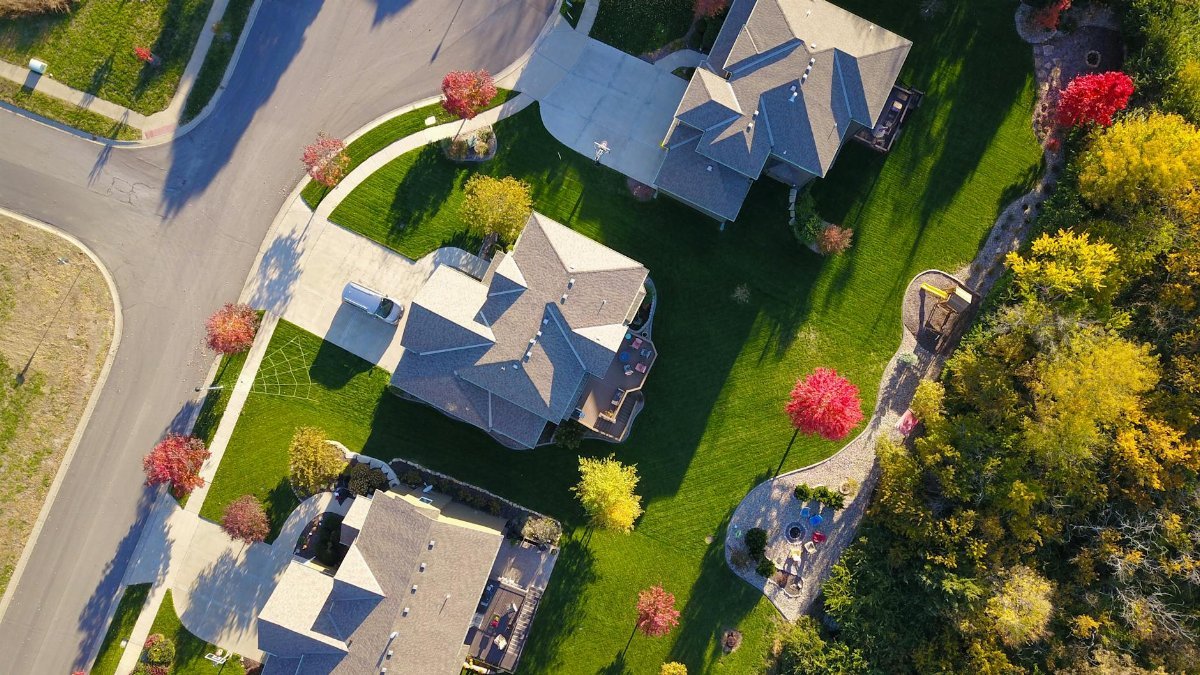
In urban plots from Detroit to Seattle, hands dig into soil, planting seeds that grow into something tangible. These gardens soften identity pressure by emphasizing collective effort over individual achievement. Volunteers bond over weeding and harvesting, their conversations drifting to life’s bigger questions. A study by the Centers for Disease Control and Prevention links community gardening to improved self-esteem, with participants feeling more connected to their communities. One gardener, a retired teacher, explained how tending tomatoes reminded her that growth takes time, easing doubts about her post-career identity. Here, self-worth blooms from nurturing life, not from titles or timelines, creating spaces where personal meaning roots deeply in shared, earthy work.
5. Art Studios and Workshops
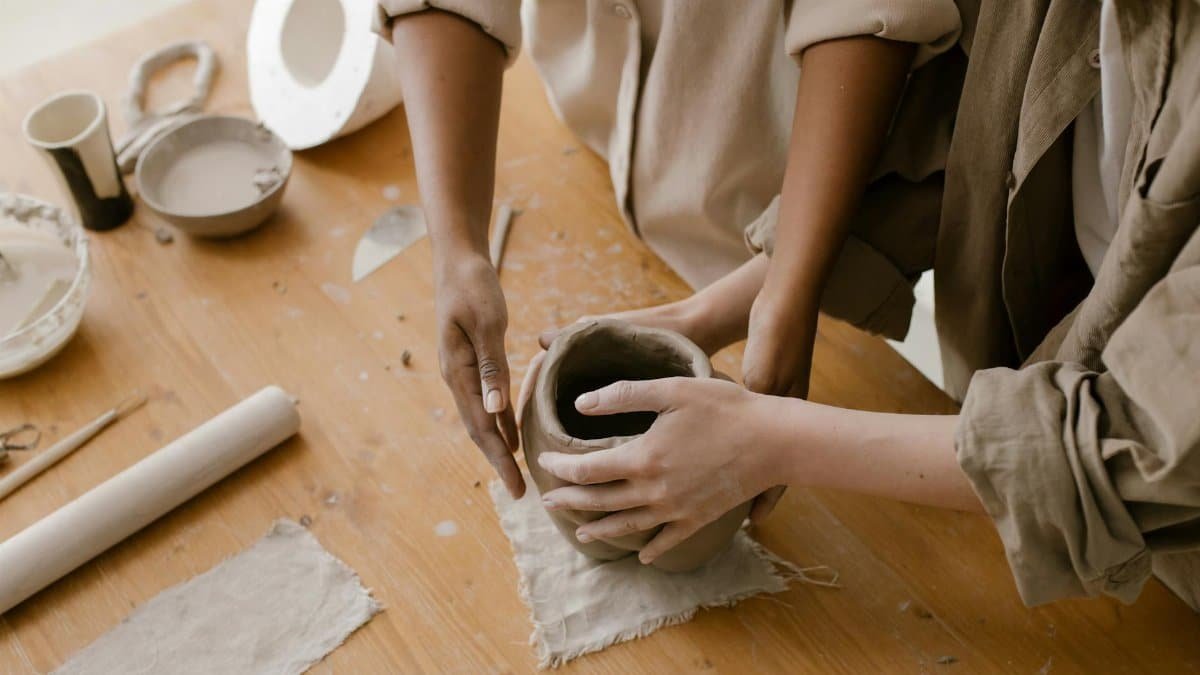
Paint splatters on canvases in studios across Brooklyn or Santa Fe, where amateurs and pros alike experiment freely. The act of creation defies perfectionism, melting away the need to fit molds. Enrollment in adult art classes has spiked 25% in the last five years, per industry reports, as people seek outlets for expression. Dive into a session: a participant molds clay, laughing off a lopsided vase, and suddenly realizes self-worth isn’t about outcomes. It’s raw, messy, and liberating. These environments challenge identity pressure by valuing process over product, helping individuals uncover personal meaning through strokes of color and form.
6. Quiet Cafes in College Towns

Nestled in spots like Ann Arbor, Michigan, or Boulder, Colorado, these cafes buzz softly with students and locals. Over steaming mugs, conversations flow without agendas. Middle-aged patrons often find respite here, away from corporate hierarchies. A Pew Research Center analysis on social spaces shows such venues boost feelings of belonging, countering isolation. One visitor described eavesdropping on a debate about life’s purpose, which sparked her own reflections on self-worth beyond family roles. The casual vibe softens pressures, inviting a reevaluation of personal meaning in an unhurried atmosphere.
7. National Parks Campgrounds

Tents pitch under starry skies in Yosemite or Yellowstone, where campfires crackle and stories unfold. These sites strip away daily pretenses, fostering raw connections. Visitor numbers hit record highs in 2024, with many seeking mental health benefits, according to park service data. Around the flames, a camper shares how leaving urban life behind revealed true priorities. Identity pressure fades as nature’s vastness puts egos in perspective, rebuilding self-worth through simple survival and wonder. Personal meaning sharpens here, in the glow of embers and shared vulnerability.
8. Yoga Retreats in Rural Settings
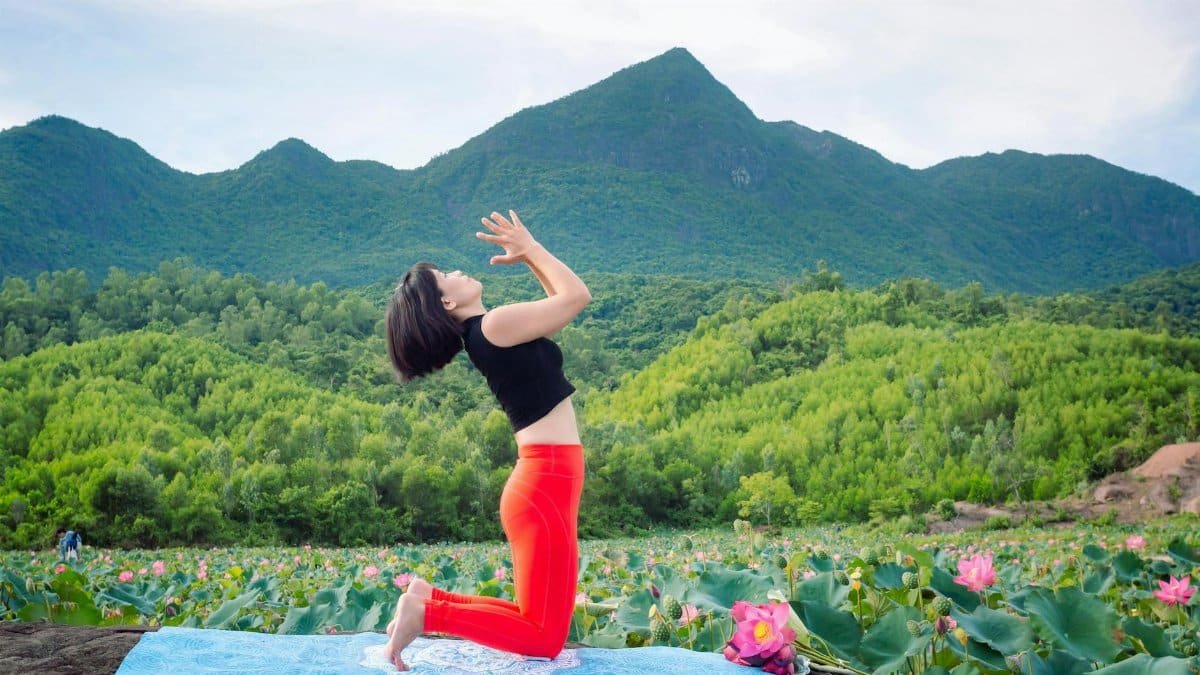
Mats unroll in serene spots like Vermont’s rolling hills or New Mexico’s deserts, guiding breath and movement. These retreats emphasize inner awareness, dissolving external demands. Participation has grown among mid-lifers, with a NIH-backed study showing yoga reduces anxiety by 30%. Picture a session ending in meditation: a participant feels the weight of societal expectations lift, replaced by self-acceptance. It’s transformative, addressing identity pressure through mindful presence, and nurturing a self-worth tied to inner peace rather than outward success.
9. Book Clubs in Suburban Homes

Gathered in living rooms from Chicago suburbs to Dallas outskirts, members dissect novels over snacks. These intimate groups encourage vulnerability, exploring themes that mirror personal struggles. Club memberships surged post-pandemic, offering emotional anchors. One host recalled a discussion on reinvention that helped a member redefine her worth after divorce. Such circles soften identity pressure by validating diverse experiences, weaving personal meaning from collective insights and empathy.
10. Volunteer Centers in Cities
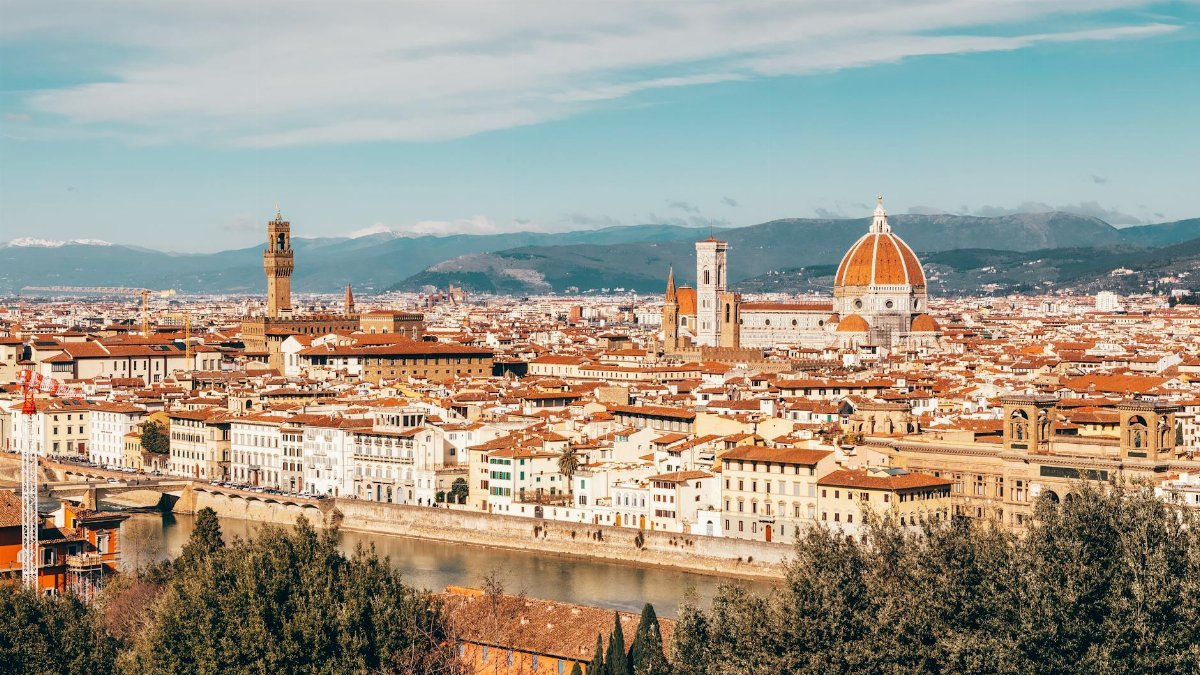
Busy hubs in places like Philadelphia or San Francisco channel energy into helping others. Tasks range from food drives to mentoring, shifting focus outward. Volunteering rates among adults 50+ rose 10% in recent years, per surveys, linking service to enhanced purpose. A volunteer described how sorting donations quieted her inner critic, building self-worth through impact. These centers ease identity pressure by highlighting communal value, fostering a personal meaning rooted in contribution.
11. Lakeside Cabins for Solitude
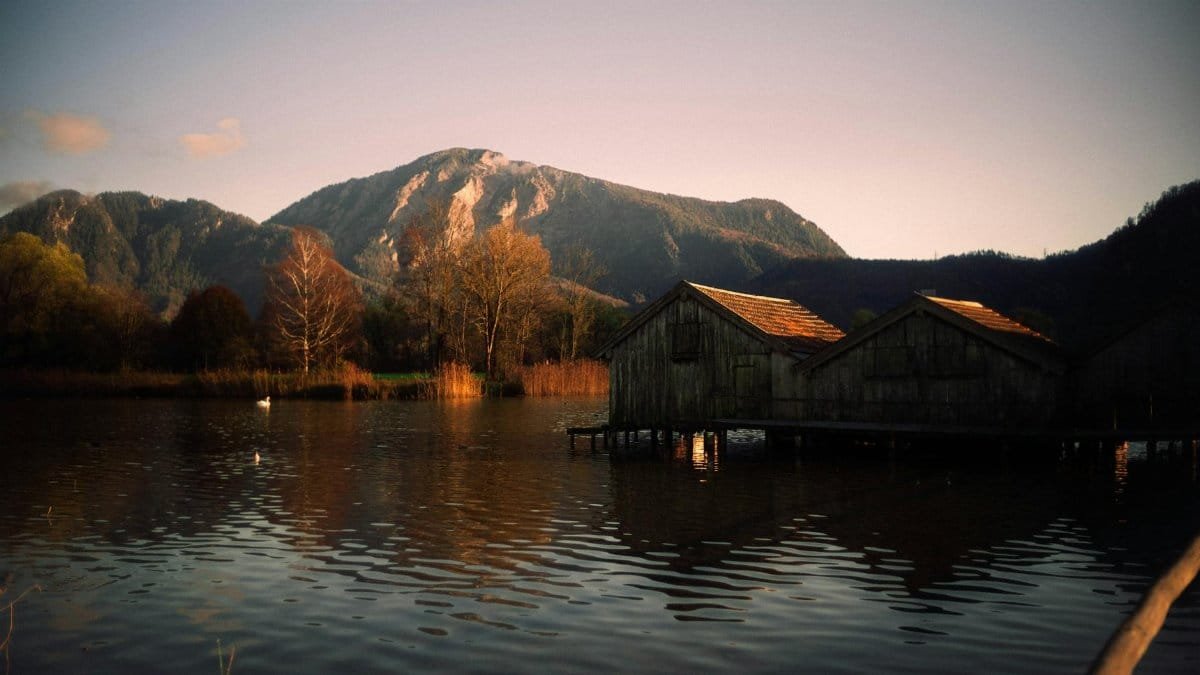
Secluded spots on Minnesota’s lakes or Maine’s shores offer uninterrupted quiet. Renters journal by the water, confronting inner thoughts without distractions. Such getaways appeal to those burned out by constant connectivity, with tourism data showing increased demand for remote stays. In the stillness, one escapee pieced together fragments of her life, discovering self-worth in authenticity. Identity pressure softens here, allowing personal meaning to surface naturally, like ripples on the lake. As 2025 unfolds, these locations remind us that relief often lies in intentional pauses.