

In a world that often feels like it’s constantly judging who we are and what we’re worth, it’s no wonder that a recent Pew Research Center survey found that 62% of Americans report feeling overwhelmed by societal expectations around identity and achievement. This figure, up from 48% just five years ago, underscores a growing unease. As we navigate 2025, with its relentless social media comparisons and career demands, many are seeking refuge. Places where the weight of identity pressure, self-worth, and personal meaning eases up, allowing room to breathe and simply be. These spots aren’t always grand escapes; sometimes they’re right in our backyards or daily routines. They offer a quiet counterpoint to the noise, reminding us that true value doesn’t always come from external validation. Exploring these locations reveals how they foster a gentler self-reflection, helping people reconnect with what matters most.
1. Secluded Beaches at Dawn

The ocean’s edge before the crowds arrive has a way of stripping away the layers. Waves crash steadily, indifferent to human worries. Here, amid the salt air and shifting sands, individuals often find the clamor of identity pressure fading. It’s not about grand revelations, but small moments of clarity. One middle-aged professional recalled standing there, barefoot, realizing that her corporate title didn’t define her essence. Studies from the American Psychological Association suggest that natural water environments can reduce stress hormones by up to 20%, promoting a sense of intrinsic worth. In these early hours, the beach becomes a canvas for personal meaning, unmarred by societal scripts. People walk, think, or just sit, letting the rhythm reset their internal compass. It’s a place where self-doubt loosens its grip, replaced by the vastness of the sea.
2. Local Libraries Amid the Stacks

Step into a public library, and the hush envelops you like a soft blanket. Rows of books stand sentinel, each holding stories that echo human struggles without judgment. For many grappling with self-worth, this is a sanctuary where identity pressure softens through quiet exploration. Imagine flipping through pages on philosophy or memoir, discovering that others have wrestled with similar voids. A recent account shared anonymously online described a reader finding solace in a forgotten corner, away from the digital din, piecing together fragments of personal meaning. Research from the Pew Research Center highlights how libraries serve as community hubs for self-reflection, with usage spiking among those seeking mental respite. Here, borrowing a book feels like borrowing permission to redefine oneself, one chapter at a time. The atmosphere encourages lingering, pondering, without the need for performance.
3. Community Gardens in Bloom
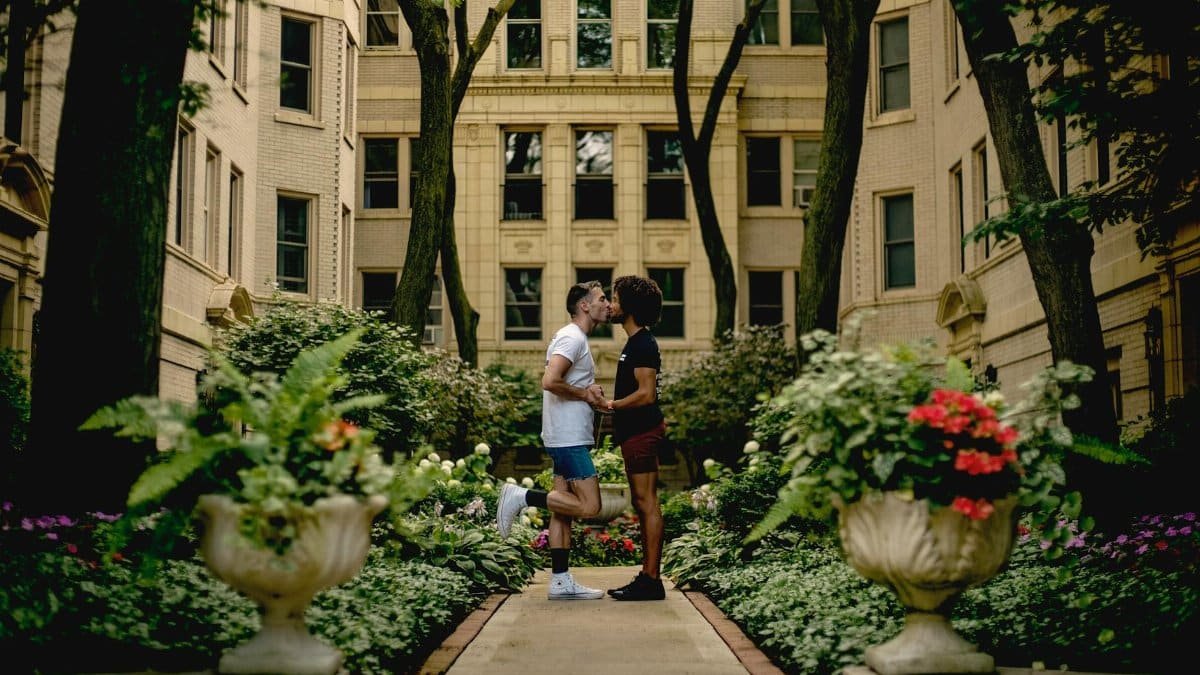
Hands in the soil, tending to plants that grow at their own pace—community gardens offer a grounded escape. The act of nurturing life mirrors an internal process, where self-worth blooms independent of external accolades. Volunteers often share how digging weeds eases the burden of identity pressure, fostering a sense of contribution that’s simple and real. Picture a group chatting over tomato vines, their conversations drifting to life’s deeper meanings without pretense. According to a study by the National Institutes of Health, such green spaces enhance emotional well-being, linking nature connection to improved self-perception. In 2025, with urban stress on the rise, these plots become vital oases. They remind participants that growth isn’t linear, much like personal journeys. Friendships form organically, rooted in shared effort rather than status.
4. Mountain Trails Off the Beaten Path
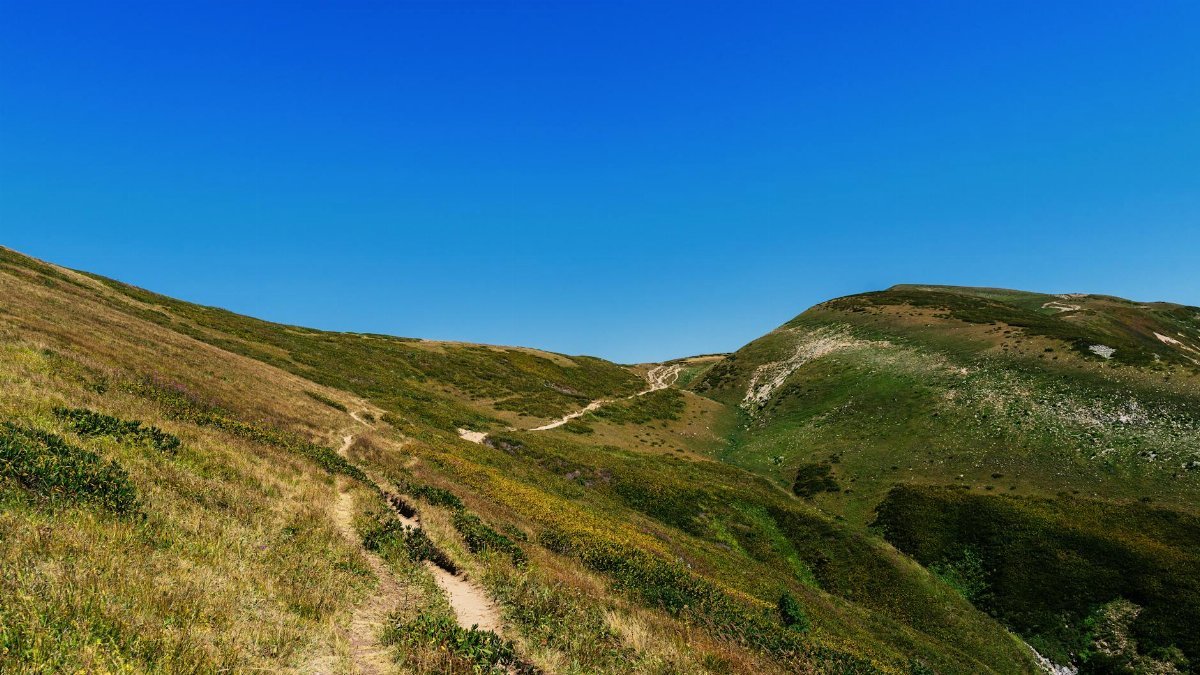
Ascending a rugged trail, each step demands focus on the present. The altitude thins the air, but also the mental fog of societal expectations. Hikers frequently describe how identity pressure dissipates amid the pines, replaced by a raw sense of accomplishment. One might pause at a vista, contemplating self-worth not through achievements, but through endurance. This aligns with findings from the U.S. Forest Service, which note that wilderness experiences boost psychological resilience. Trails invite introspection, where personal meaning emerges from solitude or quiet companionship. No cell service means no distractions, just the trail’s quiet wisdom. For middle-aged adventurers, it’s a recalibration, proving that strength lies in persistence, not perfection.
5. Cozy Bookstores with Hidden Nooks

Independent bookstores, with their creaking floors and eclectic shelves, create pockets of calm. Browsing without hurry, readers encounter ideas that challenge rigid self-narratives. Here, identity pressure softens as one loses track of time in a worn armchair, absorbed in prose that resonates. A patron once whispered to a clerk about a novel that unlocked forgotten aspects of her identity, sparking renewed purpose. Data from the American Booksellers Association indicates rising visits for mental health benefits, underscoring these spaces’ role in fostering meaning. In an era of online overload, these nooks offer analog refuge, encouraging visitors to author their own stories.
6. Yoga Studios During Off-Peak Hours

The dim lights and steady breaths in a yoga class invite inward focus. Poses unfold, releasing tensions tied to self-worth comparisons. Participants often emerge feeling lighter, as if identity pressure has been exhaled away. It’s not always about flexibility; it’s the mindfulness that counts. Think of someone unrolling a mat, leaving work stresses at the door, discovering personal meaning in breathwork. The National Center for Complementary and Integrative Health reports that yoga reduces anxiety, aiding self-acceptance. These sessions build community subtly, through shared silence rather than spotlight.
7. Art Galleries on Weekday Afternoons
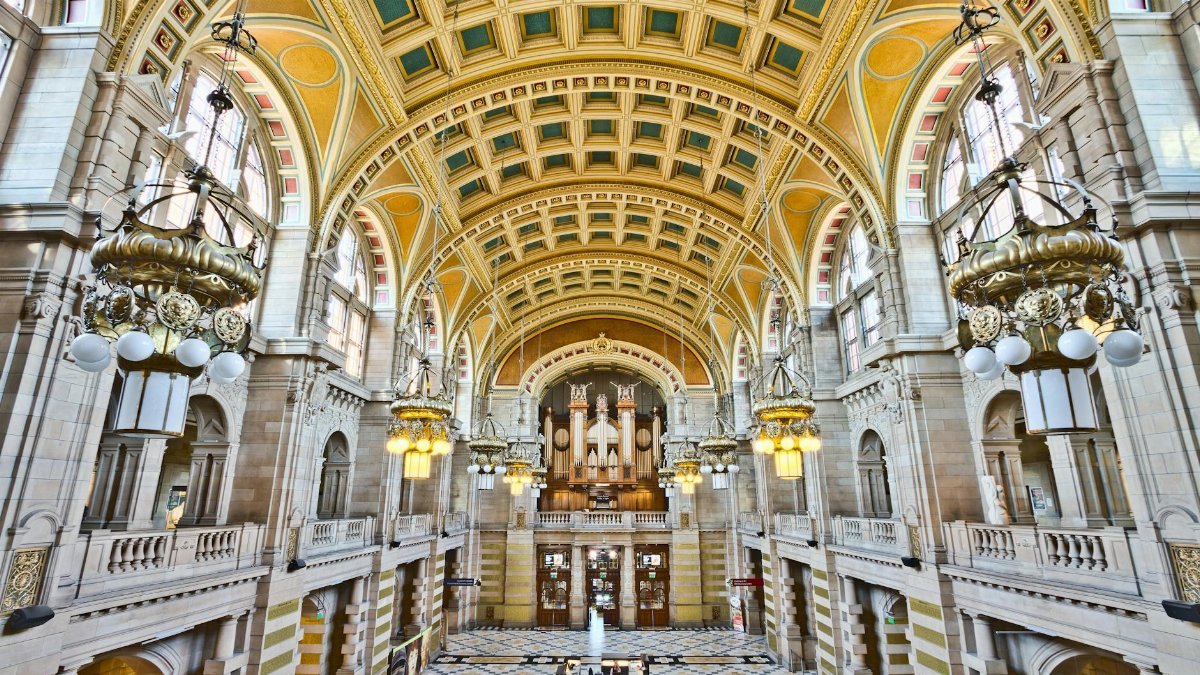
Wandering through exhibits, artworks provoke without demanding answers. The quiet allows for unfiltered reactions, easing the grip of external validations. Viewers might stand before a canvas, reflecting on their own narratives of self-worth. Galleries democratize inspiration, showing that meaning arises from diverse expressions. A visitor recounted how a abstract piece mirrored her internal chaos, leading to a breakthrough in understanding identity pressure. Attendance trends, per the National Endowment for the Arts, show increased engagement for emotional processing.
8. Coffee Shops with Outdoor Patios
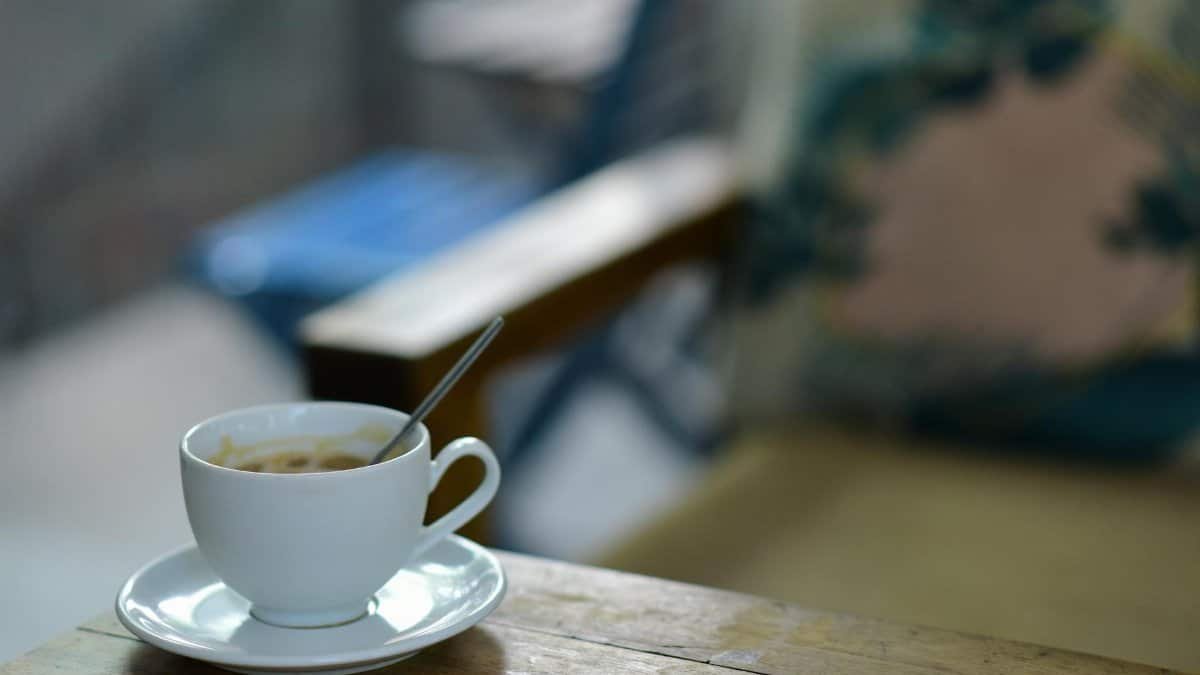
Sipping coffee al fresco, watching the world pass, fosters detachment from personal scripts. Conversations with strangers or solitary journaling here dilute identity pressures. The ambiance encourages authenticity, where self-worth feels less performative. One regular described overhearing a chat that echoed her quest for meaning, sparking insight. Urban planning studies link such spaces to social well-being, enhancing communal ties.
9. Botanical Gardens in the Rain
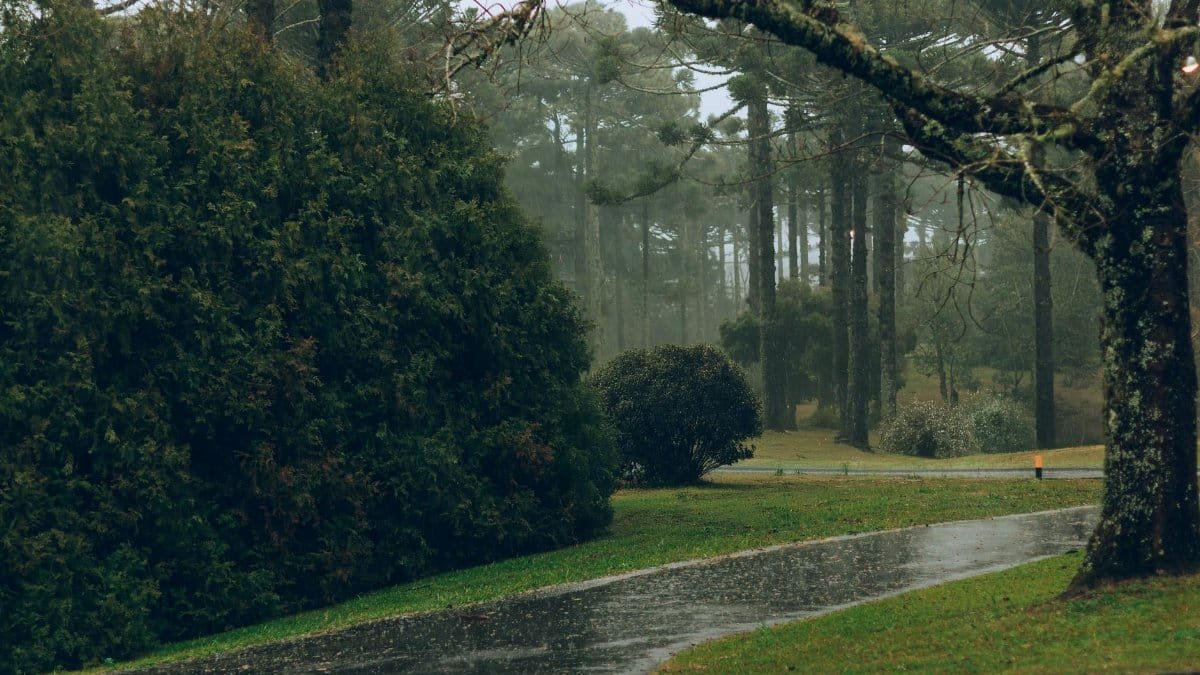
Rain-slicked paths in a garden turn solitude into a meditative ritual. The downpour washes away pretenses, allowing raw self-reflection. Amid dripping leaves, personal meaning surfaces naturally. Visitors find parallels between resilient flora and their own growth, softening self-worth struggles. Environmental psychology research supports how wet weather amplifies restorative effects.
10. Vintage Record Stores
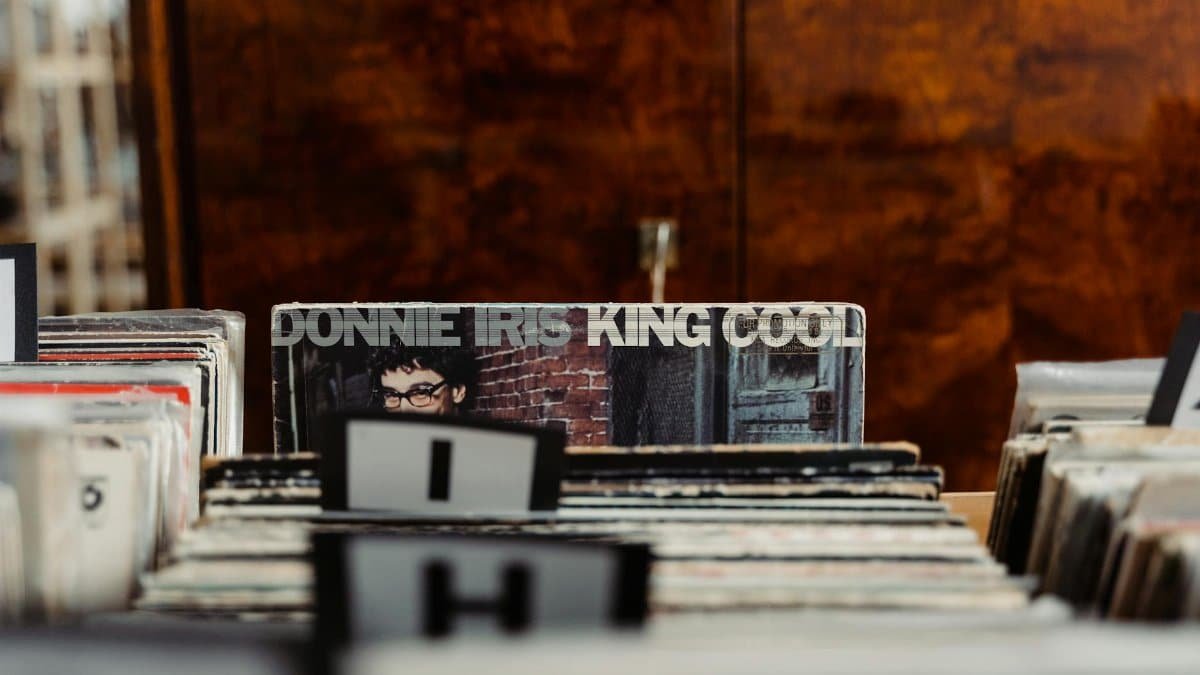
Flipping through vinyl, melodies from the past evoke timeless connections. The tactile experience grounds one, diminishing modern identity pressures. Enthusiasts often bond over tracks, rediscovering aspects of self through music. A browser might hum along, feeling a surge of intrinsic value. Cultural studies highlight music’s role in identity formation, offering nostalgic relief.
11. Home Altars or Quiet Corners
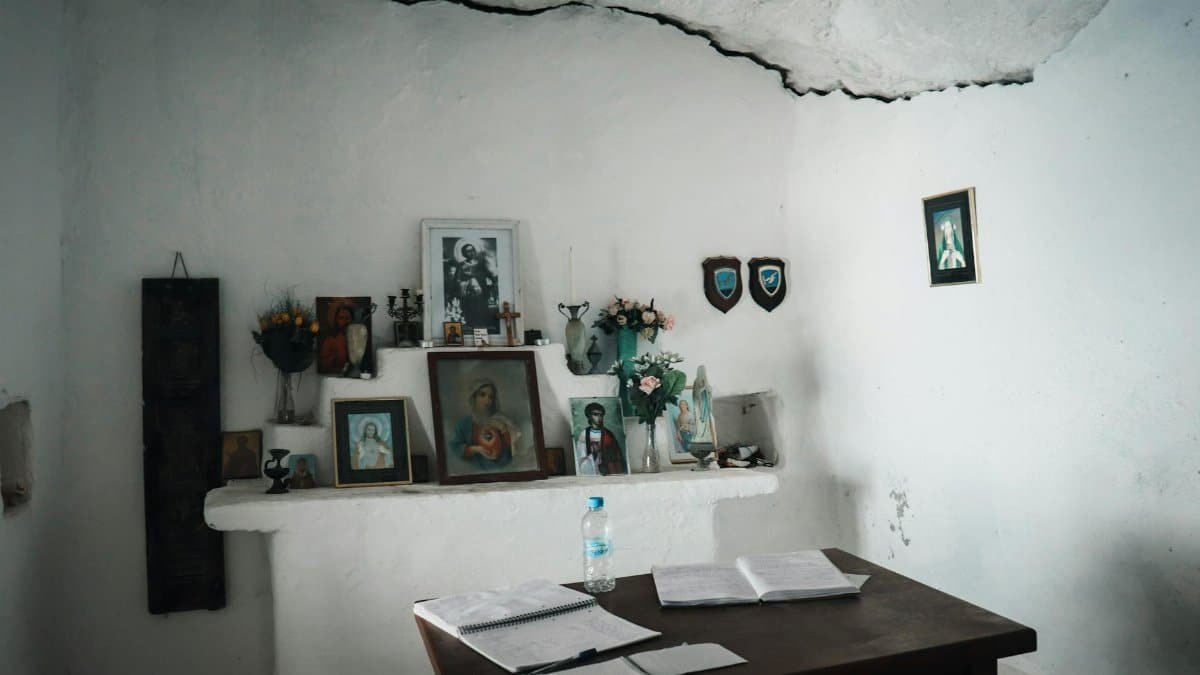
Finally, the most accessible spot: a personal nook at home, adorned with mementos. Here, in familiar surroundings, identity pressure truly softens through daily rituals. Lighting a candle or arranging photos invites contemplation of self-worth and meaning. It’s intimate, customizable, and profound. As trends in 2025 lean toward home-based wellness, these spaces empower ongoing self-discovery, proving refuge is often within reach.