

A recent study from Pew Research Center found that 62% of Americans over 40 report feeling overwhelmed by societal expectations around success and status, a sharp rise from a decade ago. This surge highlights a growing tension with identity pressure, self-worth, and personal meaning. People are seeking refuge. They turn to places that allow breathing room, where the constant push to define oneself through achievements fades. These spots foster quiet reflection. They nurture a sense of inherent value. In bustling cities or quiet suburbs, such havens exist. They remind us that worth isn’t tied to external validation. Instead, they encourage exploring personal narratives on one’s own terms. As midlife brings reevaluation, these locations become vital. They soften the edges of pressure, inviting authenticity.
1. Quiet Libraries
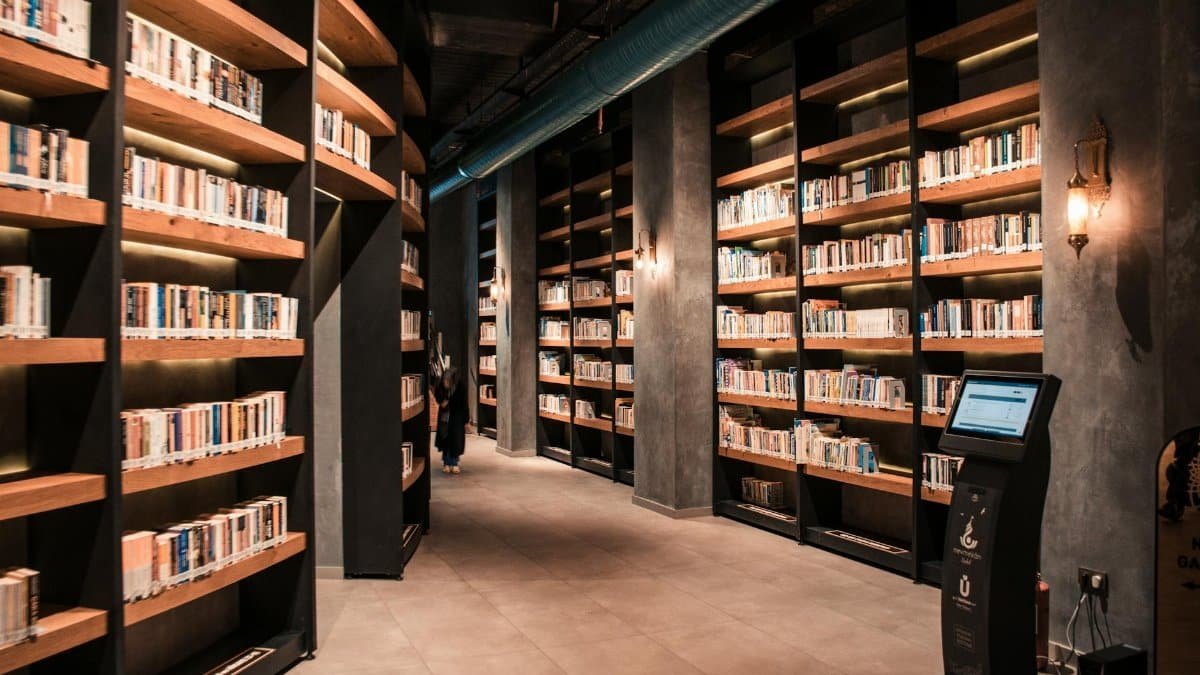
Amid stacks of books, the world quiets. Libraries offer a sanctuary from the clamor of daily judgments. Here, one can sit with a novel or journal, untouched by the need to perform. Identity pressure eases as pages turn, revealing stories that mirror inner struggles. A middle-aged accountant once shared how weekly visits helped him rediscover hobbies abandoned for career climbs. No one watches. No metrics apply. Self-worth rebuilds through simple absorption of knowledge. Studies show such environments reduce stress hormones. The American Library Association notes libraries as community anchors for personal growth.American Library Association Research underscores their role in fostering mental well-being.
Transitions feel natural here. From one aisle to the next, thoughts flow without interruption. It’s not about productivity. It’s about presence. For many, this space reignites a spark of curiosity dimmed by years of conforming to roles.
2. Secluded Beaches

Waves crash rhythmically, drowning out internal critiques. On a stretch of sand away from crowds, identity pressure dissipates with the tide. Bare feet in the surf invite contemplation. One woman described standing there at dawn, feeling her worth untethered from professional titles. The ocean’s vastness puts personal meaning into perspective. It’s humbling yet affirming. Research from the National Institutes of Health links coastal exposure to improved mood and self-perception.NIH Study on Blue Spaces details how water environments enhance psychological restoration.
Shells collected become metaphors for life’s fragments. No agenda drives the walk. Just the horizon, endless and forgiving. In these moments, self-worth emerges from within, not from societal mirrors.
Yet, not every visit is serene. Storms can mirror inner turmoil, teaching resilience. That’s the beauty—it’s real, unpolished.
3. Community Gardens
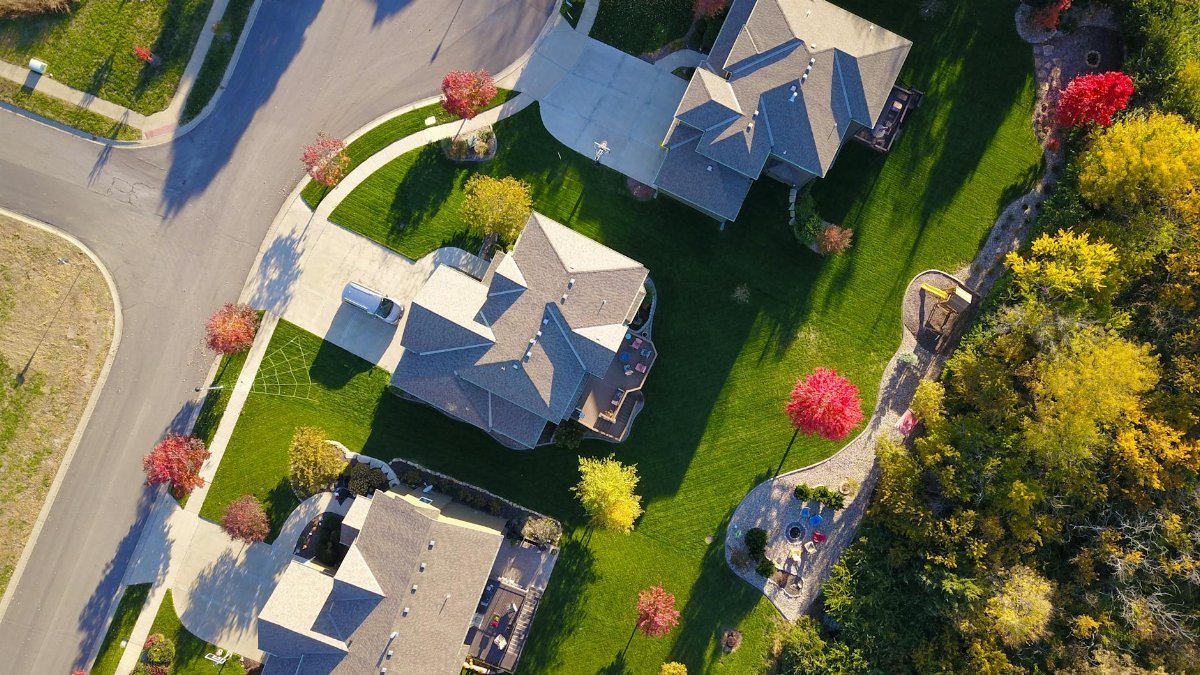
Hands in soil connect to something primal. Community gardens soften identity pressure by focusing on growth that’s literal and slow. Planting seeds demands patience, a counter to instant-gratification cultures. A retiree might till a plot, finding meaning in nurturing life amid career voids. Conversations with fellow gardeners stay light, centered on blooms rather than resumes. This shared labor builds quiet confidence. The USDA reports such spaces boost community bonds and personal satisfaction.USDA Community Gardens Page highlights their mental health benefits.
Dig deeper, and tensions arise. Weeds challenge persistence. But overcoming them reinforces self-worth. It’s collaborative yet solitary, a balance many crave.
4. Art Galleries
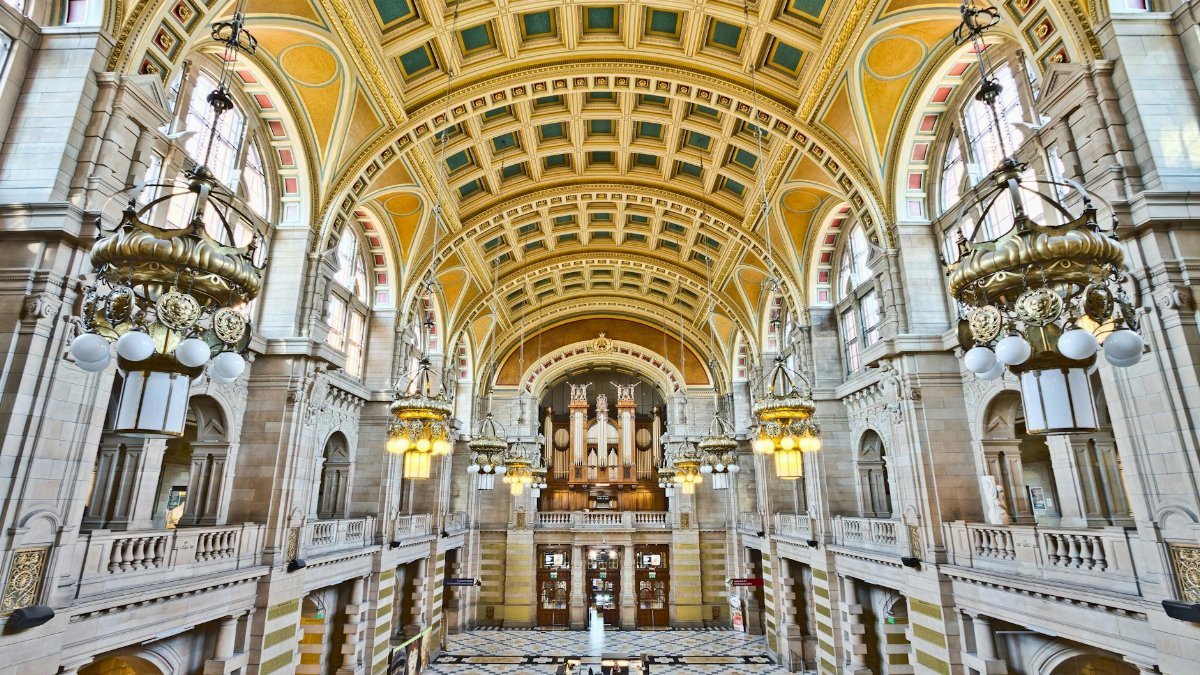
Paintings stare back, silent and provocative. In art galleries, identity pressure fades as visitors interpret works freely. No right answers exist. A canvas might evoke forgotten dreams, stirring personal meaning without judgment. Imagine a group lingering before a abstract piece, each seeing different stories. One anonymous online account shared how gallery visits healed self-doubt after a job loss, reframing failure as creative fuel. The quiet ambiance encourages introspection. According to Harvard’s art education research, such engagements enhance emotional intelligence.Harvard Graduate School of Education on Art and EI.
From sculpture to sketch, variety sparks curiosity. Transitions between exhibits mimic life’s shifts, smoothing the path to self-acceptance.
5. Hiking Trails

Paths wind through forests, demanding focus on the next step. Hiking trails strip away identity pressure, replacing it with physical rhythm. Elevation gains mirror personal triumphs. A hiker pauses at a vista, breath heavy, realizing worth beyond office walls. Trees whisper encouragement. Studies from the CDC link outdoor activity to reduced anxiety.CDC Physical Activity Benefits emphasize nature’s role in mental clarity.
Blisters form, but so does resolve. Companions might join, sharing stories that deepen connections. Or solitude reigns, allowing unfiltered reflection on self-worth.
Weather adds unpredictability. Rain-soaked treks teach adaptability, a key to personal meaning.
6. Yoga Studios

Mats unroll, breaths synchronize. Yoga studios create space where identity pressure yields to bodily awareness. Poses challenge limits gently, building self-worth through incremental progress. Instructors guide without competition. One practitioner recalled a class where vulnerability surfaced, leading to profound insights on personal meaning. The dim lights and soft music foster forgiveness. NIH research supports yoga’s impact on stress reduction.NIH on Yoga details its psychological advantages.
Flow from downward dog to warrior pose mirrors life’s ebbs. It’s inclusive, welcoming all bodies and stories.
7. Book Clubs

Pages discussed over coffee reveal shared vulnerabilities. Book clubs soften identity pressure by emphasizing collective interpretation over individual status. Members bond through characters’ journeys, reflecting on their own self-worth. A lively debate might uncover hidden facets of personal meaning. No hierarchies dominate. Pew data shows reading groups enhance empathy.Pew Research on Reading.
Disagreements arise, but they enrich understanding. It’s a microcosm of supportive dialogue.
8. Volunteer Centers

Tasks assigned shift focus outward. Volunteer centers ease identity pressure by channeling energy into service. Helping others reaffirms personal meaning. A soup kitchen shift might remind someone of inherent value. Connections form organically. The Corporation for National and Community Service reports volunteering boosts life satisfaction.CNCS Volunteering Benefits.
Challenges test patience, yet rewards are immediate. It’s grounding, real.
Stories exchanged during breaks weave a tapestry of resilience.
9. Coffee Shops
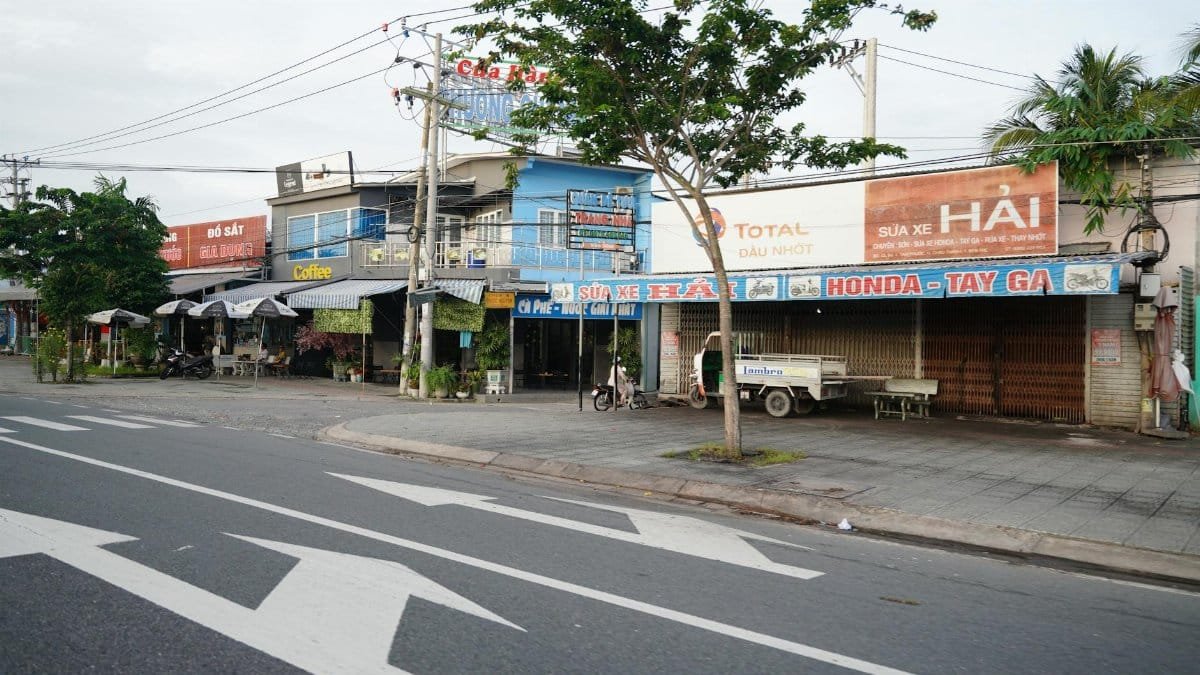
Steam rises from mugs in cozy corners. Independent coffee shops provide nooks where identity pressure, self-worth, and personal meaning can be pondered anonymously. Solo patrons journal or people-watch, free from scrutiny. Aromas comfort. One might overhear snippets of conversation that resonate deeply. Research from urban studies at MIT explores cafes as third places for reflection.MIT on Third Places.
Time stretches. Ideas brew alongside lattes.
10. Home Sanctuaries

Personal spaces at home, like a reading nook, offer ultimate control. Here, identity pressure dissolves in familiarity. Customizing the area affirms self-worth. Evening rituals build personal meaning. A cluttered desk transforms into a haven. Psychological studies from APA link home environments to identity formation.APA on Personality and Environment.
It’s intimate, evolving with moods.
Occasional disruptions remind of balance needed.
11. Mountain Retreats
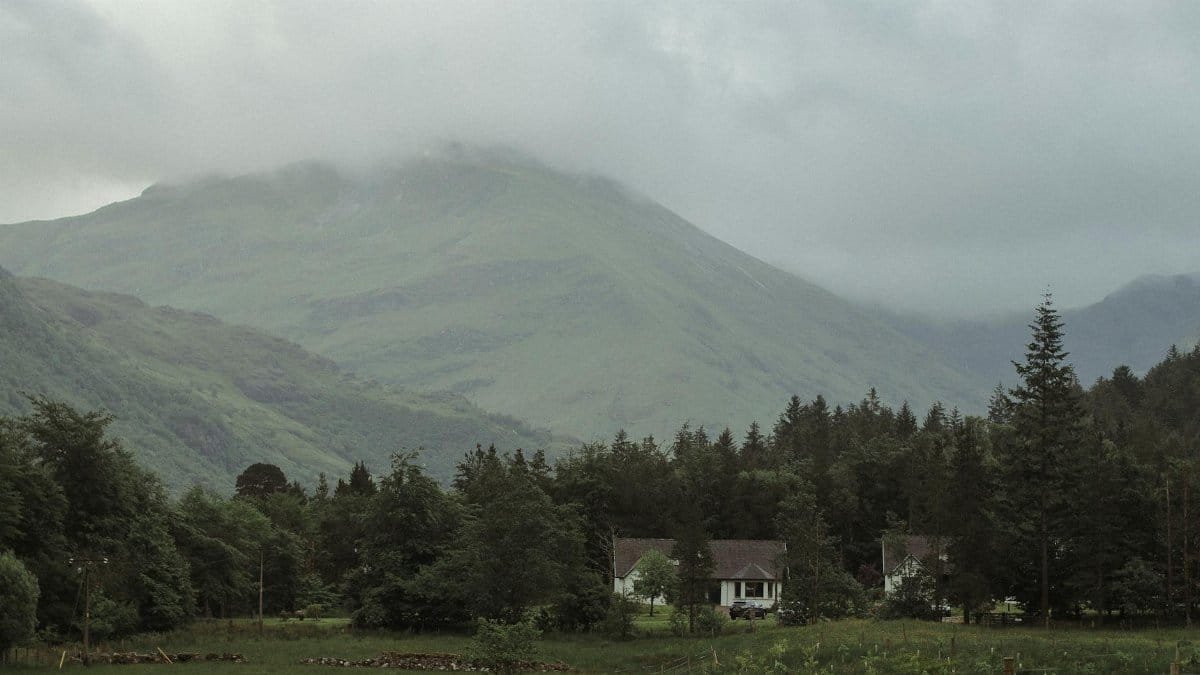
Peaks loom, inviting ascent. Mountain retreats soften identity pressure through isolation and awe. Summits provide perspective on life’s scale. Self-worth solidifies in the climb. Groups bond, or solitude prevails. USGS data ties high-altitude experiences to mindfulness.USGS on Natural Environments.
Descent brings integration. Lessons linger, shaping everyday views.
In 2025, as remote work persists, these escapes gain appeal, blending adventure with introspection.