

Walk down any street in a bustling city like Chicago these days, and you might notice more people slipping away for quiet moments alone. It’s a subtle shift, driven by the growing embrace of self-reflection, inner awareness, personal insight. In an era of constant notifications and endless scrolls, Americans are seeking spots that foster deeper thinking. This isn’t just a fad. Surveys show rising interest in mindfulness practices, up significantly over the past decade. People report feeling overwhelmed by daily noise. They crave places where thoughts can unfold without interruption. These locations offer more than escape. They invite genuine introspection. From natural wonders to urban hideaways, such spots encourage pausing amid the rush. In 2025, as work-life boundaries blur further, finding these havens feels essential. They remind us that true clarity often comes in silence.
1. National Parks Like Yosemite
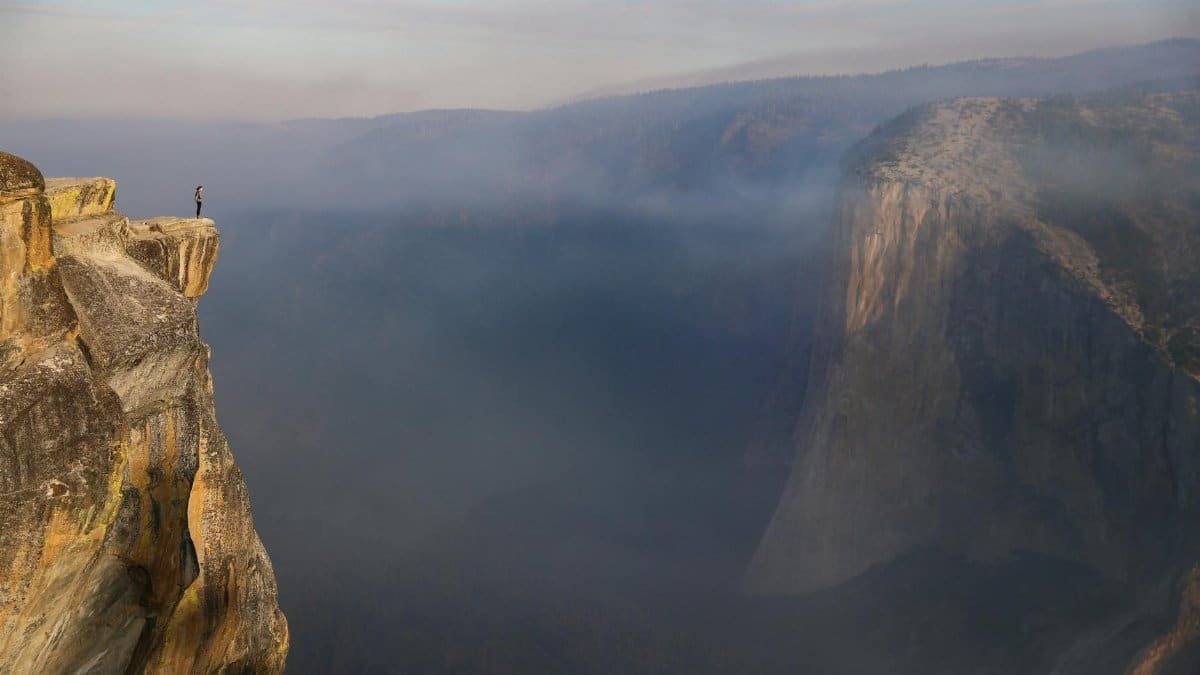
Yosemite’s granite cliffs rise sharply against the sky, drawing visitors into a world far removed from urban clamor. Here, the sheer scale of nature prompts a reevaluation of personal scale. Hikers often pause on trails, gazing at waterfalls that have carved stone for millennia. One anonymous account shared online described standing at Glacier Point at sunset, feeling petty worries dissolve like mist. It’s no coincidence. Research from Stanford University highlights how time in nature reduces rumination and boosts creative thinking.Stanford News on Nature and Mental Health details a study where walking in green spaces lowered activity in brain regions linked to repetitive negative thoughts. For middle-aged professionals juggling careers and family, Yosemite becomes a mirror, reflecting inner strengths long ignored. The park’s vastness encourages questions about legacy and purpose. Trails wind through sequoia groves, where ancient trees stand as silent witnesses to time’s passage. A brief hike might start with a to-do list in mind, but end with unexpected insights about relationships or unfulfilled dreams. This isn’t forced meditation. It’s organic, sparked by the environment itself.
2. Secluded Beaches at Dawn
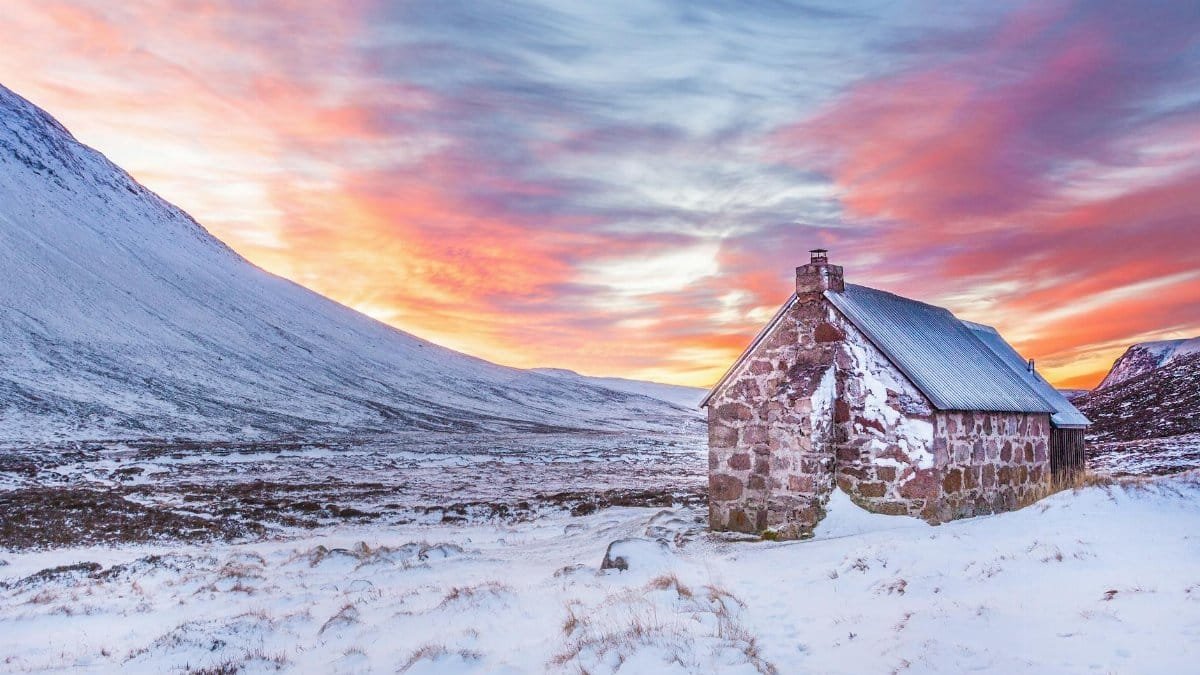
Imagine the first light breaking over the Atlantic, waves lapping gently on a stretch of sand in Cape Cod. No crowds yet, just the rhythmic pull of the tide. Such moments strip away distractions, leaving room for thoughts to surface. A retiree might wander here, pondering life transitions after decades in the workforce. The ocean’s expanse mirrors the vastness of one’s inner world, inviting exploration without judgment. According to the National Institutes of Health, coastal environments promote relaxation and self-awareness through sensory immersion.NIMH on Mindfulness notes how such settings enhance emotional regulation. In these quiet hours, personal narratives unfold. One might recall a childhood memory triggered by the salt air, leading to fresh perspectives on current challenges. It’s a space where regrets wash away like footprints in the sand. Middle-aged readers, often caught in midlife reevaluations, find beaches ideal for this. The horizon line suggests possibilities beyond immediate horizons, fostering a sense of renewal.
3. Historic Libraries
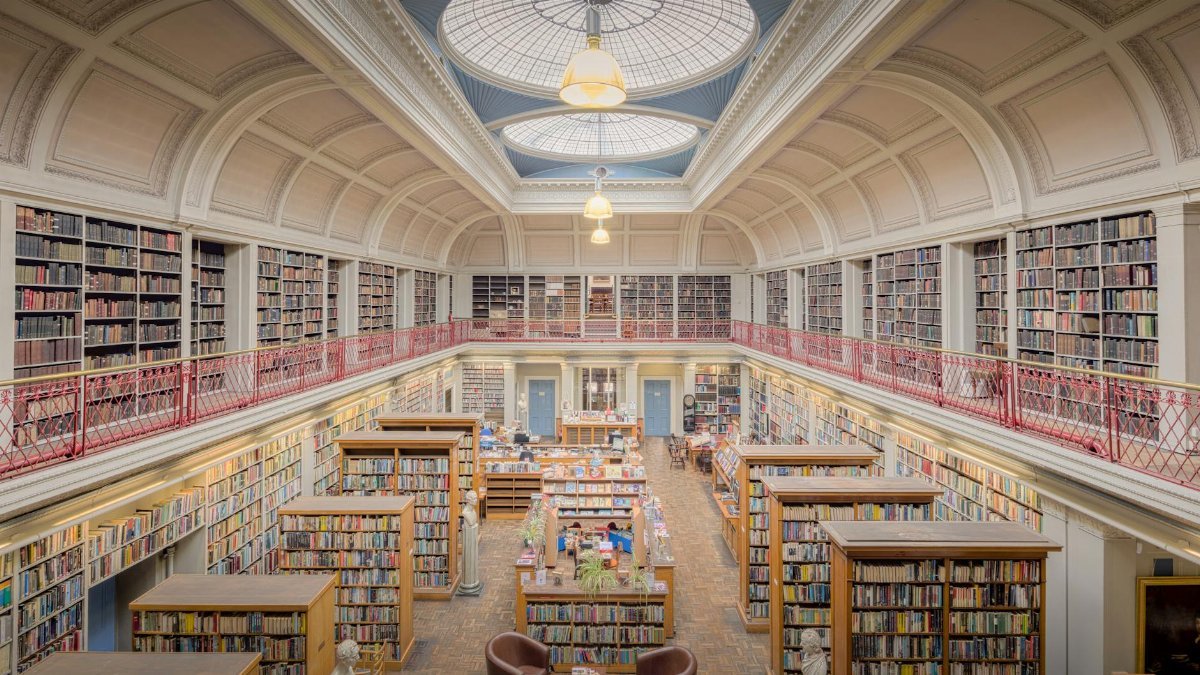
Step into the hushed halls of the New York Public Library, and the weight of accumulated knowledge presses in. Leather-bound volumes line the shelves, each a testament to human curiosity. Here, self-reflection blooms amid the pages. A visitor flipping through philosophy texts might stumble upon a passage that resonates deeply, sparking an internal dialogue. It’s not unusual to see someone lost in thought, notebook in hand. Pew Research indicates a surge in library usage for personal growth activities.Pew Research on Libraries reports that many Americans turn to these spaces for quiet contemplation. The architecture itself aids this, with high ceilings that seem to lift mental burdens. Anecdotes abound of career changers finding clarity here, away from digital pings. One such story involves a manager sketching out life goals during a lunch break, emerging with renewed direction. Libraries bridge past wisdom with present queries, making them perfect for nurturing inner awareness.
4. Mountain Hiking Trails
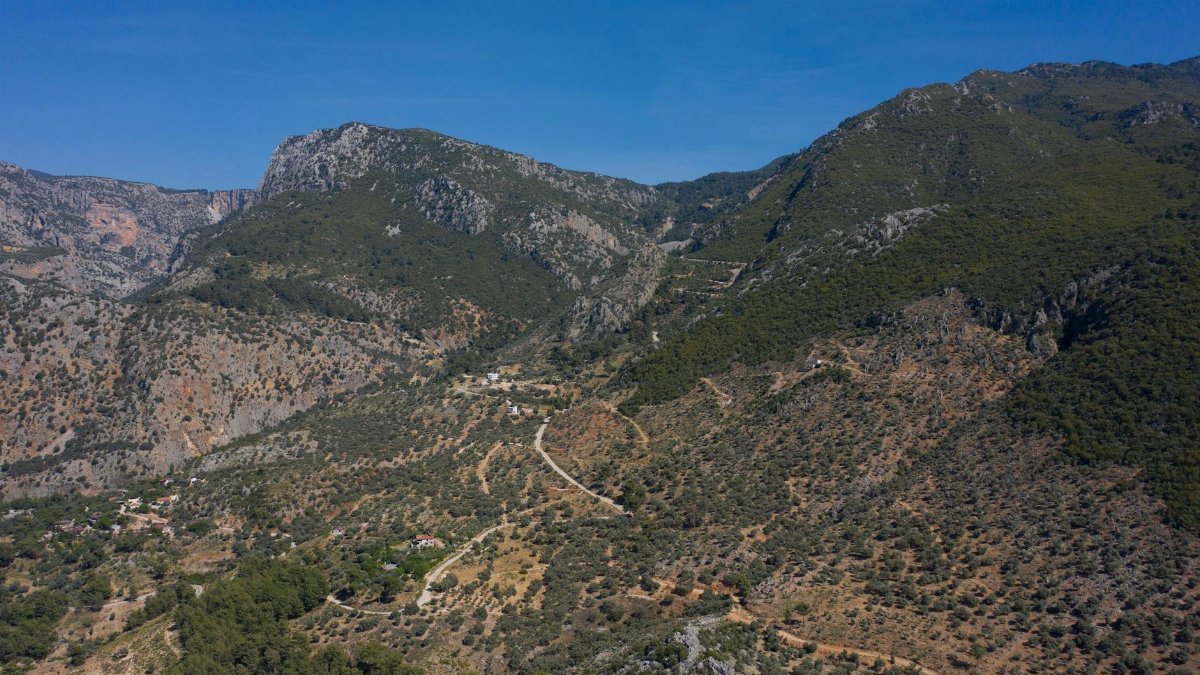
Ascending a trail in the Rockies, each step demands focus, pulling the mind inward. The air thins, and so do superficial concerns. At summits, panoramic views compel a broader outlook on life. Hikers often report epiphanies about work-life balance, inspired by the effort required to reach the top. A study from the University of Utah links high-altitude experiences to enhanced perspective-taking.University of Utah Research explores how physical challenges in nature foster psychological resilience. For those in their forties or fifties, these trails symbolize personal climbs. Picture a group pausing for breath, one member sharing how the path mirrors their journey through grief. Such exchanges deepen the experience. The isolation amplifies self-dialogue, turning a hike into a meditative practice. Windswept peaks remind us of impermanence, urging honest assessments of priorities.
5. Tranquil Gardens
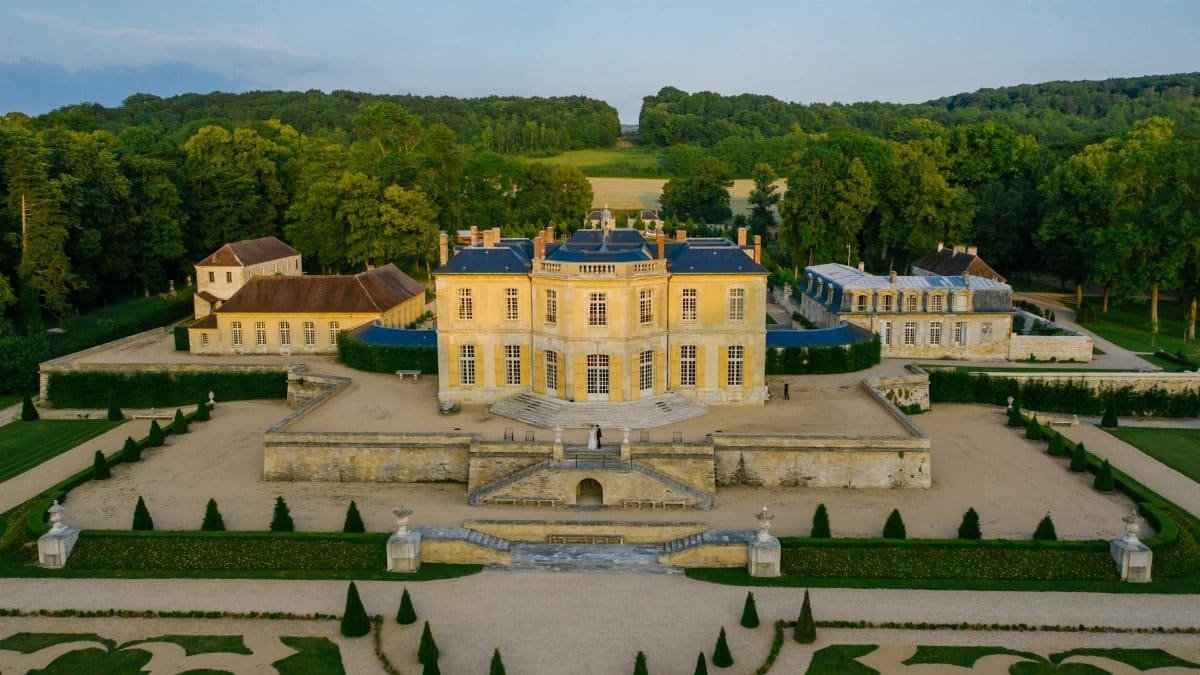
Botanical gardens in places like Brooklyn offer manicured paths winding through blooms and foliage. The deliberate design invites slow wandering, where each flower bed prompts pause. Visitors might sit on a bench, observing seasonal changes that parallel life’s cycles. This setting nurtures gentle introspection, free from judgment. One anonymous online reflection described feeling a profound connection to growth after tending to personal losses. Gardens symbolize renewal, aligning with self-reflection practices. The CDC emphasizes green spaces for mental health benefits.CDC Mental Health Resources highlight how such environments reduce stress. Amid vibrant colors and scents, thoughts clarify. Middle-aged individuals, navigating empty nests or career shifts, find solace here. A simple observation of a budding rose can spark insights into patience and personal development.
6. Sacred Sites and Churches
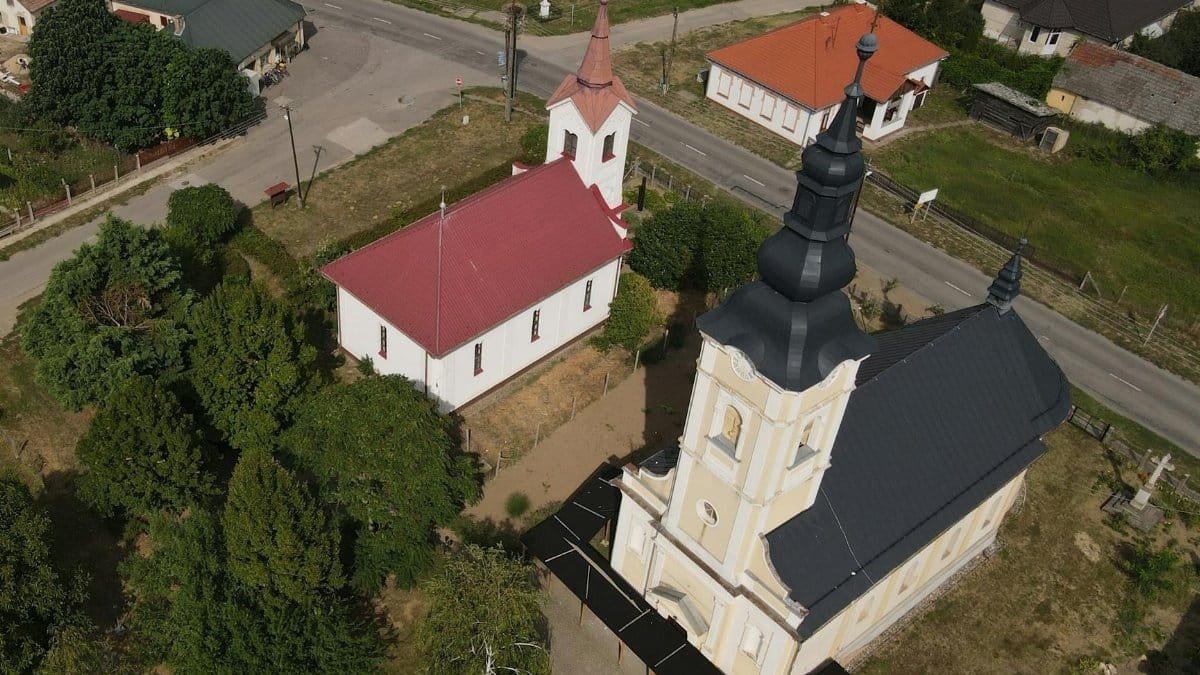
Entering a historic church in New England, the stained glass filters light into colorful patterns on stone floors. The atmosphere encourages reverence and inward focus. Worshippers or visitors alike sit in pews, contemplating faith or life’s mysteries. These spaces transcend religion, offering universal quiet for personal insight. Stories emerge of people finding peace after turmoil, like a widower reflecting on shared memories. The architecture, with its arches and echoes, amplifies inner voices. Research from Harvard Divinity School explores spirituality’s role in self-awareness. Sacred sites provide a container for emotions, allowing them to surface safely. In 2025, as societal stresses mount, these locations gain renewed appeal. They bridge the personal and the profound, fostering deeper understanding.
7. Art Museums
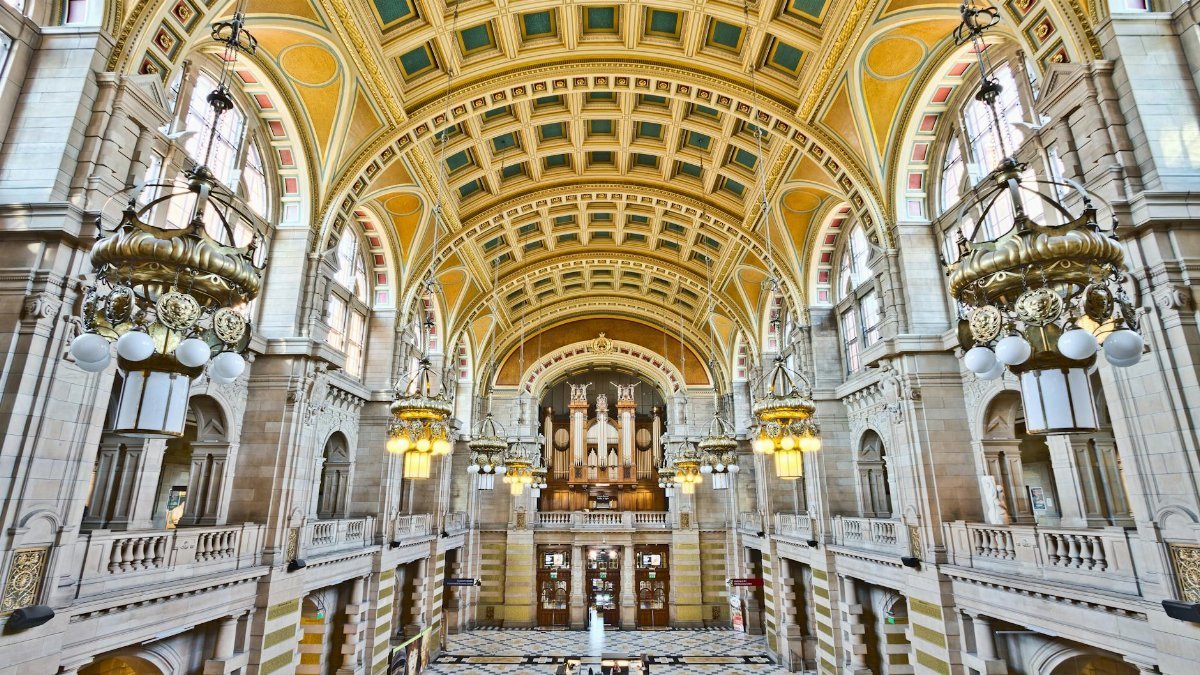
Wandering through the galleries of the Metropolitan Museum of Art, masterpieces provoke questions about human experience. A painting might evoke forgotten emotions, leading to self-examination. Viewers stand transfixed, connecting artwork to their stories. One account recalls a moment before Van Gogh’s swirls, realizing parallels to inner turmoil. Museums stimulate creative reflection without words. The National Endowment for the Arts notes increased visits for therapeutic purposes. Art engages the subconscious, revealing hidden facets of personality. For middle-aged audiences, this can illuminate midlife transitions. Rooms filled with history encourage viewing one’s life as a canvas, open to revision.
8. Lakeside Retreats
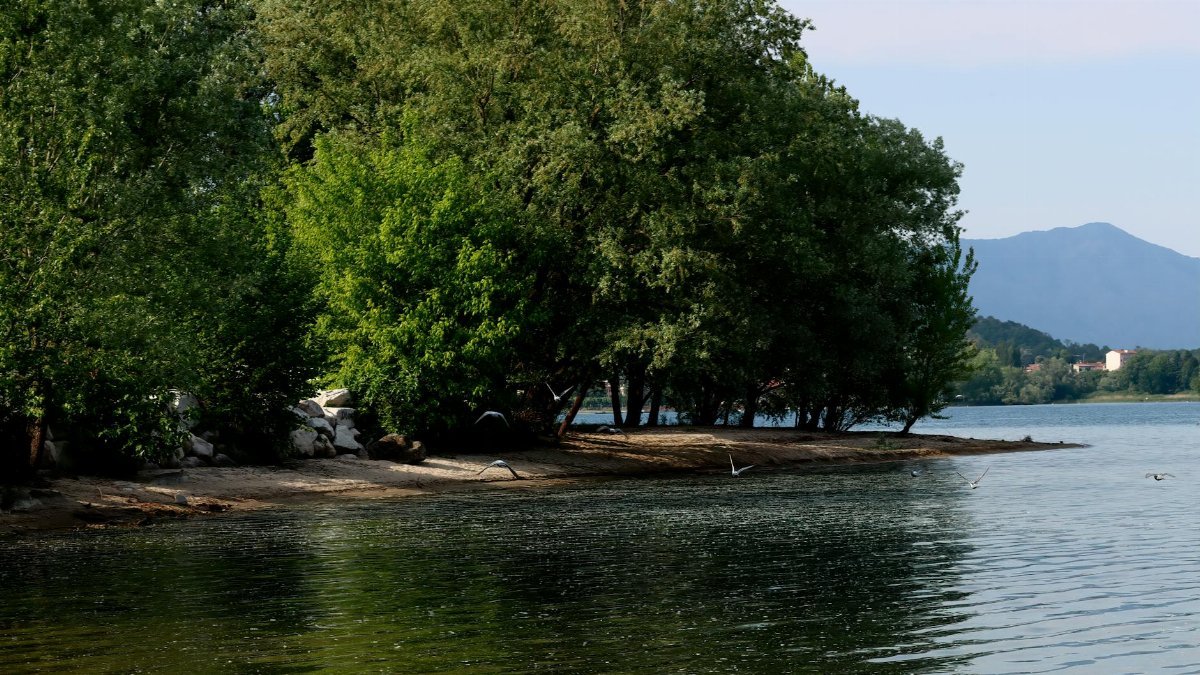
By the shores of Lake Tahoe, still waters reflect surrounding peaks, mirroring the mind’s potential for clarity. Kayakers glide out at dawn, the paddle’s dip the only sound. Such serenity invites unpacking mental clutter. A family man might ponder fatherhood while skipping stones, gaining fresh perspectives. Lakes embody calm, contrasting life’s storms. Environmental studies affirm water’s soothing effects on cognition. These spots encourage journaling or silent sitting, practices that build inner awareness. As remote work blurs boundaries in 2025, lakesides offer essential resets.
9. Desert Landscapes
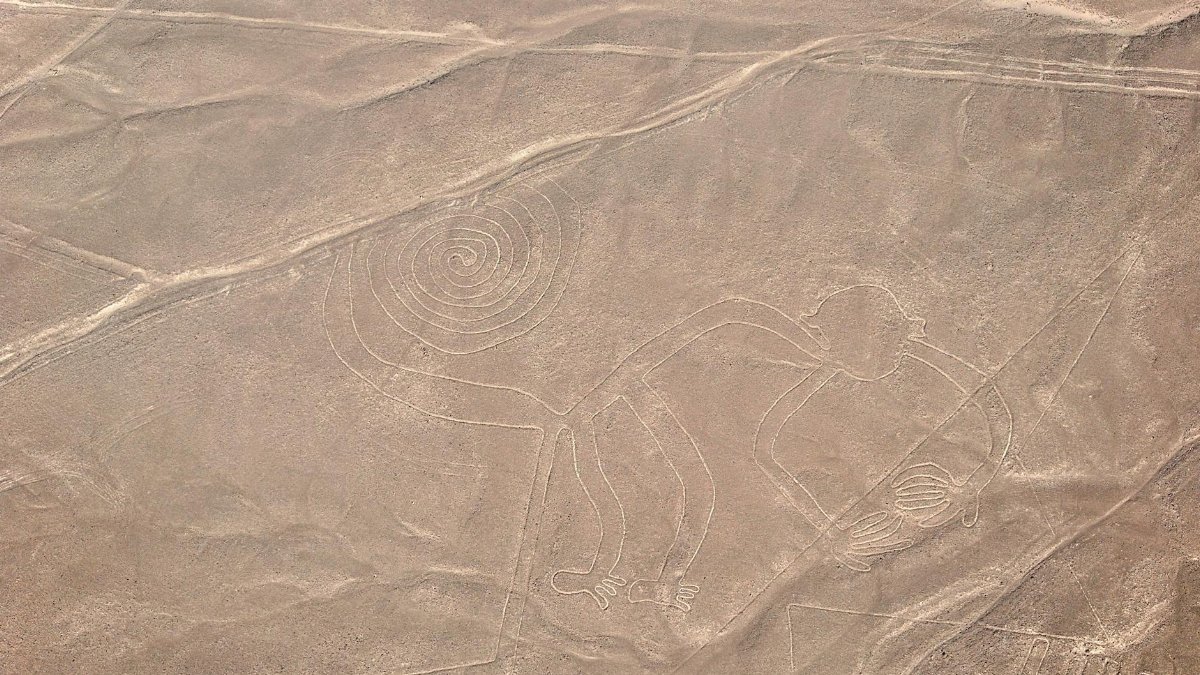
The stark beauty of the Mojave Desert strips life to essentials, forcing confrontation with solitude. Endless sands and jagged rocks demand resilience, much like personal growth. Night skies burst with stars, humbling egos and expanding viewpoints. Travelers report breakthroughs in understanding past choices. Deserts teach endurance, aligning with self-reflection’s demands. Geological surveys describe these areas as natural laboratories for introspection. In their vast emptiness, profound insights emerge.
10. Urban Parks

Central Park in New York provides an oasis amid skyscrapers, where benches overlook ponds and paths. Joggers and strollers coexist, yet solitude is possible. A professional might escape lunch-hour chaos here, reflecting on ambitions. Parks democratize access to nature’s benefits in cities. Urban planning research shows they enhance well-being. These green lungs of the city facilitate quick dives into personal insight, vital for busy lives.
11. Personal Home Spaces

Finally, a dedicated corner at home—a window nook or attic room—can rival grand vistas. With intention, it becomes a sanctuary for daily reflection. One might light a candle, reviewing the day’s events. Home spaces allow consistency, building habits of inner awareness. Psychologists advocate for such routines in fostering personal insight. In 2025, as hybrid living persists, these intimate spots prove invaluable. They remind us reflection starts within, regardless of location.