

When a recent survey by the American Psychological Association revealed that nearly 70% of adults reported significant stress from life upheavals last year, it underscored a growing trend: people are seeking out specific places to navigate these shifts. This spike, up from 50% a decade ago, highlights how major transitions, life change, adaptation often prompt a deliberate choice of environment. Whether it’s a career pivot, a relationship ending, or retirement looming, Americans are turning to locations that foster reflection and renewal. These spots aren’t just escapes; they represent intentional steps toward wellbeing over relentless ambition. In a culture that prizes hustle, this pivot feels quietly revolutionary, inviting a deeper engagement with one’s evolving self amid uncertainty.
1. Coastal Beaches
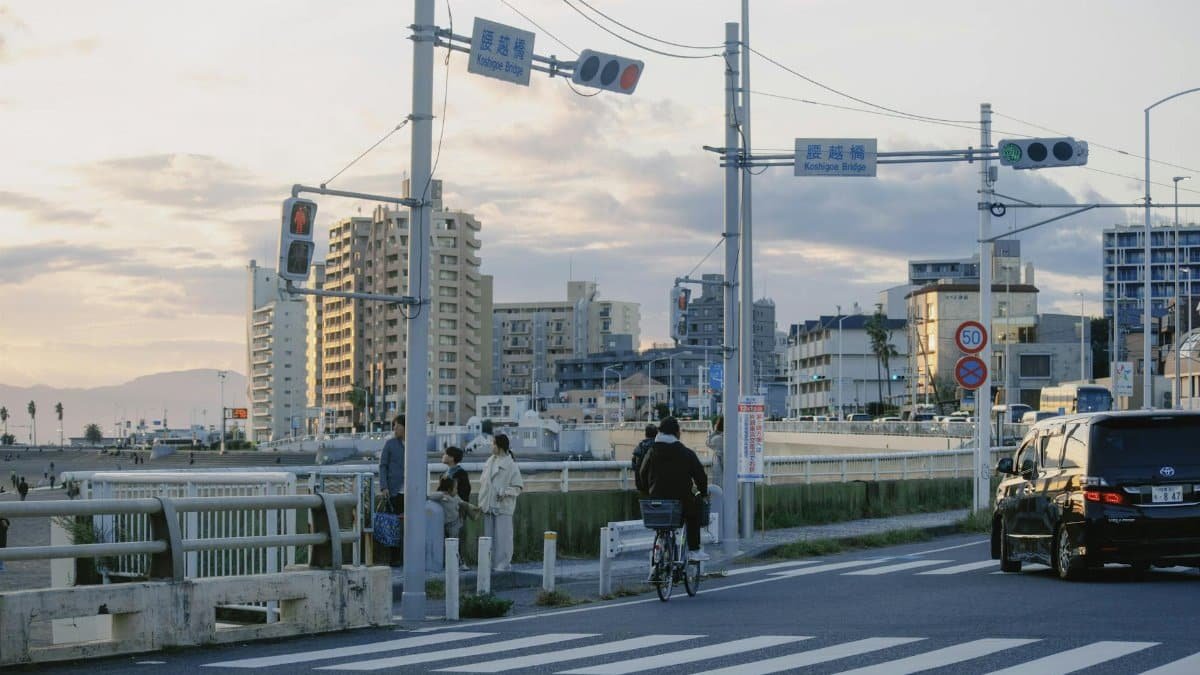
Along the rugged shores of California’s Big Sur, waves crash relentlessly, mirroring the inner turmoil of those in flux. People flock here during major transitions, drawn by the ocean’s vastness that puts personal upheavals into perspective. One anonymous account shared online described standing at the water’s edge, feeling the salt air sting, as a divorce’s pain began to ebb with each tide. It’s no coincidence; studies show proximity to water can lower cortisol levels, aiding adaptation. The beach becomes a canvas for reinvention, where long walks spark clarity. In 2025, with remote work enabling longer stays, more middle-aged professionals are renting seaside cottages to process job losses or empty nests. This isn’t mere vacationing—it’s a ritual of release, where the horizon line symbolizes untapped possibilities.
2. Mountain Retreats
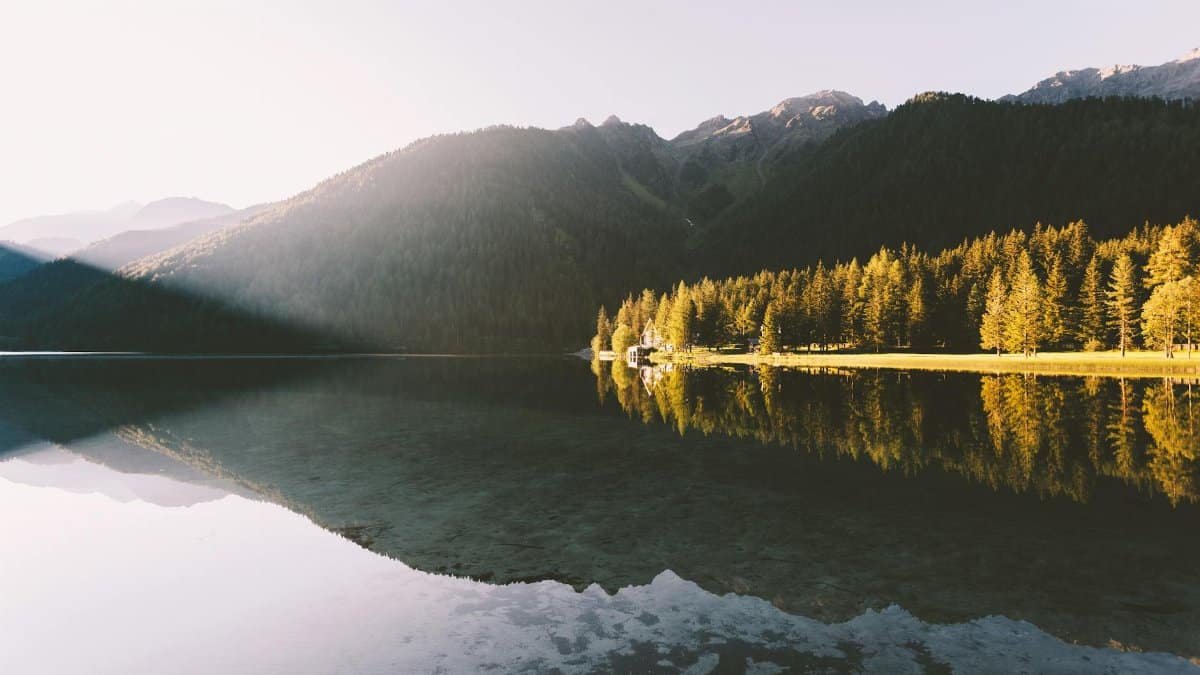
High in the Rockies, where pine scents fill the crisp air, hikers pause at summits to catch their breath and, often, their bearings. These elevations attract those grappling with life change, offering literal and metaphorical peaks to conquer. Imagine a widower from Denver trekking the trails, each step a negotiation with grief, emerging with a renewed sense of purpose. Research from the U.S. Forest Service indicates that time in mountainous areas boosts mental resilience, key for adaptation during transitions. Cabins dotted along paths provide solitude without isolation, fostering introspection. As urban stress mounts, these retreats serve as antidotes, reminding visitors that scaling personal mountains requires patience and the right footing.
3. Urban Parks

Amid the bustle of New York City’s Central Park, benches offer quiet respites where joggers and readers alike find momentary peace. Surprisingly, city dwellers in the midst of major transitions often choose these green oases over far-flung escapes. A marketing executive, facing burnout, might wander the paths daily, observing squirrels and strangers, piecing together a new career vision. Data from Pew Research Center on urban wellbeing shows that access to parks correlates with better emotional regulation during life shifts. In 2025, with hybrid lifestyles blurring work and home, these spots double as informal therapy sessions, blending community vibes with personal space. The contrast of skyscrapers against foliage underscores adaptation’s urban reality—thriving amid chaos.
4. Rural Countryside

Fields stretching under wide skies in the Midwest draw those seeking simplicity during upheaval. Here, the rhythm of farm life—chickens clucking at dawn, tractors humming—provides a grounding counterpoint to metropolitan frenzy. Consider a family relocating after a parent’s illness, finding solace in community potlucks and starlit nights that encourage honest conversations. Insights from the Centers for Disease Control and Prevention highlight how rural settings reduce anxiety through nature immersion, aiding long-term adaptation. As remote opportunities expand, more are trading city apartments for homesteads, embracing slower paces that nurture wellbeing. This choice reflects a broader shift: prioritizing mental space over professional ladders, where soil under fingernails signals genuine progress.
5. Desert Landscapes

In Arizona’s Sonoran Desert, cacti stand sentinel under relentless sun, embodying resilience that resonates with transitional souls. Visitors arrive parched for change, wandering sandy trails where silence amplifies inner voices. One might recall a tech worker from Seattle, post-layoff, camping under the stars, journaling fears that dissolve like morning dew. A study linked via the National Institutes of Health explores how arid environments promote mindfulness, essential for navigating life change. The stark beauty strips away distractions, forcing confrontation with truths. In an era of constant connectivity, these vast expanses offer digital detoxes, helping individuals adapt by reconnecting with their core selves.
6. Forest Cabins
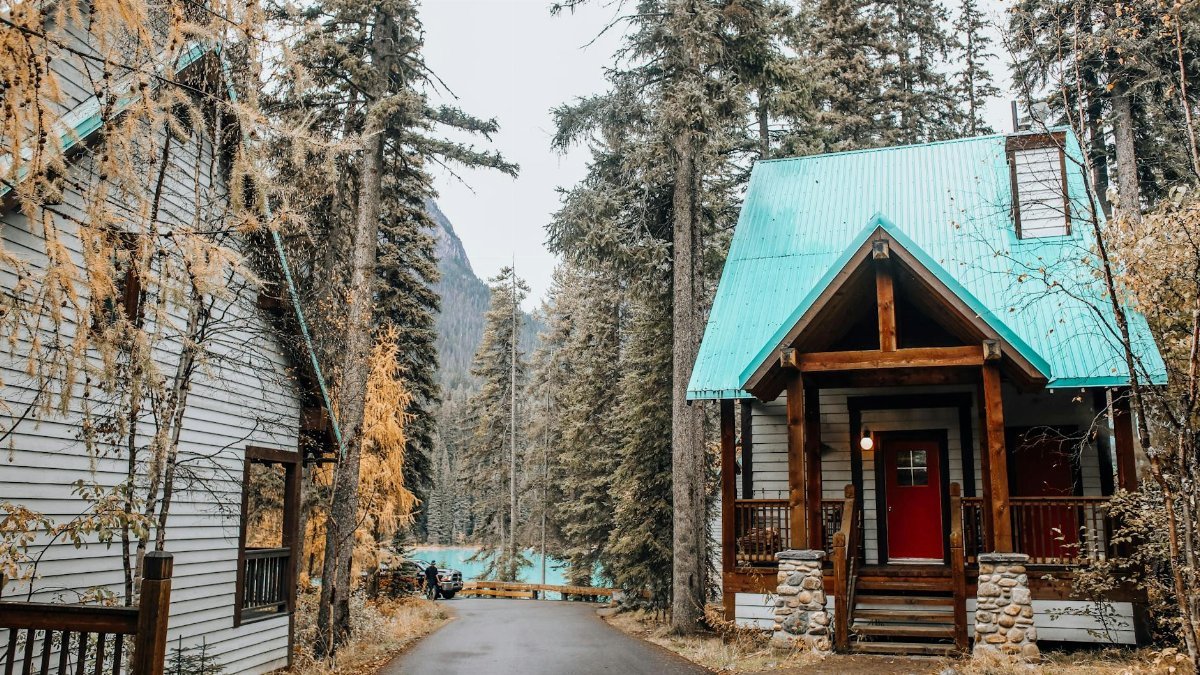
Deep in Washington’s Olympic National Park, wooden cabins nestle among towering evergreens, where rain patters on roofs like a soothing lullaby. These hideaways lure those in major transitions, providing enveloped seclusion for reflection. Picture a retiree from Chicago, chopping wood for the first time, each swing chipping away at decades of routine. Forest therapy, backed by research from Japanese studies summarized on U.S. Forest Service research pages, demonstrates lowered stress hormones through phytoncide exposure. As 2025 sees a surge in eco-tourism, these spots become hubs for adaptation workshops, blending solitude with subtle guidance. The enveloping greenery fosters growth, much like roots delving deep for stability.
7. Island Havens
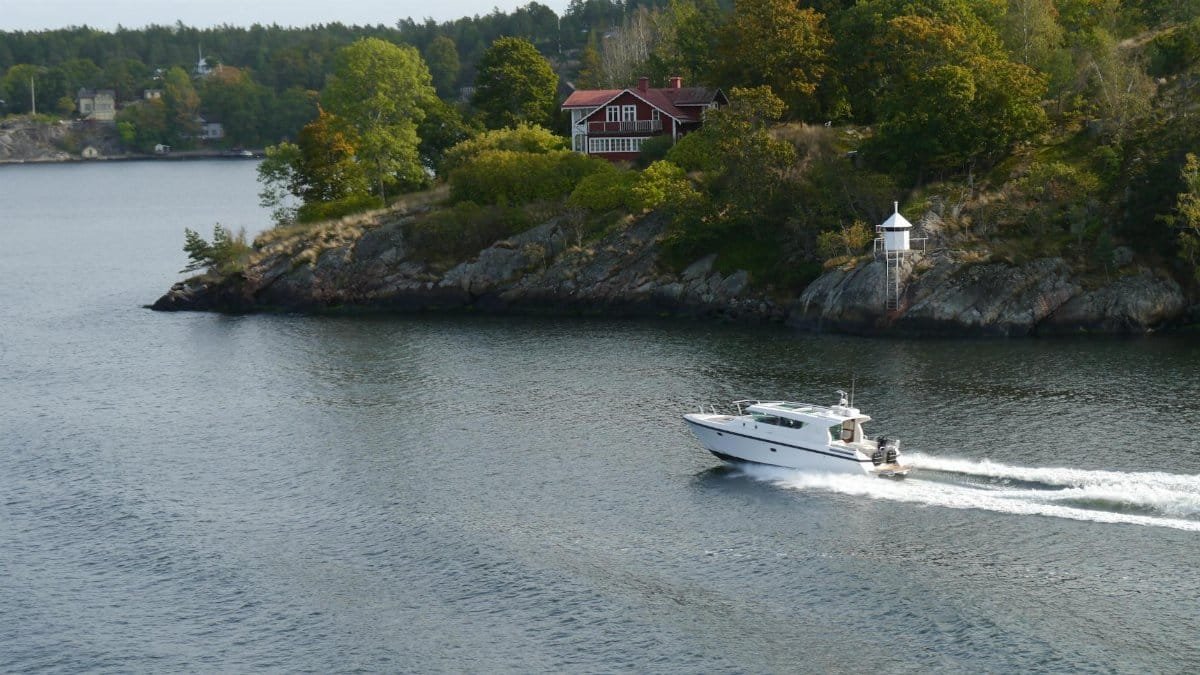
Off Hawaii’s shores, islands like Maui beckon with turquoise waters and volcanic vistas, ideal for those shedding old skins. Transitions here unfold leisurely, with sunsets painting skies in hues of possibility. An entrepreneur, reeling from business failure, might snorkel among reefs, drawing parallels to life’s undercurrents. Wellness data from Harvard T.H. Chan School of Public Health suggests island environments enhance emotional flexibility, crucial for adaptation. With travel rebounding, middle-aged seekers book extended stays, engaging in yoga retreats that emphasize presence over past ambitions. This isolation, paradoxically connective, helps realign priorities toward inner harmony.
8. Historical Towns
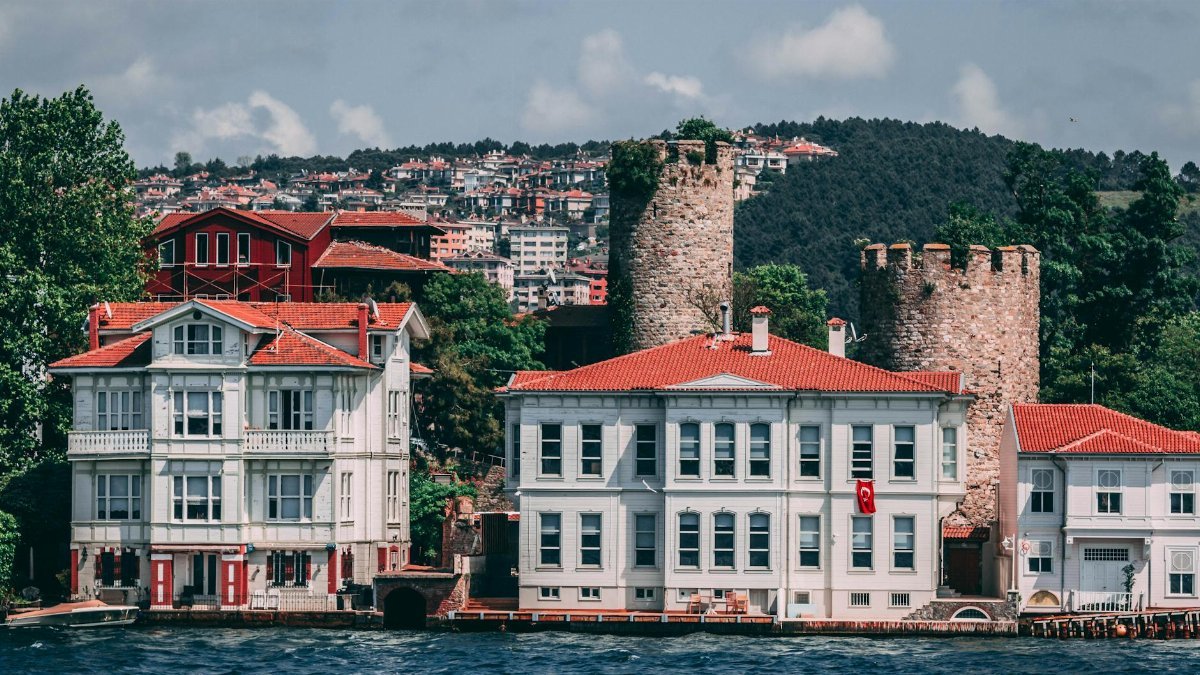
Strolling cobblestone streets in Charleston, South Carolina, where antebellum homes whisper stories of endurance, offers a temporal anchor during personal flux. People choose these locales to absorb lessons from history, applying them to their own narratives. A teacher facing midlife reevaluation wanders museums, finding inspiration in tales of reinvention. Historical preservation efforts, as noted by the National Park Service, correlate with community resilience, mirroring individual adaptation. In 2025, these towns host festivals that blend past and present, encouraging visitors to weave their transitions into a larger tapestry of human experience.
9. Wellness Resorts

At spas in Sedona, Arizona, red rock formations frame pools where steam rises, inviting deep relaxation. These resorts cater specifically to those in life change, with programs tailored for emotional recalibration. Imagine a couple post-separation, attending meditation sessions that transform pain into insight. Industry reports from wellness associations, accessible via Global Wellness Institute, show a 20% uptick in transition-focused retreats. Adaptation here involves guided practices, from sound baths to nutrition counseling, prioritizing holistic health. As ambition takes a backseat, these sanctuaries affirm that true progress stems from nurtured wellbeing.
10. National Parks

Yosemite’s granite cliffs and waterfalls draw crowds, but off-season, they offer profound solitude for transitional journeys. Hikers traverse paths, each vista a metaphor for overcoming obstacles. A veteran adapting to civilian life might camp by a river, the flowing water symbolizing forward momentum. Conservation data from the National Park Service underscores parks’ role in mental health recovery. With 2025 initiatives expanding access, these natural wonders become accessible refuges, fostering adaptation through awe-inspiring encounters that dwarf personal struggles.
11. Home Sanctuaries

Sometimes, the most profound location is one’s own living room, transformed into a haven during major transitions. Rearranging furniture or creating a meditation nook allows adaptation without displacement. A single parent, after a move, might repaint walls, infusing spaces with fresh intent. Psychological insights from American Psychological Association emphasize how familiar environments, when mindfully altered, support life change. In an age of economic caution, this choice underscores resourcefulness, proving that wellbeing blooms where ambition meets everyday presence. It’s a quiet rebellion, turning the ordinary into a launchpad for renewal.