

A recent study from the Pew Research Center revealed that nearly 40% of Americans who underwent significant life changes in the past decade relocated to entirely new environments, often prioritizing mental health over career ladders. This surge, up from just 25% in previous years, underscores a growing emphasis on wellbeing amid major transitions, life change, adaptation. As economic pressures ease for some and remote work becomes the norm, people are ditching high-stress urban hubs for spots that promise renewal. It’s not just about escaping; it’s about recalibrating. In 2025, with hybrid lifestyles on the rise, these choices reflect a broader shift where personal growth trumps relentless ambition. But what draws folks to specific places? Let’s explore 11 popular locations that serve as havens during upheaval.
1. Coastal Towns

People often flock to coastal towns when life’s tides turn turbulent. Think of places like Cape Cod or the Oregon coast, where the rhythmic crash of waves offers a soothing backdrop for reflection. One woman, after a messy divorce, described settling in a small Maine fishing village as “the first time in years I could hear my own thoughts.” Such spots foster adaptation by providing space for solitude without isolation. Research from the American Psychological Association highlights how proximity to water can reduce stress hormones, aiding emotional recovery. In these communities, newcomers join book clubs or volunteer at beach cleanups, weaving into the fabric of local life. It’s a gentle way to rebuild, where mornings start with salty air and evenings end with sunsets that symbolize fresh starts.
2. Mountain Retreats
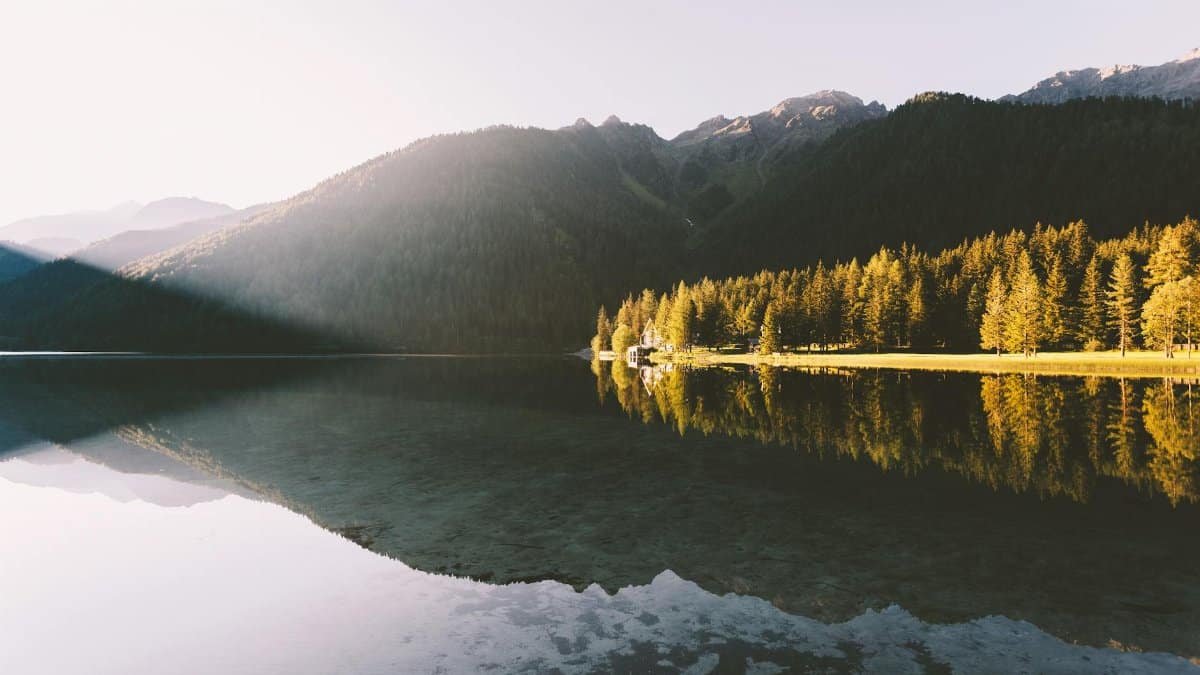
High elevations call to those craving perspective during upheaval. Imagine packing up after a job loss and heading to the Rockies, where trails wind through pine-scented forests. A recent public account shared online captured this: someone reeling from burnout found clarity hiking in Colorado, noting how the altitude “literally lifted the fog from my mind.” These retreats emphasize physical challenges that mirror internal ones, promoting resilience. According to a study by the U.S. Forest Service, time in mountainous areas boosts endorphins and fosters a sense of accomplishment. Communities here often revolve around outdoor pursuits, from skiing to yoga retreats, helping individuals adapt by reconnecting with nature’s unyielding rhythms. Yet, it’s not all bliss; harsh winters test resolve, mirroring the grit needed for personal evolution.
3. Urban Metropolises
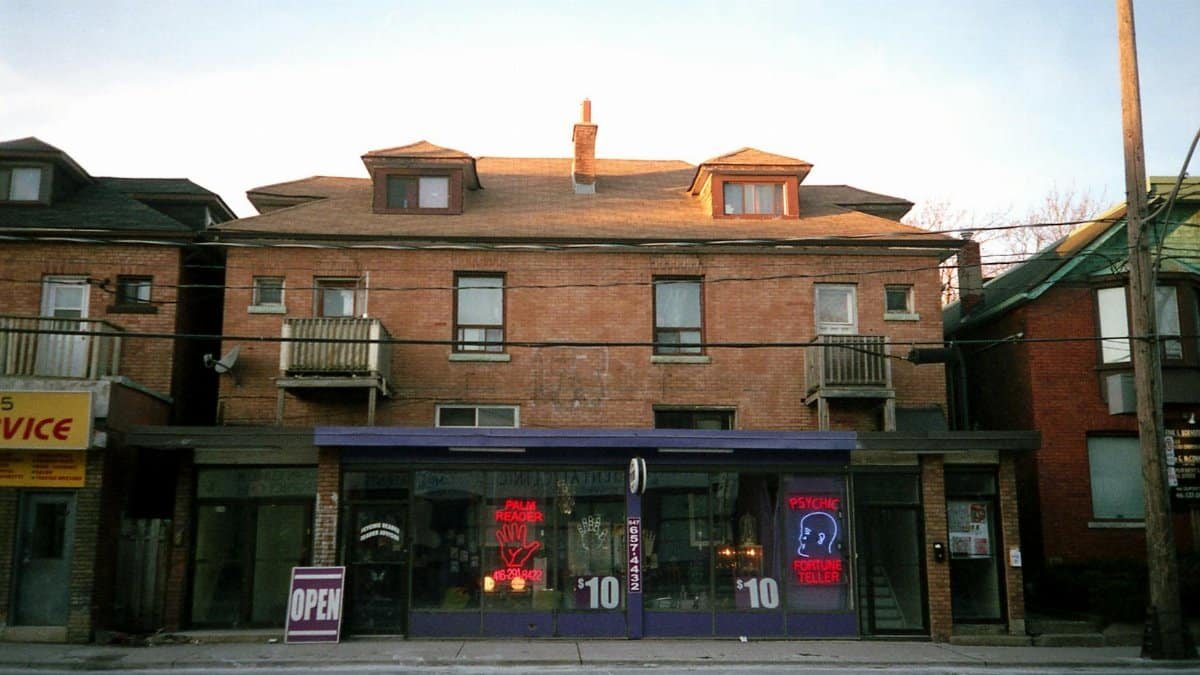
Counterintuitively, some dive into the buzz of big cities like New York or Chicago during transitions. The energy can jolt stagnant lives into motion. Picture a mid-career professional, post-layoff, trading suburbs for Manhattan’s streets, where endless opportunities spark reinvention. “The anonymity let me experiment without judgment,” one such mover reflected. Cities offer diverse networks for adaptation, from co-working spaces to cultural events. Data from the U.S. Census Bureau shows urban migration spikes among those in flux, drawn by economic prospects. But the pace demands quick adjustments; noise and crowds can overwhelm. Still, for many, this vibrant chaos becomes a catalyst, turning ambiguity into ambition tempered by self-care.
4. Rural Farms
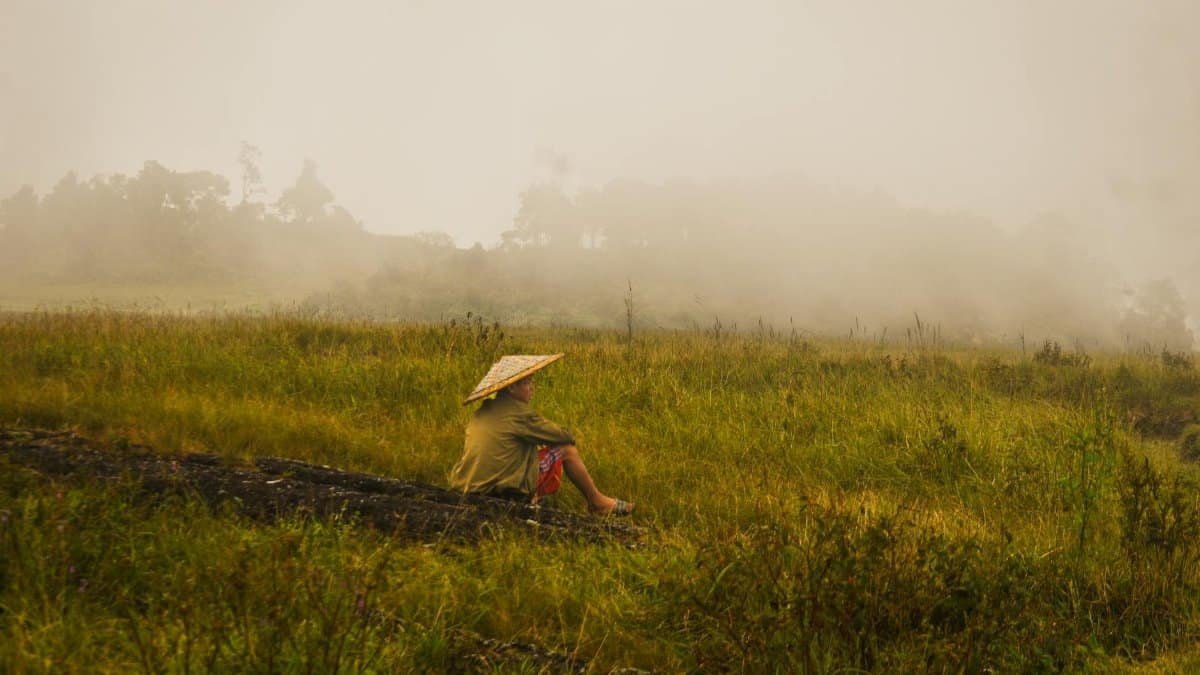
Downshifting to rural farms appeals to those seeking grounded simplicity amid chaos. Envision relocating to the Midwest’s rolling fields after a health scare, trading suits for soil-stained jeans. Farms provide hands-on therapy, with routines like harvesting crops that instill purpose. An anonymized story from online forums described a family escaping city stress: “Planting seeds felt like planting hope for our future.” The National Institutes of Health notes that rural living correlates with lower anxiety levels due to community bonds and nature immersion. Adaptation here involves learning skills like animal husbandry, which build confidence. Challenges arise, like isolation, but the quiet fosters deep introspection, prioritizing wellbeing over worldly hustle.
5. Suburban Neighborhoods
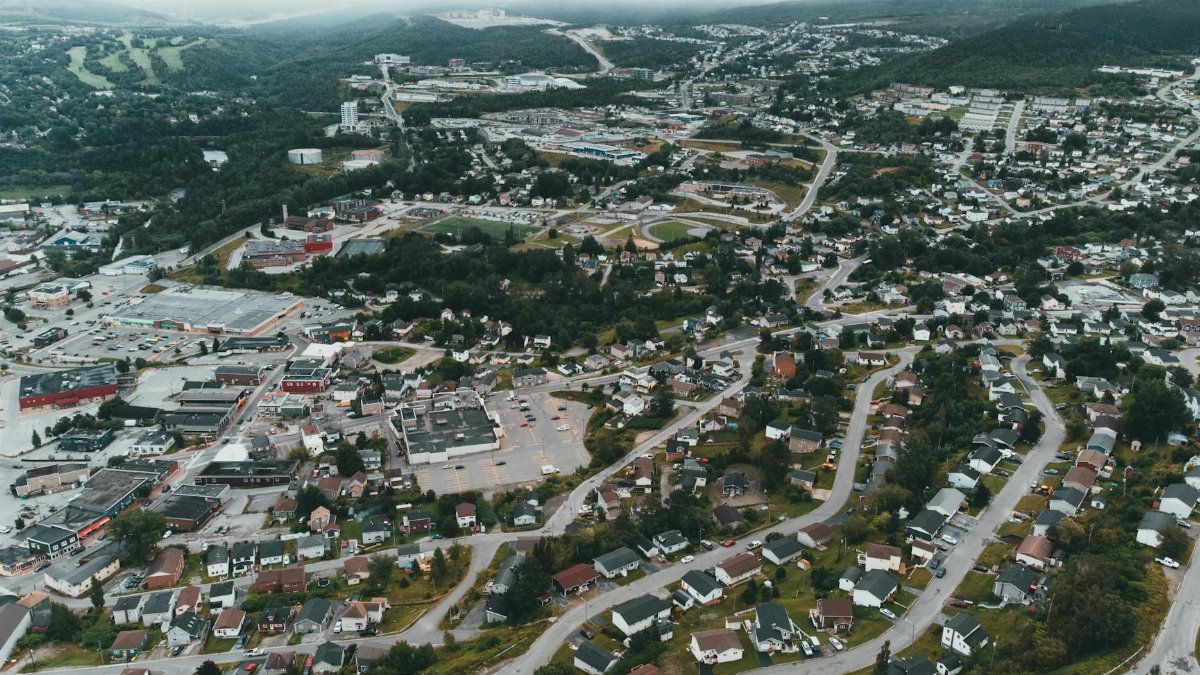
Suburbs often serve as safe harbors for families navigating changes like parenthood or empty-nesting. Places like those in California’s Inland Empire offer yards and schools that signal stability. One parent, after a cross-country move prompted by a promotion, found the cul-de-sacs “a soft landing for our uprooted lives.” These areas blend convenience with calm, aiding adaptation through predictable routines. Pew Research indicates that suburban relocations have risen 15% since 2020, as remote work blurs city boundaries. Neighbors host barbecues, easing social integration. Yet, monotony can creep in, prompting some to seek hobbies that inject variety. Ultimately, suburbs represent a balanced pivot, where ambition takes a backseat to nurturing roots.
6. Foreign Countries

Expatriation to places like Portugal or Mexico draws adventurers in flux, seeking cultural immersion for rebirth. What if a career burnout leads to teaching English in Thailand? The shift forces rapid adaptation, from learning languages to embracing new customs. “It was terrifying, then liberating,” shared one expat in a public reflection. The State Department’s data shows a 20% uptick in Americans abroad post-pandemic, chasing affordable living and fresh perspectives. This choice amplifies resilience, as navigating bureaucracy builds fortitude. Drawbacks include homesickness, but the global lens often reframes personal ambitions toward holistic wellbeing.
7. Family Homes

Returning to family homes provides a familiar anchor during storms. Back in the childhood bedroom in a place like suburban Atlanta, one might process grief or financial woes surrounded by kin. It’s a regression that enables progression, with home-cooked meals soothing the soul. Studies from the American Psychological Association affirm that familial support buffers transition stress. Adaptation unfolds through shared stories around the dinner table. However, boundaries can blur, sparking tensions. For many, this temporary haven reignites independence, blending nostalgia with forward momentum.
8. Spiritual Centers
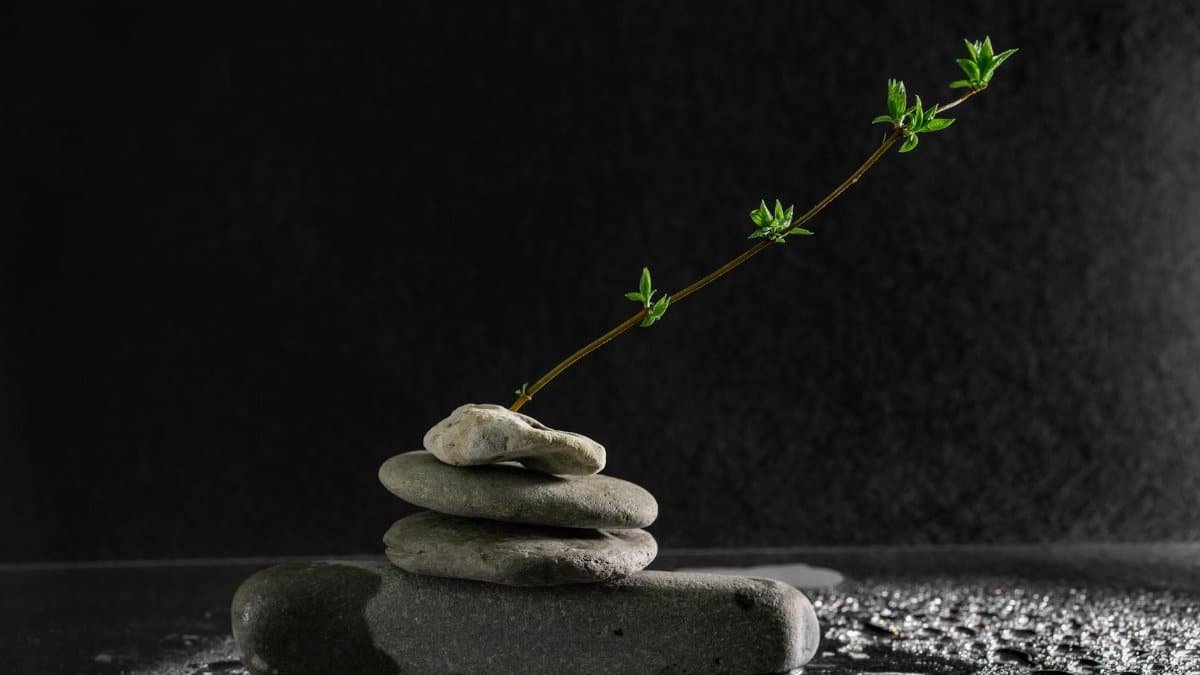
Ashrams or retreat centers in spots like Sedona attract those on spiritual quests amid life shifts. Envision joining a meditation group after a loss, where silence amplifies inner voices. “The desert’s vastness mirrored my emptiness, then filled it,” one seeker noted. These havens prioritize introspection, with practices that enhance emotional agility. Research by Harvard’s T.H. Chan School of Public Health links mindfulness retreats to improved mental health. Communities here foster collective healing, though skepticism can arise. In 2025, as wellness trends evolve, these centers underscore adaptation through soul-searching over societal success.
9. College Towns

College towns like Ann Arbor or Boulder lure lifelong learners during midlife pivots. Surrounded by youthful energy, one might enroll in classes post-retirement, reigniting passions. The campus vibe encourages experimentation, from lectures to student-led clubs. A Census report notes increased adult education in such areas, aiding career switches. Adaptation thrives in this intellectual ferment, though age gaps can feel stark. Still, the pursuit of knowledge shifts focus from ambition to personal enrichment.
10. Beachside Villas
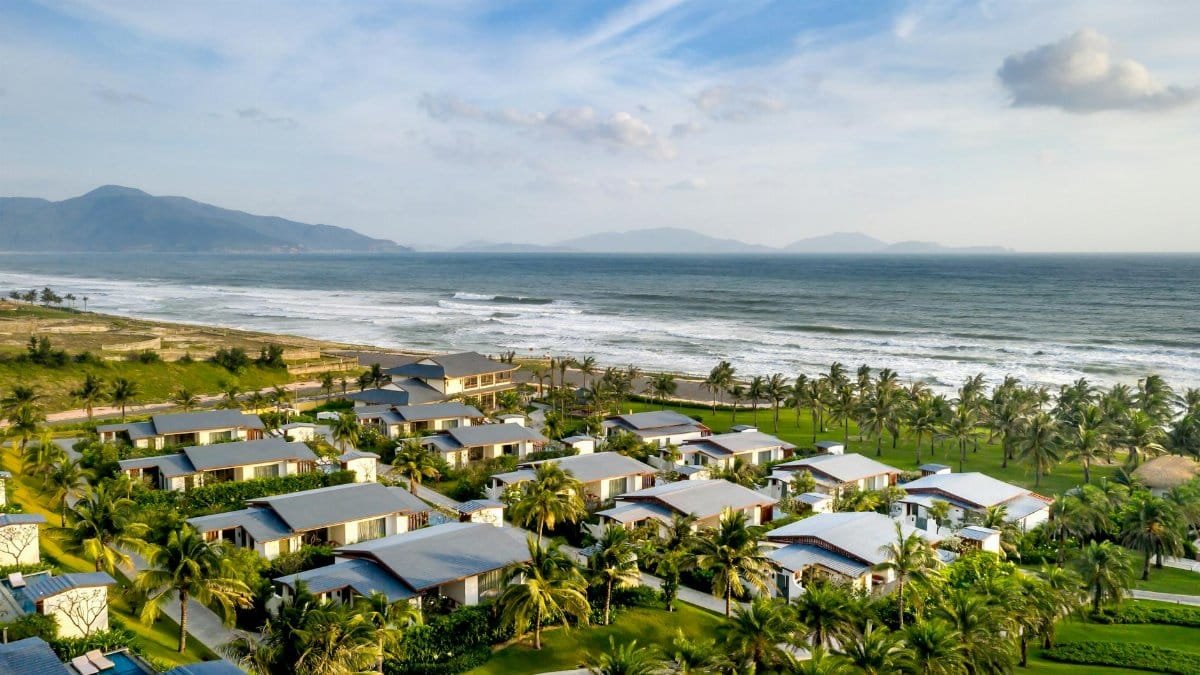
Tropical escapes to Hawaii or Florida’s keys offer sun-soaked respites for weary souls. After corporate burnout, lounging by turquoise waters can reset priorities. “The ocean washed away my old self,” reflected a relocator. These villas provide luxury downtime, with activities like snorkeling that promote physical renewal. NIH studies show beach environments lower cortisol, facilitating adaptation. Social scenes revolve around relaxed gatherings, but costs can strain budgets. Here, wellbeing emerges as the true luxury, eclipsing former drives.
11. Desert Oases
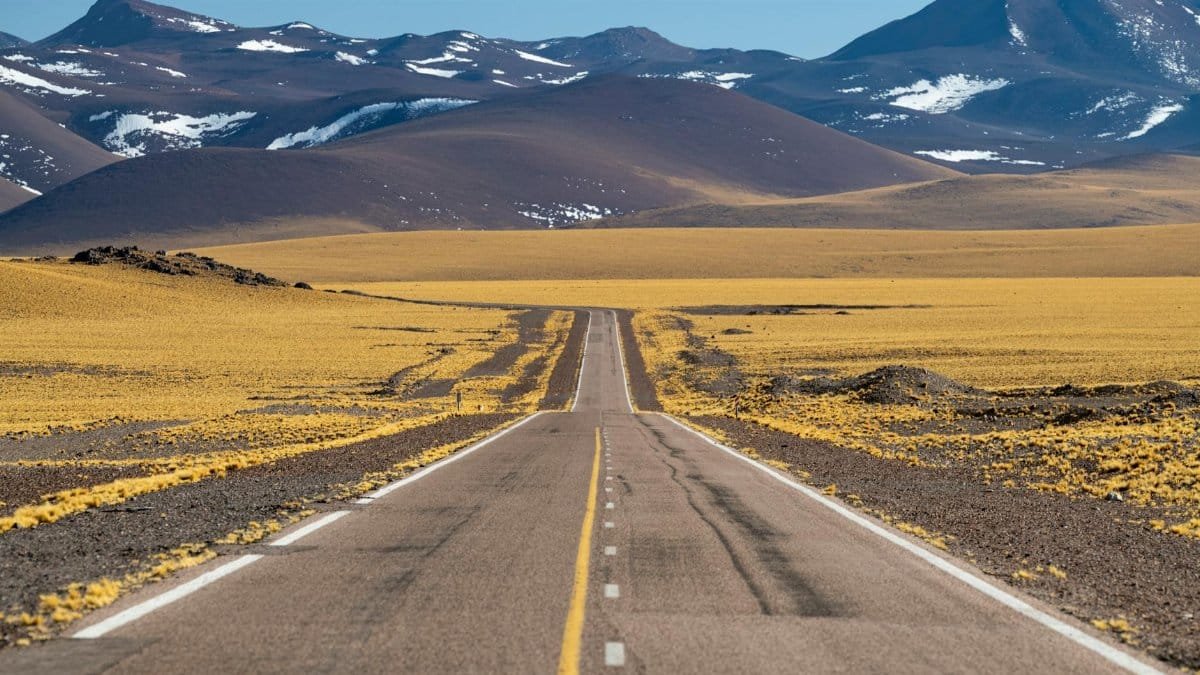
Desert locales like Joshua Tree draw introspective types seeking stark beauty during transitions. The arid expanse invites contemplation, far from distractions. Imagine stargazing after a breakup, finding solace in the silence. Online shares often highlight this: “The desert stripped me bare, revealing strengths I forgot.” Forest Service insights confirm nature’s role in psychological restoration. Communities emphasize sustainability, teaching survival skills that parallel life’s challenges. While heat poses risks, the isolation cultivates profound self-reliance, reorienting ambitions toward inner peace.
As these locations illustrate, major transitions, life change, adaptation often lead to environments that nurture the spirit over status. In a world fixated on climbing, choosing wellbeing signals quiet strength. Whether by sea or summit, these moves remind us that true progress lies in harmony with oneself.