
In the dim fluorescence of a windowless office, where recirculated air hangs heavy with printer ink and stale coffee, a quiet revolution is underway. A single potted plant can scrub volatile organic compounds from the atmosphere, according to a landmark 1989 NASA study on indoor air quality ([NASA Clean Air Study](https://ntrs.nasa.gov/api/citations/19930073077/downloads/19930073077.pdf)). For workers trapped in such environments, hardy indoor plants offer more than decoration; they deliver tangible relief, thriving where others wilt. These resilient species, many vetted by decades of office experiments, purify stale air while demanding little in return. As remote work fades and cubicle life rebounds, introducing a few of these powerhouses could transform breathable space into something vital.
The Hidden Toll of Office Air

Modern workplaces often prioritize density over ventilation, leaving employees to navigate air laden with benzene, formaldehyde and trichloroethylene—common culprits from carpets, furniture and copiers. The Environmental Protection Agency estimates indoor pollutants can be two to five times higher than outdoors, contributing to fatigue, headaches and reduced productivity. Plants counter this by absorbing toxins through their leaves and roots, converting them into breathable oxygen via natural filtration. Hardy indoor plants stand out here, as they endure low light and irregular watering, making them ideal for the unforgiving office ecosystem.
Low-Light Warriors: What Makes Them Tough

Not all greenery survives the office grind. Sun-starved corners and skipped waterings doom delicate varieties, but hardy indoor plants evolved for adversity. Many hail from shaded forest floors or arid regions, boasting thick leaves that store water and resist pests. Their secret lies in slow metabolism, allowing them to photosynthesize faintly under artificial lights. Research from the University of Georgia highlights how species like these maintain vigor in under 100 foot-candles—far below a sunny windowsill ([UGA Extension Study](https://extension.uga.edu/publications/detail.html?number=B1318&title=light-requirements-for-houseplants)).
Snake Plant: Nighttime Oxygen Machine

Sansevieria trifasciata, known as snake plant or mother-in-law’s tongue, tops lists for air purification. Its upright, sword-like leaves release oxygen at night, flipping the usual photosynthesis rhythm to freshen sleep-disrupted offices. NASA tests showed it removes 87 percent of benzene in sealed chambers. In windowless settings, it shrugs off dry air and forgets-to-water schedules, growing just inches yearly. Place it on a desk corner; its glossy variegation adds subtle drama without overwhelming small spaces.
ZZ Plant: The Indestructible Choice

Zamioculcas zamiifolia, or ZZ plant, lives up to its near-immortal reputation. Native to East African droughts, it stores moisture in rhizomes, thriving months without a drink. It tackles toluene and xylene from office paints and glues, per NASA data. Broad, waxy leaflets gleam under LEDs, and it multiplies easily from cuttings. Office managers favor it for zero-fuss placement in mailrooms or break areas, where neglect is the norm.
Pothos: Trailing Air Scrubber
Epipremnum aureum, the pothos, drapes gracefully from shelves, its heart-shaped leaves filtering formaldehyde from pressed-wood desks. This vining hardy indoor plant adapts to fluorescent gloom, rooting in water glasses for instant propagation. Studies confirm its prowess against carbon monoxide traces. Golden or marble queen varieties brighten drab walls, and its rapid growth forgives the occasional dry spell, making it a favorite for shared cubicles.
Peace Lily: Humidity Hero
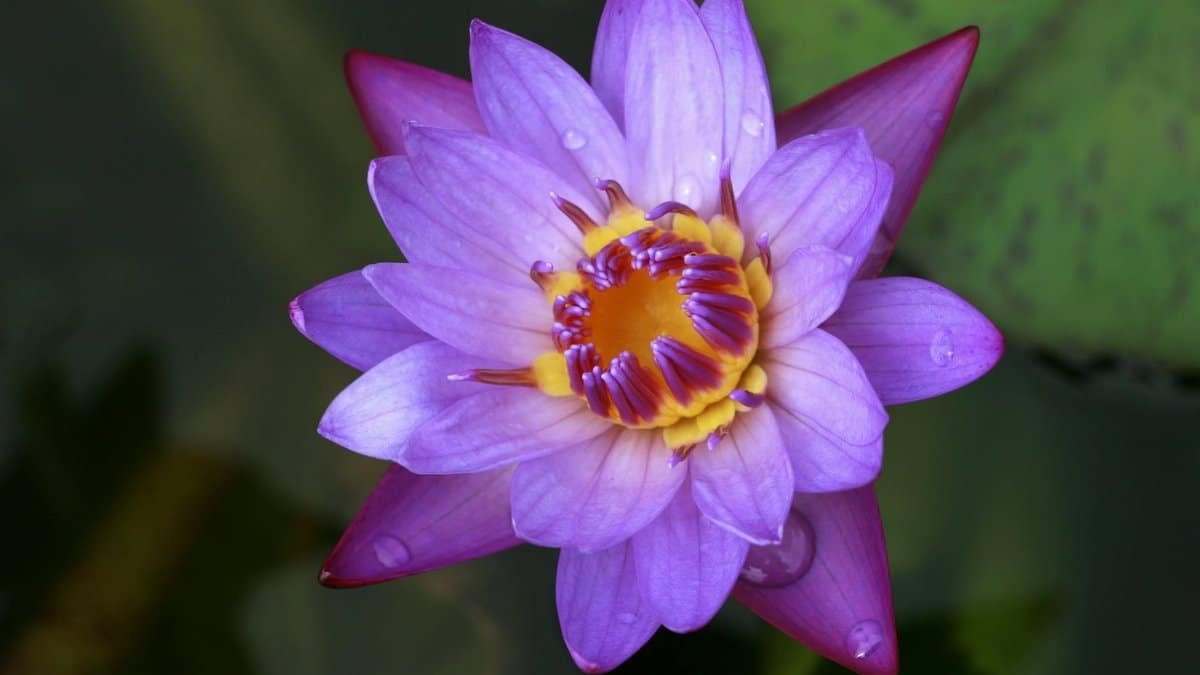
Spathiphyllum, the peace lily, droops dramatically to signal thirst—a helpful nudge in busy offices—then rebounds overnight. It excels at stripping alcohol and acetone vapors from nail polish removers and cleaners. White blooms nod above dark green foliage, boosting morale in low-light lobbies. Though it prefers moist soil, its hardy nature handles skips, and it raises humidity levels, easing dry-air coughs common in climate-controlled buildings.
Spider Plant: Prolific Purifier
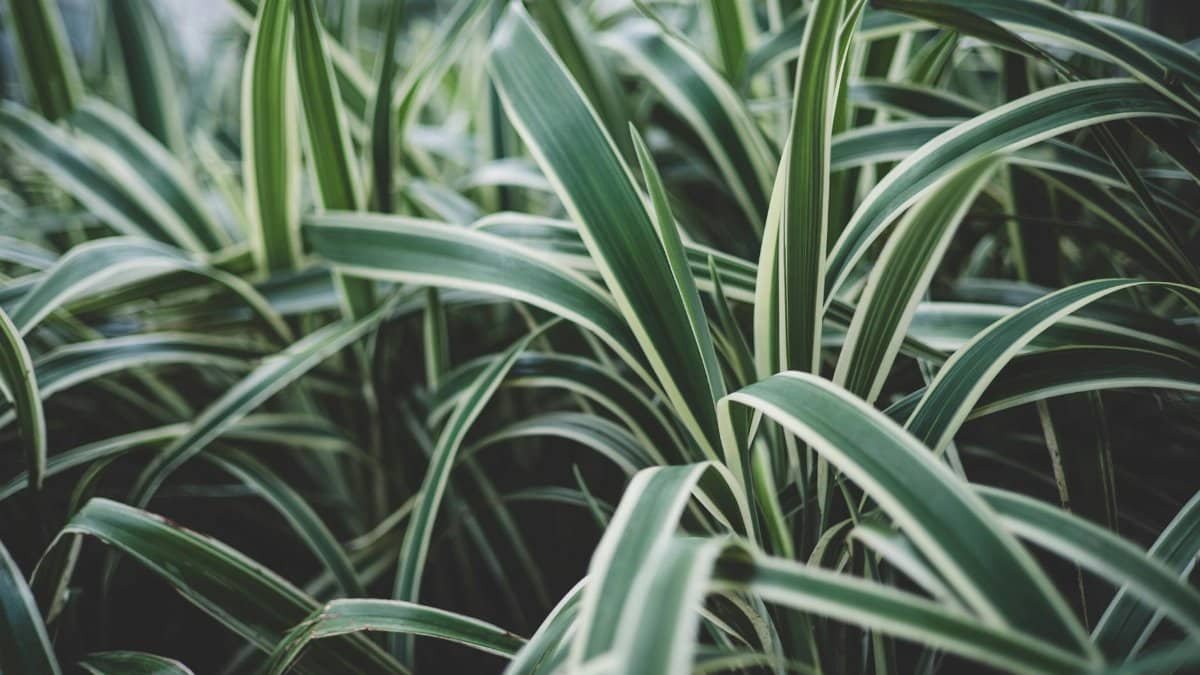
Chlorophytum comosum sends out spiderette babies, perfect for expanding office greenery networks. It devours styrene from Styrofoam cups, with NASA noting high efficiency in tight spaces. Arching leaves with white stripes tolerate shade and irregular care, producing oxygen steadily. Hang it from ceilings to cascade light without blocking views; its resilience makes it a go-to for newbie plant parents in corporate settings.
Philodendron: Versatile Climber
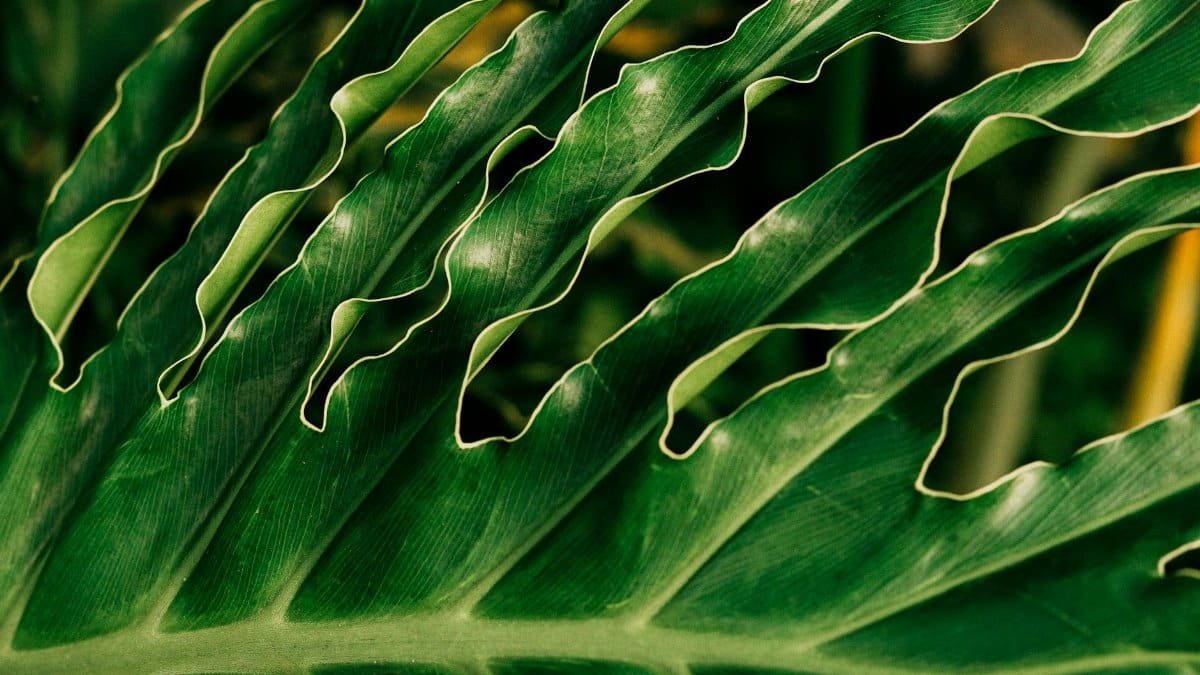
Heartleaf philodendron vines endlessly, heart-shaped leaves mopping up ammonia from computers and cleaners. This hardy indoor plant from tropical understories laughs at low light, growing leggy but lush. Varieties like Brasil offer yellow splashes for visual pop. It purifies via roots in soil or hydroponics, ideal for tech-heavy desks. Prune to control spread, and watch it reward with cleaner air.
Chinese Evergreen: Shade Specialist

Aglaonema modestum, or Chinese evergreen, sports silver-veined leaves that filter benzene and formaldehyde relentlessly. Bred for dim interiors, it endures office drafts and dry heat. Compact growth suits tabletops, and its upright habit prevents toppling. Silver Bay or Emerald Bay cultivars add elegance, proving hardy indoor plants need not look wild to perform.
Parlor Palm: Elegant Survivor

Chamaedorea elegans brings feathery fronds to sterile corners, tackling trichloroethylene from dry-cleaning residues on suits. Victorian-era offices popularized it for shaded parlors, and it holds up today under fluorescents. Slow-growing and pest-resistant, it prefers grouped pots for humidity. Its refined silhouette elevates windowless waiting rooms without demanding sunlight.
Dracaena: Corn Plant Classic

Dracaena fragrans, the corn plant, rises tall with striped leaves, absorbing xylene and toluene effectively. Its cane-like stems store water, ensuring survival in forgotten pots. NASA praised its toxin uptake, and braided trunk varieties add sculptural interest. It flourishes in low light, making it a staple for executive suites where air quality matters most.
Cast Iron Plant: Bulletproof Foliage

Aspidistra elatior earned its cast iron moniker in Victorian novels, enduring gaslit gloom akin to today’s LEDs. It clears formaldehyde steadily, with leathery leaves shrugging off neglect. Deep green or variegated forms ground dark offices. For ultimate hardiness, it’s unmatched—no fuss, just reliable purification.
English Ivy: Compact Climber

Hedera helix trails or climbs, stripping benzene and mold spores from HVAC systems. Its lobed leaves thrive in cool, shady spots, forgiving dry offices. Train it along cubicle dividers for privacy with benefits. Though mildly toxic to pets, it’s safe for human spaces and multiplies via clippings.
Placement and Care Essentials

Group hardy indoor plants near vents for maximum draw, avoiding direct heat sources. Water when topsoil dries—weekly checks suffice. Wipe leaves monthly for optimal gas exchange. Rotate for even growth. In windowless zones, supplement with full-spectrum bulbs if growth stalls, though most excel naturally.
Measuring the Impact

Offices with plants report 15 percent fewer sick days, per a 2014 University of Technology Sydney study ([UTS Greenspaces Research](https://www.uts.edu.au/research/centre-health-design/greenspaces)). Beyond science, they foster focus; workers glance at thriving greenery and feel less confined. For the air-weary professional, these 11 hardy indoor plants turn cubicles into sanctuaries, one leaf at a time.