
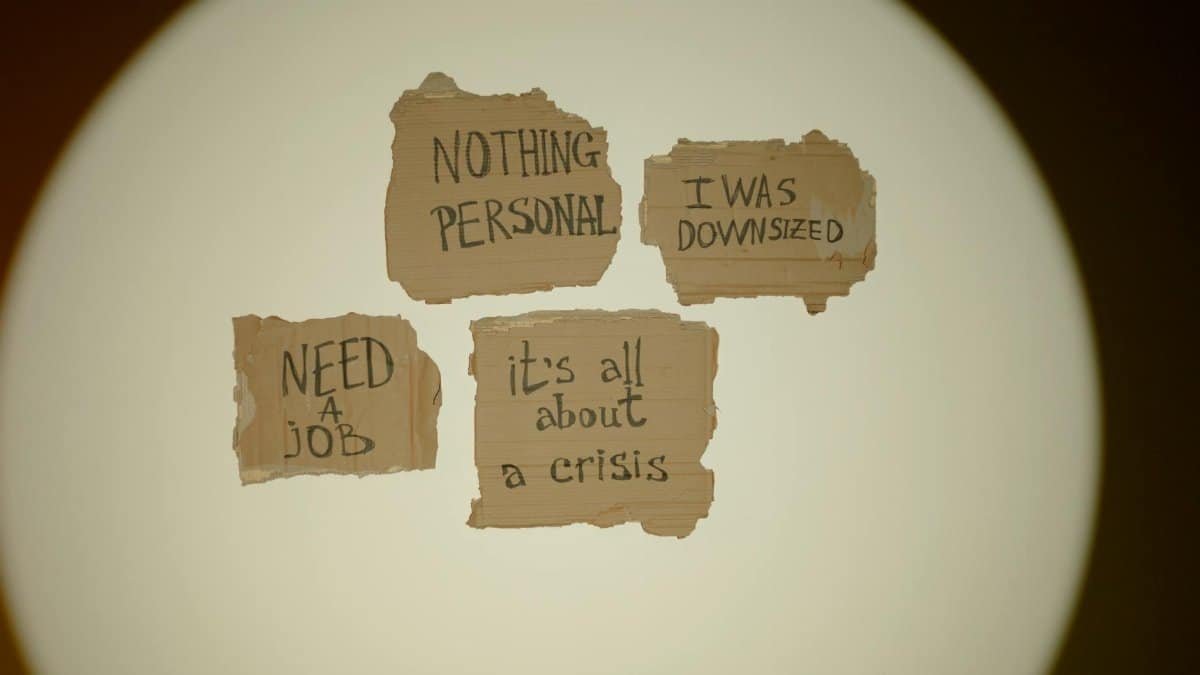
When layoffs ripple through Silicon Valley or corporate mergers upend long held jobs in the Midwest, the fallout often lands hardest at home. Picture Sarah, a marketing executive in her mid forties, staring blankly at her laptop after a decade long career imploded overnight. Her husband, Mark, watched helplessly as frustration turned to self doubt, their evenings filled with tense silences. Moments like these define a career crisis, testing not just the person in turmoil but the partnership itself. Yet support does not require grand gestures or expert advice. Gentle, consistent actions can steady the ship, fostering resilience without overwhelming the strain. Here, drawn from therapists, couples who have navigated these waters and relationship experts, are eleven understated ways to bolster a partner through such upheaval.
Listen Without Interrupting

In the fog of a career crisis, the impulse to fix things surges. Resist it. Instead, create space for unfiltered venting. Therapists like those at the Gottman Institute emphasize active listening: nod, maintain eye contact and reflect back what you hear. “It sounds like the rejection stings more than the lost income,” you might say. This validates emotions without prescribing solutions. One study from the American Psychological Association found that perceived emotional support correlates with lower stress hormones during job loss (see here). Sarah later told Mark his quiet presence rebuilt her confidence faster than pep talks ever could.
Validate Their Emotions First

Grief over a derailed career mimics other losses: anger, shame, even bargaining. Dismissing these as overreactions erodes trust. A simple “This is tough, and its okay to feel rattled” acknowledges the legitimacy of their pain. Avoid phrases like “Plenty of people would kill for a break,” which minimize. Relationship coach Esther Perel notes in her work that validation rebuilds emotional safety nets. During Marks support of Sarah, he learned her fury at a dismissive boss was not personal but part of processing betrayal at work.
Handle Household Tasks Discreetly

A career crisis drains mental bandwidth, leaving basics like groceries or laundry as Herculean feats. Step in quietly, without fanfare. Prepare meals or tackle bills before they become flashpoints. This preserves dignity, signaling partnership over pity. Couples counselor Sue Johnson, in her attachment theory research, highlights how such acts reinforce security bonds (detailed here). Mark restocked the fridge and balanced their checkbook during Sarahs slump; she noticed, and it eased her guilt over “doing nothing.”
Encourage Gentle Movement

Suggest walks or yoga not as cures but respites. Physical activity counters the inertia of unemployment lines. Frame it casually: “Want to stroll the block after dinner?” Research from Harvard Medical School links mild exercise to improved mood regulation amid stressors like job loss (review this excerpt). Sarahs daily loops with Mark became confessional rituals, loosening the knots of her career crisis without pressure.
Resist Unsolicited Career Advice

Your network or LinkedIn savvy tempts quick fixes. Hold back unless asked. Bombarding with “Have you tried Upwork?” can feel infantilizing. Wait for invitations, then offer targeted help. A survey by career site Indeed revealed 68 percent of job seekers resent unrequested tips during transitions. Marks restraint let Sarah chart her path, emerging stronger when she solicited his input on networking events.
Preserve Shared Rituals

Career turmoil threatens routines: date nights, weekend hikes. Nudge toward continuity. “Still up for our coffee run tomorrow?” keeps normalcy amid chaos. Psychologists term this “behavioral activation,” proven to buffer depression in longitudinal studies (see JAMA findings). For Sarah and Mark, clinging to trivia nights diffused tension, reminding them life extended beyond her career crisis.
Share Your Vulnerabilities Sparingly

Occasional glimpses of your own past struggles humanize support: “I remember feeling adrift after my demotion.” But keep it brief, pivoting back to them. Oversharing shifts focus. Licensed therapist Terri Orbuch advises measured reciprocity in her long term couples study. Marks one story about his early job flop resonated with Sarah, fostering empathy without competition.
Help Curate Resources on Request

When they signal readiness, compile job boards or outplacement services. Tools like The Muse or local workforce centers prove invaluable. Present options neutrally: “These popped up; take a look if you want.” A Bureau of Labor Statistics report underscores peer networks role in reemployment (access data here). Sarah leaned on Marks curated list, accelerating her pivot to consulting.
Celebrate Micro Victories

A tweaked resume or interview invite warrants quiet acclaim: dinner out or a favorite playlist. These dopamine hits combat despair. Positive psychology pioneer Martin Seligman links small wins to perseverance. Mark toasted Sarahs first callback with takeout sushi; such moments dotted her career crisis like beacons.
Monitor for Deeper Struggles

Watch for isolation or sleep loss signaling depression. Gently broach: “I have noticed you seem withdrawn; want to talk to someone?” Recommend therapists via Psychology Today. The National Alliance on Mental Illness reports career stress doubles anxiety risks (more at NAMI resources). Early intervention preserved Sarahs momentum before shadows lengthened.
Nurture Your Own Well Being

Supporting through a career crisis demands your reserves. Carve time for friends, hobbies or therapy. Resentment brews in depleted givers. Self care expert Kristin Neff advocates compassion for both parties. Mark joined a mens group, returning more present. Ultimately, a steadied you bolsters them best.
Navigating a partners career crisis reshapes relationships for the better when met with patience and subtlety. Sarah landed a fulfilling role six months later, crediting Marks understated alliance. These approaches, rooted in empathy over expertise, remind us that true partnership thrives in quiet solidarity. As economic winds shift, such tools equip couples to weather personal storms together.