
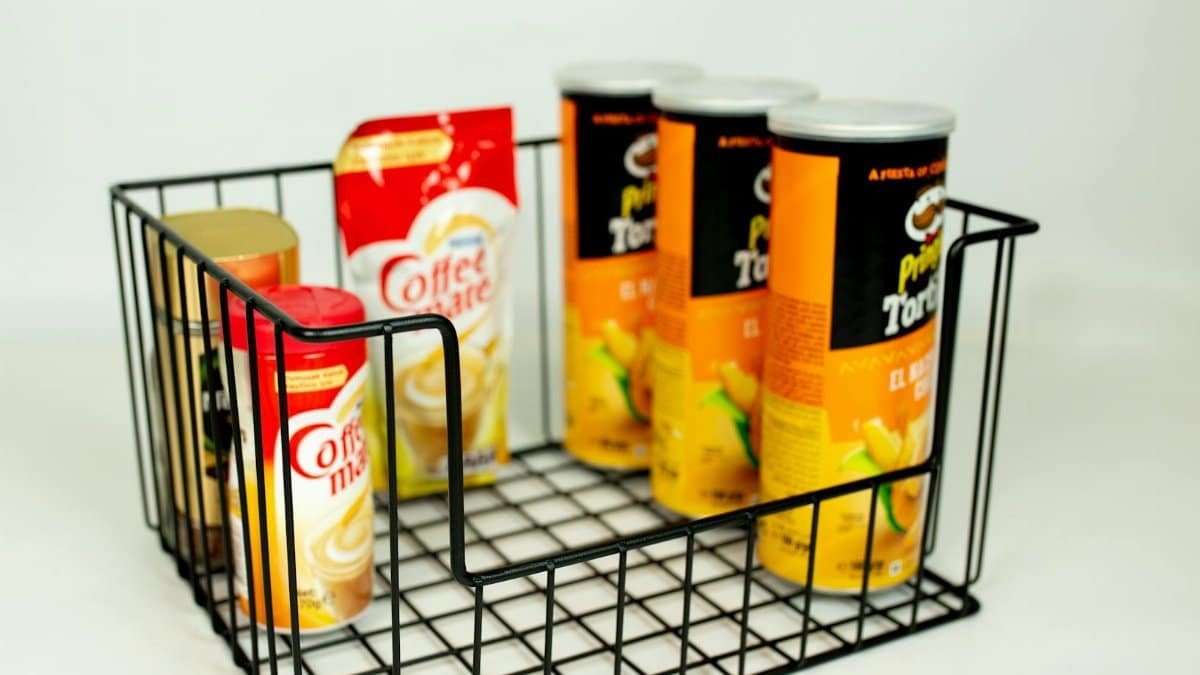
With grocery prices up nearly 25 percent since the start of the decade, according to the Bureau of Labor Statistics ( BLS data ), families nationwide are facing tougher choices at the checkout. Enter pantry swaps, those unassuming substitutions drawn from the shelves already stocked in most kitchens. These shifts replace high-cost newcomers with reliable staples, preserving flavor and satisfaction while chipping away at the weekly tally. No need for drastic diets or bland repeats; a few strategic changes can save $20 to $50 per trip. From grain bowls to weeknight sauces, the following 11 ideas draw on everyday items like rice and beans to outsmart inflation.
Rice Stands In for Quinoa
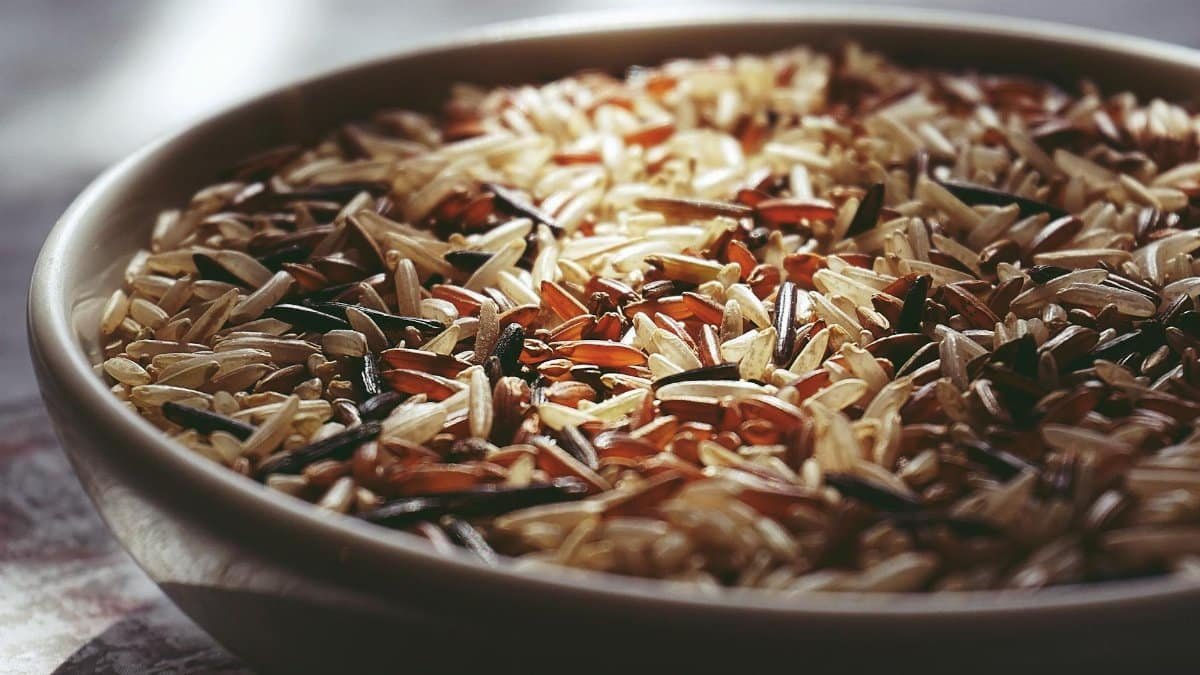
Quinoa has become a darling of health food aisles, but at roughly $4 a pound versus rice’s 80 cents, it adds up fast. Long-grain white or brown rice cooks up fluffy and absorbs flavors just as well in grain salads, stir-fries or pilafs. Rinse it thoroughly to remove excess starch, then simmer in a 2-to-1 water ratio for 18 minutes. Toss with canned chickpeas, lemon juice from a bottle and dried herbs for a tabbouleh that rivals any farmers market version. Nutritionists note rice provides similar energy with added versatility; a cup delivers 200 calories and four grams of protein, keeping blood sugar steady.
Dry Pasta Replaces Exotic Noodles

Specialty soba or rice noodles often cost three times standard spaghetti or penne, which sit at under $1 per pound in bulk bins. Pasta’s neutral taste pairs seamlessly with Asian-inspired sauces made from pantry soy sauce, sesame oil and ginger powder. Boil al dente, then stir-fry with frozen vegetables and a beaten egg for chow mein. This swap shines in meal prep; cooked pasta holds in the fridge for days. Shoppers in budget-conscious regions like the Midwest have leaned on it heavily, as regional grocer reports show pasta sales surging amid price pressures.
Another pantry swap worth mastering involves lentils stepping up where ground beef falters.
Lentils Sub for Ground Meat

A pound of beef mince hits $5 or more these days, while dry lentils clock in at $1.50 and stretch further after a 30-minute simmer. Red or green varieties crumble like taco filling when cooked with cumin, chili powder and onion flakes. Layer into shells with shredded cheddar from a block and salsa from a jar. Studies from the Academy of Nutrition and Dietetics (AND) highlight lentils’ protein punch, nine grams per half-cup, alongside fiber that curbs hunger. Families report fuller meals with half the spend.
Canned Tomatoes Eclipse Fresh Ones

Fresh tomatoes fluctuate wildly, often $2.50 a pound off-season, compared to canned at 90 cents. Whole or crushed varieties blend into sauces indistinguishable from homemade marinara; just simmer with dried basil, oregano and garlic powder. Use in lasagna layers or chili bases. This pantry swap cuts waste too, as cans last indefinitely. Consumer data from Nielsen shows canned tomato volume up 15 percent last year, reflecting shoppers’ pivot to shelf-stable reliability without sacrificing acidity or depth.
Dry Beans Outperform Their Canned Kin

Canned beans run $1.50 per can, but a one-pound bag of dry pinto or black beans yields triple that volume for $1.20 after overnight soaking and an hour’s boil. Season boldly with pantry chili flakes and bay leaves for soups or refried dips. They hold texture better in stews, absorbing spices fully. The USDA (USDA nutrition) confirms dry beans match canned nutrition gram-for-gram, with bonus savings on sodium control. Bulk buyers see the biggest wins, refilling quart jars monthly.
Oats Mimic Nuts in Baking
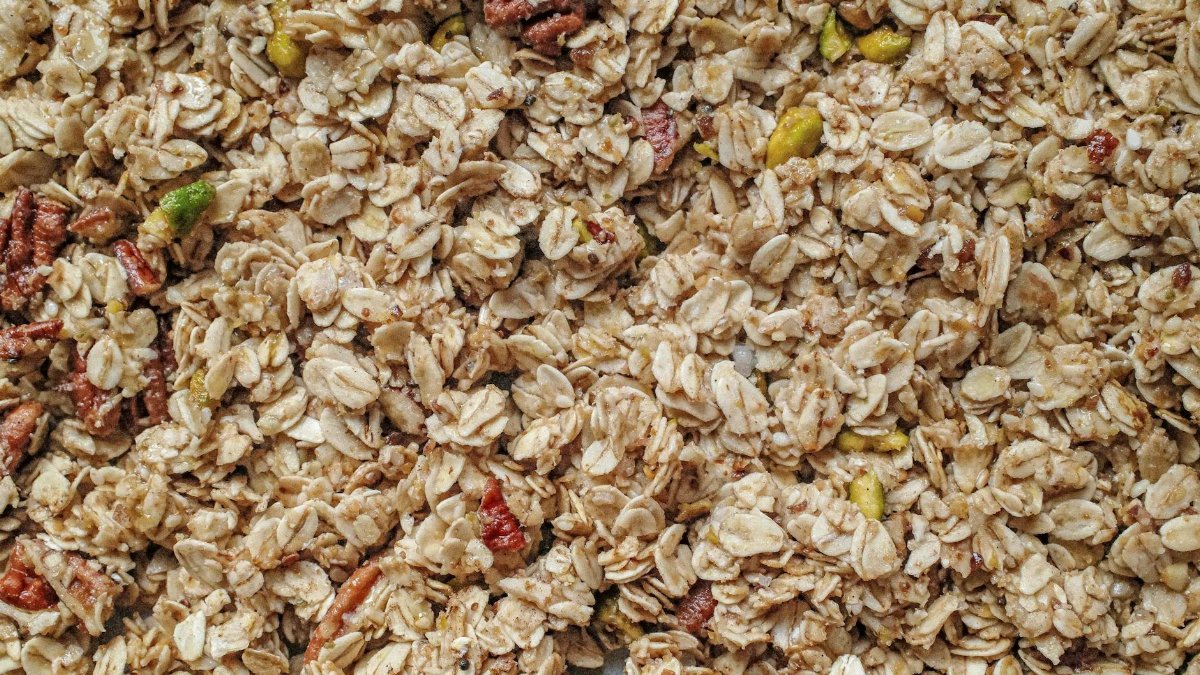
Chopped nuts like almonds top $8 a pound, yet rolled oats pulse into a crunchy, nutty crumb for $0.80 worth. Process in a blender, toast lightly in a dry pan, then fold into muffins or granola bars with honey and dried fruit. This pantry swap transforms breakfast cookies: mix oats, peanut butter, vanilla extract and raisins, bake at 350 degrees for 12 minutes. Dietitians praise oats’ beta-glucan for heart health, offering sustained energy over pricey add-ins.
Pantry swaps extend to condiments, where everyday options fool the palate.
Peanut Butter Swaps for Tahini
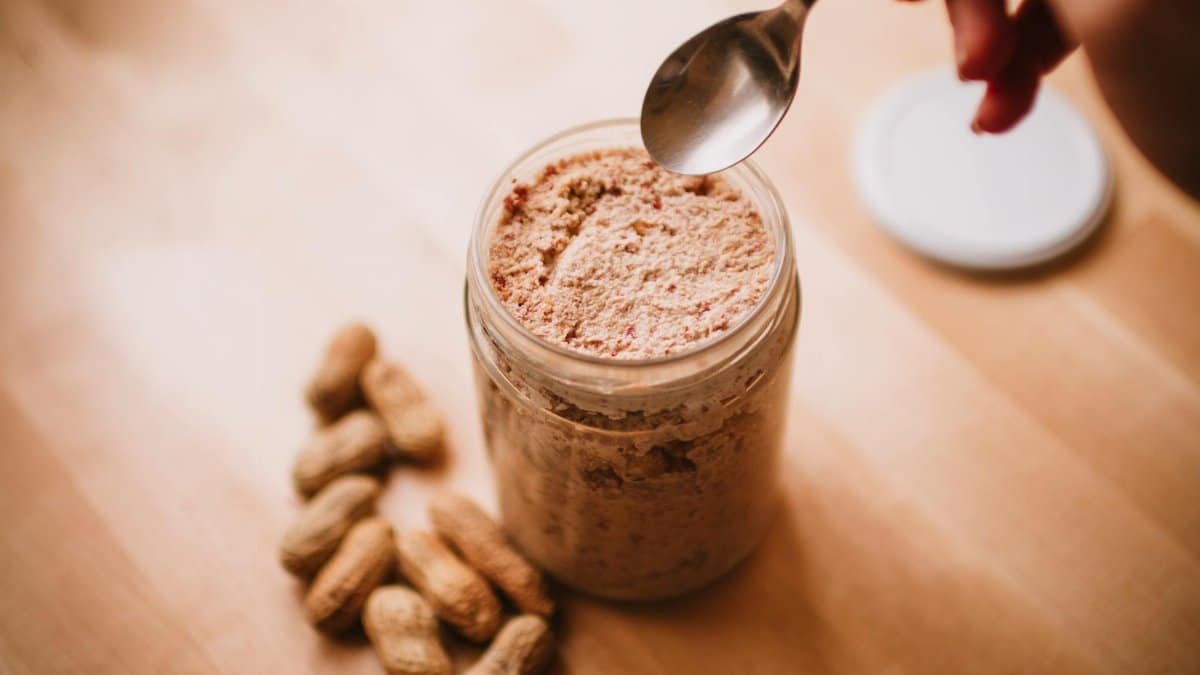
Tahini jars fetch $6, but natural peanut butter delivers creamy richness at $2.50. Blend smooth varieties into hummus with canned chickpeas, lemon juice and cumin; the nuttiness shines through. Drizzle over falafel bowls or use in satay sauces thinned with pantry coconut milk powder. Taste tests by home economists consistently rate it a near-match, preserving Middle Eastern authenticity on a dime. Protein levels hold steady at eight grams per two tablespoons.
Apple Cider Vinegar Does Balsamic Duty

Balsamic glaze soars to $7 a bottle, while apple cider vinegar costs $2 and mimics tang with a honey stir-in. Reduce it with brown