
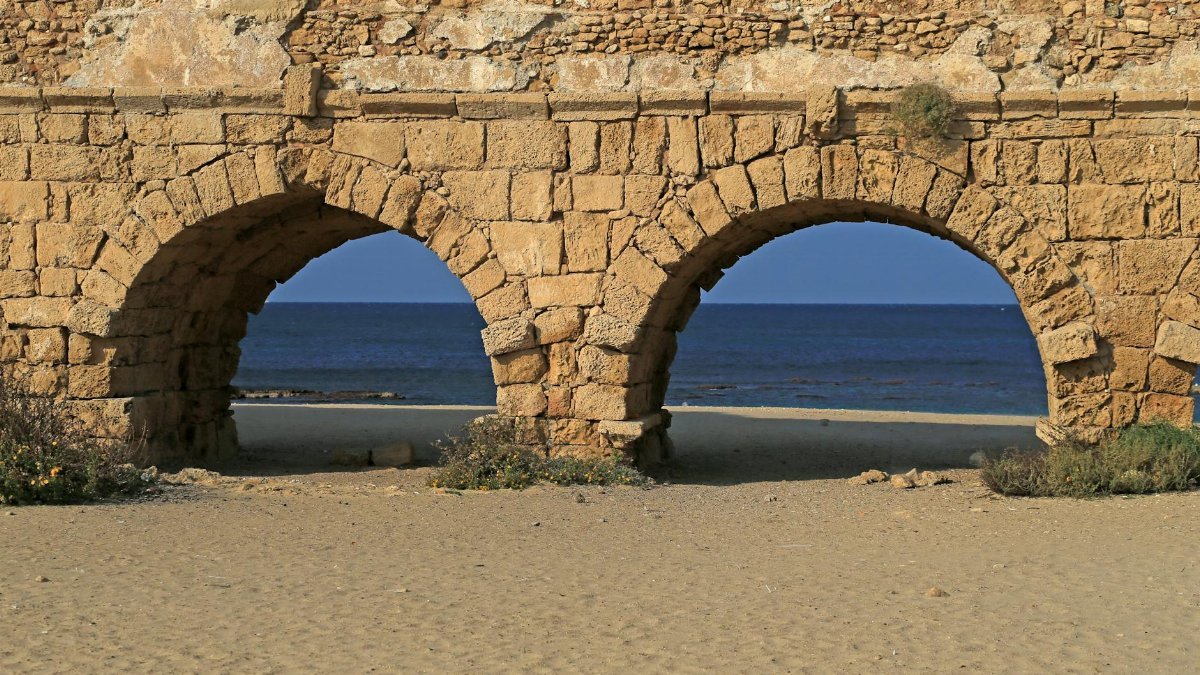
Spanning valleys and defying earthquakes for millennia, ancient aqueducts stand as testaments to human ingenuity in water management. These structures, built without modern machinery, channeled life giving water over vast distances using gravity alone, a principle that echoes in today’s push for sustainable infrastructure. From Roman arches piercing French skies to underground channels in Persian deserts, ancient aqueducts remind us that enduring solutions often lie in simplicity and harmony with nature. This exploration uncovers 11 remarkable examples, revealing how their designs inform contemporary architects crafting eco conscious systems amid climate challenges.
Pont du Gard in Southern France
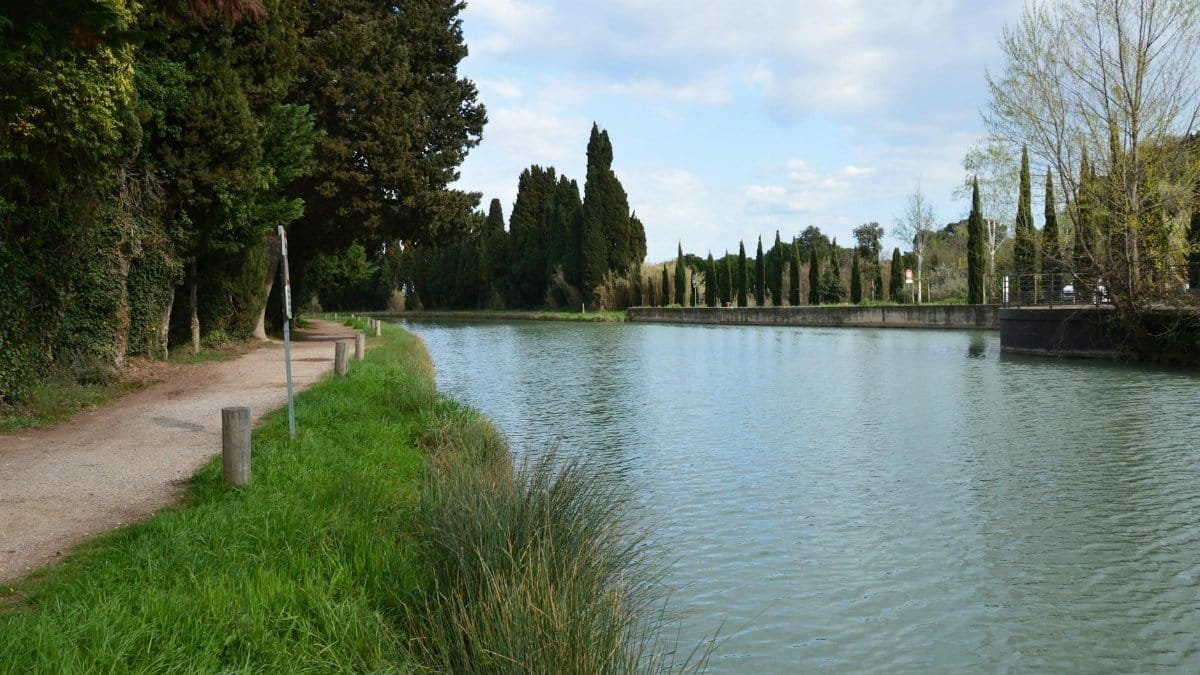
The Pont du Gard, constructed around 19 B.C. by the Romans, remains one of the tallest aqueducts ever built at nearly 160 feet high. Its three tiers of precisely cut limestone blocks, weighing up to six tons each, carried water 31 miles from a spring to the city of Nimes. No mortar binds the stones; instead, iron clamps and gravity ensure stability. This minimalist approach inspires modern engineers, such as those behind Singapore’s gravity fed reservoirs, where low energy water distribution mimics the aqueduct’s flow. A UNESCO site, it exemplifies durable, material efficient design that requires minimal upkeep even after 2,000 years.
Segovia Aqueduct in Spain
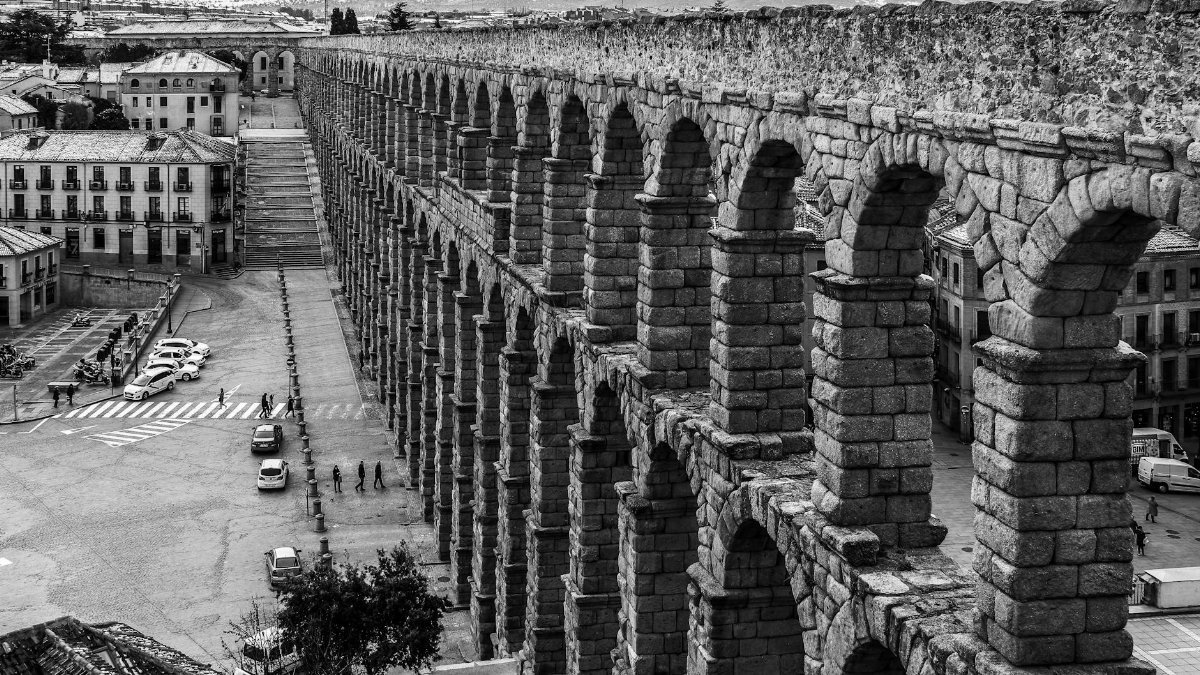
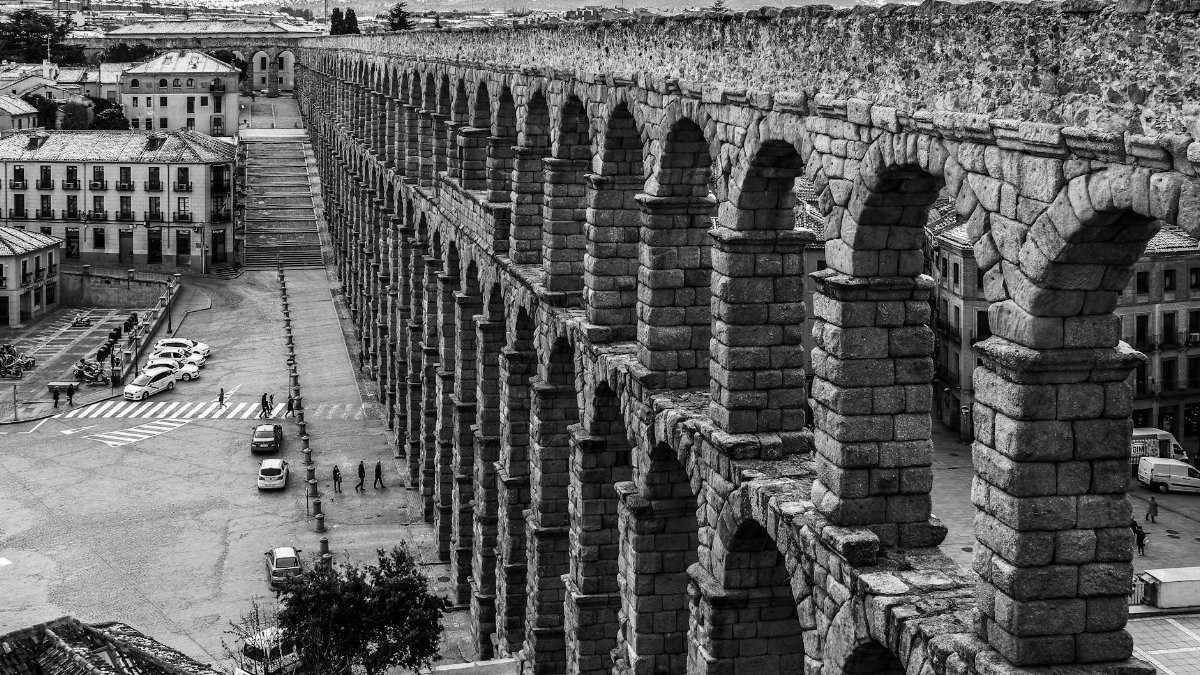
In central Spain, the Aqueduct of Segovia, dating to the first century A.D., snakes through the city on two tiers of 167 arches crafted from granite blocks without mortar. It delivered water over 9 miles, its gradient a mere one in 5,000 for steady flow. Today, architects reference its seamless urban integration in projects like Barcelona’s green corridors, where elevated channels reduce groundwater contamination. Studies from the Spanish National Research Council highlight its seismic resilience, informing quake resistant sustainable pipelines in California. The structure still functions occasionally, proving ancient aqueducts’ timeless viability.
Gadara Aqueduct in Jordan
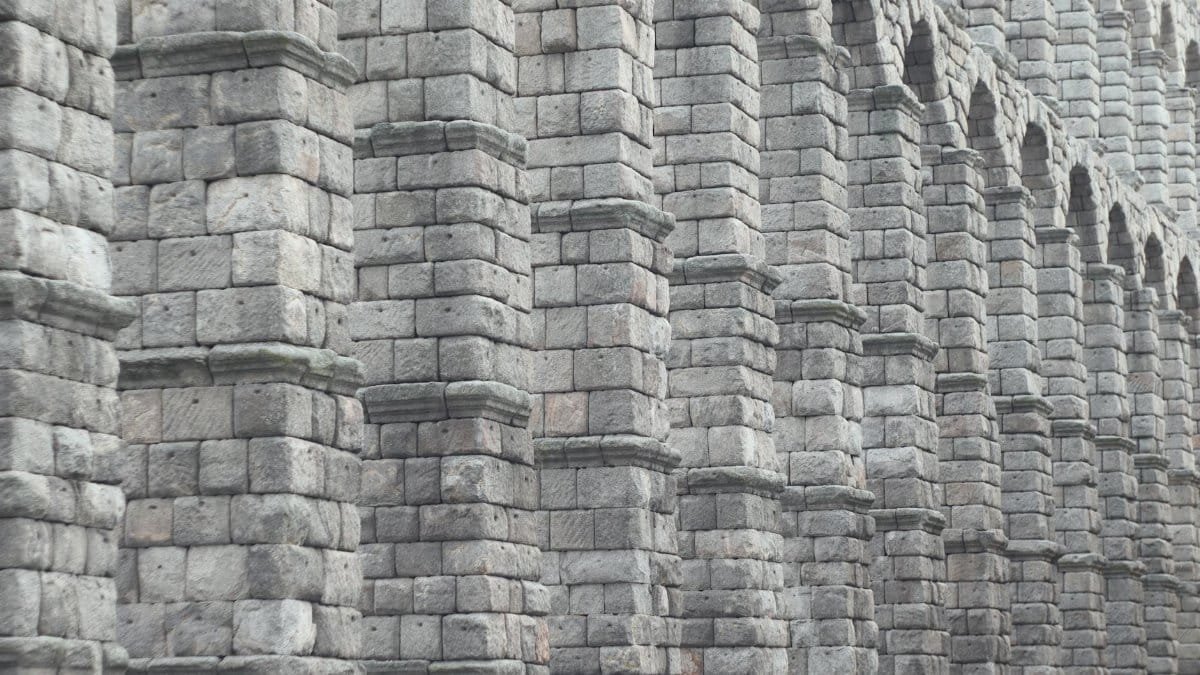
Stretching 106 miles from the Yarmouk River, the Gadara Aqueduct, built by Romans in the second century A.D., features the tallest known stone bridge aqueduct at 300 feet. Tunnels and siphons navigated terrain, with ceramic pipes handling pressure drops. Its hydraulic precision influences Jordan’s modern wadi systems, which use similar siphon tech for drought prone areas. Researchers at the University of Jordan note its low evaporation design, echoed in Israel’s national water carrier, blending ancient efficiency with solar powered boosts for sustainability.
Petra’s Nabatean Channels in Jordan
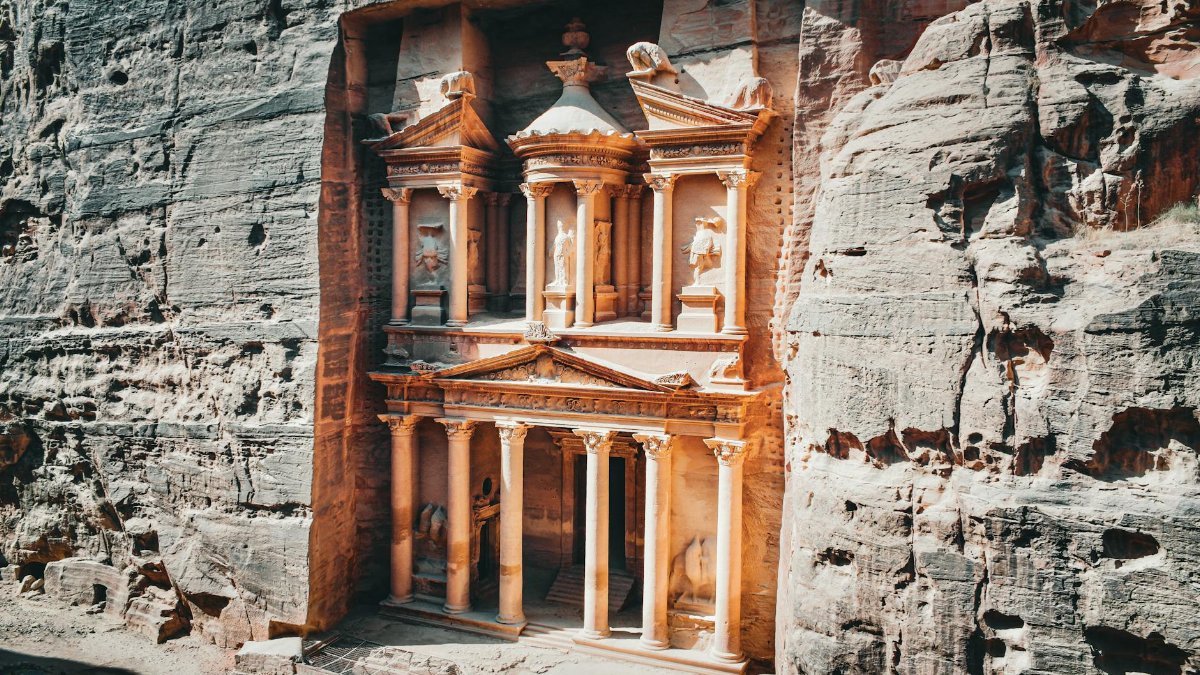
The Nabateans of Petra, around the first century B.C., carved aqueducts into cliffs and built cisterns to capture flash floods in this desert outpost. Pottery pipes and plaster lined channels stored water for 30,000 residents. This water harvesting mastery guides UAE’s Masdar City, where subterranean channels minimize evaporation. Petra’s system, detailed in a UNESCO report, inspires fog collection nets and passive cooling in arid modern architecture, turning scarcity into abundance without energy input.
Persian Qanats in Iran

Dating back to 1000 B.C., Persia’s qanats are underground tunnels tapping aquifers over 40 miles, with vertical shafts for ventilation. Emerging via gentle slopes, they irrigated vast farmlands with zero surface evaporation. Morocco’s khettaras draw directly from this model for off grid farming. A World Bank study on Iranian qanats praises their sustainability, influencing California’s groundwater recharge tunnels that combat subsidence while preserving ecosystems.
Nazca Puquios in Peru
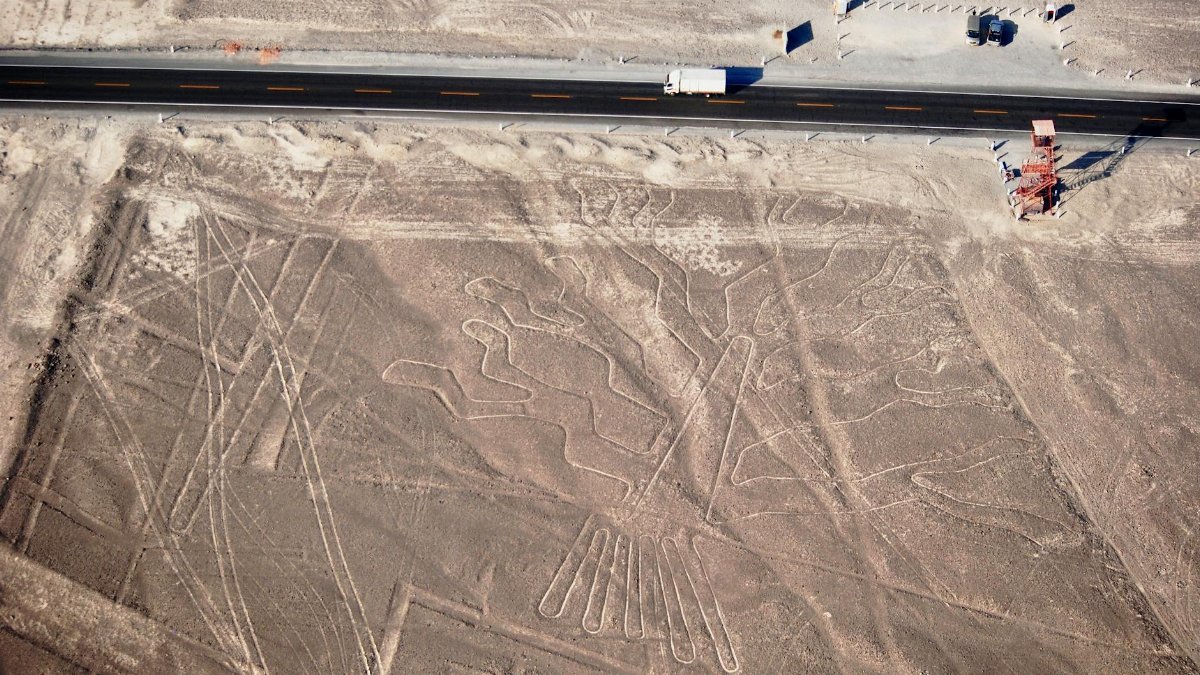
Pre Inca engineers in Nazca, from 200 B.C., dug spiral puquios—underground aqueducts with vertical shafts—that filter and aerate water from aquifers. These stone lined spirals still flow seasonally, supporting agriculture in hyper arid zones. Peruvian modernists adapt puquios for coastal desalination plants, as seen in Ica’s solar augmented systems. Archaeological findings from the Nazca Lines Project underscore their filtration tech, vital for today’s water scarce cities pursuing net zero infrastructure.
Omani Falaj Systems

Oman’s falaj, Iron Age conduits from 500 B.C., combine open channels and tunnels to distribute spring water equitably via communal governance. Some span 20 miles with precise gradients. This social engineering inspires Oman’s contemporary wadi restoration, integrating smart sensors into ancient paths. The International Centre for Water Security notes falaj equity models shaping community led projects in rural India, blending tradition with data for resilient supply.
Aspendos Aqueduct in Turkey
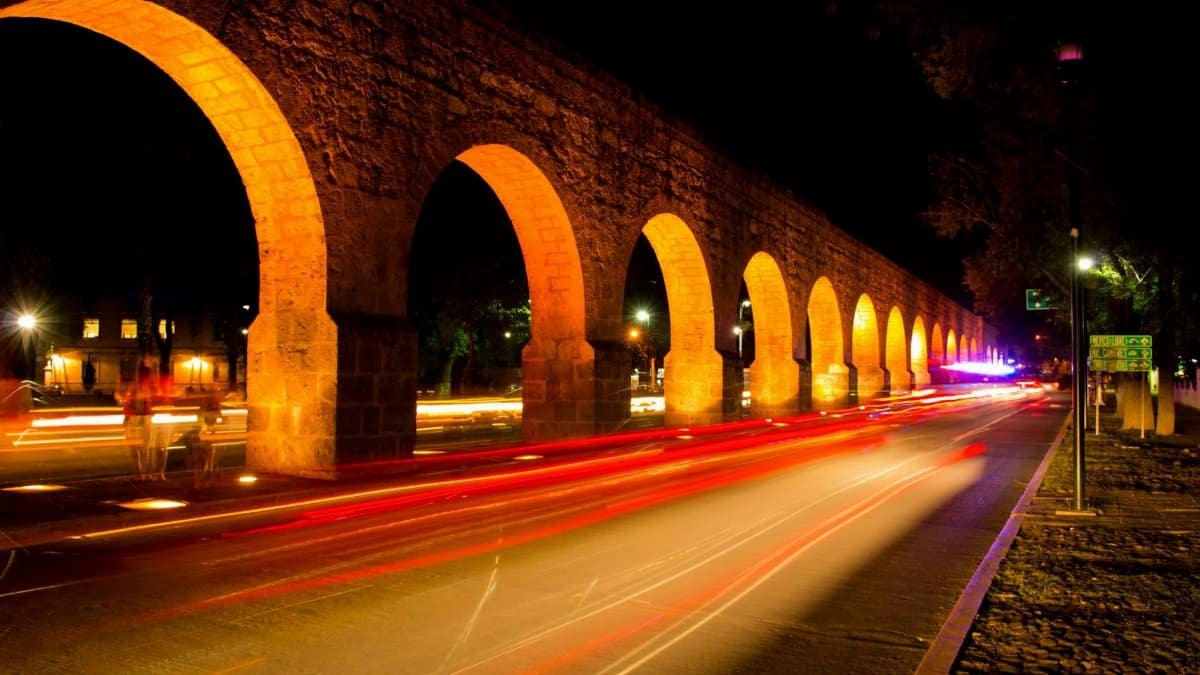
The Roman aqueduct at Aspendos, second century A.D., bridges a river gorge with 99 arches and siphon bridges, carrying water nine miles. Its inverted siphons handled 100 foot drops using lead pipes. Turkish engineers replicate this for Istanbul’s seismic retrofits, per a Technical University study. The design’s adaptability fuels hybrid systems worldwide, merging gravity with pumps for energy savings up to 40 percent.
Tarragona Aqueduct in Spain
Spain’s Tarragona Aqueduct, from the first century B.C., towers 87 feet with massive granite blocks forming two story arcs over 160 miles total network. Its inverted siphon under the Francoli River showcased pressure mastery. Catalan architects cite it in high speed rail viaducts that double as water conduits. Preservation efforts reveal self cleansing channels, now prototyped in EU flood control for sustainable urban drainage.
Carthage Aqueducts in Tunisia

Punic and Roman builders in Carthage, from 300 B.C., engineered 80 mile aqueducts with vaults and settling tanks for crystal clear delivery. Multi level arches crossed plains efficiently. Tunisia’s modern medinas revive these for rainwater harvesting, aligning with UN sustainability goals. Hydrological analysis from Tunis University emphasizes their biofilm free linings, guiding antibiotic free water treatment in developing regions.
Karez of Pakistan

Afghanistan and Pakistan’s karez, Persian influenced from 300 B.C., tunnel through mountains with 30 mile reaches, ventilated by craters. They sustain villages without pumps. Pakistan’s Balochistan projects upscale karez for solar hybrids, per an ICIMOD report. This low impact revival counters overpumping, offering a blueprint for global groundwater preservation amid rising temperatures.
Echoes in Today’s Sustainable Designs

These ancient aqueducts collectively demonstrate gravity’s power, material thrift, and landscape attunement—principles reshaping modern architecture. From Singapore’s Deep Tunnel systems to Los Angeles’ permeable pavements, echoes abound. Architects like Norman Foster invoke Roman arches in zero energy buildings, while qanat inspired subsurface networks cut urban heat islands. As climate pressures mount, revisiting these feats urges a shift from high tech fixes to elegant, enduring ones. Policymakers now fund “aqueduct 2.0” initiatives, blending heritage with innovation for water secure futures.