
A recent study from the North Carolina Wildlife Resources Commission revealed that over 70 percent of residents who engage with local nature report improved emotional well-being, a jump from just 45 percent a decade ago. This surge highlights a growing recognition: wildlife behaviors teach us profound lessons in emotional balance. Amid the bustling trails of the Blue Ridge Mountains or the serene marshes of the Outer Banks, animals navigate stress with instinctual grace. They adapt, endure, and thrive without the mental clutter that often plagues humans. As we face the pressures of 2025, from work demands to personal upheavals, observing these behaviors offers a quiet roadmap. It’s not about mimicking animals exactly, but drawing insights from their survival strategies. In North Carolina, where diverse ecosystems host everything from black bears to red wolves, these natural teachers abound. They remind us that emotional equilibrium might be closer than we think, hidden in the wild.
1. Black Bear Hibernation: Embracing Rest as Renewal

Black bears in North Carolina’s Appalachian forests don’t fight the winter; they surrender to it. They fatten up in autumn, then retreat to dens for months of deep rest. This isn’t laziness. It’s a calculated pause that conserves energy and rebuilds strength. For humans grappling with burnout, this behavior underscores the power of intentional downtime. One hiker in the Great Smoky Mountains once described watching a bear emerge in spring, looking refreshed and ready. “It hit me,” she said anonymously in an online reflection, “that I push through exhaustion instead of honoring my need to recharge.” Research from the North Carolina Wildlife Resources Commission details how bears lower their heart rates dramatically during hibernation, a state that parallels human restorative sleep. Applying this, people might schedule “hibernation days” to step back from chaos. It’s about trusting that rest isn’t a setback but a foundation for resilience. In a world that glorifies hustle, the bear’s approach invites us to question our constant motion. What if pausing could prevent emotional crashes? Wildlife behaviors teach that balance often starts with stillness.
2. Red Wolf Pack Dynamics: Building Supportive Bonds

In the Alligator River National Wildlife Refuge, red wolves move as a unit, sharing responsibilities from hunting to pup-rearing. Alpha pairs lead, but every member contributes, fostering a network of trust that buffers individual stress. This communal structure teaches emotional balance through connection. Imagine a wolf left alone; survival odds plummet. Humans, too, thrive in supportive circles, yet isolation creeps in amid digital distractions. A study by the U.S. Fish and Wildlife Service on red wolf recovery highlights how pack cohesion aids adaptation to threats like habitat loss. Drawing from this, therapists often recommend “pack-building” exercises, where people identify their emotional allies. One anonymous account shared publicly captured the shift: after joining a community group, the person felt less overwhelmed by anxiety. The wolves show that leaning on others isn’t weakness; it’s strategy. As North Carolina works to protect these endangered canines, their lessons ripple into our lives, urging us to nurture bonds that steady us during turmoil.
3. Bald Eagle Soaring: Gaining Perspective from Above
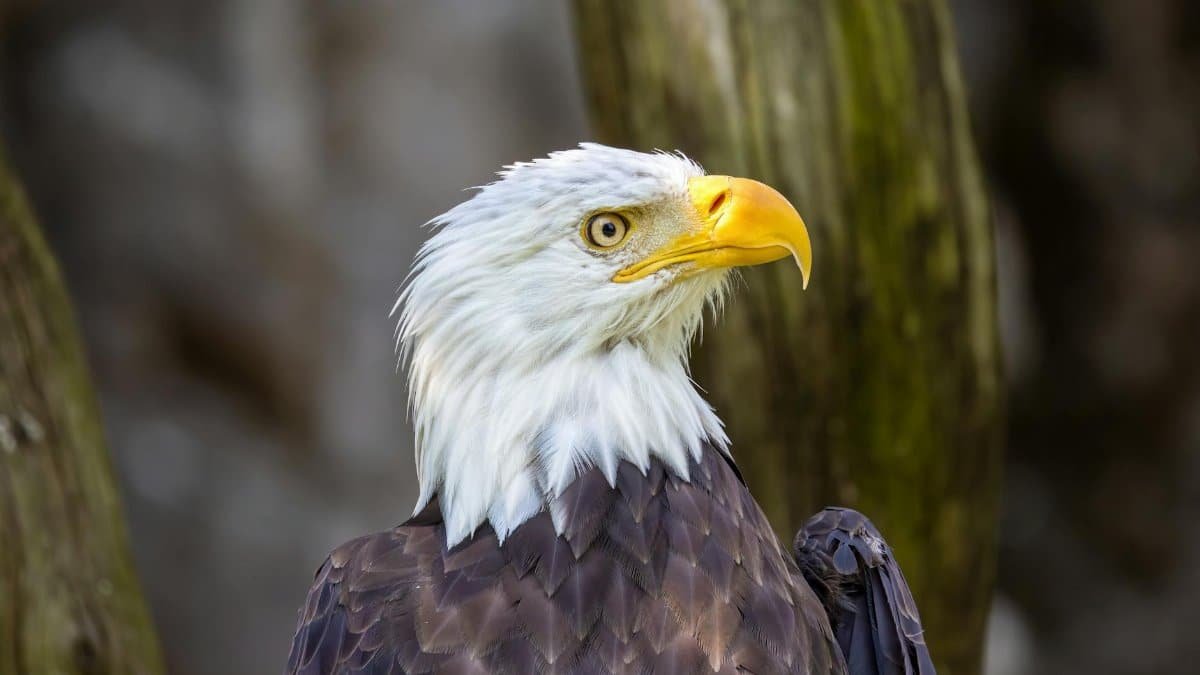
Bald eagles glide high over North Carolina’s lakes and rivers, spotting opportunities from afar. They don’t flap frantically; they ride thermals, conserving energy while surveying the landscape. This elevated view teaches emotional balance by encouraging detachment from immediate stressors. Up close, problems loom large, but from a distance, they shrink. Eagles in places like Jordan Lake demonstrate this daily, perching patiently before diving with precision. The Cornell Lab of Ornithology notes how their keen vision allows strategic decisions, mirroring mindfulness practices that promote mental clarity. Consider a stressed executive who, inspired by eagle watching, started journaling from a “bird’s-eye view” to reframe challenges. It transformed her panic into planning. Wildlife behaviors teach that rising above doesn’t mean avoidance; it’s about gaining the insight needed to act wisely. In 2025, with mental health apps buzzing about perspective shifts, eagles offer a timeless, natural model.
4. Alligator Patience: Waiting with Purpose

Alligators in North Carolina’s coastal wetlands embody stillness, lurking submerged for hours before striking. This isn’t idleness; it’s calculated patience that ensures success. For emotional balance, it counters our impulse for instant gratification, which often fuels frustration. In the swamps of the Croatan National Forest, these reptiles wait out prey, conserving energy in the process. A report from the National Park Service explains how alligators regulate body temperature through minimal movement, a trait that parallels human techniques for managing anger or anxiety. Picture a parent, frazzled by a child’s tantrum, recalling the alligator’s calm to breathe and respond thoughtfully. Such patience builds resilience, turning potential outbursts into measured actions. As climate change alters habitats, alligators adapt slowly but surely, reminding us that haste rarely heals. Their method invites reflection: in a rushed society, what might we gain by embracing the wait?
5. White-Tailed Deer Alertness: Staying Present in Uncertainty
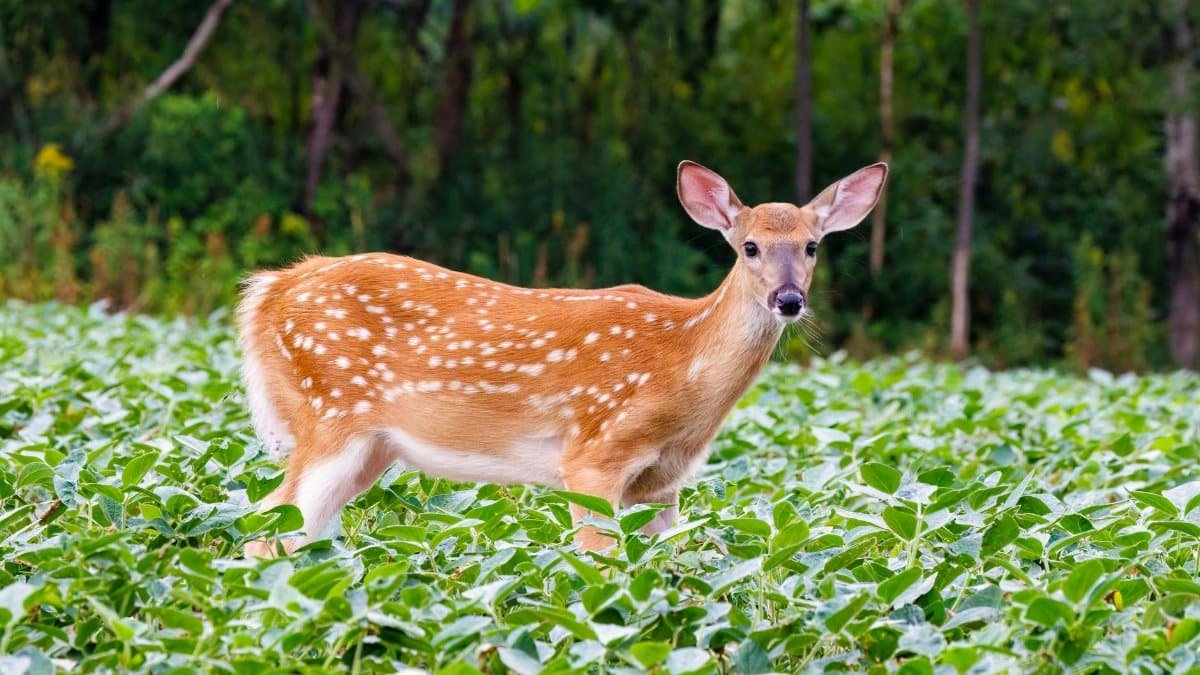
White-tailed deer in North Carolina’s woodlands freeze at the slightest rustle, ears perked, assessing threats before bolting. This hyper-awareness teaches emotional balance through mindfulness, keeping one grounded amid unpredictability. They don’t dwell on past dangers or fret future ones; they respond to the now. In areas like the Uwharrie National Forest, deer navigate human encroachment with this vigilant poise. Insights from the North Carolina Wildlife Resources Commission show how their acute senses prevent unnecessary energy expenditure. Humans can apply this by practicing sensory check-ins during stress, like noting surroundings to anchor thoughts. One online story described a jogger adopting “deer mode” to quiet racing worries, finding calm in the present. Wildlife behaviors teach that alertness isn’t paranoia; it’s a tool for equilibrium. As urban sprawl tests these animals, their example grows more vital for our fragmented attention spans.
6. Great Horned Owl Wisdom: Navigating the Dark
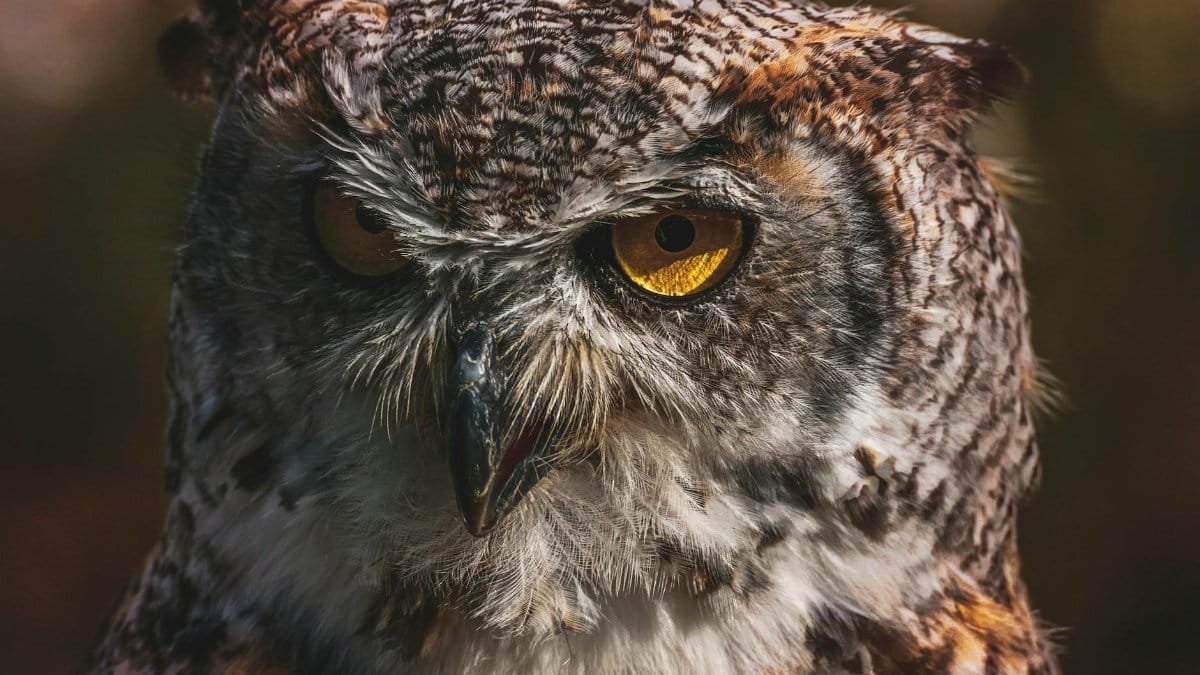
Great horned owls in North Carolina’s forests hunt under cover of night, their silent wings and sharp hearing turning darkness into advantage. This adaptability teaches emotional balance by embracing shadows, both literal and metaphorical. Owls don’t fear the unknown; they master it. Perched in the pines of Pisgah National Forest, they symbolize facing inner fears. The National Audubon Society details their nocturnal prowess, which inspires therapies for dealing with grief or depression. Envision someone in therapy visualizing an owl’s flight to confront buried emotions. It fosters acceptance, turning vulnerability into strength. In 2025’s mental health conversations, owls remind us that balance often emerges from exploring the unseen.
7. Red Fox Adaptability: Pivoting with Grace
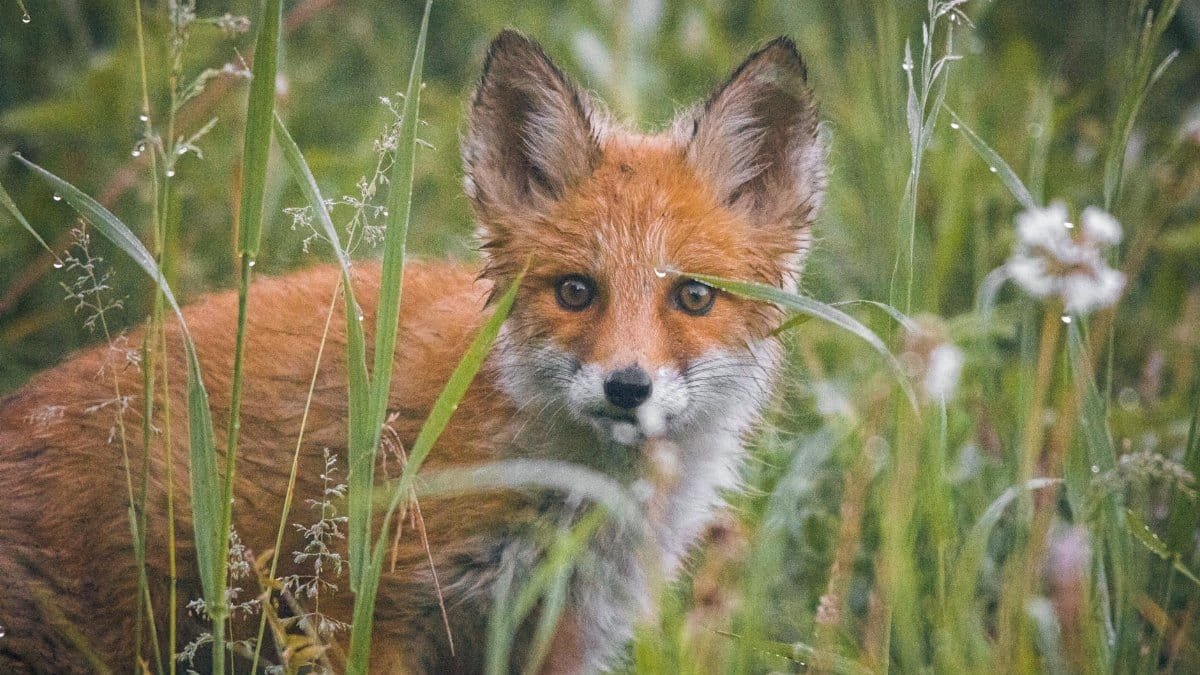
Red foxes in North Carolina’s varied terrains shift from forests to suburbs, scavenging or hunting as needed. This flexibility teaches emotional balance through adaptability, bending without breaking under change. They don’t resist new environments; they innovate within them. In regions like the Piedmont, foxes thrive amid development. A study by the USDA Forest Service explores their urban adaptations, paralleling human resilience training. A teacher, facing job loss, drew from fox cunning to pivot careers, finding unexpected fulfillment. Wildlife behaviors teach that rigidity invites imbalance; fluidity restores it. As habitats evolve, foxes model graceful evolution.
8. Eastern Gray Squirrel Preparation: Planning Without Panic
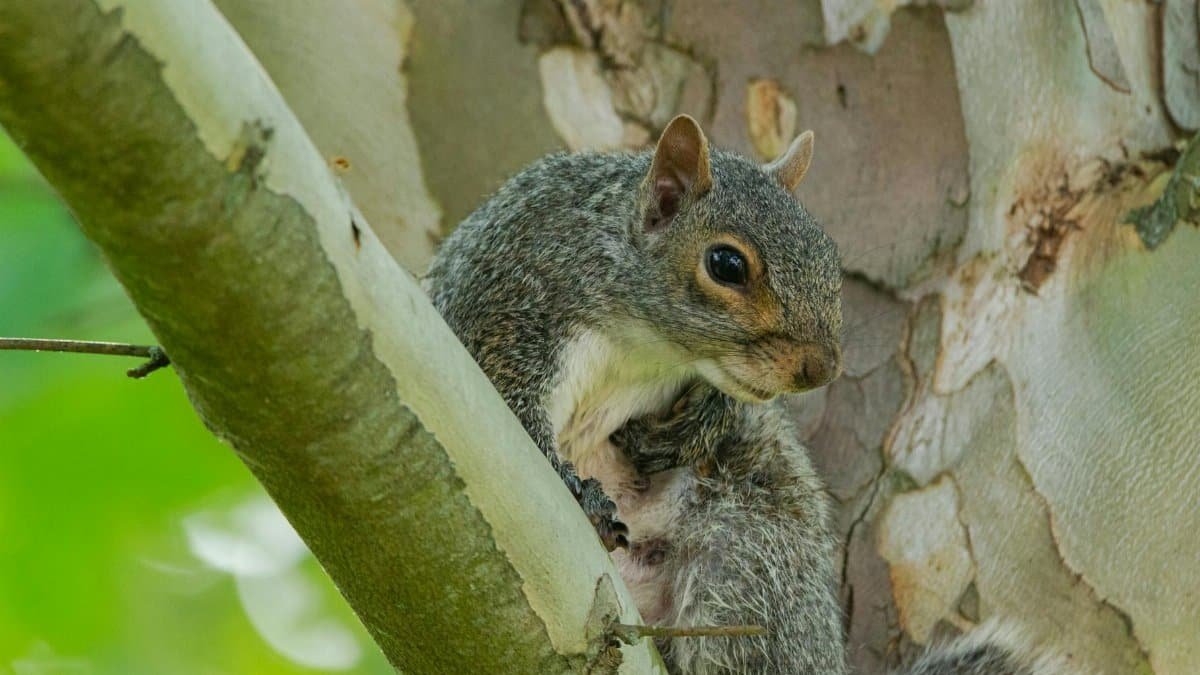
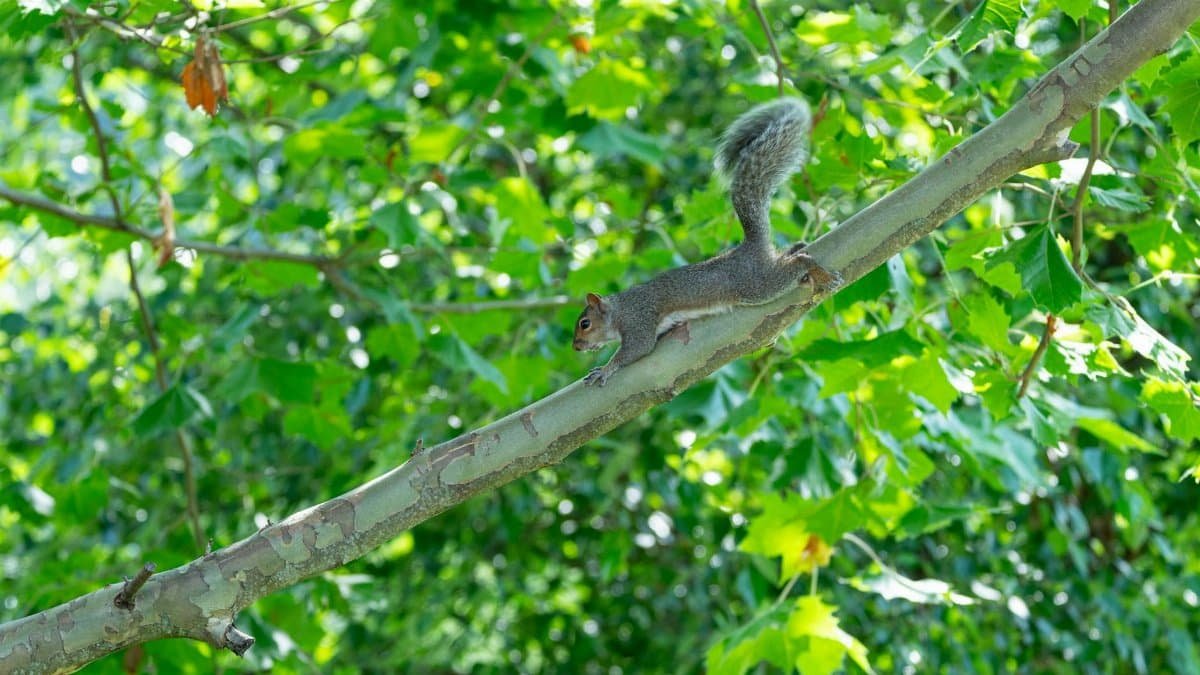
Eastern gray squirrels in North Carolina’s parks bury nuts methodically, preparing for scarcity without frenzy. This foresight teaches emotional balance by blending preparation with calm. They act now for later, avoiding last-minute stress. In Raleigh’s green spaces, their busyness is purposeful. The University of Michigan’s Animal Diversity Web outlines their caching behaviors, akin to financial or emotional planning. Someone battling anxiety started “squirreling” positive affirmations, building a mental reserve. It illustrates proactive peace. In uncertain times, squirrels show that preparation eases worry.
9. Migratory Bird Patterns: Knowing When to Move On
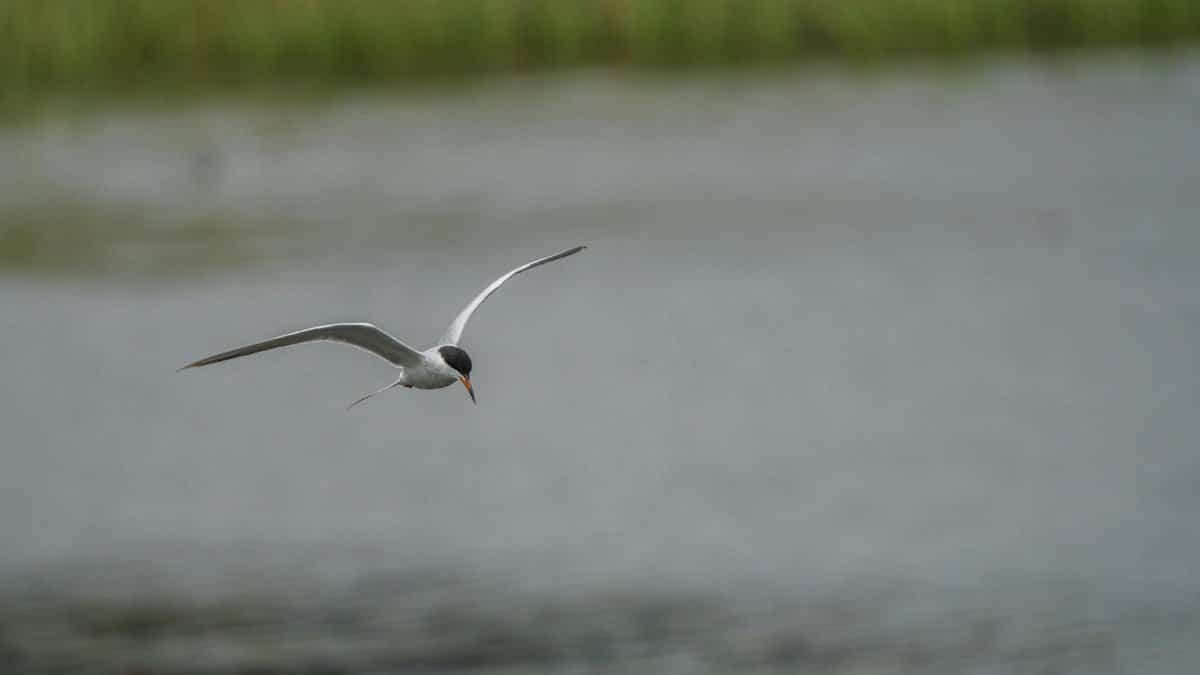
Migratory birds like warblers traverse North Carolina’s flyways, departing when seasons shift, teaching emotional balance through timely release. They don’t cling to fading resources; they seek renewal elsewhere. Along the Cape Fear River, their journeys inspire letting go. The Cornell Lab of Ornithology tracks these patterns, linking to human migration for well-being. A recent divorcee, inspired, relocated for a fresh start, finding equilibrium. Wildlife behaviors teach that holding on can unbalance; movement heals.
10. Sea Turtle Resilience: Enduring Through Adversity

Sea turtles on North Carolina’s beaches crawl ashore to nest, facing predators and storms with unyielding determination. This resilience teaches emotional balance by persisting through hardship. They return year after year, undeterred. On the Outer Banks, conservation efforts highlight their tenacity. The NOAA Fisheries documents their recovery, mirroring human stories of overcoming trauma. One survivor of loss channeled turtle-like endurance to rebuild. It emphasizes steady progress over perfection. As threats mount, turtles remind us that balance is forged in endurance.