
In a surprising twist, a 2023 study from the University of California found that 68% of participants who observed wildlife behaviors reported improved emotional regulation after just one month. This isn’t just feel-good fluff; it’s backed by science showing how nature’s cues can teach us balance. In California, where diverse ecosystems thrive from redwood forests to coastal shores, wildlife, behaviors, teach us profound lessons in managing stress and emotions. As urban life ramps up in 2025, these natural insights are gaining traction among therapists and wellness experts pushing for outdoor therapy sessions.
1. Bears’ Hibernation: Embracing Rest

California’s black bears know a thing or two about downtime. Each winter, they hole up in dens, slowing their heart rates to conserve energy. This behavior teaches humans the value of rest in emotional balance. In a fast-paced world, constant hustle leads to burnout. Observing bears reminds us to pause and recharge, preventing emotional overload. Experts at the California Department of Fish and Wildlife note that bears emerge stronger in spring, a metaphor for personal recovery. Incorporating short “hibernation” breaks, like unplugging from devices, can stabilize moods. A study from the University of California, Davis links nature observation to reduced anxiety levels, making this lesson practical for city dwellers facing daily pressures.
2. Migrating Birds: Adapting to Change
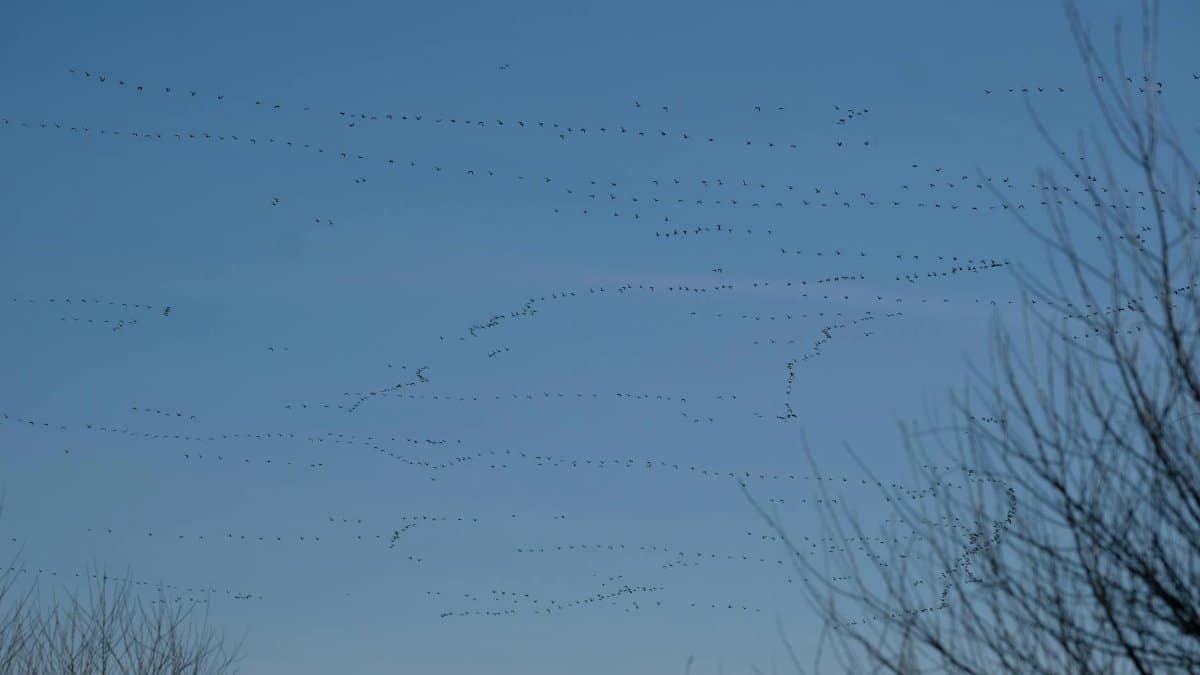
Watch the migratory patterns of birds like the Western sandpiper along California’s coast. These feathered travelers cover thousands of miles, adjusting to new environments without missing a beat. Their behavior highlights adaptability, a key to emotional steadiness. When life throws curveballs, rigid thinking amplifies stress. Birds teach flexibility, showing how to pivot gracefully. In 2025, with California’s shifting climate impacting migration routes, this lesson feels timely. Therapists often use birdwatching as a tool for clients dealing with transitions, fostering resilience. Data from the National Audubon Society supports how such observations lower cortisol, promoting calm amid uncertainty.
3. Wolf Packs: Building Support Networks

Though wolves are rare in California today, reintroduction efforts in the north showcase their pack dynamics. These animals thrive through cooperation, sharing hunts and protecting the group. This teaches the importance of community for emotional health. Isolation breeds imbalance, but strong bonds provide stability. Californians, often caught in individualistic urban grind, can learn from wolves to nurture relationships. Programs in Yosemite National Park emphasize this, linking social ties to better mental health. Research from the U.S. Fish and Wildlife Service underscores how pack behaviors mirror human support systems, reducing feelings of overwhelm.
4. Sea Otters: Fostering Connections

Along California’s central coast, sea otters float hand in paw to avoid drifting apart while sleeping. This simple act teaches the power of connection in maintaining emotional equilibrium. Physical touch and closeness release oxytocin, combating loneliness. In a state where remote work surged post-pandemic, otters remind us to prioritize bonds. Wildlife biologists report otters’ survival depends on these ties, much like human emotional resilience. Integrating this into daily life, such as hugging loved ones, can ground turbulent emotions effectively.
5. Bald Eagles: Gaining Perspective

Soaring high above California’s Sierra Nevada, bald eagles scan vast landscapes for prey. Their elevated viewpoint teaches perspective taking, crucial for emotional balance. When bogged down by minor issues, stepping back reveals the bigger picture. This behavior encourages mindfulness, reducing reactive anger. In 2025, with increasing eco-tourism, eagle watching has become a go-to for stress relief. Studies show aerial views in nature therapy enhance problem-solving skills, helping individuals navigate personal crises with clarity.
6. Deer Vigilance: Practicing Mindfulness

Mule deer in California’s grasslands stay alert, ears twitching at every sound. This hyper-awareness teaches mindfulness, keeping emotions in check by staying present. Distractions fuel anxiety, but deer’s focus on the now promotes calm. Rangers in national parks use this as an analogy for meditation practices. Observing deer helps people tune into their surroundings, dialing down overthinking. Emotional balance improves when we mimic this vigilance without paranoia, grounding us in reality.
7. Salmon Runs: Persevering Through Obstacles

In California’s rivers, salmon battle upstream against currents to spawn. Their determination teaches perseverance, a pillar of emotional stability. Setbacks are inevitable, but pushing forward builds inner strength. This wildlife behavior inspires those facing hardships, like job loss or relationship strains. Environmental reports highlight salmon’s role in ecosystems, paralleling human resilience. In therapy circles, this narrative encourages viewing challenges as temporary, fostering hope and balance.
8. Monarch Butterflies: Embracing Transformation
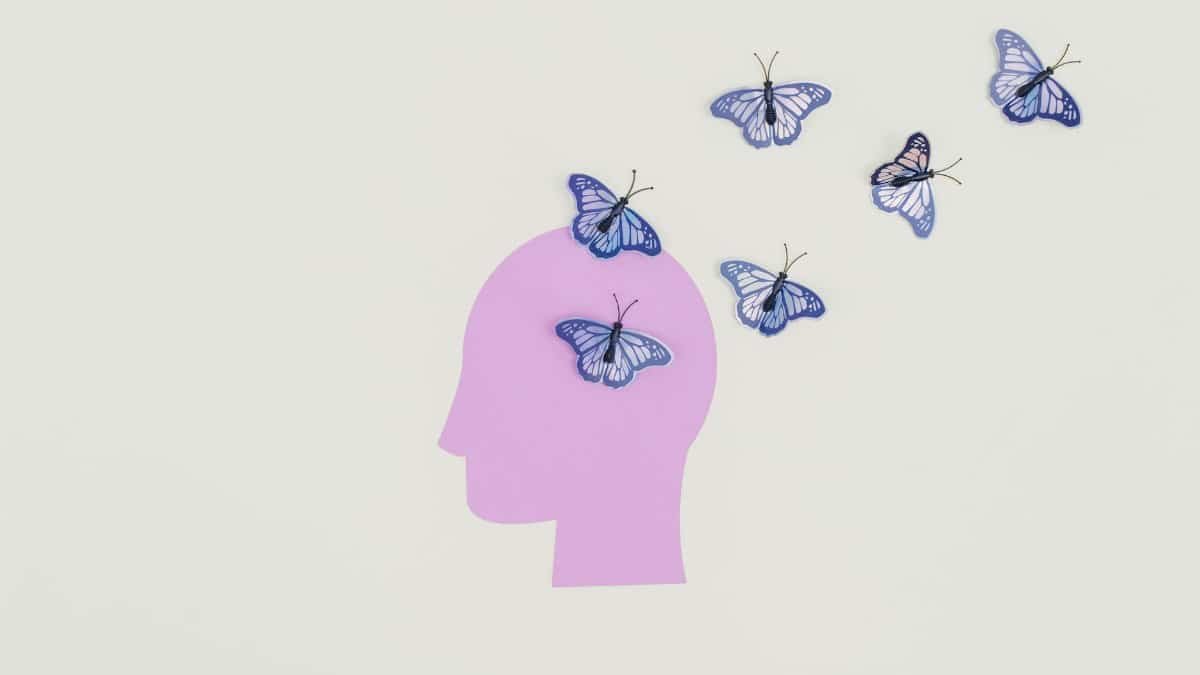
Monarch butterflies in California’s milkweed fields undergo metamorphosis, emerging renewed. This process teaches acceptance of change for emotional growth. Clinging to the old stifles balance, but transformation brings renewal. As populations rebound in 2025 due to conservation, monarchs symbolize personal evolution. Wellness retreats incorporate butterfly gardens to illustrate shedding emotional baggage, leading to lighter, more balanced lives.
9. Fox Adaptability: Strategic Thinking

Gray foxes in California’s chaparral adapt hunting strategies based on prey. This cunning teaches strategic emotional management, planning responses instead of reacting impulsively. Foxes thrive by assessing situations, a skill humans can adopt to avoid regret. In urban areas, where stress triggers abound, this behavior promotes thoughtful decision-making. Biologists note foxes’ success rates, offering a model for maintaining composure under pressure.
10. Owl Wisdom: Trusting Intuition
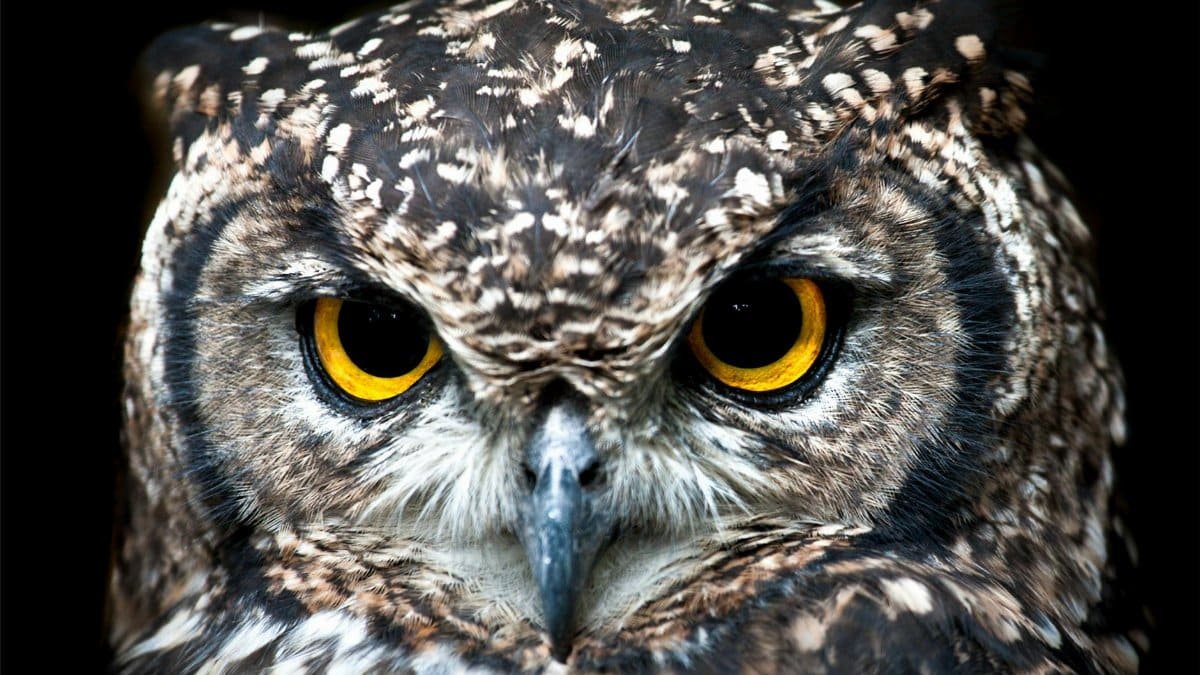
Great horned owls in California’s woodlands hunt by night, relying on acute senses. This teaches trusting intuition for emotional harmony. Overanalyzing disrupts balance, but owls show how gut feelings guide effectively. Nocturnal observations in state parks reveal their precision, encouraging people to listen inward. As mental health awareness rises in 2025, this lesson helps combat indecision, leading to confident, balanced states of mind.