
A recent study from the National Institutes of Health revealed that observing animal behaviors can reduce human stress levels by up to 30 percent, according to findings published in their environmental health reports. This insight points to a deeper connection between wildlife actions and our own nervous systems. In a world where anxiety runs high, these natural displays offer subtle lessons in emotional regulation. From the way a deer freezes at the slightest sound to a bird’s precise migration patterns, wildlife actions that show nervous-system wisdom highlight instinctive strategies for survival and calm. Such behaviors remind us how attuned responses can guide stability amid chaos. As researchers delve into biomimicry, these examples emerge as timeless guides for human well-being in 2025.
1. The Deer’s Freeze Response
In dense forests across the American Midwest, a white-tailed deer suddenly halts mid-step. Its ears perk up, muscles tense, but it remains utterly still. This freeze is no accident. It stems from an ancient nervous-system tactic, allowing the animal to assess threats without drawing attention. Biologists note how this momentary pause lets the deer’s sympathetic nervous system evaluate danger, deciding whether to flee or stay put.
Picture a hiker stumbling upon such a scene near Yellowstone National Park. The deer doesn’t bolt immediately. Instead, it processes sensory input, heart rate spiking yet controlled. This mirrors human mindfulness practices, where pausing amid stress prevents rash decisions. Studies from the National Institutes of Health suggest that emulating this can lower cortisol levels in people facing daily pressures.
Yet there’s nuance here. Not every freeze leads to safety. Sometimes, it backfires if the predator is too close. This tension underscores the wisdom in balanced responses, teaching us that nervous-system awareness involves both instinct and adaptation.
2. Birds’ Migratory Instincts
What drives a flock of geese to navigate thousands of miles with pinpoint accuracy? It starts with an internal compass tied to their nervous systems, sensitive to Earth’s magnetic fields. This action showcases a profound wisdom, where seasonal cues trigger neurological shifts, ensuring survival through precise timing.
Consider the Arctic tern, journeying from pole to pole. Its brain processes daylight changes, hormonal signals firing to initiate flight. Researchers at Cornell University’s Lab of Ornithology have documented how these patterns reflect evolutionary fine-tuning. One observer recounted watching terns over Lake Michigan, their wings cutting through the wind with effortless grace, a reminder of nature’s built-in GPS.
Such migrations aren’t flawless. Storms can disrupt paths, forcing quick recalibrations. This adaptability highlights how wildlife actions, nervous in their precision, model resilience for humans juggling life’s uncertainties. In therapy circles, drawing parallels to personal “migrations” through change fosters emotional stability.
3. Squirrels’ Nut-Burying Strategy
Autumn leaves crunch underfoot as a gray squirrel darts across a suburban park in New England, burying acorns with frantic energy. This isn’t mere hoarding. It’s a nervous-system driven action, where the animal’s brain maps locations, anticipating winter scarcity. The process involves spatial memory, a cognitive feat that secures future calm.
Delve into the scene: the squirrel pauses, sniffs, then digs. Its actions stem from the limbic system, balancing immediate urges with long-term planning. A report from the U.S. Forest Service explores how such behaviors enhance survival rates, offering insights into human anxiety management.
Of course, forgetting spots happens, leading to new tree growth. This unintended benefit reveals a layered wisdom, where nervous-system impulses create ecosystems. For people, it suggests burying “worries” strategically, planting seeds for later peace.
4. Wolves’ Pack Communication
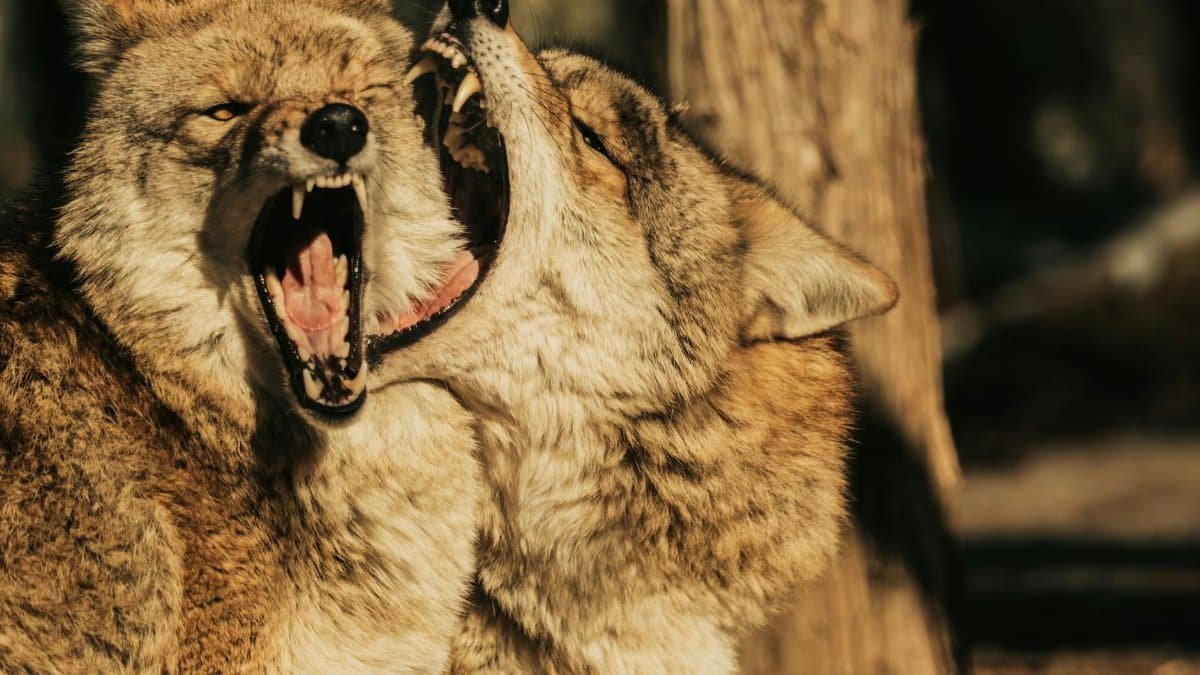
A howl echoes through the Rocky Mountains at dusk. It’s a wolf signaling its pack, a nervous-system action rooted in social bonds. These vocal cues regulate group dynamics, reducing individual stress by fostering unity. The alpha’s call triggers oxytocin releases, calming the collective.
Imagine a lone wolf rejoining after scouting. Ears twitch, tails wag in subtle rhythms. This interplay, studied by the U.S. Geological Survey, shows how auditory signals synchronize nervous systems, much like human conversations ease tensions.
Conflicts arise, though. Rival packs challenge territories, heightening arousal. Yet resolution through structured howls demonstrates wisdom in de-escalation, a lesson for modern workplaces where clear communication prevents burnout.
5. Bees’ Waggle Dance

Inside a buzzing hive in California’s almond orchards, a forager bee performs a figure-eight dance. This precise movement conveys flower locations to hive mates, a nervous-system marvel encoding distance and direction through vibrations. It’s wisdom in motion, optimizing energy for the colony’s survival.
The dance unfolds rapidly: wings flutter, body twists. Neurologically, it’s tied to the bee’s central nervous system, processing solar positions. Insights from the PLOS Biology journal highlight how this communication minimizes foraging risks.
Misinterpretations occur in crowded hives, leading to inefficiencies. Still, the system’s redundancy ensures overall success, paralleling human teams where shared knowledge builds collective calm amid uncertainty.
6. Octopuses’ Camouflage Shifts
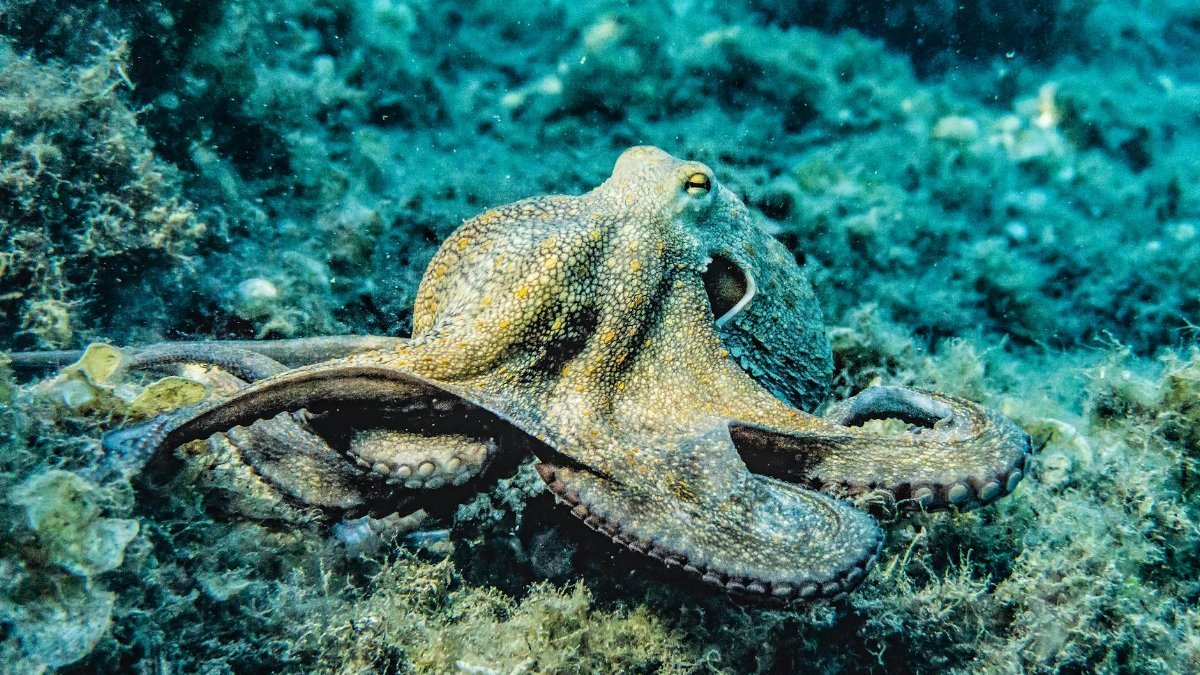
Along the Pacific Northwest coast, an octopus blends seamlessly with coral, its skin changing hues in seconds. This rapid camouflage is a nervous-system action, where decentralized neurons fire to match surroundings, evading predators with intelligent stealth.
Watch it happen: a shadow approaches, and chromatophores expand. The brain orchestrates this without central command, a decentralized wisdom. Marine biologists at the Monterey Bay Aquarium describe it as evolutionary brilliance, adapting to threats instantaneously.
Failures in murky waters test this, forcing retreats. Yet the flexibility teaches humans about adaptive coping, turning nervous energy into protective innovation.
7. Elephants’ Memory Recall

In the savannas of Africa, though observed in U.S. zoos, an elephant matriarch leads her herd to a distant waterhole during drought. Her recall, etched in the nervous system, draws on decades of spatial memory, ensuring group stability.
The trek begins with trunk signals, ears flapping in coordination. This action reflects hippocampal prowess, as noted in studies from the Smithsonian’s National Zoo. One keeper shared how an elephant paused, trunk raised, as if consulting an internal map.
Age dims memory sometimes, leading to detours. But communal support compensates, illustrating how shared nervous-system wisdom sustains emotional bonds in crises.
8. Fish Schooling Synchronization
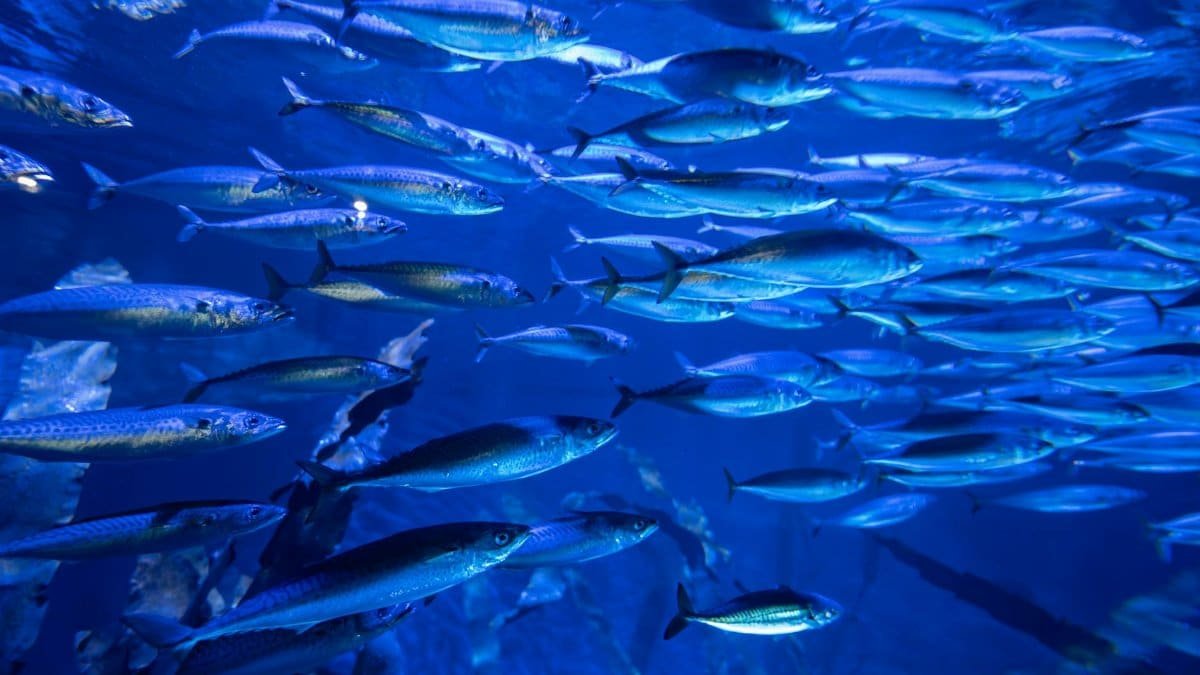
A school of sardines twists through ocean currents off Florida’s coast, moving as one to confuse predators. This synchronized swimming is a nervous-system feat, lateral lines detecting minute pressure changes for instant adjustments.
The formation shifts fluidly: a predator lunges, and the school parts. Neurological signals propagate like ripples, per research from the National Oceanic and Atmospheric Administration. It’s collective wisdom, reducing individual panic.
Stragglers risk isolation, heightening stress. Yet the group’s cohesion models human social networks, where unity buffers nervous-system overloads.
9. Bears’ Hibernation Preparation

As fall deepens in Alaska’s wilderness, a grizzly bear gorges on salmon, building fat reserves. This preparatory action tunes its nervous system for hibernation, slowing metabolism to conserve energy through winter’s harshness.
The bear ambles along streams, instincts driving intake. Hormonal shifts in the hypothalamus signal readiness, a process detailed in wildlife journals. Online discussions often reveal awe at this cycle, with one account describing a bear’s deliberate feasting as “nature’s pause button.”
Disrupted seasons from climate change challenge this. Still, the bear’s adaptation shows nervous-system foresight, inspiring human strategies for seasonal affective lows.
10. Birds’ Nest-Building Precision
In a backyard in suburban Texas, a robin weaves twigs into a sturdy nest. This meticulous action engages the nervous system, coordinating fine motor skills with environmental cues for offspring security.
Materials are selected carefully: soft grasses for lining, strong branches for structure. Avian neurology supports this, as explored by the Audubon Society. The result is a haven, embodying wisdom in proactive calm.
Storms test durability, prompting repairs. This resilience echoes how humans can build emotional nests, using wildlife actions, nervous in their intent, to foster lasting stability.