

In a fast paced world, it’s easy to overlook the quiet warnings our bodies send. A recent study from the American Psychological Association found that nearly 80 percent of Americans experience physical symptoms of stress, yet only about half recognize them as such, according to their 2023 Stress in America survey. This disconnect highlights a broader issue: the subtle stress signals people often miss, which can build up and affect emotional clarity and overall well being. These signals aren’t always dramatic, like a pounding heart or sweaty palms; sometimes they’re as understated as a nagging fatigue or a shift in appetite. As we navigate 2025’s demands, from work pressures to social media overload, tuning into these cues could be key to maintaining balance. But what are these overlooked indicators, and how do they manifest in daily life?
1. Persistent Fatigue Despite Rest
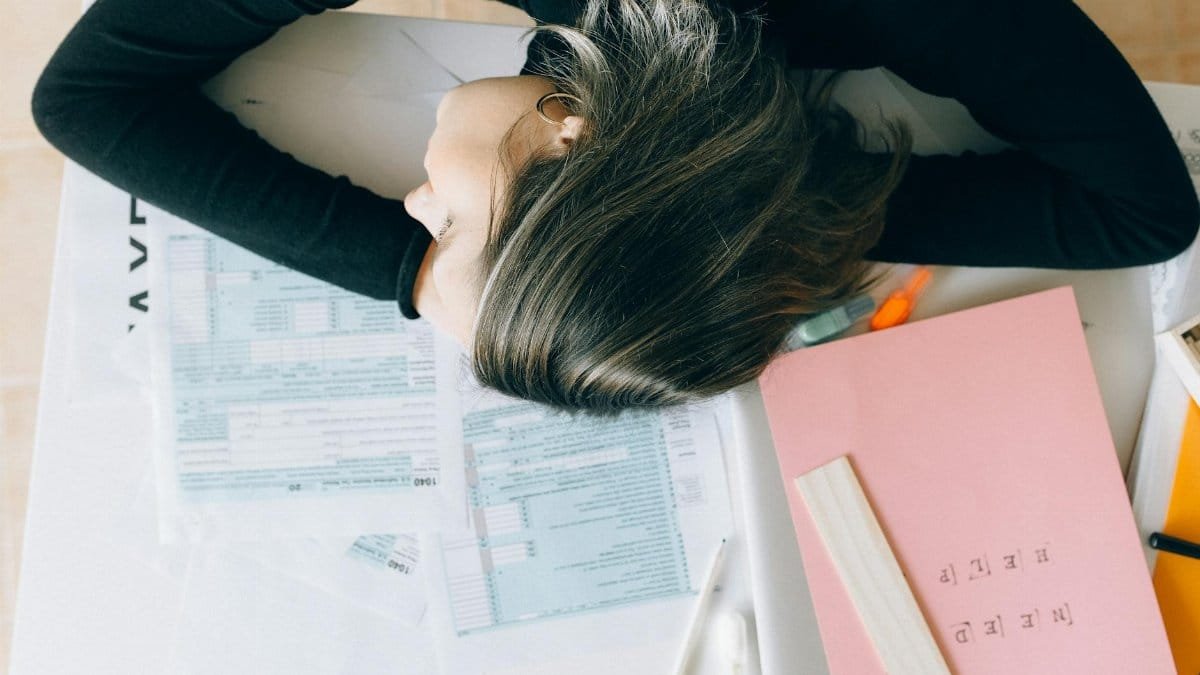
Imagine waking up after a full night’s sleep, yet feeling as drained as if you’d pulled an all nighter. This kind of lingering tiredness often masquerades as just another busy day, but it can signal chronic stress eroding your energy reserves. Experts note that when the body’s fight or flight response stays activated, it depletes resources without downtime to recover.
One woman, reflecting on her routine in an anonymous online account, described it vividly: she powered through her marketing job, ignoring the exhaustion until a minor cold sidelined her for weeks. “It was like my body was whispering for months, but I only heard the shout when it was too late,” she shared. This echoes findings from the American Psychological Association’s resources on stress and the body, which explain how prolonged stress disrupts sleep cycles and hormone balance.
Recognizing this signal involves tracking patterns. If coffee no longer perks you up or weekends fail to recharge you, it might be time to assess stressors. Simple adjustments, like incorporating short walks or mindfulness breaks, can help reset.
2. Unexplained Muscle Tension
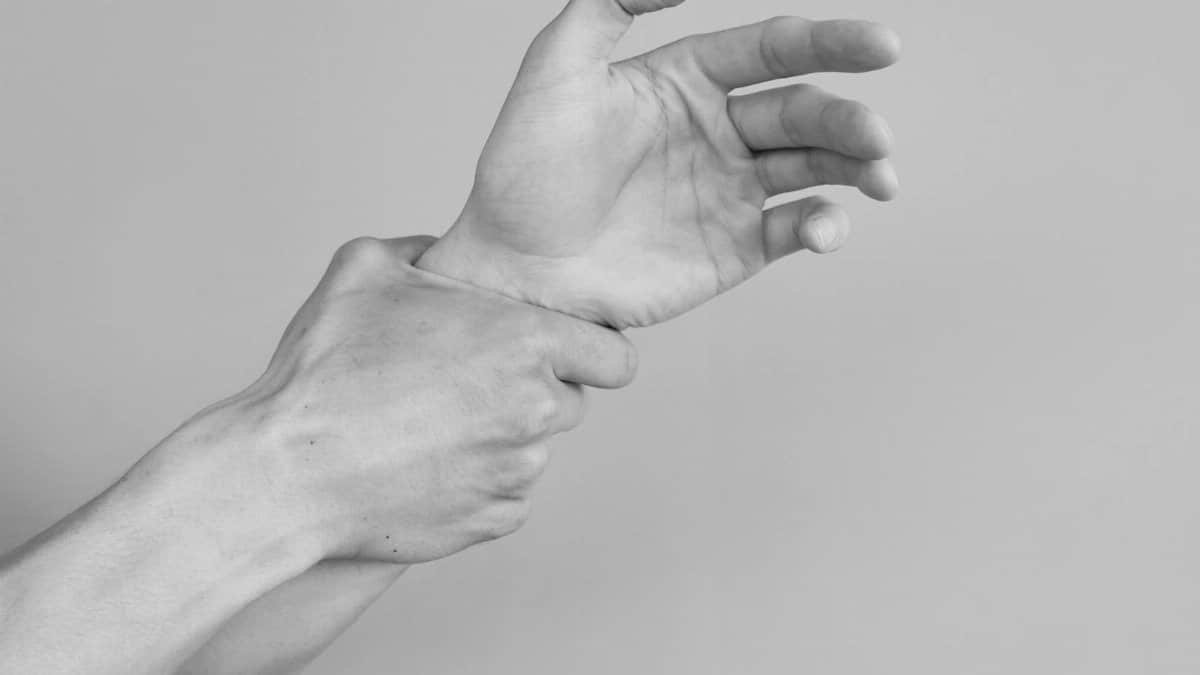
Tightness in the shoulders or a clenched jaw might seem like mere habits, but they often point to stress accumulating in the body. Picture someone at a desk, unknowingly hunching forward during a tense email exchange; over time, this builds into chronic discomfort.
Research from the Mayo Clinic underscores how stress triggers muscle contractions as a protective response, leading to pain if unchecked. In one study linked from their site, participants reported higher tension levels correlating with work related anxiety. It’s not just physical; this tension can amplify emotional strain, creating a feedback loop.
To illustrate, consider a teacher juggling virtual classes and family duties. She noticed her neck stiffening during parent meetings, a subtle cue she initially dismissed as poor posture. Only after a massage therapist pointed it out did she connect it to underlying worries about job security in 2025’s evolving education landscape. The Mayo Clinic’s guide to stress symptoms offers practical tips, like progressive muscle relaxation, to ease this.
3. Changes in Appetite or Digestion

Suddenly craving sweets or skipping meals without reason? These shifts can be stress signals people brush off as dietary whims. Stress hormones like cortisol influence hunger, sometimes suppressing it or sparking emotional eating.
A compelling snapshot comes from everyday folks: a construction worker found himself reaching for junk food after long shifts, not realizing it tied to project deadlines. “I thought it was just hunger, but it was my way of coping,” he later reflected. This aligns with insights from the National Institute of Mental Health, which details how stress affects eating behaviors.
Diving deeper, chronic digestive issues like bloating or irregularity often stem from the gut brain axis under duress. If your stomach churns before routine tasks, it might warrant attention. Strategies include mindful eating and consulting resources from the National Institute of Mental Health’s stress overview.
Yet, it’s not always straightforward; some experience overeating as a comfort mechanism, while others lose interest in food entirely, highlighting the personalized nature of these signals.
4. Irritability Over Small Things

What if that snap at a loved one over a misplaced remote is more than bad temper? Heightened irritability often flags building stress, turning minor annoyances into major triggers.
Start with a scene: a parent in a bustling household, usually patient, finds herself short fused during homework time. It’s a common tale, as stress lowers emotional thresholds, making reactions outsized.
According to Harvard Health Publishing, this stems from stress overloading the brain’s prefrontal cortex, impairing impulse control. Their reports link it to increased conflict in relationships, a trend noted in recent years. One anonymous forum post captured it: “Everything bugs me lately, from traffic to texts. Is this normal?” Yes, but it’s a signal worth heeding.
Addressing it might involve journaling triggers or seeking calm through breathing exercises, as suggested in Harvard Health’s article on stress effects.
5. Difficulty Concentrating

Foggy thoughts and scattered focus can creep in quietly, dismissed as multitasking overload. But when stress hijacks attention, it manifests as trouble staying on task or remembering details.
Reflect on a software developer staring at code, mind wandering to worries about layoffs. This mental haze isn’t laziness; it’s stress diverting cognitive resources.
Studies from the Centers for Disease Control and Prevention highlight how chronic stress impairs memory and decision making. In their workplace health resources, they note rising reports of concentration issues amid economic uncertainties in 2025.
To counter it, techniques like the Pomodoro method or short meditations can help. One person’s account described regaining clarity after prioritizing sleep: “It was like wiping fog from a window.”
6. Sleep Disturbances Beyond Insomnia
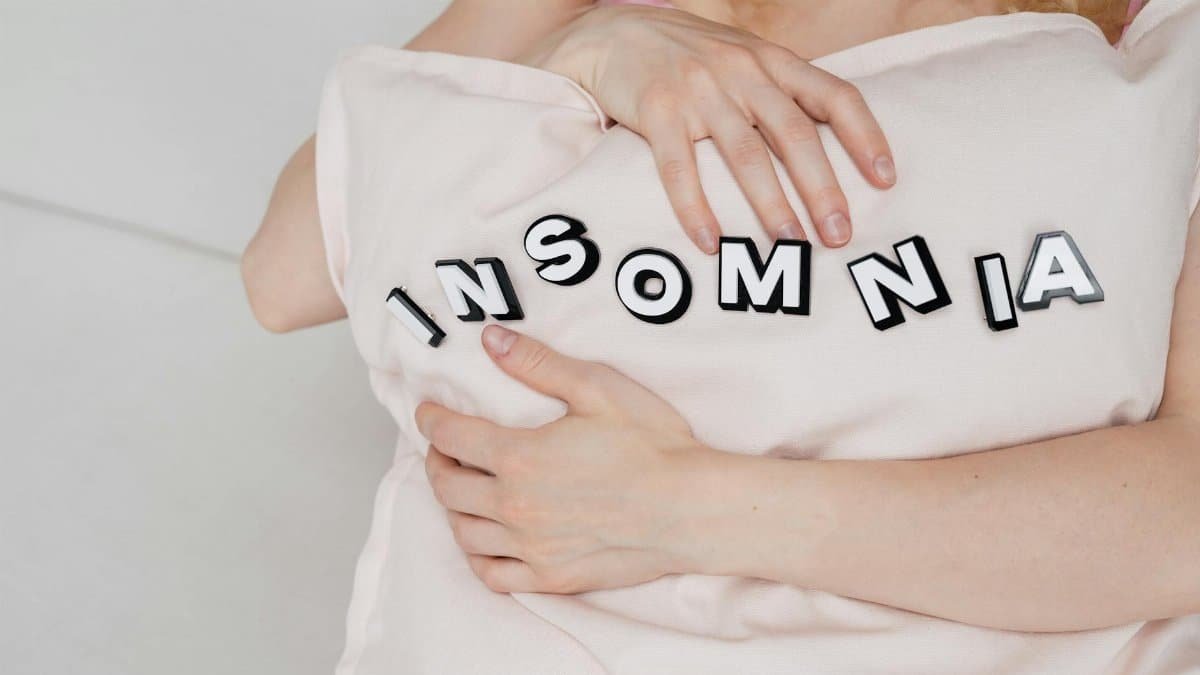
Not just trouble falling asleep, but restless nights or vivid dreams can signal stress infiltrating rest. People often attribute it to caffeine or screens, missing the deeper cause.
Envision tossing and turning, replaying the day’s tensions in your mind. This pattern disrupts restorative sleep phases, leaving you groggy.
The Sleep Foundation’s research connects stress to fragmented sleep, with data showing a spike in such complaints during high pressure periods. Their guides emphasize creating bedtime routines to mitigate this.
A retiree shared how post retirement anxieties led to fitful nights: “I’d wake up exhausted, not knowing why.” Linking to Sleep Foundation’s stress and sleep page, experts recommend winding down rituals.
Interestingly, some find relief in tracking sleep patterns, revealing hidden stressors.
7. Skin Changes or Breakouts

Unexpected acne or dry patches might seem cosmetic, but stress can trigger skin reactions through inflammation and hormone fluctuations.
A young professional noticed flare ups before presentations, initially blaming diet. It turned out to be her body’s stress response, as cortisol exacerbates skin issues.
Insights from the American Academy of Dermatology explain this link, with studies showing stress worsens conditions like eczema. In 2025, with hybrid work adding unpredictability, such signals are on the rise.
Simple self care, like hydration and stress reducing hobbies, can make a difference, per their recommendations.
8. Frequent Headaches or Migraines

That recurring throb isn’t always from dehydration or eye strain; stress often tightens blood vessels, sparking headaches.
Picture a student cramming for exams, headache building as deadlines loom. It’s a classic overlooked signal.
The National Headache Foundation reports that tension headaches are commonly stress induced, with resources detailing prevention. One account highlighted: “I popped pills, ignoring the root cause until it escalated.”
Management includes relaxation techniques, supported by National Headache Foundation’s chart.
9. Social Withdrawal

Pulling back from friends or hobbies can signal stress overload, yet it’s easy to rationalize as needing “me time.”
In a group setting, someone skips gatherings, citing fatigue, but it’s really avoidance to manage inner turmoil.
Pew Research Center’s surveys on social isolation link it to stress, noting trends in American adults. Their data from recent years shows correlations with mental health.
Reconnecting gradually, perhaps through low key activities, helps, as per expert advice.
10. Heightened Sensitivity to Noise or Light

Sudden annoyance at everyday sounds or brightness might indicate stress amplifying sensory processing.
A office worker flinched at colleagues’ chatter, a new irritation tied to burnout.
Research from the NIH explores how stress affects sensory thresholds, with studies on neurological impacts.
Creating quieter environments or using aids like earplugs can alleviate this, fostering better emotional clarity.
As we wrap up these signals, remember that awareness is the first step toward addressing them, potentially transforming how we handle stress in daily life.