

Recent data from the National Center for Complementary and Integrative Health shows that nearly 40 percent of American adults now incorporate some form of mind-body practice into their routines, up from just 25 percent a decade ago. This surge reflects a broader shift toward somatic daily practices, those intentional habits that tune into the body’s signals for greater emotional and physical harmony. Amid the stresses of modern life, from endless screen time to economic uncertainties, people are turning to these methods not as occasional retreats but as everyday tools. What stands out is how accessible they’ve become, weaving into commutes, work breaks, and family moments. As we navigate 2025, this trend underscores a collective yearning for balance, proving that listening to the body can transform ordinary days into more grounded experiences.
1. Mindful Breathing Exercises
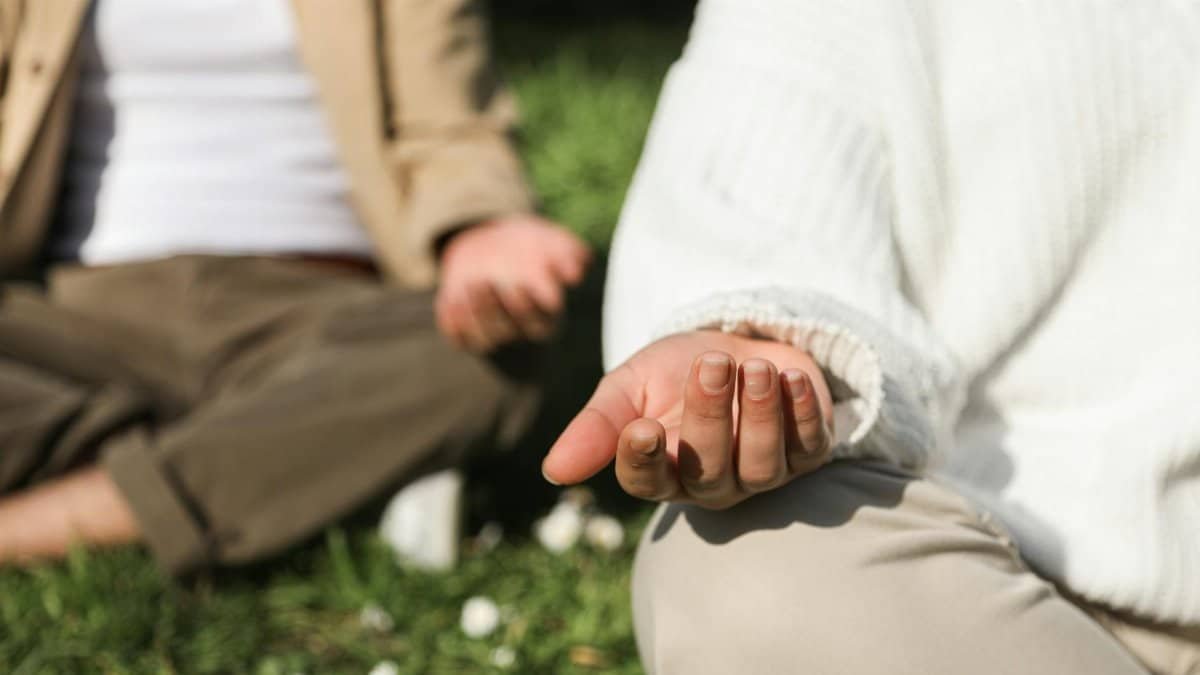
Start with the breath, that fundamental rhythm often overlooked until stress tightens the chest. Mindful breathing stands as a cornerstone of somatic daily practices, inviting practitioners to pause and observe each inhale and exhale. In bustling cities like New York, office workers now slip in quick sessions during lunch, feeling the air fill their lungs as a way to reset amid deadlines.
Consider Sarah, a mid-level manager in Chicago, who described her morning commute transforming after adopting this habit. “It used to be a blur of anxiety,” she shared in a casual conversation, “but now, focusing on my breath turns the train ride into a moment of calm.” Such stories highlight how breathing exercises ground the nervous system, drawing from techniques rooted in ancient traditions yet backed by modern science.
Research from the University of California supports this, showing reduced cortisol levels through consistent practice.UCSF Study on Mindful Breathing details how even five minutes daily can alter stress responses. Variations abound, from box breathing to alternate nostril methods, each adaptable to personal needs. The beauty lies in its simplicity; no equipment required, just intention.
As adoption grows, apps and community classes proliferate, making it easier for middle-aged adults to integrate without overhauling their schedules. Yet challenges arise, like forgetting amid distractions, but persistence yields subtle shifts in awareness.
2. Body Scan Meditations
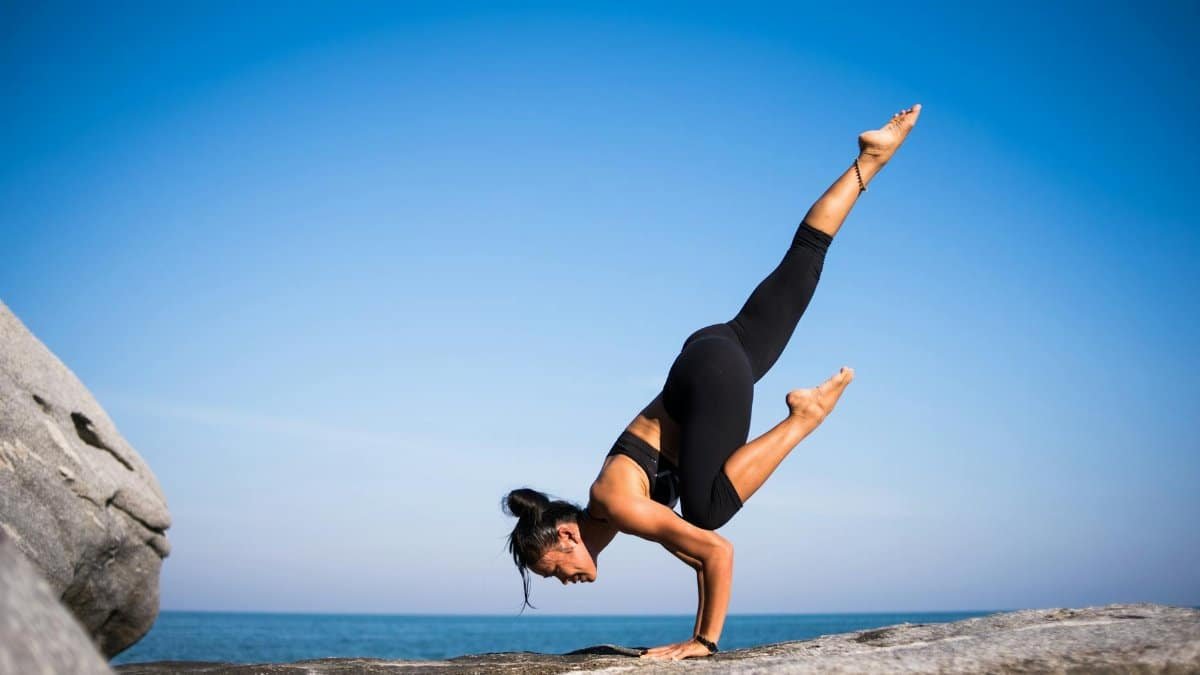
Imagine lying still, mentally traveling from toes to scalp, noting every sensation without judgment. Body scan meditations exemplify somatic daily practices by fostering a dialogue between mind and body, often revealing hidden tensions accumulated over years.
In suburban homes across the Midwest, parents like Tom have woven this into bedtime routines. He recounted how scanning his body helped release the knots from a desk job, leading to better sleep. “It’s like auditing your own physical state,” he explained, a sentiment echoed in many quiet reflections.
Studies underscore its efficacy; a report from Harvard Medical School links regular scans to improved pain management and emotional regulation.Harvard Health on Body Scans explores how this practice enhances interoception, the sense of internal body states. Sessions can last from ten minutes to an hour, starting with guided audio for beginners.
What makes it potent is the gradual build-up of self-compassion. Users report feeling more embodied, less reactive to daily irritants. In 2025, with rising awareness of mental health, this practice continues to gain traction, especially among those seeking non-pharmaceutical relief.
3. Gentle Yoga Flows

Yoga isn’t just poses on a mat; it’s a somatic bridge to daily vitality. Gentle flows, emphasizing slow movements synced with breath, are surging as people adapt them to morning rituals or evening wind-downs.
Picture a group in a Seattle park, fluidly transitioning from mountain pose to forward fold, their faces softening with each motion. One participant, a retired teacher, noted how it eased her joint stiffness, turning chores into mindful acts.
Evidence from the National Institutes of Health affirms yoga’s role in reducing inflammation and boosting mood.NIH on Yoga Benefits compiles data showing long-term practitioners experience fewer stress-related ailments. Flows can be customized, from chair yoga for office settings to restorative versions at home.
The practice invites exploration of limits, not pushing them. As communities form around local studios, it fosters connection, countering isolation in an increasingly digital world.
4. Tai Chi Sequences
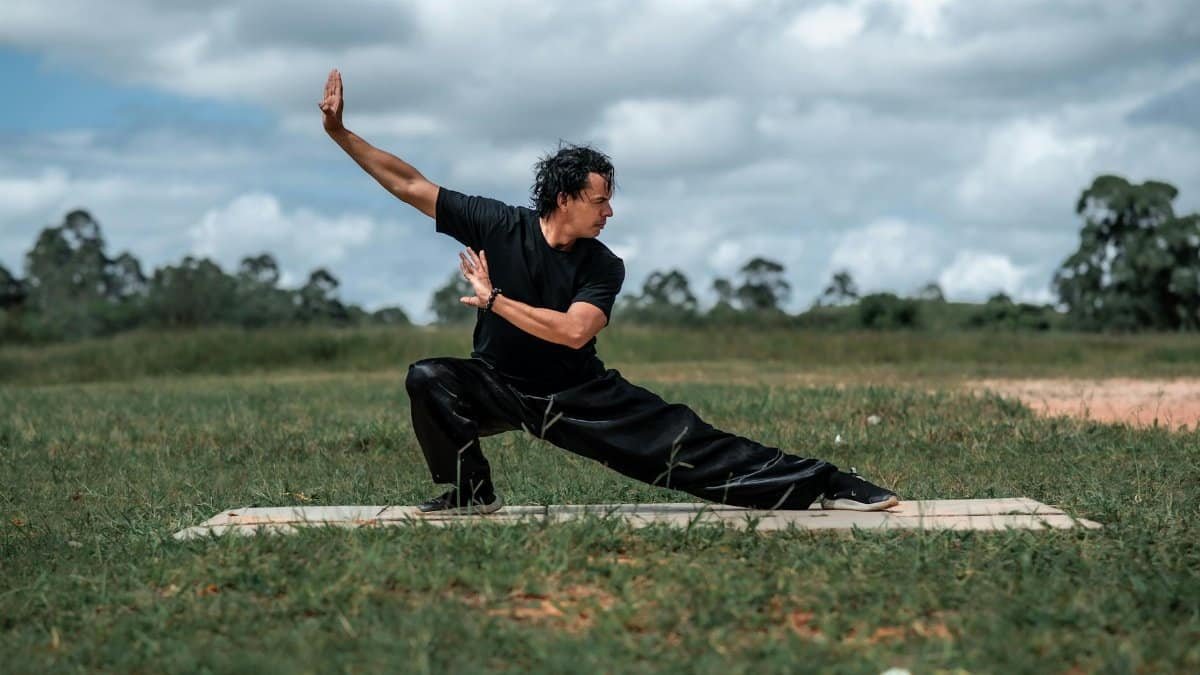
Tai Chi, with its deliberate, flowing forms, embodies somatic daily practices by cultivating balance and energy flow. Originating in China, it’s now a staple in American parks and senior centers, appealing to those craving gentle movement.
A veteran in Atlanta shared how starting his day with Tai Chi quelled chronic back pain. “The slow pace teaches patience,” he said, his words capturing the essence of mindful progression.
Peer-reviewed research from the Mayo Clinic highlights its benefits for flexibility and mental clarity.Mayo Clinic on Tai Chi notes improvements in balance, crucial for aging populations. Short sequences fit into breaks, making it practical for busy lives.
Yet, mastering the forms requires guidance, often through classes or videos. In 2025, virtual communities expand access, blending tradition with technology for broader reach.
5. Grounding Techniques

Grounding pulls awareness to the present through physical connection, like feeling feet on the earth. This somatic approach counters overwhelm, growing popular in therapy sessions and self-care routines.
Online discussions reveal stories of relief; one anonymous account described walking barefoot in grass as a reset after heated arguments, restoring calm swiftly.
The American Psychological Association links grounding to reduced anxiety symptoms.APA on Grounding Techniques provides strategies backed by cognitive behavioral insights. Simple acts, such as holding a stone or focusing on textures, integrate seamlessly.
Its immediacy appeals to those in high-stress jobs, offering quick anchors amid chaos. Over time, it builds resilience, turning fleeting practices into habitual strengths.
6. Somatic Experiencing
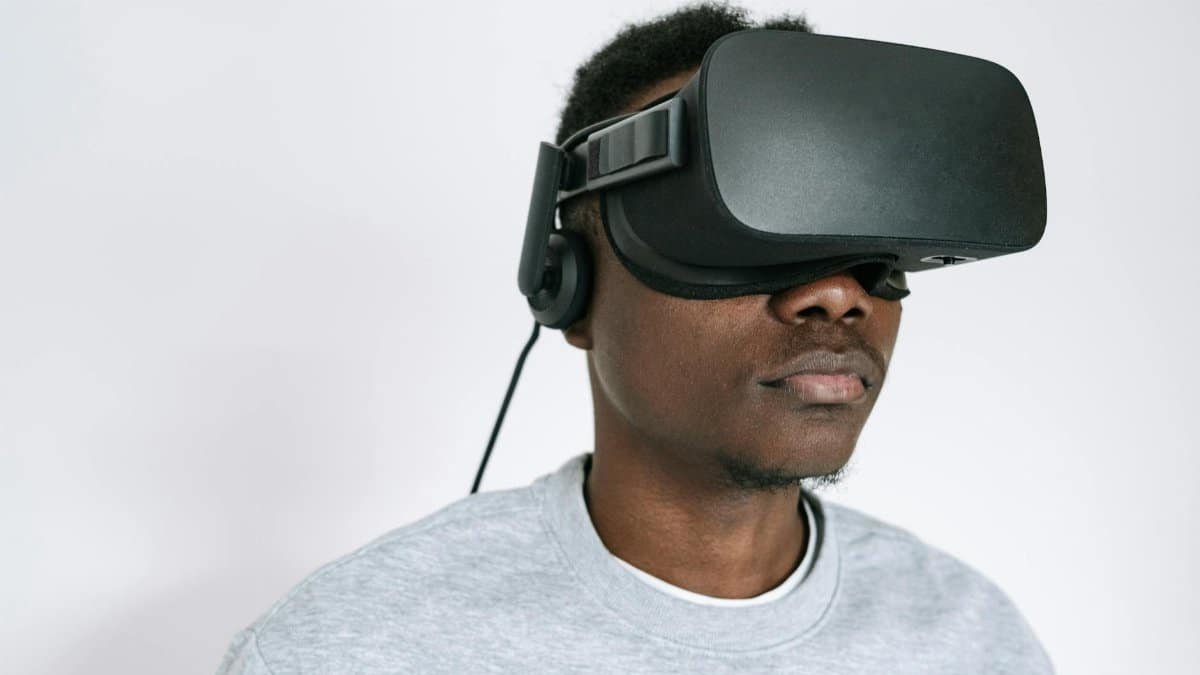
Developed by Peter Levine, Somatic Experiencing addresses trauma through body sensations, helping release stored stress. It’s gaining ground in wellness circles for its therapeutic depth.
A counselor in Denver observed clients thawing emotional freezes via gentle tracking of bodily cues, leading to profound shifts.
Studies from Trauma Research Foundation validate its impact on PTSD recovery.Trauma Research Foundation offers resources on how it renormalizes nervous system responses. Sessions often start with professional guidance but evolve into daily check-ins.
The method emphasizes safety, making it approachable for newcomers. As awareness spreads, it complements traditional talk therapy, enriching somatic daily practices.
7. Dance Movement Therapy
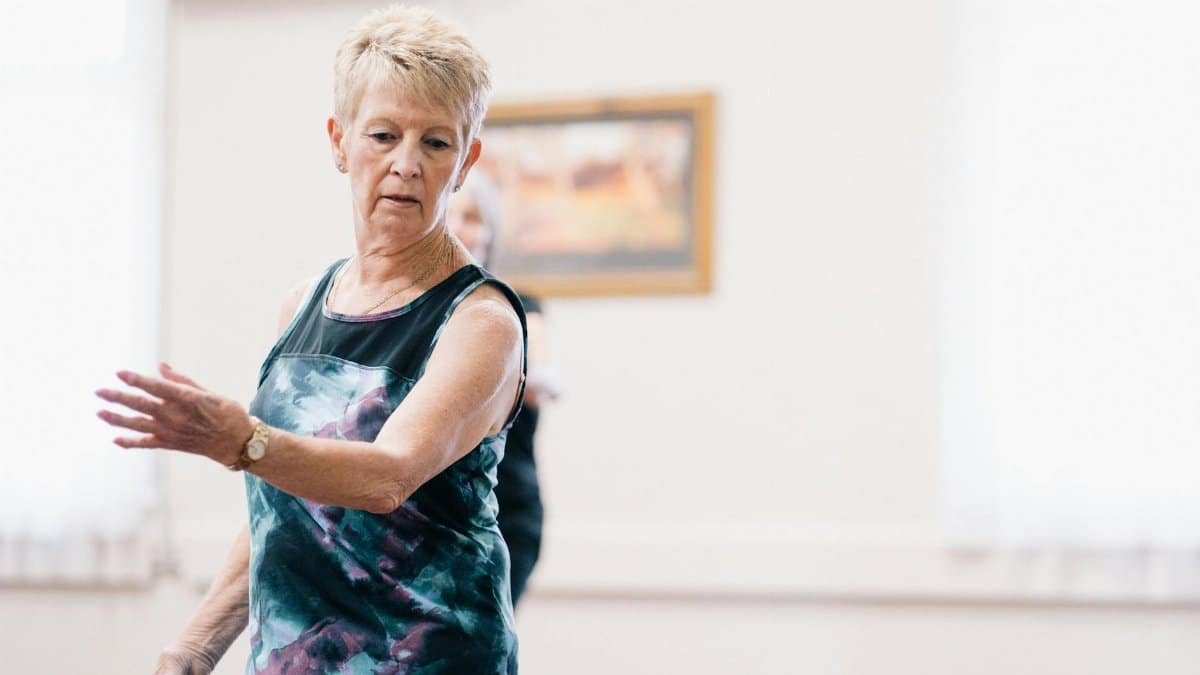
Dance as therapy frees expression through motion, tapping into somatic wisdom. It’s expanding beyond clinics into community spaces, inviting spontaneous joy.
In a Los Angeles workshop, participants swayed to rhythms, shedding inhibitions. One attendee whispered, “It unlocked feelings words couldn’t touch.”
The American Dance Therapy Association documents its role in emotional processing.American Dance Therapy Association shares evidence of improved mood and connectivity. Home versions involve free-form dancing to favorite tunes.
This practice celebrates imperfection, fostering creativity in routine life. In 2025, apps guide sessions, democratizing access for all ages.
8. Feldenkrais Method

Feldenkrais focuses on efficient movement patterns, retraining the body through awareness. It’s quietly revolutionizing rehabilitation and daily ergonomics.
A writer in Boston found typing less painful after lessons, her posture realigning naturally.
Research from the Feldenkrais Educational Foundation supports neuroplasticity benefits.Feldenkrais Method Resources detail studies on pain reduction. Group classes or solo explorations build habits.
Its subtlety demands patience, but results enhance overall functioning, integrating into walks or household tasks.
9. Alexander Technique

The Alexander Technique refines posture and movement, preventing strain. Teachers guide subtle adjustments for everyday activities.
An actor in New York credited it for vocal freedom, transforming stage presence.
British Medical Journal findings affirm its efficacy for back pain.BMJ Study on Alexander Technique shows sustained improvements. Lessons translate to sitting, standing, even driving.
As remote work persists, this practice addresses common aches, promoting longevity in somatic daily practices.
10. Biofeedback Training
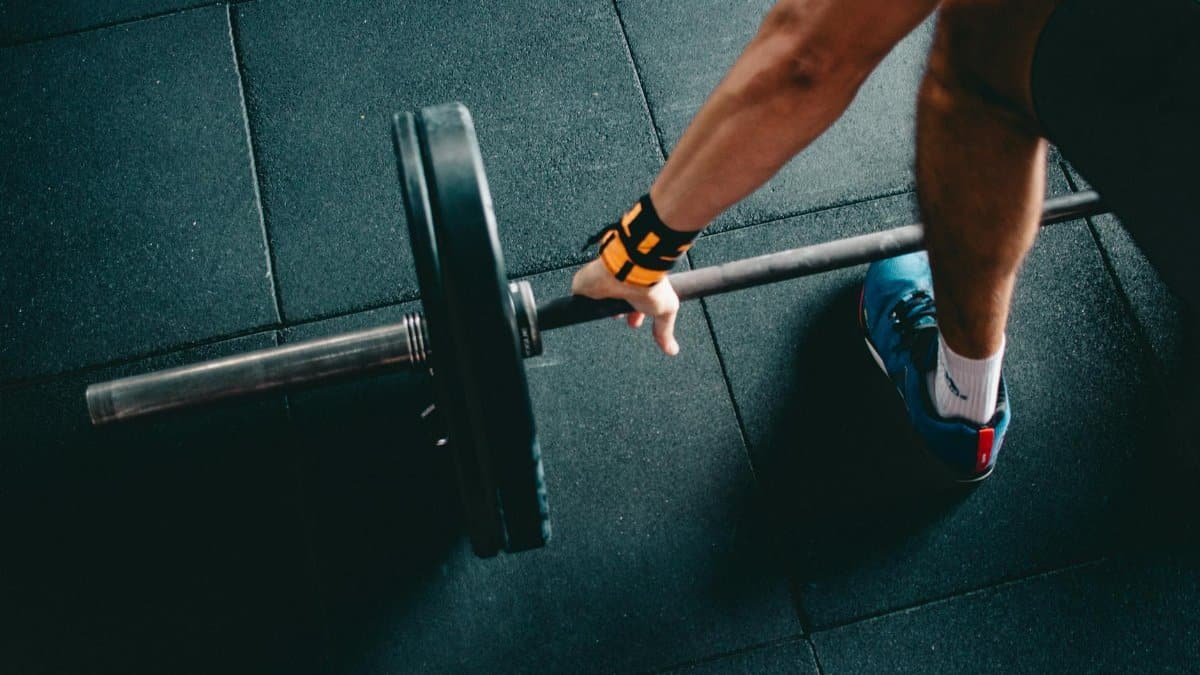
Biofeedback uses devices to monitor physiological signals, teaching self-regulation. It’s bridging tech and somatics for personalized wellness.
A tech worker in Silicon Valley used it to manage migraines, watching heart rate variability guide relaxation.
The Association for Applied Psychophysiology and Biofeedback provides evidence-based protocols.AAPB on Biofeedback highlights applications in stress reduction. Affordable apps now make it home-friendly.
This fusion of science and awareness empowers users, rounding out somatic daily practices with measurable progress. As tools evolve in 2025, expect wider adoption for proactive health.