

In a world where stress seems to lurk around every corner, a surprising statistic stands out. According to a 2023 survey by the American Psychological Association, nearly 77% of adults report experiencing physical symptoms from stress, with many turning to alternative practices for relief. This surge highlights a growing interest in methods like clarity breathwork healing, which combines intentional breathing with mindfulness to foster mental clarity and emotional balance. As more Americans seek ways to reclaim focus amid daily chaos, breathwork emerges as a accessible tool. It’s not just a trend; it’s a response to the relentless pace of modern life. Whether you’re juggling work demands or personal hurdles, recognizing certain signs can signal it’s time to explore this practice. Breathwork isn’t about quick fixes but building resilience through simple, guided techniques that anyone can try.
1. Persistent Fatigue Despite Adequate Rest

Imagine waking up after a full night’s sleep, yet feeling as drained as if you’d pulled an all-nighter. This kind of exhaustion often points to deeper issues, like unresolved stress or emotional buildup. Breathwork can address this by promoting oxygen flow and releasing tension held in the body. One middle-aged professional shared anonymously in an online discussion how chronic tiredness had become her norm until she incorporated short breathing sessions into her routine. Suddenly, energy levels stabilized. Studies support this; research from the National Institutes of Health shows that controlled breathing activates the parasympathetic nervous system, aiding recovery. For those sensing this sign, starting with basic exercises might reveal hidden vitality.
It’s worth noting how breathwork differs from mere relaxation. Techniques involve rhythmic patterns that engage the diaphragm fully, leading to measurable drops in cortisol. A report from NCBI on breathing interventions details how such practices enhance sleep quality over time. If fatigue lingers, it could be your body’s way of urging a reset through mindful inhalation and exhalation.
2. Frequent Overwhelm in Daily Tasks

Picture a typical weekday: emails pile up, deadlines loom, and suddenly everything feels insurmountable. This overwhelm is a common signal that mental clutter needs clearing. Clarity breathwork healing steps in here, offering a way to pause and recenter. Rather than pushing through, practitioners learn to use breath as an anchor, dissolving the fog of too many thoughts.
Consider the story of a teacher who described juggling lesson plans and family life until breathwork sessions helped her prioritize. She noticed decisions came easier after just a few minutes of focused breathing. Data from the Cleveland Clinic reinforces this, linking breathwork to improved cognitive function by reducing anxiety. Explore Cleveland Clinic’s overview on breathwork benefits for more on how it combats daily chaos. When tasks multiply and focus slips, this practice might be the key to regaining control.
3. Struggles with Emotional Regulation

Emotions can surge unexpectedly, turning minor irritations into major outbursts. If anger flares too quickly or sadness lingers without reason, breathwork provides a gentle intervention. It teaches observation of feelings without immediate reaction, fostering emotional healing through deliberate pauses.
One anonymized account from public forums recounted a man in his forties who used breathwork to navigate grief after a loss. What started as overwhelming waves became manageable with guided sessions. The Mayo Clinic reports that such techniques lower emotional volatility by balancing the autonomic nervous system. Check their insights at Mayo Clinic on relaxation techniques. This sign often reveals an opportunity for deeper self-awareness, turning volatility into steadiness.
Breathwork isn’t about suppressing emotions but integrating them. Sessions might include visualizing release on each exhale, a method that builds resilience over weeks.
4. Difficulty Concentrating or Making Decisions

When focus scatters like leaves in the wind, even simple choices become daunting. This mental haze signals a need for clarity, where breathwork shines by sharpening attention through oxygenated mindfulness. Practitioners often report a clearer headspace after consistent practice.
Think of a writer facing creative blocks; after adopting breathwork, ideas flowed more freely. Harvard Health Publishing notes that breathing exercises enhance brain function by increasing blood flow. Their article at Harvard Health on breath control explains the science behind it. If decisions paralyze you, this could be the nudge toward trying structured breathing for mental sharpness.
5. Recurring Physical Tension or Pain
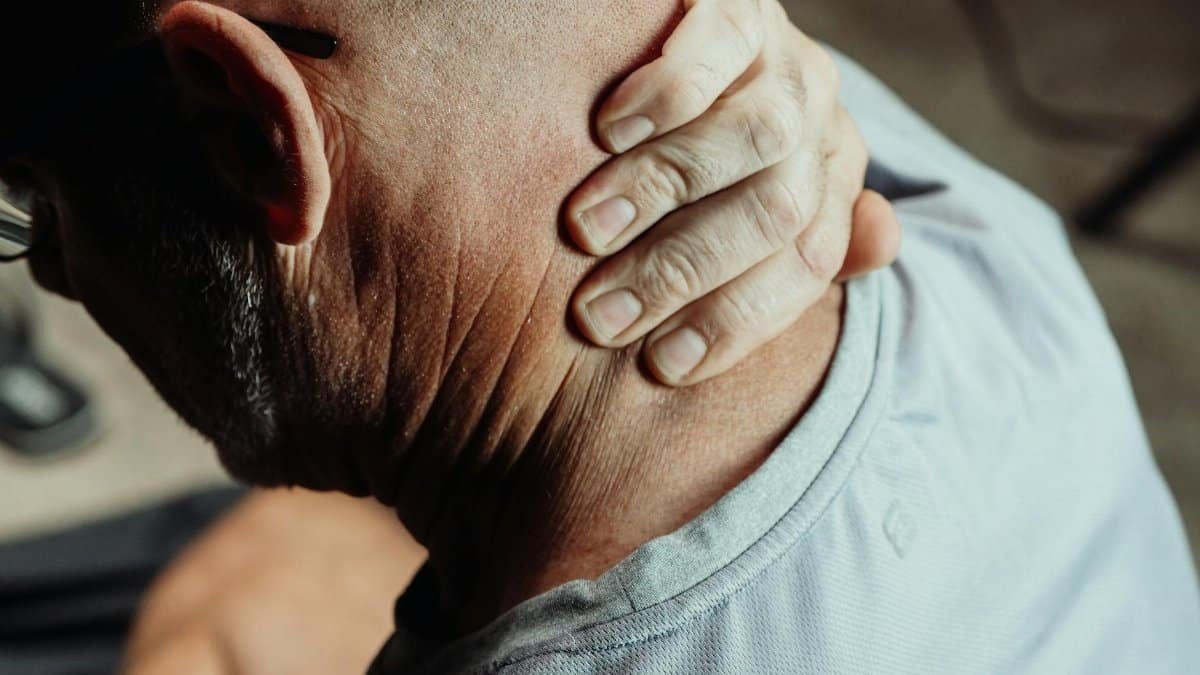
Shoulders knotted, jaw clenched; these physical manifestations of stress beg for attention. Breathwork targets such areas by encouraging deep, diaphragmatic breaths that release stored tension, promoting overall healing.
A retiree described how years of desk work left her with chronic back pain until breathwork routines eased the tightness. Evidence from the American Journal of Respiratory and Critical Care Medicine supports this, showing breath training reduces musculoskeletal discomfort. If your body holds onto stress physically, clarity breathwork healing might unlock relief without invasive methods.
6. Sleep Disturbances or Insomnia

Nights spent tossing and turning disrupt more than rest; they erode well-being. Breathwork offers a natural remedy, with techniques like 4-7-8 breathing signaling the body to unwind.
One woman’s public sharing highlighted how evening sessions transformed her insomnia into peaceful slumber. The Sleep Foundation links breathwork to better sleep cycles, detailing mechanisms in their resources. When sleep evades you, this practice could restore rhythm to your nights.
7. Feelings of Disconnection from Self or Others

That nagging sense of isolation, even in a crowd, points to inner disconnection. Breathwork rebuilds bridges by grounding individuals in the present, enhancing empathy and self-connection.
Reflect on a parent who felt distant from family until breathwork fostered presence. Psychological studies affirm this, with breath practices boosting relational bonds. If relationships feel strained, exploring this might heal the divide.
8. Heightened Anxiety in Uncertain Times

Anxiety spikes amid change, but breathwork tames it by activating calm responses. In 2025, with economic shifts, many find solace in these tools.
An executive navigated job uncertainty through daily breaths, gaining perspective. Research from the Anxiety and Depression Association of America underscores breathwork’s role in anxiety management. This sign invites a proactive step toward inner peace.
9. Desire for Greater Self-Awareness

Yearning to understand oneself better often emerges in midlife. Clarity breathwork healing facilitates this introspection, revealing patterns through mindful observation.
Someone in their fifties discovered hidden motivations via breath sessions. Integrative medicine sources confirm its introspective power. If self-discovery calls, breathwork answers.
10. Seeking Natural Ways to Boost Overall Well-Being

Finally, a general quest for holistic health signals readiness for breathwork. It integrates mind and body, supporting long-term vitality without side effects.
A group of friends adopted it collectively, reporting enhanced moods. Wellness experts at the World Health Organization note breathing’s foundational role in health. Embracing this could elevate your daily life in profound ways.