
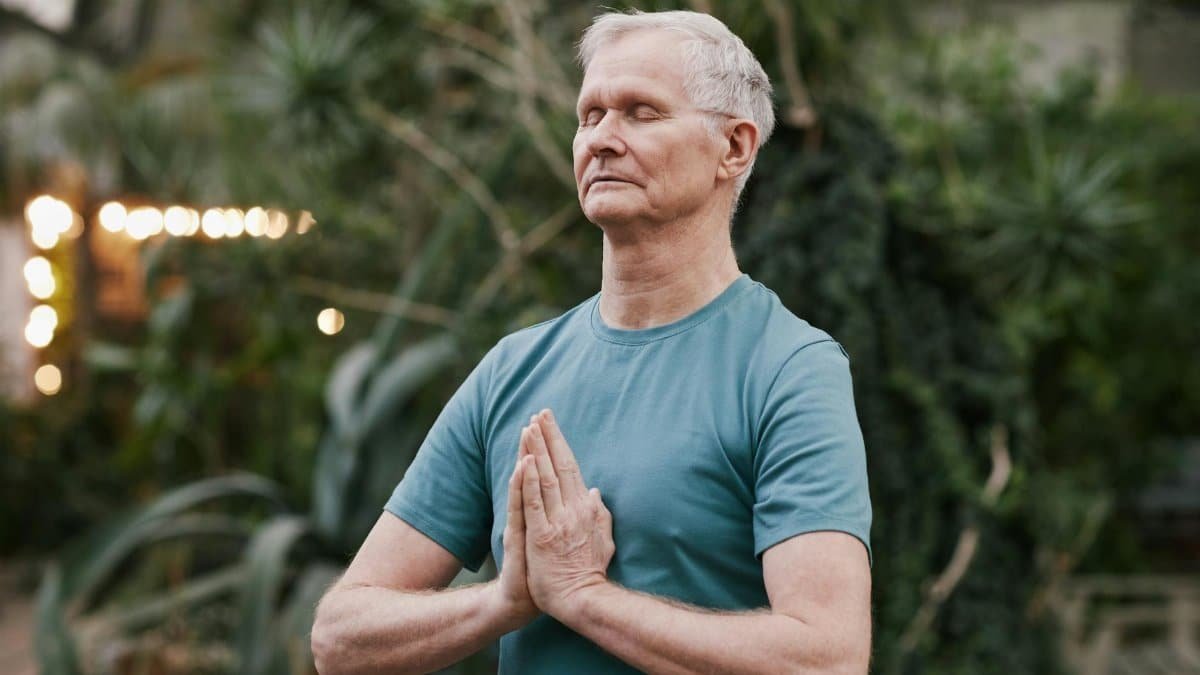
In a fast-paced world, where stress seems baked into daily life, a surprising number of Americans are turning to practices that promise relief. A recent poll by the American Psychological Association found that 62% of adults report feeling overwhelmed by anxiety at least once a week, up from 48% just five years ago. This spike highlights a growing hunger for calm mindfulness healing, a gentle approach blending awareness, presence, and restorative techniques to foster inner balance. But what if some subtle routines are quietly sabotaging these efforts? Often, it’s the quiet habits, the ones we barely notice, that erode our sense of peace. Exploring these can reveal paths to deeper healing. As we navigate 2025’s uncertainties, understanding these barriers becomes essential for anyone seeking true calm.
1. Multitasking Without Pause

People often juggle tasks, thinking it boosts efficiency. Yet this habit fragments attention, leaving little room for the stillness that calm mindfulness healing thrives on. Consider a typical morning: checking emails while brewing coffee, then scrolling news during breakfast. Such divided focus builds tension, as the brain struggles to switch gears constantly.
Research backs this up. A study from the University of California, Irvine, showed that interruptions can take up to 23 minutes to recover from fully. Workers in that experiment lost productivity and reported higher stress levels. Imagine a teacher grading papers while answering student queries online; by day’s end, exhaustion sets in, blocking any chance for mindful reflection.
Shifting away involves simple awareness. Start by dedicating full attention to one activity, like eating without distractions. This small change invites healing, allowing the mind to settle. Over time, it counters the chaos, fostering a quieter inner world.
2. Endless Scrolling on Devices

Smartphones beckon with notifications, pulling users into a loop of endless content. This quiet addiction disrupts the calm needed for mindfulness practices. Late-night browsing, for instance, often replaces restful wind-downs, leading to fragmented thoughts.
One anonymous account shared online described it vividly: feeling trapped in a cycle where every ping promised connection but delivered only distraction. Such experiences echo broader trends. The Pew Research Center notes that 31% of U.S. adults say they’re online “almost constantly,” a habit linked to increased anxiety.
To break free, set boundaries like device-free zones. Pair this with breathing exercises, core to calm mindfulness healing, to reclaim focus. Gradually, the mind learns to resist the pull, opening space for genuine peace.
3. Harboring Negative Self-Talk

That inner critic whispers doubts, often unnoticed. Phrases like “I’m not good enough” chip away at self-worth, creating barriers to inner healing. In quiet moments, these thoughts amplify, turning reflection into rumination.
Psychologists point to cognitive behavioral patterns here. A report from the National Institute of Mental Health highlights how negative self-talk correlates with depression in about 20% of cases. Picture a young professional replaying a minor work mistake all evening; it overshadows any positive achievements.
Countering this requires gentle redirection. Mindfulness techniques encourage observing thoughts without judgment, a key element of calm mindfulness healing. Replace criticism with affirmations, and watch resilience build. It’s a subtle shift, but profound in restoring balance.
4. Clinging to Past Grudges

Forgiveness feels distant when old hurts linger. Holding grudges simmers resentment, quietly poisoning present moments. This emotional baggage weighs down the lightness that healing practices aim to cultivate.
Studies underscore the toll. Research published in the Journal of Behavioral Medicine found that unforgiveness elevates cortisol levels, fueling chronic stress. Envision a family gathering where unresolved arguments cast a shadow, preventing open-hearted interactions.
Healing begins with acknowledgment. Through mindfulness, one can process these feelings, releasing their grip. Calm mindfulness healing offers tools like guided meditations to foster compassion, transforming grudges into lessons. The result? A freer, more peaceful existence.
5. Chasing Perfection in Every Task

Perfectionism demands flawlessness, turning routine activities into sources of strain. This habit stifles creativity and joy, as the fear of failure looms large. In 2025, with social media amplifying ideals, it’s a common trap.
Experts from Harvard Medical School have linked perfectionism to burnout in their wellness reports. One study there revealed that high achievers often sacrifice well-being for unattainable standards, leading to emotional exhaustion.
Embracing imperfection helps. Start with small acts of self-kindness, integrated into daily mindfulness. Calm mindfulness healing emphasizes acceptance, allowing progress without pressure. Over weeks, this eases the inner critic, inviting true serenity.
6. Ignoring the Need for Breaks

Powering through without rest seems productive, but it drains energy reserves. Skipping pauses leads to mental fog, undermining the clarity mindfulness seeks. Workers pushing past lunch, for example, often hit a wall by afternoon.
The Centers for Disease Control and Prevention reports that insufficient downtime contributes to sleep disturbances in millions. A brief anecdote: a nurse during a long shift forgoes her break, only to feel overwhelmed later, her thoughts racing uncontrollably.
Incorporate short respites. Techniques from calm mindfulness healing, like focused breathing, recharge during these moments. This habit rebuilds resilience, ensuring peace isn’t just a fleeting visitor but a steady companion.
7. Living in a Cluttered Space

Physical disorder mirrors mental chaos. Piles of unread mail or disorganized desks subtly heighten anxiety, making it hard to settle into healing practices. The environment shapes the mind more than we realize.
A Princeton University study demonstrated that clutter overloads visual cortex, impairing focus. Imagine returning home to a messy living room; instead of relaxing, irritation builds, blocking mindful presence.
Decluttering offers a path forward. Pair it with intentional organization, aligning with calm mindfulness healing’s emphasis on harmony. As spaces clear, so does the mind, paving the way for deeper inner work.
8. Neglecting Sleep Routines

Inconsistent bedtimes disrupt natural rhythms, leaving one groggy and irritable. This quiet saboteur erodes the restorative power of rest, essential for mindfulness to take root.
The National Sleep Foundation’s surveys show that 50 million Americans suffer from sleep disorders, often tied to poor habits. Think of a parent staying up late binge-watching, only to wake exhausted, their patience frayed.
Establish rituals like dimming lights early. Integrate healing practices, such as evening meditations, to signal wind-down. Calm mindfulness healing supports this, promoting routines that nurture body and spirit alike.
9. Fueling With Unhealthy Foods

Grabbing quick, processed snacks might satisfy hunger, but they spike and crash energy levels. This instability fuels mood swings, complicating efforts toward inner calm.
Nutrition research from the Mayo Clinic links poor diet to heightened inflammation, which affects mental health. A desk worker munching chips through deadlines might notice irritability creeping in, derailing focus.
Opt for nourishing choices. Mindful eating, a facet of calm mindfulness healing, encourages savoring meals attentively. This not only stabilizes energy but enhances overall well-being, clearing hurdles to peace.
10. Suppressing Emotions Instead of Feeling Them

Bottling up feelings creates internal pressure. Avoiding discomfort might seem easier, but it festers, manifesting as unease that blocks true healing.
Psychological insights from the American Psychological Association reveal that emotional suppression increases stress hormones. Recall a conversation where someone brushes off hurt with “I’m fine,” only for resentment to build silently.
Embrace expression through journaling or talks. Calm mindfulness healing guides one to sit with emotions mindfully, processing them without overwhelm. This practice liberates, fostering a profound sense of inner peace.
As these habits reveal, the path to calm mindfulness healing often starts by addressing what’s quietly undermining it. In 2025, with wellness trends evolving, recognizing these barriers empowers change. Small adjustments accumulate, leading to lasting balance. For those ready to dive deeper, resources abound. Explore studies from American Psychological Association on stress management, or insights from National Institute of Mental Health on anxiety. Further reading at CDC’s sleep resources and Mayo Clinic on nutrition can guide practical steps. Ultimately, awareness transforms these quiet blocks into opportunities for growth.