

In a world where uncertainty seems to be the only constant, a surprising statistic stands out: According to a 2023 survey by the National Center for Complementary and Integrative Health, nearly 40% of American adults now incorporate mind-body practices into their daily routines, up from just 20% a decade ago. This shift reflects a growing recognition that traditional approaches to stress and upheaval often fall short. Mind-body healing, which bridges the gap between mental states and physical well-being, offers tools to steady ourselves amid chaos. From economic jitters to personal upheavals, these practices aren’t just coping mechanisms; they’re anchors that foster resilience. As we navigate 2025’s unpredictable landscape, exploring these methods reveals how they can ground us, blending ancient wisdom with modern science to support emotional and spiritual healing.
1. Breathwork for Immediate Calm
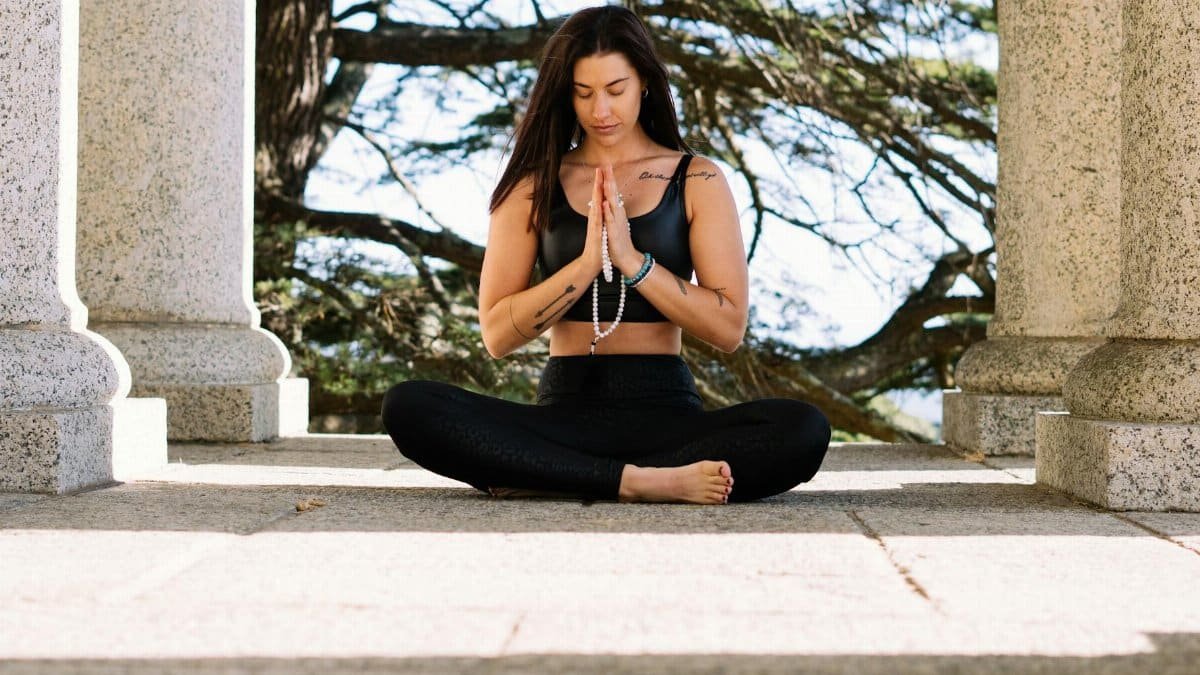
Start with something as fundamental as breathing. Deep, intentional breathwork activates the parasympathetic nervous system, signaling the body to relax even when the mind races with worries. Imagine a busy parent, juggling remote work and family demands, pausing for a four-count inhale and a slow exhale. This simple act can shift the body’s stress response in moments.
Research backs this up. A study published in the Journal of Clinical Psychology found that controlled breathing reduces anxiety levels significantly. Participants reported feeling more anchored after just a few sessions. It’s not about escaping uncertainty but meeting it with a steady rhythm. Try it during a commute or before bed; the effects build over time, creating a buffer against daily turbulence.
One anonymous account shared publicly described how breathwork transformed sleepless nights into opportunities for reset: “It was like flipping a switch from panic to presence.” Such stories highlight its accessibility—no equipment needed, just your lungs and a bit of focus.
2. Mindfulness Meditation to Observe Thoughts

Diving into mindfulness meditation invites a gentle observation of thoughts without judgment. This practice, rooted in mind-body healing, helps detach from the whirlwind of “what ifs” that uncertainty breeds. Picture a retiree facing health scares, sitting quietly for ten minutes, noting fears as they arise and letting them pass like clouds.
Evidence from the National Institutes of Health shows meditation alters brain patterns, enhancing emotional regulation. It’s not about emptying the mind but acknowledging its chatter. Over weeks, practitioners often find a deeper sense of stability, as if rooting themselves in the present moment.
Vary your approach: Some days, focus on body sensations; others, on sounds around you. This flexibility makes it adaptable to life’s ups and downs, turning potential overwhelm into manageable awareness.
3. Yoga Poses for Physical Grounding
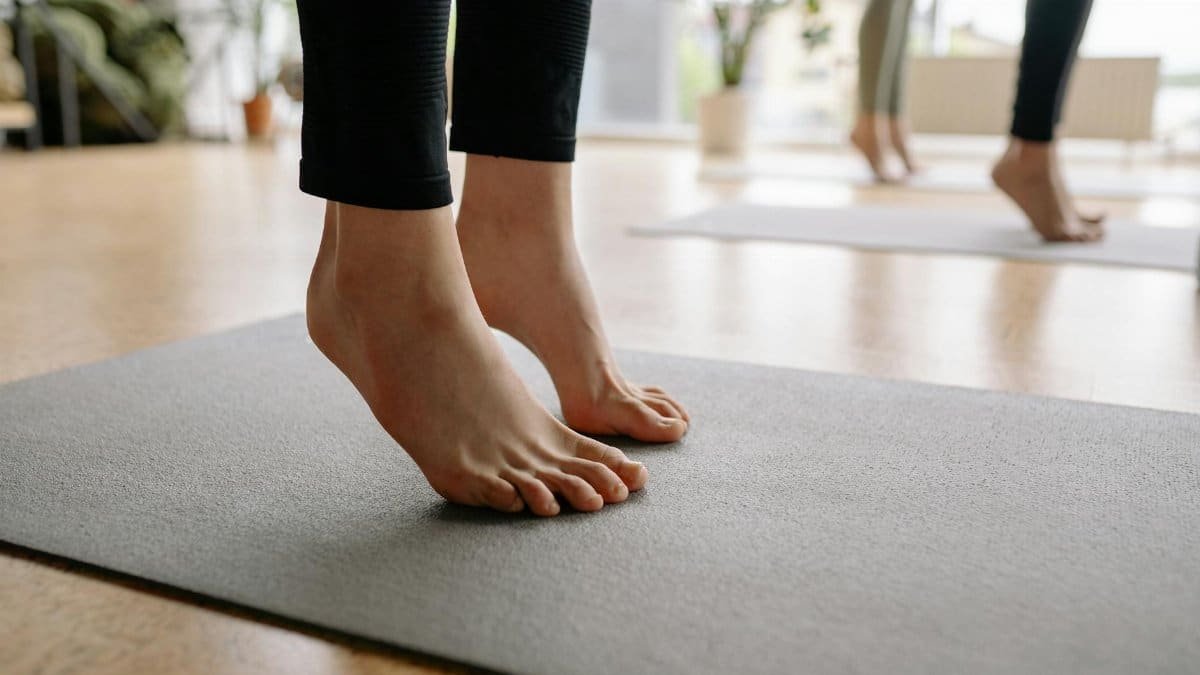
Yoga isn’t just exercise; it’s a dialogue between body and mind. Poses like child’s pose or mountain pose foster a sense of stability, countering the unmoored feeling of uncertain times. Consider a young professional amid career flux, unrolling a mat to flow through sequences that release tension stored in muscles.
A comprehensive review by the Mayo Clinic links yoga to lower cortisol levels and improved mood. The physicality anchors the abstract worries, making abstract fears feel more tangible and conquerable.
Integrate it weekly, perhaps starting with online classes. The key is consistency, building a bodily resilience that mirrors mental fortitude. As one person reflected in a shared story, it felt like “reclaiming control from the chaos.”
4. Journaling to Process Emotions

What if putting pen to paper could untangle the knots of uncertainty? Journaling, a cornerstone of mind-body healing, allows emotions to surface and be examined, reducing their grip. Envision someone navigating a relationship breakdown, scribbling thoughts late at night, transforming confusion into clarity.
Studies from the American Psychological Association indicate that expressive writing boosts immune function and emotional well-being. It’s a private ritual, free from judgment, that fosters self-compassion.
Experiment with prompts like “What scares me today?” or “What can I control?” This practice evolves, sometimes revealing patterns that lead to proactive steps, anchoring you through reflection rather than reaction.
5. Nature Walks for Sensory Connection

Stepping outside for a walk in nature reconnects us with something larger than our immediate worries. The rustle of leaves, the feel of earth underfoot—these sensory inputs ground the mind, a natural extension of mind-body healing. Think of a city dweller escaping urban noise for a park trail, where bird calls drown out inner doubts.
Research highlighted by the U.S. Forest Service demonstrates how time in green spaces lowers blood pressure and enhances mental clarity. It’s accessible, requiring only comfortable shoes and an open mind.
Make it mindful: Notice textures, smells, colors. Over time, these outings build a reservoir of calm, reminding us that uncertainty, like weather, passes.
6. Gratitude Rituals to Shift Perspective
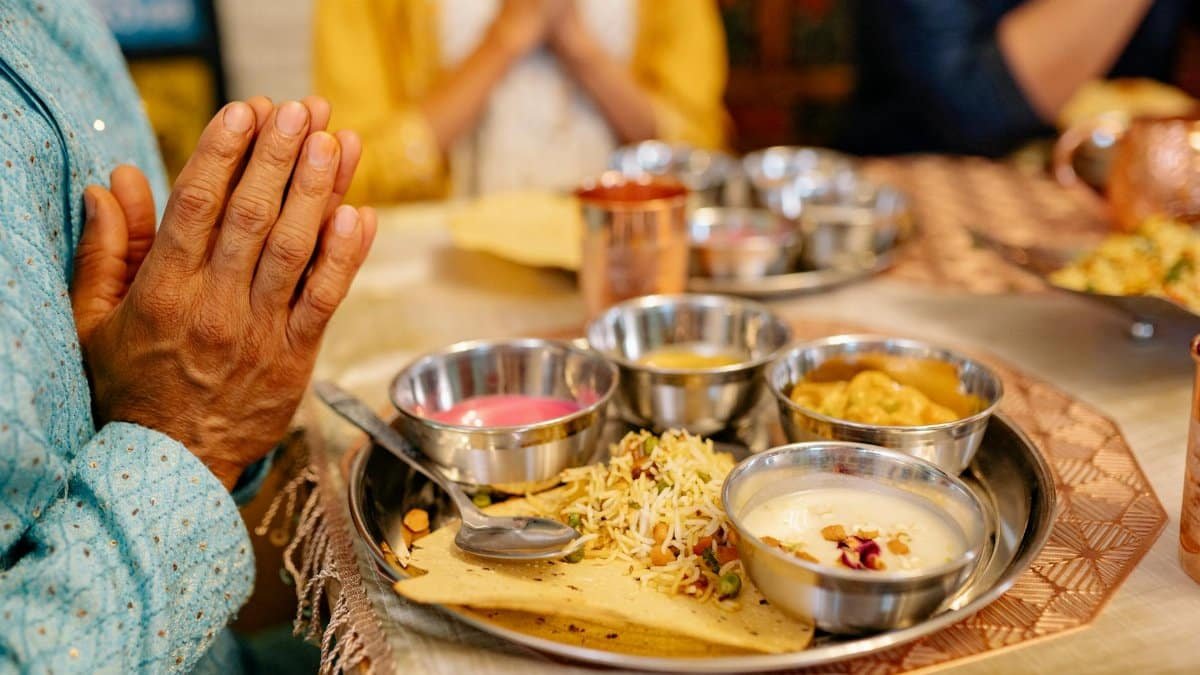
Amid uncertainty, gratitude rituals redirect focus from lack to abundance. Listing three things you’re thankful for daily rewires neural pathways, promoting positivity. Imagine a freelancer facing income instability, ending each day noting small wins like a supportive call or a good meal.
A landmark study from Harvard Medical School, detailed in their health publications, shows gratitude practices increase happiness and resilience. It’s subtle yet powerful, anchoring through appreciation.
Adapt it: Some keep a jar of notes, pulling one out during tough moments. This builds emotional buoyancy, turning potential despair into grounded optimism.
7. Body Scans for Tension Release
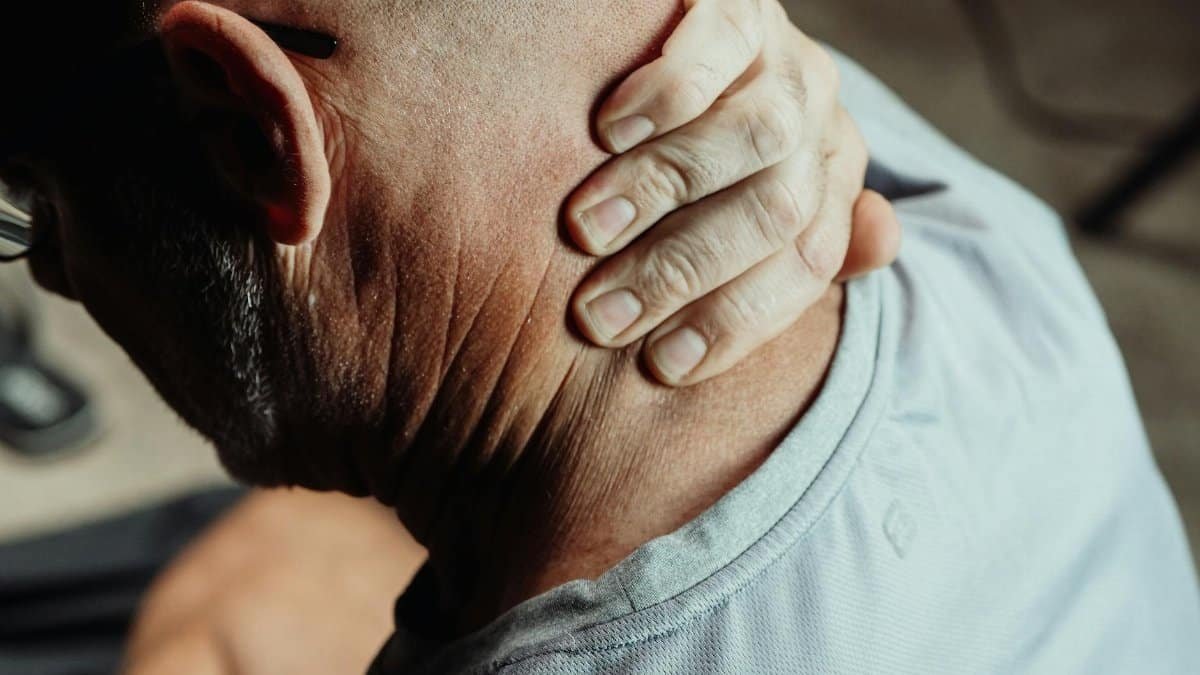
A body scan meditation involves mentally sweeping through your body, noting and releasing tension. This practice highlights how uncertainty manifests physically—tight shoulders, clenched jaw—and invites relief. Picture an entrepreneur during market volatility, lying down to scan from toes to head, exhaling stress with each breath.
Findings from the National Center for Biotechnology Information affirm its role in pain reduction and stress management. It’s a quiet revolution, reclaiming the body as an ally.
Practice in short bursts; even five minutes can reset your state, fostering a deeper mind-body harmony that withstands external storms.
8. Affirmations Tied to Movement

Pairing positive affirmations with gentle movement amplifies their impact. Walking while repeating “I am resilient” synchronizes mind and body, embedding the message deeper. Consider a student amid academic pressures, pacing a room with empowering words, feeling strength build with each step.
Psychological research supports this, with studies showing embodied affirmations enhance self-efficacy. It’s dynamic, turning static thoughts into lived experiences.
Customize phrases to your uncertainties; repeat during routines like showering. This integration makes anchoring feel active and empowering.
9. Sound Therapy for Vibrational Balance

Sound therapy, using chimes or ambient music, vibrates through the body to restore balance. In uncertain times, it soothes the nervous system, much like a lullaby calms a child. Envision a remote worker tuning into binaural beats during breaks, letting frequencies wash away mental fog.
A review in the Journal of Evidence-Based Integrative Medicine notes its benefits for anxiety reduction. Simple tools like apps make it easy to incorporate.
Explore different sounds; what resonates one day might shift another. This auditory anchor provides a sensory refuge, enhancing overall stability.
10. Community Circles for Shared Support
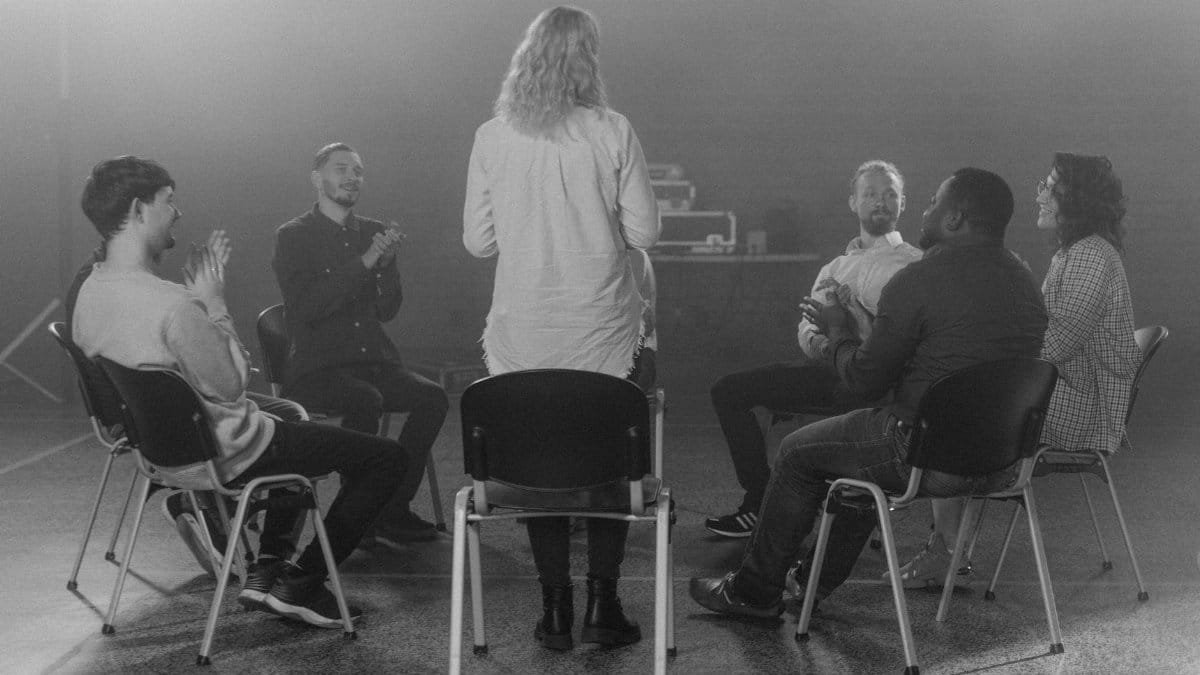
Finally, joining or forming community circles—small groups sharing experiences—leverages collective energy for mind-body healing. Uncertainty feels less isolating when voiced among peers. Think of neighbors gathering virtually or in person, discussing fears and insights, emerging stronger together.
Data from Pew Research Center’s studies on social connections underscore how such interactions bolster mental health. It’s about mutual anchoring, where vulnerability breeds strength.
Start small: Invite friends for a monthly check-in. These circles remind us we’re not alone, weaving individual resilience into a communal tapestry that holds firm through any uncertainty.