

A recent study from the American Psychological Association revealed that pet ownership correlates with a 30% reduction in stress levels among adults, a figure that’s climbed steadily over the past decade. This isn’t just coincidence; it’s rooted in the subtle ways animals tap into our psyches. As we navigate the demands of 2025, with its endless notifications and hybrid work stresses, more Americans are turning to their furry companions for solace. But what if the real magic lies in the pets’ own instincts? These natural behaviors— from a cat’s rhythmic purring to a dog’s intuitive empathy— offer unspoken support for our mental well-being. Exploring these instincts, support, mental ease becomes not just a feel-good notion, but a practical toolkit for emotional stability. In the sections ahead, we’ll break down ten such instincts, drawing on research and real-life glimpses to show how they foster calm in everyday life.
1. The Calming Rhythm of Purring
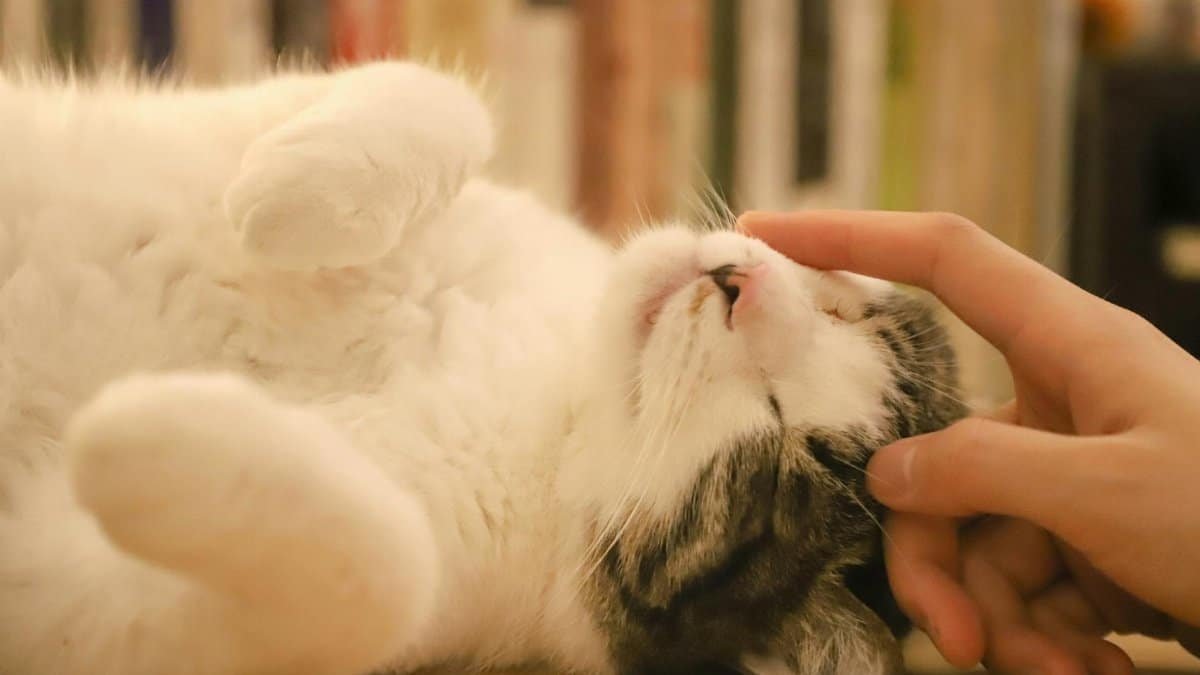
Cats have this effortless way of vibrating contentment right into our laps. That low-frequency purr, often clocking in at 25 to 150 Hertz, isn’t just a sign of feline happiness; it doubles as a natural stress reliever for humans. Researchers have found that these vibrations can promote bone density and even lower blood pressure, mimicking the effects of therapeutic sound waves. Imagine settling into an armchair after a grueling day, your cat curling up and starting that familiar rumble. It’s like a built-in meditation session, pulling you out of mental clutter. One anonymized account from an online discussion captured it perfectly: someone described how their rescue cat’s nightly purring routine helped ease insomnia during a tough career transition, turning restless nights into restorative ones. Studies back this up, with evidence from places like the American Psychological Association’s resources on human-animal interactions highlighting how such instincts foster emotional bonds.
Yet it’s not all straightforward. Some cats purr when anxious too, a nuance that reminds us to read the full context. This duality adds depth, encouraging owners to tune in more deeply, which in itself builds mindfulness. Short bursts of interaction, repeated daily, accumulate into a quieter mind over time.
2. Unwavering Canine Loyalty

Dogs don’t need words to pledge their allegiance; their steady presence says it all. This instinct for pack bonding translates into profound mental support for owners, combating feelings of isolation that plague many in our increasingly digital world. A quick walk turns into a shared adventure, pulling you out of rumination. Consider a middle-aged widower in suburban Chicago, who found his golden retriever’s constant companionship a lifeline during lonely evenings. The dog’s eager greetings at the door reframed solitude into something warmer, more connected.
Science underscores this with data showing reduced cortisol levels in pet owners. From the CDC’s overview on health benefits of pets, we learn how this loyalty instinct encourages routine and purpose, key elements for mental ease. It’s a gentle nudge toward structure without the pressure of human expectations.
Of course, loyalty demands reciprocity. Neglecting it can lead to behavioral issues, but when balanced, it creates a feedback loop of mutual calm.
3. Avian Melodies for Mindful Moments

Birds sing not just to communicate, but as an instinctual expression that can soothe human listeners. The trill of a canary or the chatter of a parakeet fills a room with organic soundscapes, often drowning out the mental noise of daily worries. In homes across the U.S., these feathered friends provide auditory anchors, much like white noise machines but with a living pulse.
One might recall a scene in a bustling New York apartment where a finch’s morning song cuts through the owner’s pre-work anxiety, offering a brief reset. Research from institutions like the National Institutes of Health points to how exposure to natural sounds, including bird calls, can decrease anxiety by up to 28%. It’s an instinct that invites pause, turning passive listening into active relaxation.
Variety matters here. Different species offer unique tunes, allowing personalization that keeps the benefit fresh and engaging over time.
4. The Hypnotic Swim of Aquarium Fish

Fish glide through water with a grace that’s almost meditative, their instinctual movements creating a visual balm for frazzled nerves. Watching them dart and drift in a tank can lower heart rates, a phenomenon backed by studies on environmental psychology. It’s no wonder office waiting rooms often feature aquariums; they subtly promote calm without a word.
Picture a stressed parent in Texas, zoning out to the slow ballet of neon tetras after the kids’ bedtime chaos. This simple observation shifts focus from internal turmoil to external serenity. Insights from Pew Research on stress management —though not directly about pets—align with how such passive activities aid mental recovery in our overstimulated era.
Maintenance plays a role too. Tending the tank instills a sense of accomplishment, layering another level of support atop the visual instinct.
5. Equine Empathy in Action

Horses possess an uncanny ability to mirror human emotions, an instinct honed from herd dynamics that now benefits therapeutic riding programs. Their responses— a nuzzle or a steady gaze— can validate feelings, easing mental burdens for riders dealing with trauma or depression.
In rural programs, participants often describe breakthroughs during sessions, like a veteran finding words for unspoken pain through a horse’s patient stance. This isn’t mere projection; equine therapy research shows measurable improvements in emotional regulation.
Challenges arise with access, as not everyone has a stable nearby, but even occasional interactions highlight the power of this empathetic instinct.
6. Rabbit Grooming as Self-Care Model

Rabbits meticulously groom themselves and their companions, an instinct that subtly encourages owners to adopt similar habits of care. Observing this can inspire routines that promote mental hygiene, like setting aside time for personal reflection.
A brief story: a writer in Seattle noted how her bunny’s daily rituals prompted her own evening wind-down, reducing burnout. It’s a quiet lesson in boundaries and nurture.
While less studied, parallels in animal behavior research suggest these patterns foster empathy and calm in human observers.
7. Playful Pounces from Feline Friends
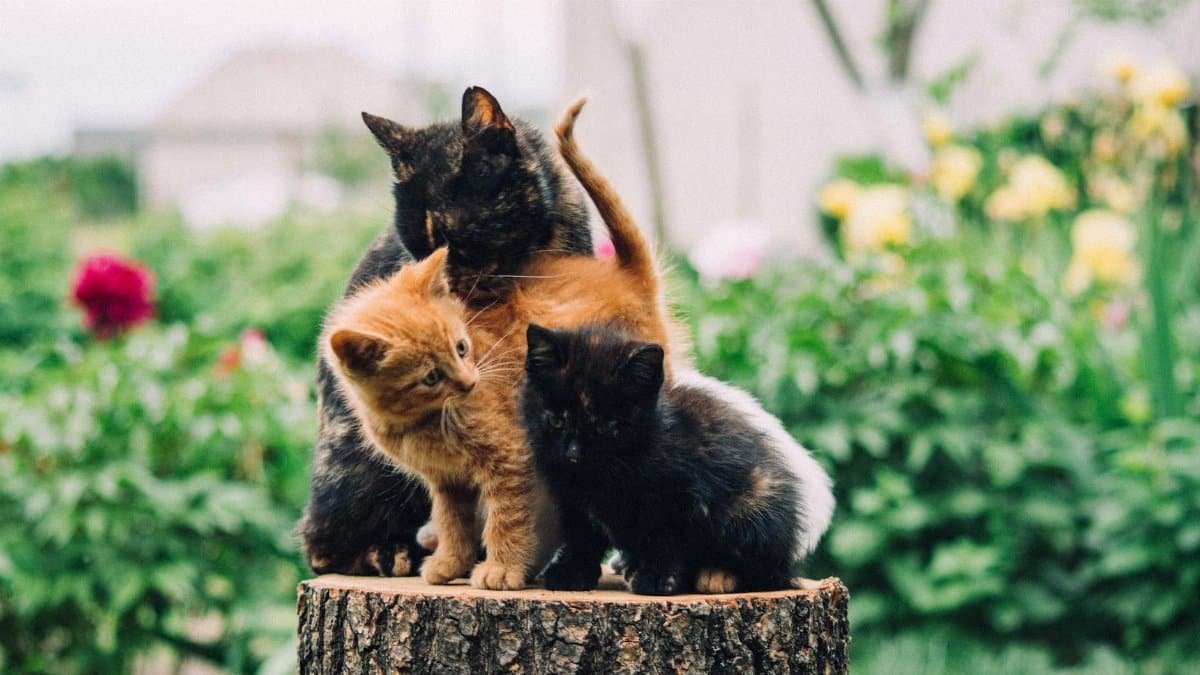
Cats chase laser pointers or pounce on toys with infectious enthusiasm, an instinct that invites humans into lighthearted play. This breaks cycles of seriousness, injecting joy that supports mental resilience.
Amid a home office slump, one might join in, laughing as the cat bats at shadows, momentarily forgetting deadlines. Such moments build emotional buoyancy.
8. Canine Sensing of Human Moods

Dogs often detect shifts in our energy before we do, an instinct that provides early emotional support. A comforting lean or alert bark can signal the need for a break, preventing mental overload.
Online, anonymous shares reveal how this intuition has averted crises, like a dog nudging an owner out of despair. It’s a partnership that enhances awareness.
9. The Grounding Nuzzle of Small Pets
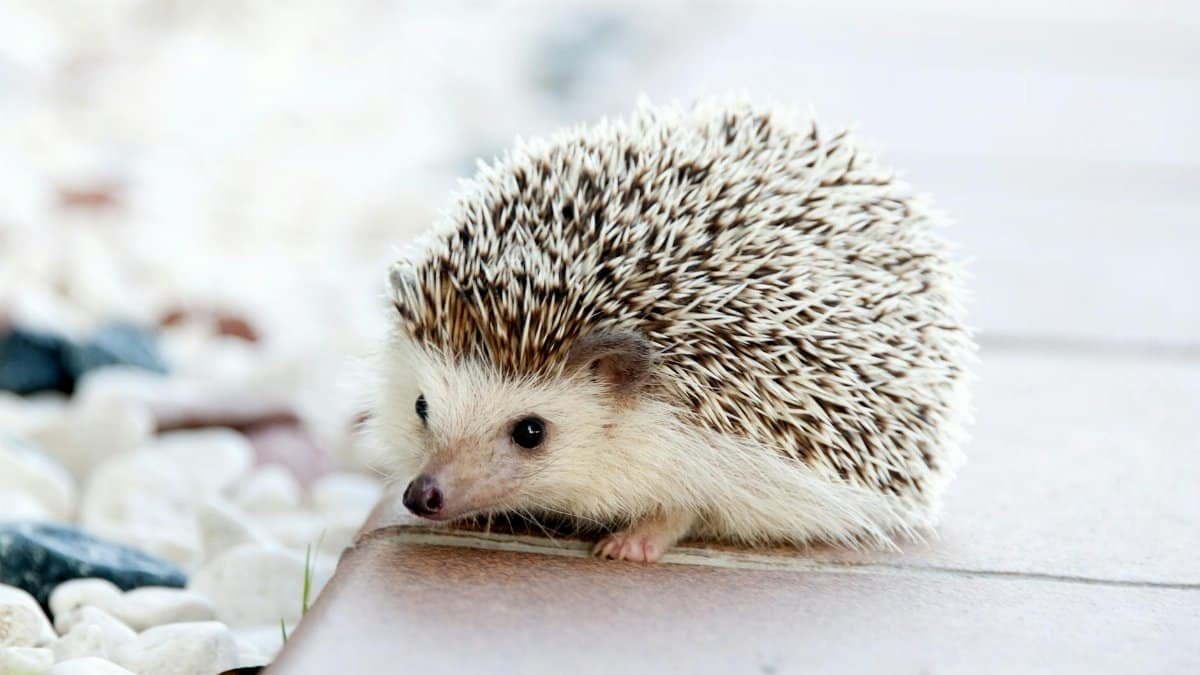
Guinea pigs and hamsters offer tactile comfort through their instinct to nuzzle and burrow, grounding owners in the present. This sensory input can interrupt anxiety spirals effectively.
In compact urban living, these small interactions accumulate, fostering a sense of security without overwhelming space demands.
10. Instinctive Bonding Across Species
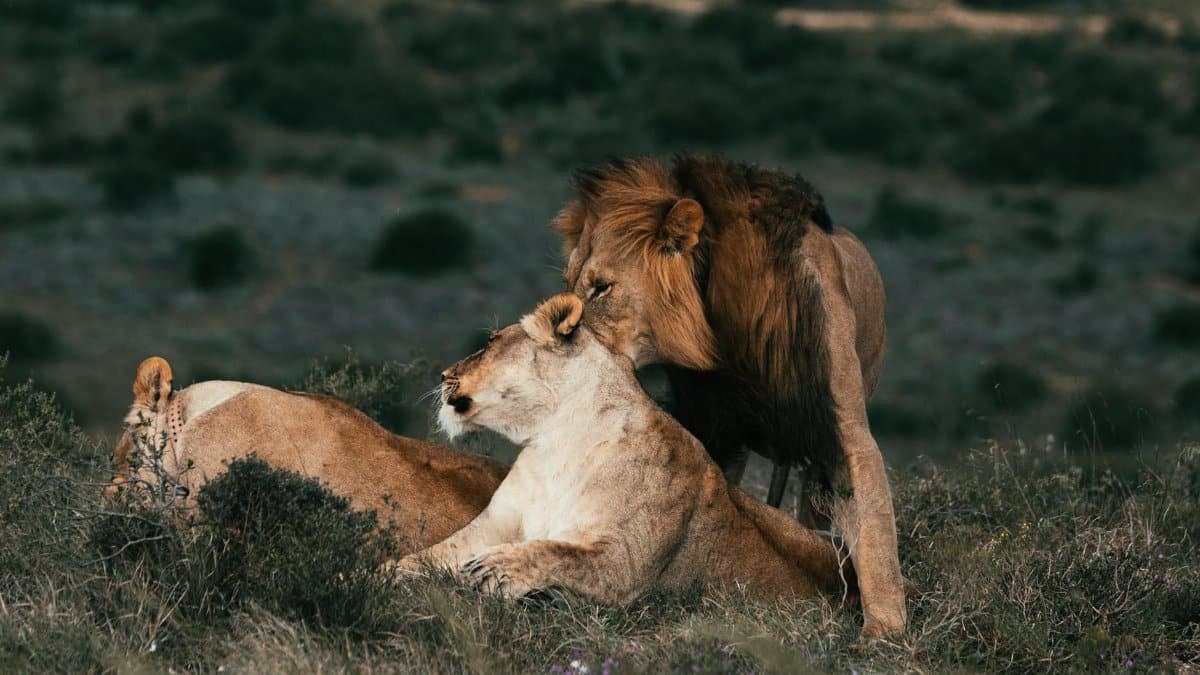
At its core, pets’ drive to connect transcends specifics, releasing oxytocin that bolsters mental ease. This universal instinct weaves through all interactions, from walks to quiet evenings, creating lasting emotional scaffolds.
Reflecting on trends in 2025, as remote work persists, these bonds grow vital. They remind us that support often comes in furred, feathered forms, quietly reshaping our inner worlds.