

Did you know that 70% of pet owners report reduced stress levels thanks to their furry friends’ subtle cues? A recent survey by the American Pet Products Association reveals this growing trend in 2025, as more Americans turn to pets for emotional support amid rising mental health concerns. These behaviors, strengthen, emotional bonds by creating a sense of safety and calm. From a cat’s gentle purring to a dog’s loyal gaze, these actions aren’t just cute—they’re scientifically backed ways to ease anxiety and foster well-being. As veterinary experts note, understanding these signals can transform your relationship with your pet.
1. Purring for Peace
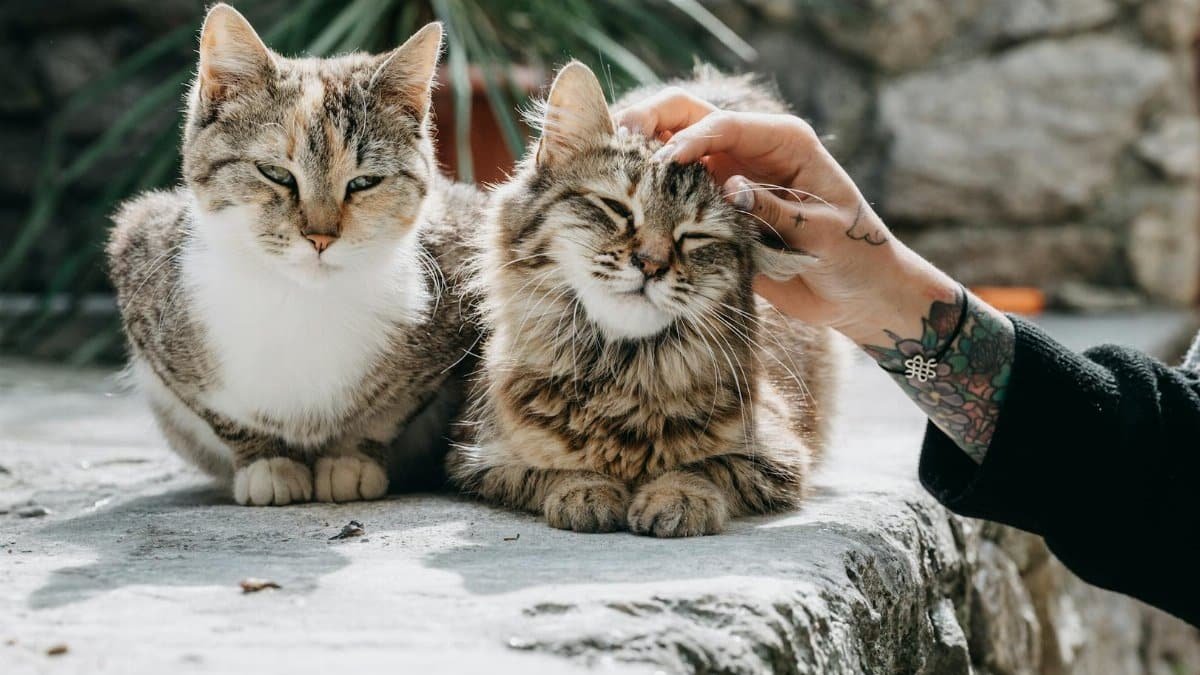
Cats purr not just when happy, but to self-soothe and comfort their owners. This low-frequency vibration has been shown to lower blood pressure and promote relaxation. In a study from the University of Sussex, participants exposed to purring sounds experienced decreased stress hormones. For pet owners feeling on edge, a cat’s purr acts as a natural tranquilizer, reinforcing emotional safety without words. It’s a subtle behavior that signals everything’s okay, helping humans unwind after a tough day.
2. Tail Wagging Welcome

A dog’s enthusiastic tail wag isn’t random—it’s a clear sign of joy and security. Research from the American Kennel Club indicates that this motion releases endorphins in both pet and owner, strengthening emotional ties. In 2025, with remote work still prevalent, many report their dog’s greeting as the highlight of their day, providing a buffer against isolation. This behavior reassures owners they’re loved, creating a safe emotional space at home.
3. Gentle Nuzzling
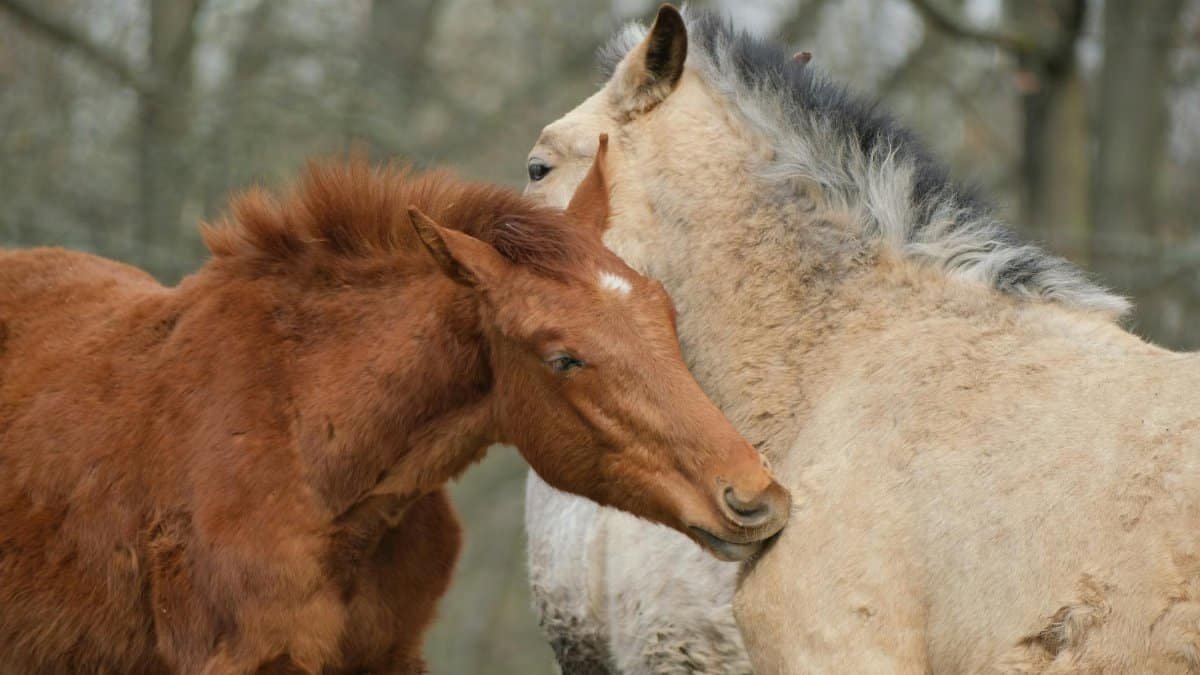
Pets like rabbits or guinea pigs nuzzle to show affection and trust. This contact boosts oxytocin levels, the “love hormone,” according to findings from the National Institutes of Health. Such interactions help combat feelings of vulnerability, making owners feel more secure. In therapeutic settings, nuzzling is used to aid those with anxiety disorders, proving how these small gestures build emotional resilience over time.
4. Slow Blinking Trust

Cats communicate safety through slow blinks, mimicking a relaxed state. A 2020 study in Scientific Reports found that returning the blink strengthens the human-cat bond, reducing perceived threats. This behavior, strengthen, emotional safety by signaling non-aggression, is especially helpful for people in high-stress jobs, offering a moment of calm in chaotic lives.
5. Cuddling for Comfort

Dogs and cats instinctively cuddle to provide warmth and security. The American Veterinary Medical Association reports that physical closeness with pets can decrease cortisol levels by up to 20%. In 2025, as mental health awareness grows, more therapists recommend pet cuddling as a simple way to foster emotional safety, turning routine snuggles into powerful mood boosters.
6. Playful Pouncing
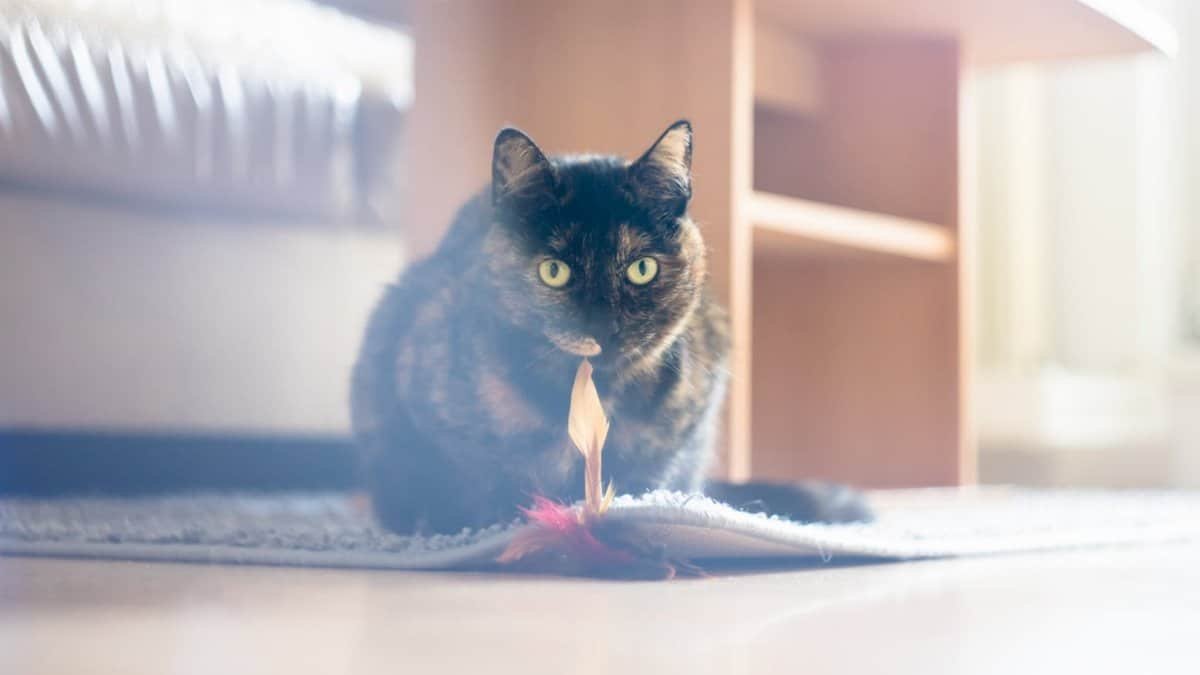
When pets engage in playful pouncing, it’s a sign of energy and safety in their environment. This behavior encourages owners to join in, releasing dopamine and enhancing mood. Data from the Humane Society shows that interactive play reduces symptoms of depression in 60% of participants. It’s a fun way pets signal a secure space, inviting humans to let go of worries and embrace joy.
7. Loyal Following

Dogs often follow their owners room to room, a behavior rooted in pack loyalty that provides constant reassurance. A Pew Research Center survey on pet ownership highlights how this shadowing eases loneliness, with 55% of respondents feeling safer emotionally. In an era of social distancing echoes, this simple act strengthens bonds and emotional stability.
8. Soft Whining for Attention
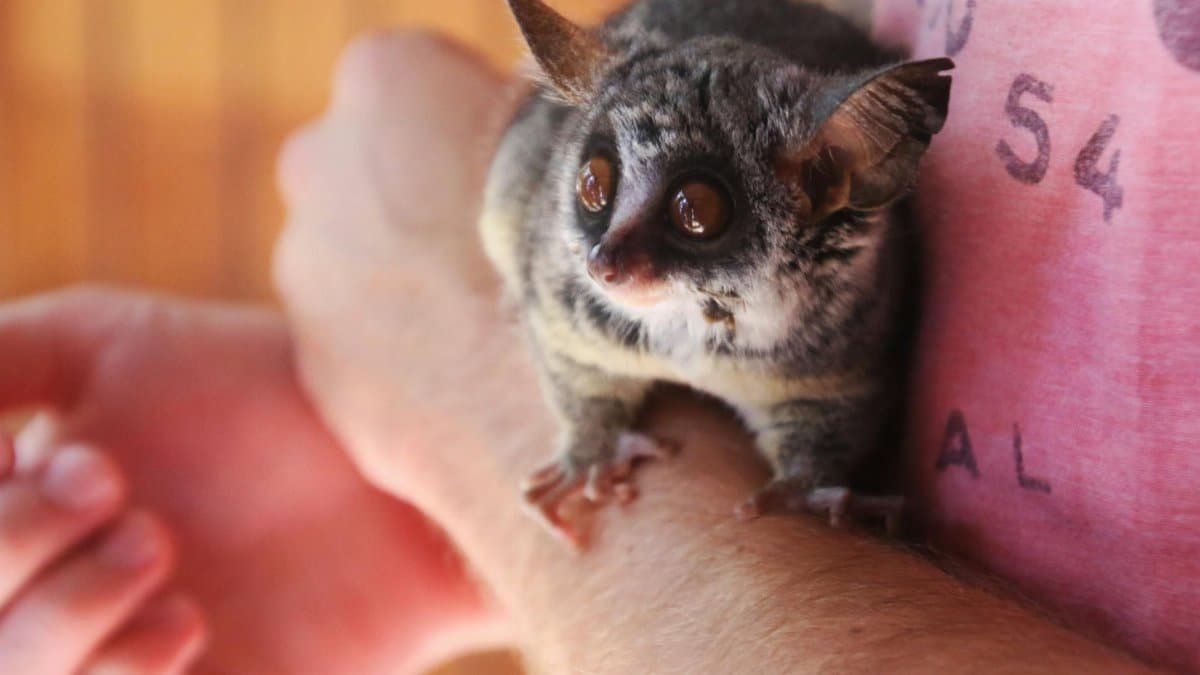
A pet’s soft whine can be a call for connection, not distress. Experts from Cornell University’s College of Veterinary Medicine explain it as a way to seek comfort, which in turn comforts the owner. This mutual exchange builds trust, with studies showing improved emotional regulation. For those navigating personal challenges, it’s a reminder they’re not alone.
9. Grooming Gestures

Cats groom themselves and sometimes their owners to show care and belonging. This ritual, as detailed in a report from the ASPCA, mimics familial bonds, enhancing feelings of safety. In 2025, with self-care trends booming, pet grooming behaviors are seen as natural extensions of emotional healing practices.
10. Relaxed Posturing

A pet sprawling out belly-up signals ultimate trust and relaxation. Veterinary behaviorists note this posture invites vulnerability, mirroring and encouraging the same in owners. Research from the CDC on animal-assisted therapy underscores how such displays reduce anxiety disorders. Ultimately, these behaviors, strengthen, emotional safety by creating a shared sense of peace, proving pets are more than companions—they’re emotional anchors in turbulent times.