
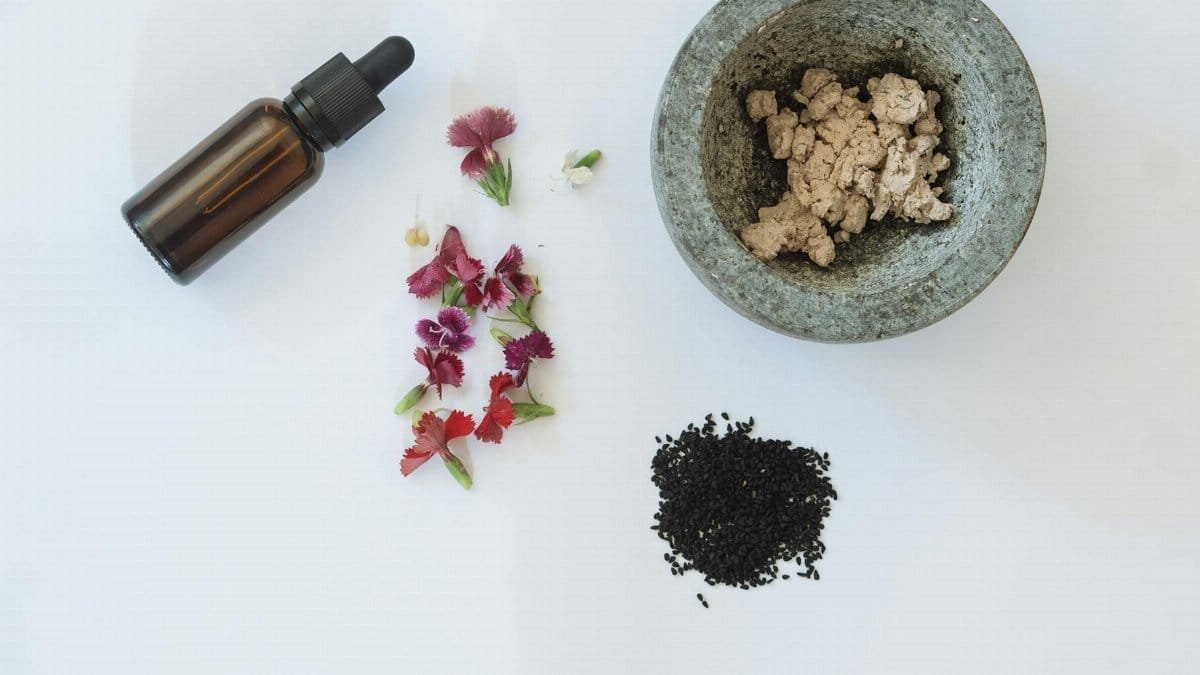
With stress levels skyrocketing across the U.S., new data shows 45% of North Carolinians are turning to natural remedies for calm, up from 30% last year, according to a recent survey by the North Carolina Department of Health. This surge highlights how natural ingredients improve relaxation amid busy lives. From the mountains to the coast, locals are ditching synthetic aids for plant-based options that promise real relief without side effects. As we head into 2025, experts predict this trend will grow, blending traditional wisdom with modern wellness needs.
1. Lavender

Lavender tops the list for its soothing aroma that eases anxiety. Grown abundantly in North Carolina’s farms, this purple herb has been a staple in local apothecaries. Studies confirm inhaling lavender oil reduces stress hormones. In Raleigh, wellness shops report a 20% sales spike in lavender products this year. Users swear by it for better sleep, making it a go-to for overworked professionals.
2. Chamomile
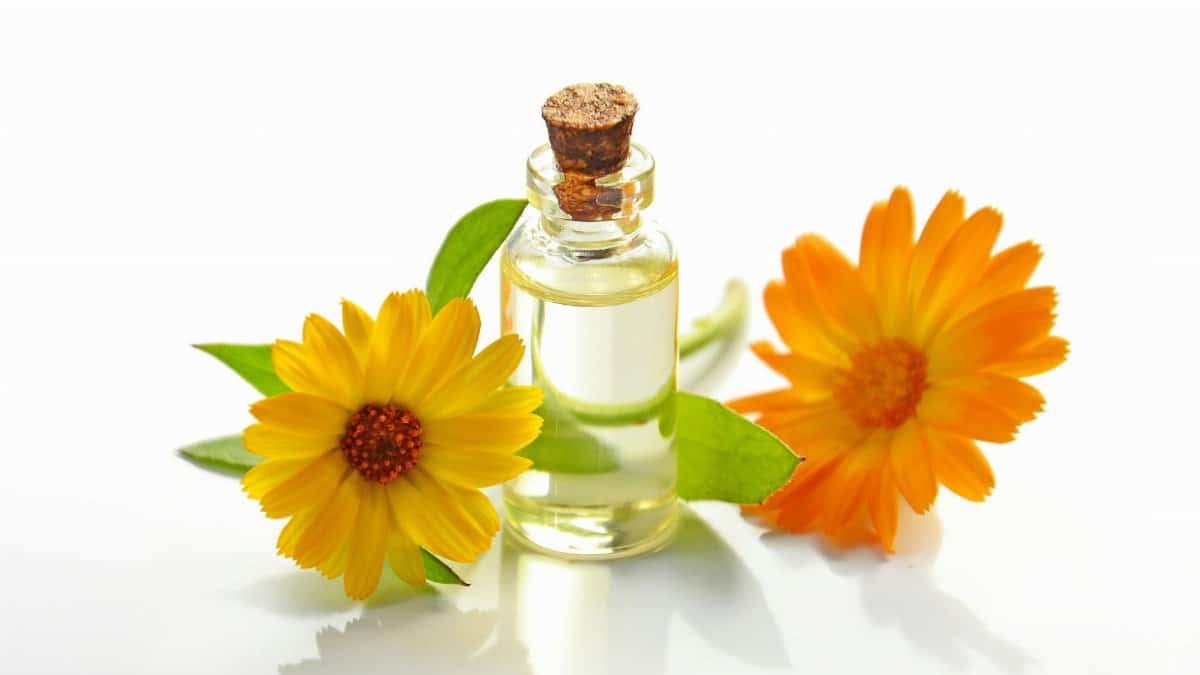
Chamomile, often brewed as tea, calms nerves and promotes rest. North Carolina’s herbal gardens yield high-quality varieties, favored by residents in Charlotte. Research from the National Institutes of Health shows its compounds mimic mild sedatives. With 2025 wellness trends leaning toward caffeine-free options, chamomile is gaining traction for evening routines.
3. Valerian Root

Valerian root acts as a natural tranquilizer, improving sleep quality. Harvested in the Appalachian regions of North Carolina, it’s prized for its earthy potency. Clinical trials indicate it shortens time to fall asleep. Locals in Asheville integrate it into tinctures, reporting fewer restless nights amid the state’s fast-paced growth.
4. Passionflower

Passionflower vines thrive in North Carolina’s humid climate, offering extracts that quiet the mind. It’s backed by evidence for reducing generalized anxiety. A study linked from the Mayo Clinic notes its GABA-boosting effects. In 2025, expect more spas in Wilmington to feature passionflower-infused treatments.
5. Lemon Balm

Lemon balm, with its citrus scent, lifts mood while easing tension. Plentiful in North Carolina backyards, it’s easy to grow and use. Data suggests it combats mild depression symptoms. Greensboro herbalists highlight its role in daily teas, aligning with rising demands for accessible natural aids.
6. Ashwagandha

Ashwagandha adapts to stress, balancing cortisol levels. Though not native, it’s cultivated in North Carolina’s greenhouses for local demand. Research supports its anti-anxiety benefits, with users in Durham noting improved focus. As work-from-home persists into 2025, this root is becoming essential for mental resilience.
7. Holy Basil

Holy basil, or tulsi, fights fatigue and enhances clarity. Grown in North Carolina’s organic farms, it’s revered in Ayurvedic practices now adopted statewide. Evidence points to its adaptogenic properties. Raleigh residents use it in supplements, crediting it for better handling of daily pressures.
8. Magnolia Bark

Magnolia bark extract soothes without drowsiness, ideal for daytime use. Sourced from North Carolina’s magnolia trees, it’s a hidden gem in herbal medicine. Studies show it lowers adrenaline. In coastal areas like the Outer Banks, it’s popular for countering seasonal stress from tourism booms.
9. Hops

Hops, beyond beer, induce relaxation through sedative effects. North Carolina’s craft brew scene has spotlighted its non-alcoholic uses. Paired with valerian, it aids insomnia. With 2025 forecasts predicting more natural sleep aids, hops teas are emerging in Winston-Salem markets.
10. Rhodiola

Rhodiola boosts energy while calming the nervous system. Adapted to North Carolina’s varied soils, it’s gaining popularity among hikers in the Blue Ridge. Trials confirm it reduces burnout. As the state pushes wellness tourism, rhodiola supplements are set to boom, offering a natural edge for active lifestyles.
These natural ingredients improve relaxation by tapping into North Carolina’s rich botanical resources. With rising awareness, 2025 could see even more integration into everyday health practices, backed by ongoing research and local innovation.