
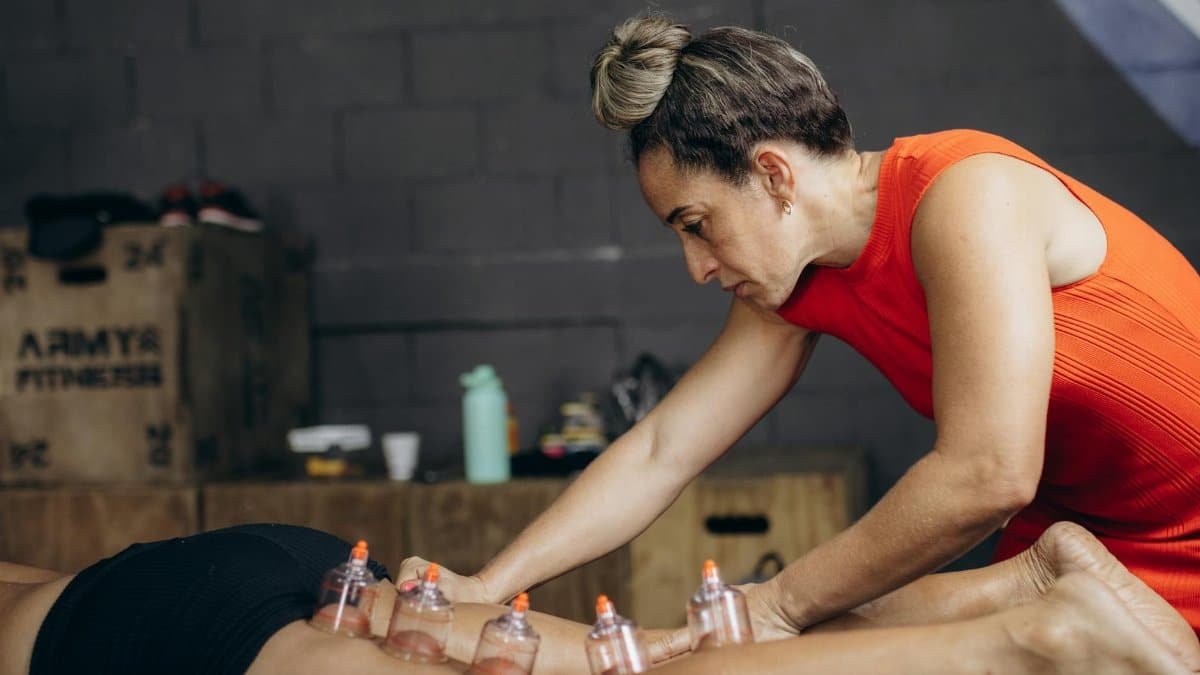
A recent study from the National Institutes of Health shows that nearly 40 percent of American adults now incorporate some form of movement-based practice into their routines for mental health benefits, up from just 25 percent a decade ago. This surge reflects a growing recognition that physical motion can anchor emotional well-being in turbulent times. Amid rising stress levels in 2025, with economic uncertainties and digital overload weighing heavy, people are turning to these approaches not just for fitness but for deeper inner stability. What stands out is how inner methods therapy, blending mindful movement with therapeutic insight, offers tools to rebuild resilience from within. From yoga studios in bustling New York to quiet community centers in the Midwest, this trend signals a shift toward holistic self-care that promises lasting calm.
1. Yoga Flows for Emotional Grounding
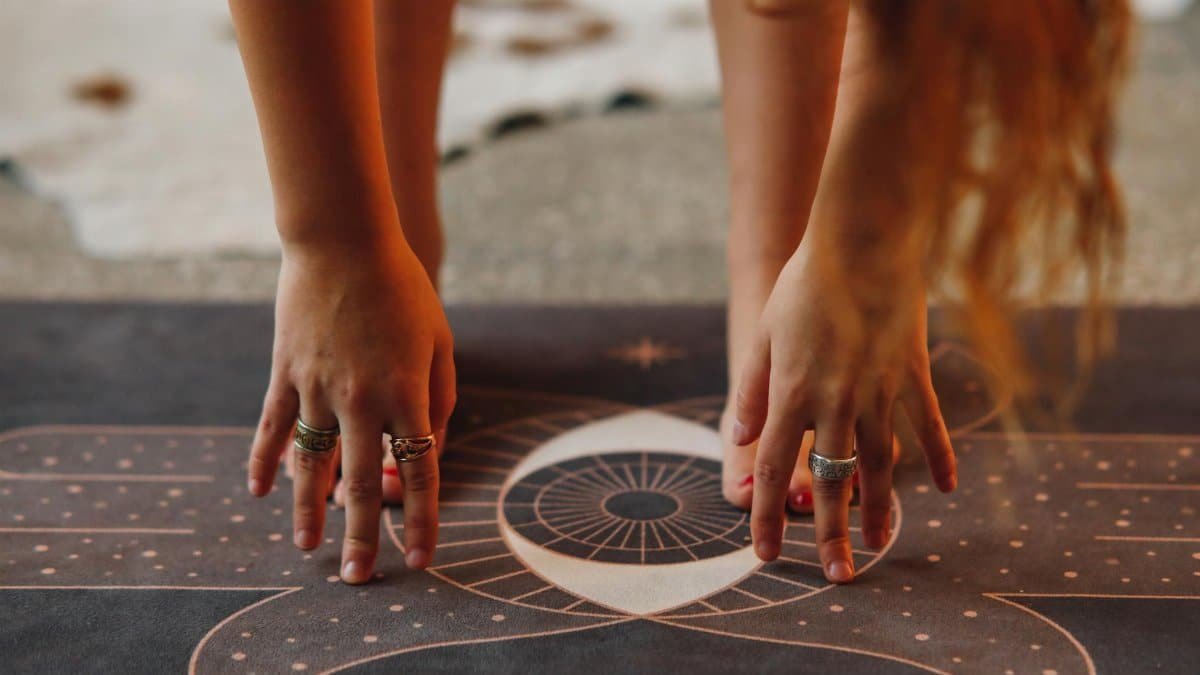
Imagine a crowded mat class in a Chicago studio, where participants synchronize breaths with gentle poses, their faces softening as tension melts away. Yoga, with its ancient roots, serves as a cornerstone in movement therapy, emphasizing poses that foster balance between body and mind. Practitioners often report a profound sense of inner stability after sessions, as the practice encourages mindfulness amid physical challenge.
One key aspect involves sequences like sun salutations, which build strength while promoting mental clarity. Research from the National Center for Biotechnology Information highlights how regular yoga reduces anxiety by lowering cortisol levels. It’s not just about flexibility; it’s about creating a mental anchor. A middleaged accountant shared anonymously online that after months of practice, he navigated work stress with newfound poise, describing it as rediscovering his core strength.
Yet, the beauty lies in its accessibility. Start with simple home routines, and over time, the rhythmic flow becomes a reliable method for inner methods therapy, weaving calm into daily life.
2. Tai Chi’s Gentle Waves of Calm

Tai chi begins with slow, deliberate motions, like pushing invisible waves through the air, a practice that originated in China but has taken root in U.S. parks and senior centers. This method excels at strengthening inner stability by harmonizing energy flow, or qi, through balanced postures. Unlike highintensity workouts, it invites quiet reflection, making it ideal for those seeking emotional resilience without strain.
Studies, such as one from Harvard Medical School, indicate tai chi improves mood and reduces depression symptoms in adults over 50. Participants often feel a subtle shift, as if their worries dissolve into the fluid movements. Picture an early morning group in San Francisco’s Golden Gate Park, where the fog lifts just as practitioners find their center.
Integrating tai chi into routines can be straightforward, perhaps starting with tenminute sessions. It embodies inner methods therapy by teaching patience and presence, turning everyday stress into manageable ripples rather than overwhelming tides.
3. Qigong for Energy Alignment

What if aligning your breath with subtle body shifts could unlock hidden reserves of calm? Qigong, a close cousin to tai chi, focuses on cultivating life energy through standing postures and gentle swaying. In American wellness circles, it’s gaining traction as a tool for inner stability, especially among those battling chronic fatigue or emotional burnout.
A report from the National Center for Complementary and Integrative Health notes its benefits in stress reduction, with practitioners experiencing enhanced emotional regulation. One vivid example comes from a retiree in Texas who, after incorporating qigong, felt her anxiety ebb like a receding storm, allowing clearer decisions in daily life.
The practice varies, from dynamic forms to meditative holds, but its core lies in intentional breathing. As part of broader inner methods therapy, qigong offers a pathway to rebuild internal harmony, proving that stillness in motion can fortify the spirit.
4. Dance Therapy’s Expressive Release
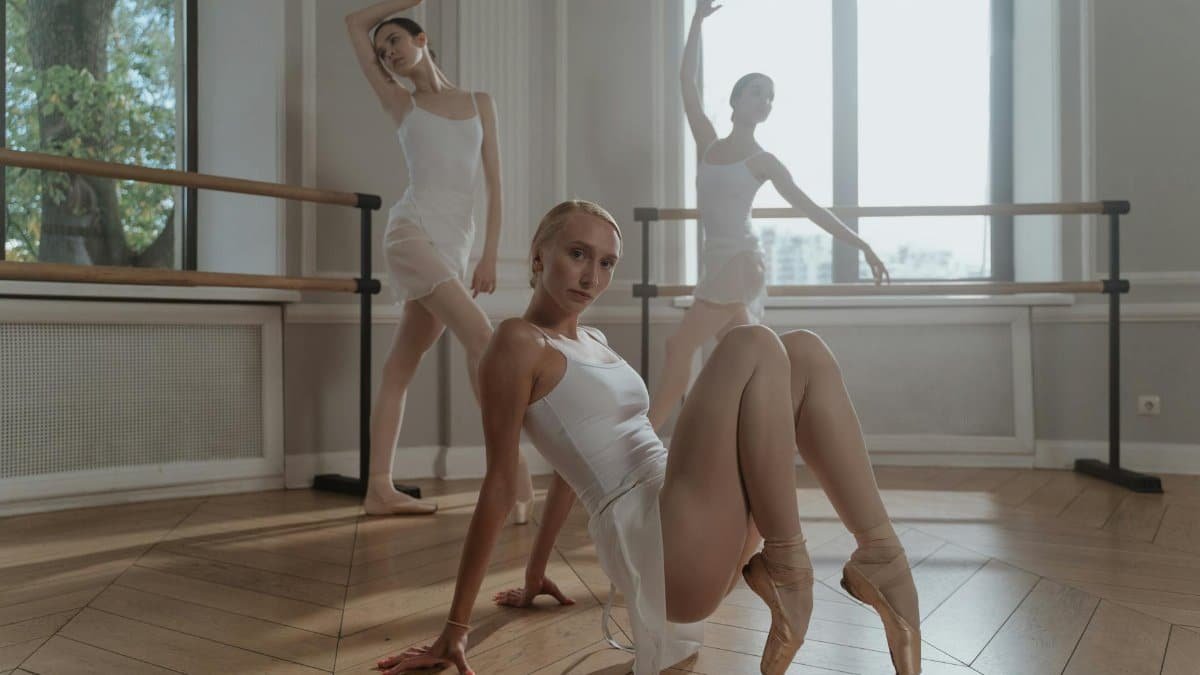
In a dimly lit community hall in Atlanta, bodies move freely to rhythmic beats, not for performance but for healing. Dance therapy harnesses movement to express unspoken emotions, making it a powerful method for strengthening inner stability. Therapists guide participants to translate feelings into steps, often leading to breakthroughs in selfawareness.
According to the American Dance Therapy Association, this approach aids in processing trauma and building resilience. A study linked from their resources shows improved selfesteem among participants. It’s raw and real, like one woman’s account of dancing through grief, emerging with a lighter heart.
Sessions might start with simple improvisations, evolving into personalized expressions. Within the realm of inner methods therapy, dance stands out for its joyinfused path to emotional fortitude, reminding us that movement can heal what words sometimes cannot.
5. Pilates for Core Resilience
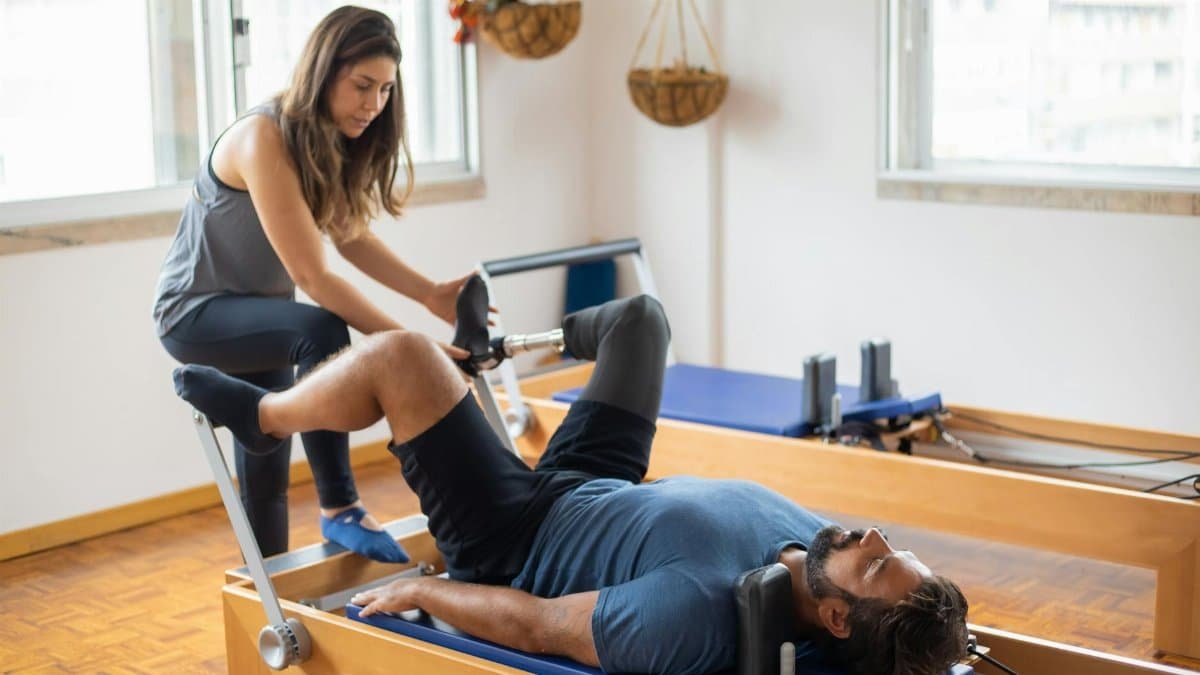
Pilates builds from the inside out, targeting deep muscles to create a stable foundation, much like constructing a sturdy home amid life’s storms. Developed by Joseph Pilates in the early 20th century, it’s now a staple in U.S. gyms, prized for enhancing both physical and mental steadiness.
Research published in the Journal of Strength and Conditioning Research demonstrates its role in reducing back pain and boosting mood through controlled movements. Practitioners often describe a sense of empowerment, as if their core strength mirrors inner resolve.
Think of a session where focused breathing aligns with precise exercises, fostering discipline. As an element of inner methods therapy, Pilates teaches persistence, turning bodily awareness into a shield against emotional upheaval in 2025’s fastpaced world.
6. Walking Meditation in Motion

Step by step, walking meditation transforms a simple stroll into a profound practice for inner stability. Unlike rushed commutes, it emphasizes mindful steps, syncing breath with pace to cultivate presence. Across U.S. trails and urban sidewalks, it’s becoming a goto for those craving calm without formal settings.
Insights from the Greater Good Science Center at UC Berkeley suggest it lowers stress hormones effectively. One hiker in the Pacific Northwest recalled how deliberate walks quieted her racing thoughts, revealing insights buried under daily noise.
Variations include forest bathing or paced neighborhood loops, each step grounding the mind. In the tapestry of inner methods therapy, this method shines for its simplicity, proving that stability often lies in the rhythm of our own footsteps.
7. Feldenkrais Method’s Subtle Shifts

The Feldenkrais Method invites curiosity through gentle explorations, reeducating the body to move with ease and awareness. Named after its founder, Moshe Feldenkrais, it’s less about exertion and more about discovering efficient patterns, which in turn bolsters emotional poise.
A study from the National Library of Medicine points to its efficacy in improving balance and reducing anxiety. Participants frequently emerge feeling lighter, as if old habits no longer weigh them down.
Sessions might involve floorbased movements, revealing how small adjustments yield big changes. As part of inner methods therapy, it underscores the power of subtlety, helping individuals navigate life’s complexities with renewed grace.
8. Alexander Technique for Postural Harmony
Ever notice how slouched shoulders mirror inner turmoil? The Alexander Technique addresses this by teaching conscious posture adjustments, freeing up energy for mental clarity. Popular among performers and office workers in cities like Los Angeles, it promotes habits that enhance overall stability.
Evidence from the British Medical Journal supports its benefits in pain relief and stress management. One executive described standing taller not just physically but emotionally after lessons.
Practices focus on everyday actions, like sitting or walking, with mindful corrections. Within inner methods therapy, it acts as a bridge between body alignment and inner peace, fostering resilience in an era of constant demands.
9. Bioenergetics’ Dynamic Expression

Bioenergetics dives into the body’s energy blocks, using expressive movements to release pentup emotions. Developed by Alexander Lowen, it combines grounding exercises with vocalizations, making it a vibrant tool for inner stability in therapeutic settings.
Research from psychological journals indicates it aids in trauma recovery by integrating physical release with emotional processing. Imagine a group session where stomps and stretches lead to cathartic breakthroughs.
It’s intense yet transformative, often revealing hidden strengths. As a facet of inner methods therapy, bioenergetics empowers individuals to channel energy constructively, building a more stable self amid 2025’s challenges.
10. Somatic Experiencing Through Movement

Somatic experiencing focuses on sensing the body’s responses to stress, using gentle movements to discharge trapped energy. Created by Peter Levine, it’s particularly effective for trauma, guiding people toward inner stability by tracking sensations without overwhelm.
A publication from the Trauma Research Foundation highlights its success in restoring nervous system balance. One survivor shared how subtle shifts helped her reclaim calm after years of unease.
Techniques involve slow tracking and resourcing, blending seamlessly with other practices. In the broader context of inner methods therapy, it offers a compassionate path to resilience, emphasizing the body’s wisdom in healing emotional wounds.