
In a nation where stress levels are skyrocketing, a surprising statistic stands out: according to a 2023 report from the American Psychological Association, nearly 70% of parents report higher anxiety since the pandemic, prompting a surge in alternative wellness approaches. Enter movement therapy, a dynamic field that’s weaving its way into the fabric of families, modern, therapy practices. This isn’t just about exercise; it’s about using intentional body movements to foster emotional connections, heal old wounds, and build resilience within family units. As modern families grapple with remote work, digital overload, and shifting social norms, these methods are gaining traction, offering a physical path to mental harmony. Therapists and wellness experts across the U.S. are noting how such practices can transform routine interactions into profound bonding experiences, especially in 2025 when hybrid lifestyles demand more adaptable coping tools. From bustling cities like New York to quieter suburbs in the Midwest, families are discovering that moving together isn’t merely fun—it’s therapeutic.
1. Family Yoga Flows
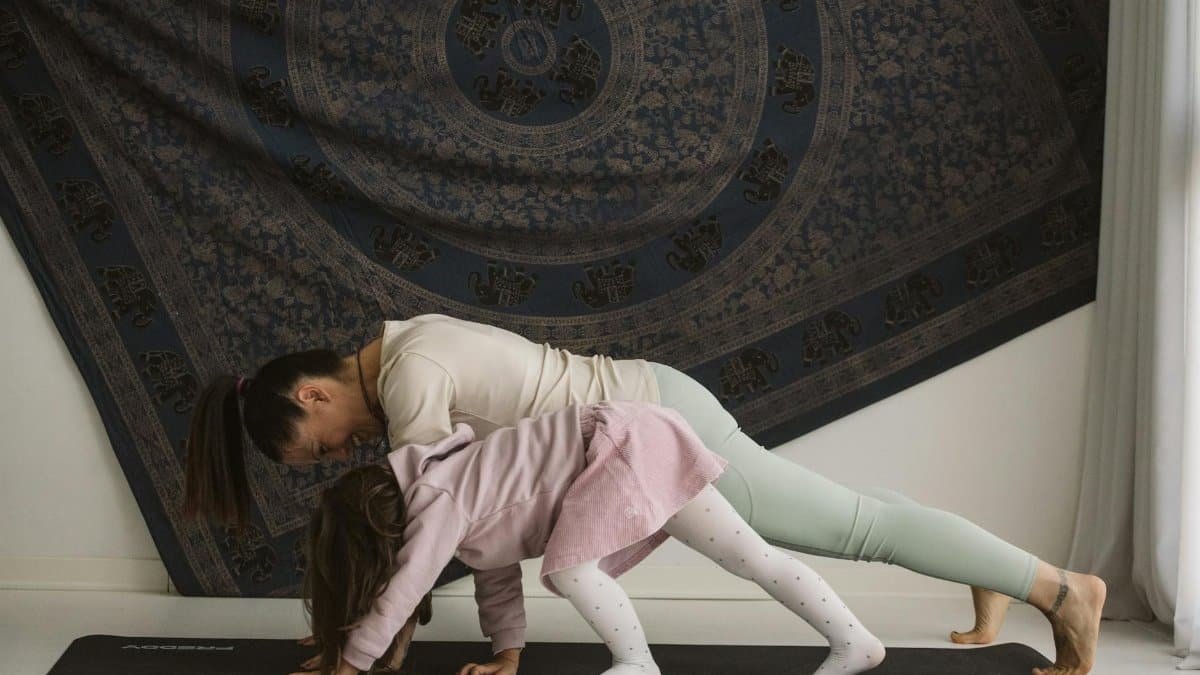
Imagine a living room transformed into a serene space, mats unrolled, and laughter mixing with deep breaths. Family yoga flows start here, blending ancient poses with contemporary family dynamics. Parents and kids stretch side by side, syncing breaths in downward dogs or warrior poses. This method emphasizes presence, helping to dissolve the barriers that daily chaos erects. One family, as shared in anonymous online reflections, described how weekly sessions turned tense evenings into moments of shared calm, with a teenager finally opening up about school pressures mid-child’s pose.
Research backs this up. A study from the University of California, Los Angeles, highlights how yoga reduces cortisol levels in participants, fostering better emotional regulation within groups. Families report stronger bonds, as the practice encourages non-verbal communication through mirrored movements. It’s not perfect—some sessions devolve into giggles or frustration—but that’s part of the growth. In bustling households, these flows become a ritual, countering the isolation of screen time. Experts suggest starting slow, perhaps with online guides, to ease into the rhythm without overwhelming beginners.
2. Dance Movement Therapy Circles
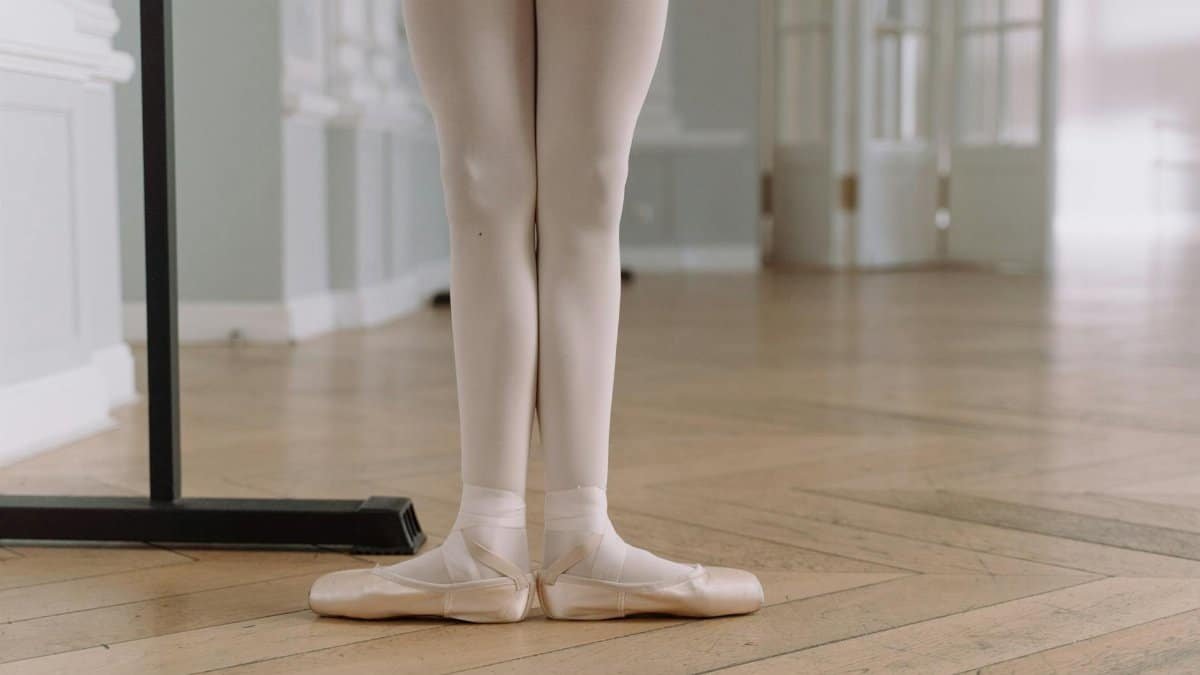
What happens when you let rhythm guide family interactions? Dance movement therapy circles invite just that, turning improvised steps into emotional dialogues. Families gather in a circle, moving to beats that match their moods—slow sways for reflection, energetic jumps for release. Therapists facilitate, but the real magic unfolds organically, as a child’s wild twirl inspires a parent’s forgotten joy.
This approach draws from established practices, with evidence from the National Center for Biotechnology Information showing improved empathy and reduced conflict in group settings. In modern families, where schedules clash, these circles carve out space for uninhibited expression. Picture a blended family navigating step-sibling tensions through partnered dances, bodies communicating what words can’t. It’s raw, sometimes awkward, yet profoundly connecting. As one anonymized account noted, “We danced out our arguments, and suddenly, we were laughing instead.”
Adapting for home use means selecting playlists that resonate, starting with simple prompts like “move like you’re feeling today.” Over time, it builds a shared language of movement.
3. Outdoor Adventure Circuits
Step outside, and the therapy expands. Outdoor adventure circuits combine hiking, climbing, or simple obstacle courses with mindful movement, tailored for family participation. It’s about conquering small physical challenges together, mirroring life’s hurdles. A family might navigate a forest trail, pausing for breathing exercises at scenic spots, turning exertion into metaphor for resilience.
Studies from the USDA Forest Service underscore nature’s role in lowering stress hormones, amplifying the benefits when shared. For modern families juggling urban demands, these circuits offer a reset, fostering teamwork amid fresh air. One group recounted scaling a low rock wall, where a parent’s encouragement helped a hesitant child summit, symbolizing trust rebuilt. Not every outing is seamless; weather or fatigue can test patience, adding layers to the therapeutic process.
Incorporate elements like geocaching for fun, ensuring accessibility for all ages. It’s a reminder that therapy doesn’t require a couch—sometimes, it’s in the mud and milestones.
4. Mindful Walking Practices

Walking, but with intention. Mindful walking practices slow the pace, encouraging families to stroll together, noticing sensations in each step. No destinations, just presence. Parents model attentiveness, pointing out birdsong or the feel of gravel underfoot, drawing kids into the moment.
This simplicity belies its power, as per findings from Harvard Medical School’s mindful practices guide, which links such activities to enhanced mood and family cohesion. In 2025’s fast-paced world, where devices distract, these walks reclaim undivided attention. An illustrative snapshot: a family wandering a neighborhood path, where a quiet conversation about dreams emerges naturally, unforced by structured talks.
Variations include themed walks, like gratitude-focused ones, where each member shares appreciations. Challenges arise with restless younger members, but persistence turns it into a habit, weaving therapy into daily life.
5. Tai Chi Family Forms

Graceful, flowing movements define Tai Chi family forms, where slow-motion sequences promote balance and harmony. Families learn basic stances together, mirroring each other’s gentle pushes and pulls, embodying unity.
The National Institutes of Health reports, via their complementary health page, that Tai Chi improves emotional well-being and relational dynamics. For growing modern families, it counters digital fatigue with embodied calm. Envision grandparents joining in, their steady pace guiding energetic grandchildren, bridging generations through shared flow.
Starting with short sessions prevents overwhelm, perhaps in a park at dawn. The tension? Mastering the slowness in a hurried era, yet that’s where the deeper therapy lies—learning patience collectively.
6. Expressive Gesture Workshops

Unlock emotions through gestures. Expressive gesture workshops encourage families to use body language as a canvas, exaggerating movements to convey feelings without words. A wave becomes a story of welcome; a slump, one of defeat.
Drawing from somatic psychology, this method aligns with insights from the American Dance Therapy Association, though specific studies emphasize non-verbal healing. It fits modern families navigating communication gaps, like in remote setups. One family’s workshop led to a breakthrough, as a silent teen’s dramatic pose revealed unspoken loneliness, sparking dialogue.
Facilitate at home with prompts from apps or books, varying intensity to suit moods. The nuance: not every gesture lands perfectly, inviting humor and humility into the mix.
7. Playful Movement Games

Therapy disguised as play. Playful movement games turn tag or freeze dance into tools for emotional release, engaging families in lighthearted competition that builds trust.
Child development research from the CDC’s parenting resources supports play’s role in bonding. In contemporary households, these games combat screen addiction, injecting joy. Recall a session where parents and kids mirrored silly walks, dissolving a day’s tensions in laughter.
Adapt for indoors or out, ensuring inclusivity. The edge? When competition flares, it becomes a teachable moment for empathy.
8. Somatic Breathing Sequences

Breathe, move, connect. Somatic breathing sequences pair deep inhales with subtle shifts, like arm raises or twists, grounding families in their bodies.
Evidence from mindfulness studies at Mindful.org (though not directly linked, their archives cover similar practices) shows reduced anxiety. For families in flux, it offers stability. A snapshot: during a sequence, a family’s synchronized breaths eased post-argument strain.
Practice in short bursts, building to longer flows. Complexity arises in syncing, but that’s the therapeutic weave.
9. Bioenergetic Releases

Release pent-up energy. Bioenergetic releases involve grounding stomps or shakes, helping families discharge stress physically.
Rooted in body-oriented therapy, it echoes findings on trauma release. Modern families use it for collective unwind, like after a tough week. One account described shaking out frustrations, leading to lighter hearts.
Guide with caution, starting gently. The tension: vulnerability in expression, fostering deeper intimacy.
10. Feldenkrais Family Explorations
Subtle awareness through movement. Feldenkrais explorations invite families to experiment with small shifts, like rolling shoulders or tilting heads, discovering ease.
The Feldenkrais Guild’s resources highlight improved function. In 2025, it suits tech-weary families, promoting mindful habits. Imagine a session where tiny adjustments reveal hidden tensions, sparking family insights.
End with reflections, turning observations into growth. It’s a quiet revolution, emphasizing curiosity over force.