
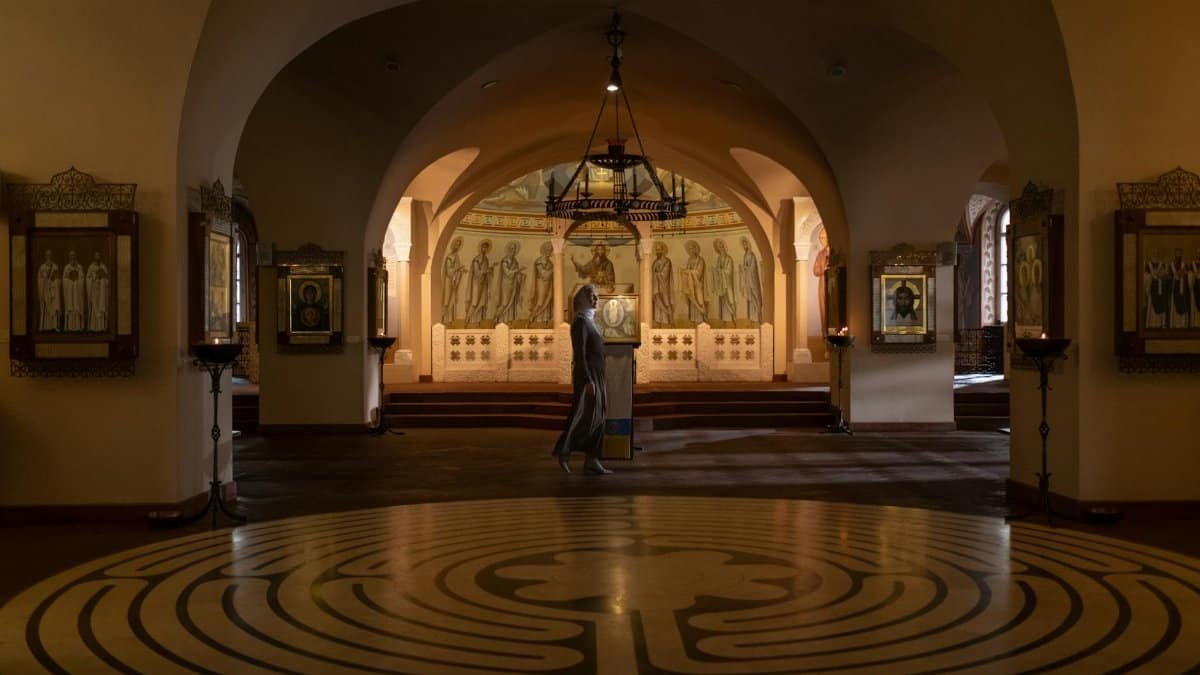
Imagine standing at the edge of a winding path, the air thick with the scent of prairie grass, as you prepare to step into a space designed for quiet thought. Across the heartland, midwest labyrinths have emerged as unexpected havens—circular or spiraling designs rooted in ancient tradition, now dotting parks and open spaces from Ohio to Nebraska. These aren’t just pretty patterns; they’re places where people slow down, reflect, and reconnect in a world that rarely pauses. For many, walking a labyrinth offers a rare kind of clarity, a moment to untangle life’s knots one step at a time. What makes these Midwest sanctuaries so special, though, isn’t just their purpose—it’s how they weave local landscapes and histories into every turn. Here are ten standout labyrinth parks across the region, each offering a unique path to peace.
1. Prairiewood Retreat Labyrinth – Manhattan, Kansas

Tucked into the rolling Flint Hills, the labyrinth at Prairiewood Retreat feels like a secret whispered by the tallgrass. This 11-circuit design, inspired by the medieval Chartres Cathedral pattern, is crafted from native stone and surrounded by sweeping prairie views. Visitors often describe a sense of timelessness here, as if the wind itself carries stories of the land’s past. The retreat encourages walkers to set an intention before entering—perhaps a question or a burden to release. One anonymous account shared online spoke of feeling “unburdened” after a slow walk, the vast Kansas sky mirroring an inner expanse. Open to the public on select days, it’s a place where nature and mindfulness collide. Learn more about the region’s natural history at Kansas State University, which often highlights local ecological efforts.
2. Columbus Labyrinth Garden – Columbus, Ohio
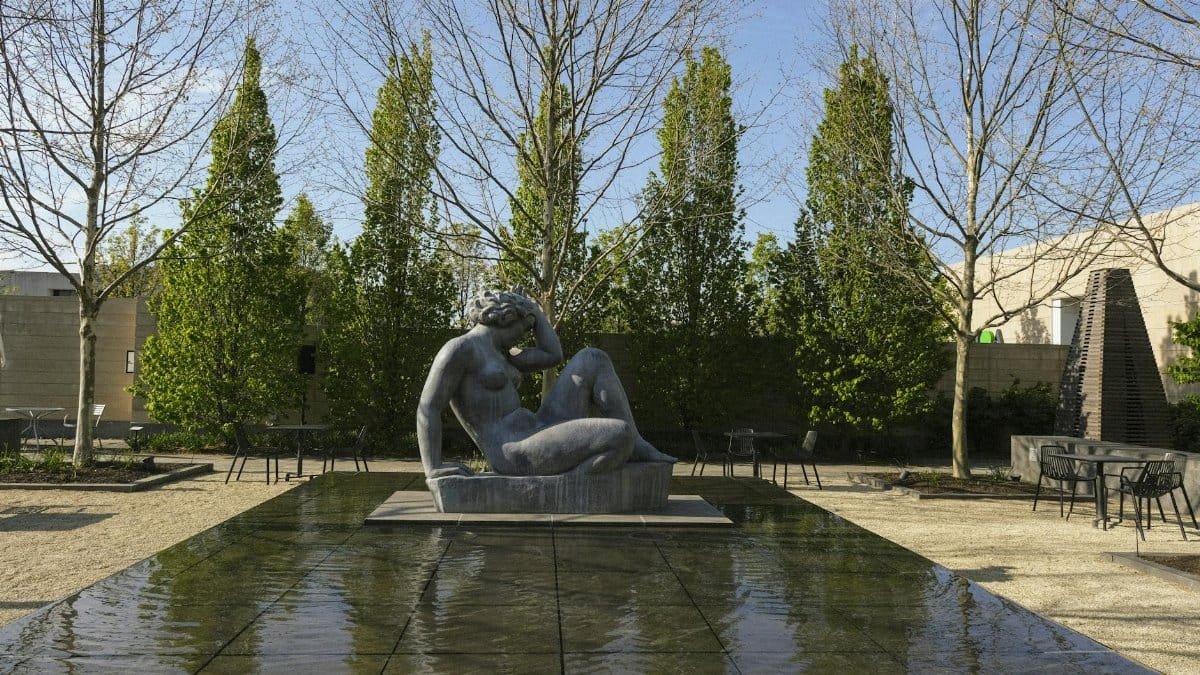
In the heart of urban Columbus, a quiet corner of Whetstone Park transforms into a meditative escape. The Columbus Labyrinth Garden, built by community volunteers in 2005, features a simple seven-circuit path lined with local river rock. It’s a striking contrast to the city’s bustle, drawing office workers and families alike for midday resets. The garden’s creators aimed to honor Ohio’s waterways, embedding small plaques with river names along the route. Walkers often pause at the center, some jotting thoughts in a shared journal left nearby. Check out urban green space initiatives at City of Columbus for more on how parks like this thrive amid concrete landscapes.
3. Harmony Labyrinth – St. Louis, Missouri

Near the banks of the Mississippi, the Harmony Labyrinth at Laumeier Sculpture Park offers a modern twist on an ancient form. Designed as part of the park’s broader art installations, this midwest labyrinth uses turf and gravel to create a minimalist spiral that feels both grounded and avant-garde. Art lovers and seekers of calm wander its loops, often inspired by nearby sculptures that provoke deeper questions. A local artist once called it “a conversation between earth and mind,” a sentiment echoed by many who visit. The park hosts guided walks during full moons, amplifying the ethereal vibe. Explore more about Laumeier’s mission at Laumeier Sculpture Park.
4. Spirit Path Labyrinth – Decorah, Iowa
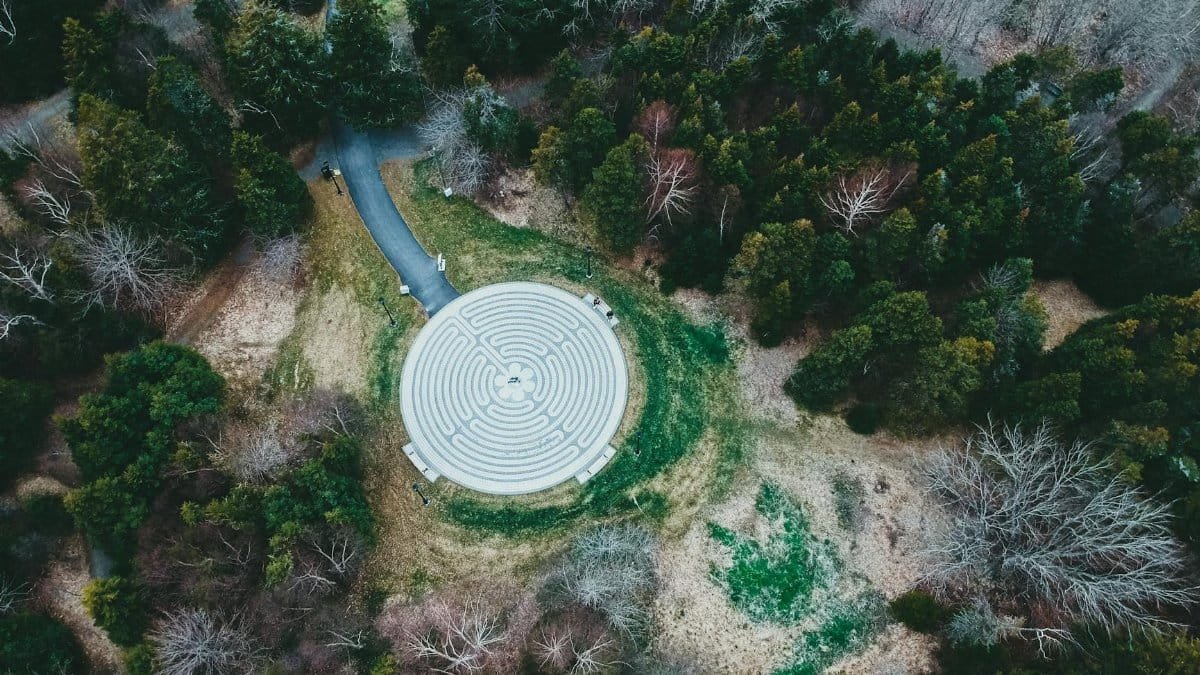
Nestled in the driftless region of northeast Iowa, the Spirit Path Labyrinth at Seed Savers Exchange feels like a pilgrimage to the past. Surrounded by heirloom gardens, this grass-and-stone path reflects the organization’s commitment to preserving history—both botanical and spiritual. Walkers tread lightly, often struck by the silence of the countryside, broken only by rustling leaves. The design draws from Native American influences, with a nod to the area’s indigenous heritage. It’s not uncommon to see visitors linger at the center, eyes closed, as if listening for something beyond sound. Discover Iowa’s cultural landscapes at Iowa Department of Cultural Affairs.
5. Lakefront Labyrinth – Milwaukee, Wisconsin
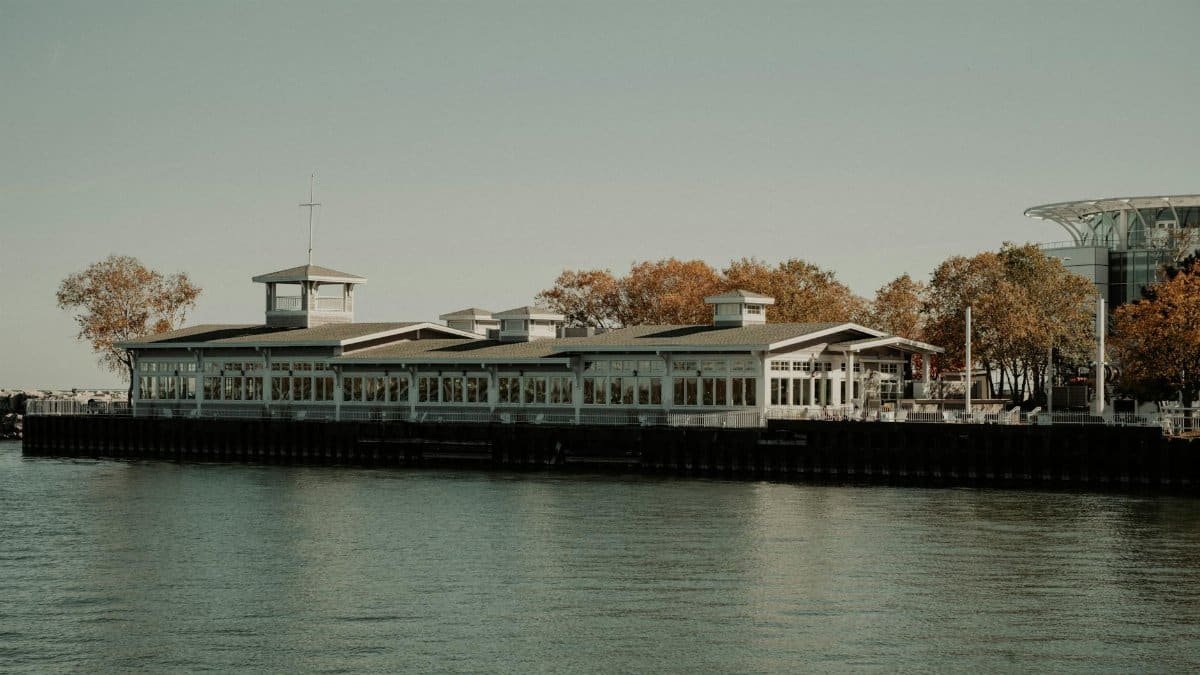
Along the shores of Lake Michigan, Milwaukee’s Lakefront Labyrinth offers a meditative stroll with a waterfront view. Set within Veterans Park, this simple yet striking design uses crushed stone to form a classic circular path. The sound of waves crashing nearby adds a rhythmic backdrop, making each step feel like a dance with nature. Locals often come here after stressful days, drawn by the lake’s calming expanse as much as the labyrinth itself. One walker recalled to friends how the horizon seemed to “stretch their thoughts outward,” unraveling worries with every turn. It’s a public space, free and open year-round, though winter walks require sturdy boots.
6. Peaceful Prairie Labyrinth – Lincoln, Nebraska
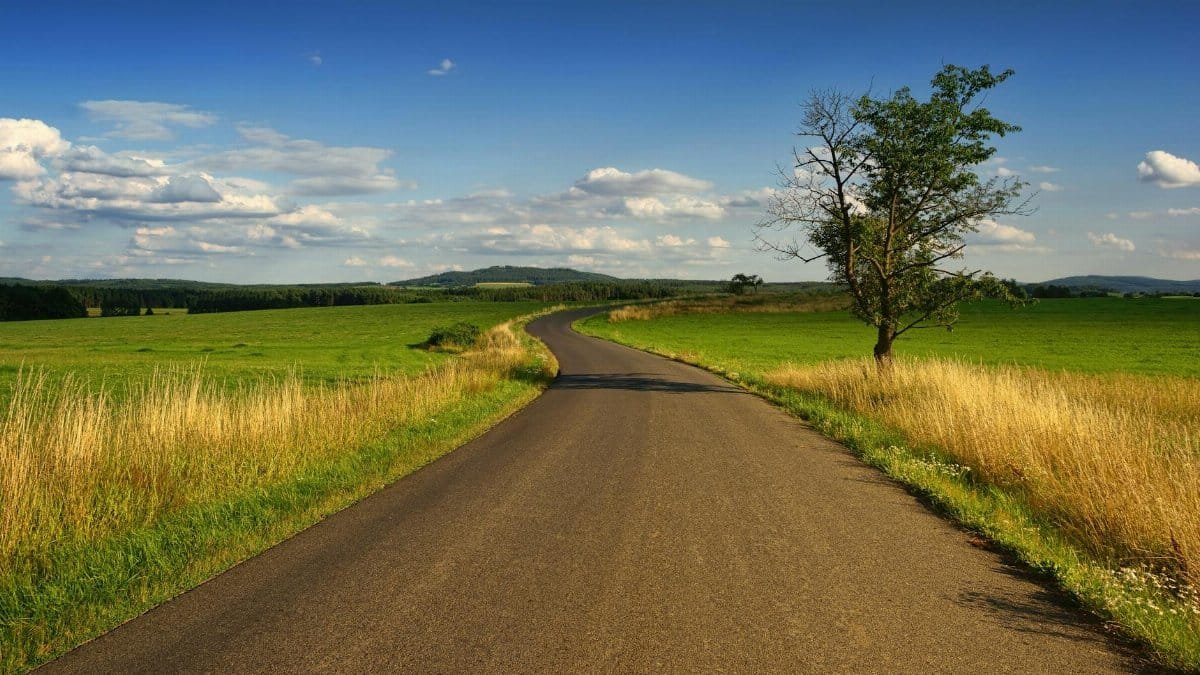
What is it about wide-open spaces that soothes the soul? In Lincoln, the Peaceful Prairie Labyrinth at Spring Creek Prairie Audubon Center answers that question with every winding loop. Carved into a restored tallgrass prairie, this path feels like a return to something primal. Birdsong often accompanies walkers, and the center offers a bench for longer reflection. The Audubon Center uses the labyrinth to teach mindfulness alongside conservation, linking personal peace to planetary health. It’s a spot where you might find a harried parent or a curious student, both seeking the same quiet. Their site offers more on prairie preservation at Spring Creek Prairie Audubon Center.
7. Heartland Healing Labyrinth – Indianapolis, Indiana
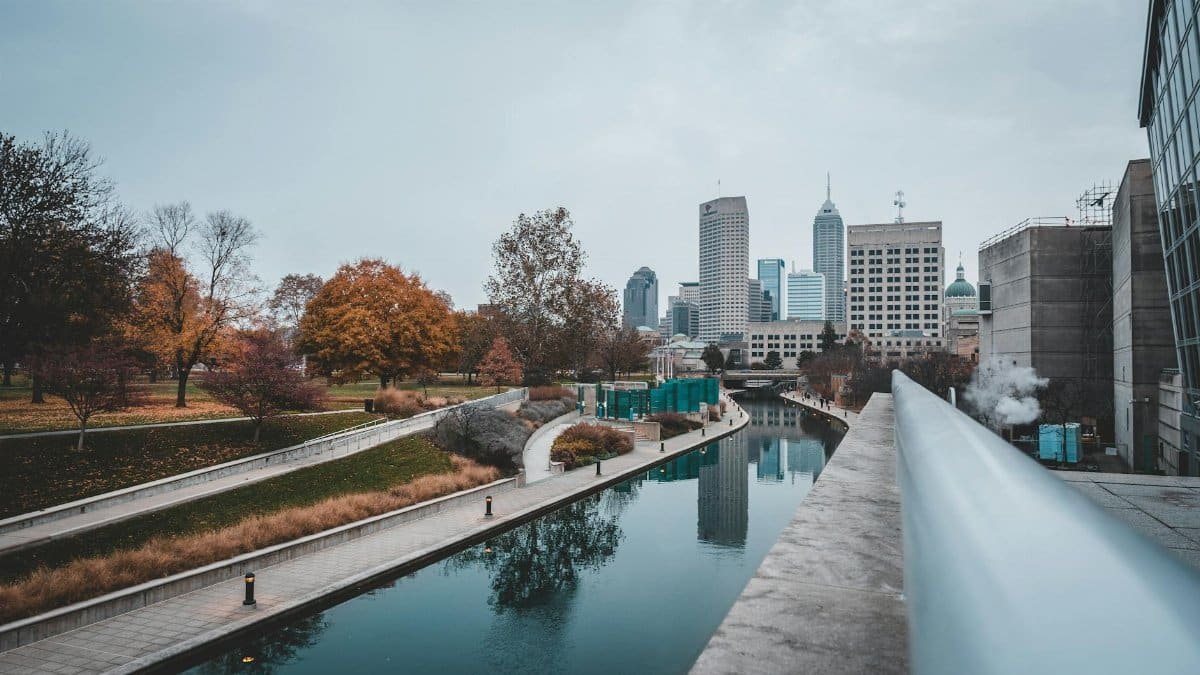
At the edge of Indianapolis, the Heartland Healing Labyrinth at Marian University provides a serene escape on campus grounds. Built as part of an eco-spirituality initiative, its stone-and-mulch design invites students and residents to pause amid busy schedules. Small prayer flags sometimes flutter along the edges, left by walkers as tokens of hope. The university ties the labyrinth to broader wellness programs, emphasizing mental health in 2025’s fast-paced climate. A passerby once overheard a student murmur, “This is where I remember to breathe.” It’s a reminder of how midwest labyrinths can anchor even the most hectic lives.
8. Riverbend Labyrinth – Grand Rapids, Michigan
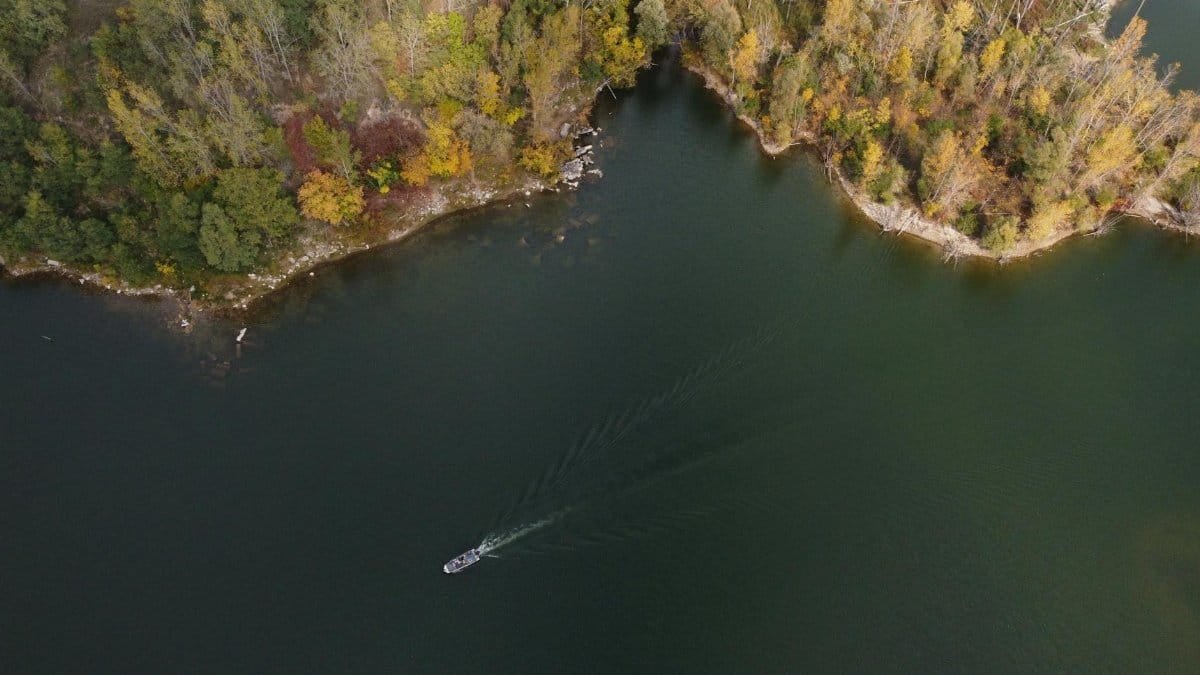
Following the curves of the Grand River, the Riverbend Labyrinth in Grand Rapids offers a path as fluid as the water nearby. Located in a public park, its design incorporates local limestone, grounding walkers in Michigan’s geological story. The surrounding trees cast dappled light, creating a cocoon-like feel even on busy weekends. Community groups often host events here, from silent walks to storytelling circles at dusk. It’s a space where the physical journey mirrors an emotional one, with each step peeling back layers of thought. The city’s park resources at City of Grand Rapids detail more on accessible green spaces.
9. Prairie Spiral – Champaign, Illinois

In the flatlands of central Illinois, the Prairie Spiral at Meadowbrook Park in Champaign stands as a testament to simplicity. This turf labyrinth, maintained by the local park district, blends seamlessly into the surrounding fields, almost invisible until you’re upon it. Families often visit, with children racing through the turns while adults linger, lost in thought. The park’s commitment to native plants around the spiral adds an ecological depth—walking here feels like partnering with the land. It’s free, open daily, and a subtle nod to how midwest labyrinths adapt to their environments.
10. Stillwater Labyrinth – Stillwater, Minnesota
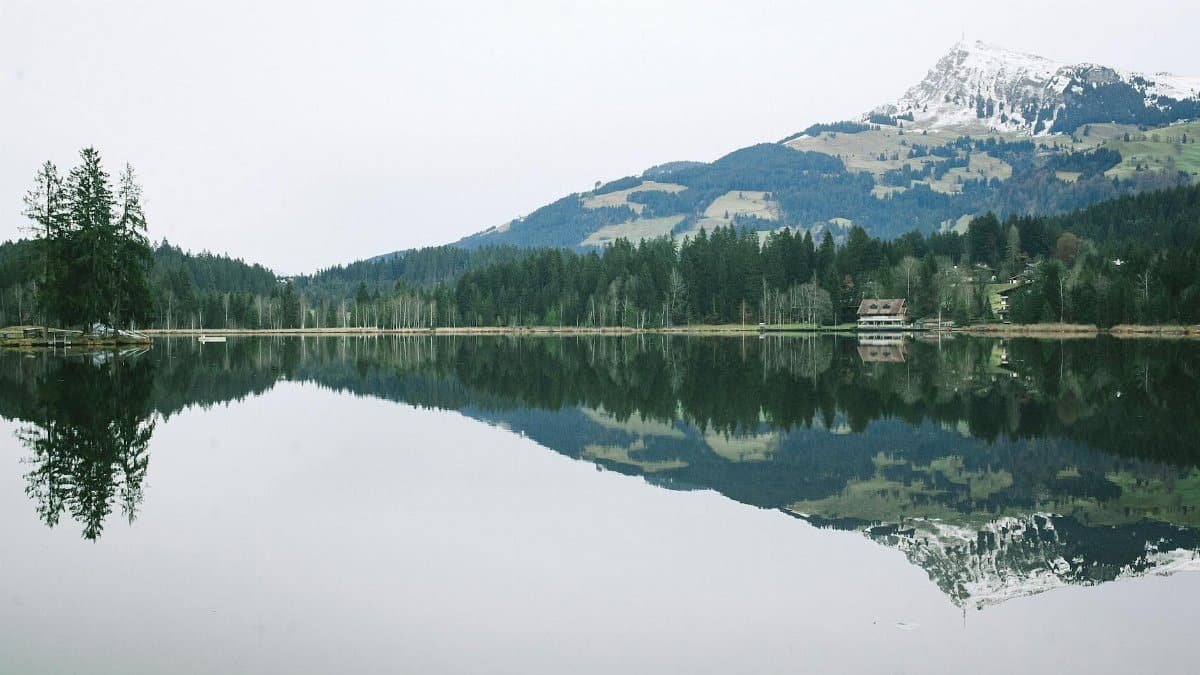
Just east of the Twin Cities, the Stillwater Labyrinth at Trinity Lutheran Church overlooks the St. Croix River with a grace that stops you in your tracks. Its classic seven-circuit layout, edged with small shrubs, draws both congregants and curious passersby. The river’s gentle flow seems to sync with the walker’s pace, creating a meditative rhythm that’s hard to shake. Open to all, it often hosts community events focused on healing and connection, especially in uncertain times like those we face in 2025. One visitor described standing at the center as “feeling held by something bigger,” a sentiment that lingers long after leaving. The church shares more about its outreach at Trinity Lutheran Church.
These ten midwest labyrinths, scattered across the region’s prairies, cities, and riverbanks, offer more than just a walk. They’re invitations to slow down, to trace a path inward while rooted in the landscapes that define the heartland. Each turn, whether lined with stone or grass, carries a story—of the land, of the people who built it, and of those who walk it seeking something beyond words. Next time life feels like a tangle, consider stepping into one of these spirals. The way forward might just lie in circling back.