

Walk into any coffee shop in Portland or a diner in Memphis these days, and you might overhear hushed conversations about a quiet trend: usa micro pilgrimages. These aren’t the grand, weeks-long treks to far-flung holy sites. Instead, they’re short, intentional journeys—often just a day or weekend—to places across America that hold personal or cultural weight. Think a hidden grove in Appalachia or a weathered monument in the Southwest. For many, these trips offer a chance to step away from the grind, to reflect, and, as research suggests, to ease the mind’s endless chatter. In a nation where stress levels remain stubbornly high, with over 40% of adults reporting anxiety in 2023 per the National Institute of Mental Health, these small pilgrimages are emerging as a balm for the ego—a way to reconnect with something larger than oneself.
1. The Concept of Micro-Pilgrimages in America

The idea of a pilgrimage often conjures images of medieval travelers trudging toward distant cathedrals. But in the U.S., micro-pilgrimages shrink that scope. They’re accessible, often local, and don’t require a passport or a month off work. These journeys might lead to a historic battlefield, a quiet lake tied to family memory, or a site of cultural resonance. What matters is the intent: a search for meaning, however brief. A 2022 report from Pew Research Center notes a growing number of Americans—nearly 30%—identify as spiritual but not religious, driving interest in personalized rituals like these short, sacred trips.
Take the example of a woman from Ohio who drives each spring to a small cemetery where her great-grandmother is buried. It’s not about mourning, she says, but about grounding herself in lineage. “I leave feeling steadier,” she told a friend, a sentiment that echoes across many who undertake such journeys.
2. Why They Heal the Ego

Modern life, with its relentless notifications and to-do lists, often inflates the ego—our sense of self tied to achievements or failures. Usa micro pilgrimages can interrupt that cycle. Studies, like one from the American Psychological Association, show that stepping into nature or spaces of historical significance reduces rumination, that mental loop of overthinking. These trips force a pause, a moment to confront something beyond personal ambition.
Picture a man in his fifties, standing before the Lincoln Memorial at dawn, not as a tourist snapping photos, but as someone tracing the weight of history in the stone. The vastness of the place dwarfs his daily worries. It’s not therapy, but it’s therapeutic—an unscripted reset.
3. The Red Rocks of Sedona, Arizona
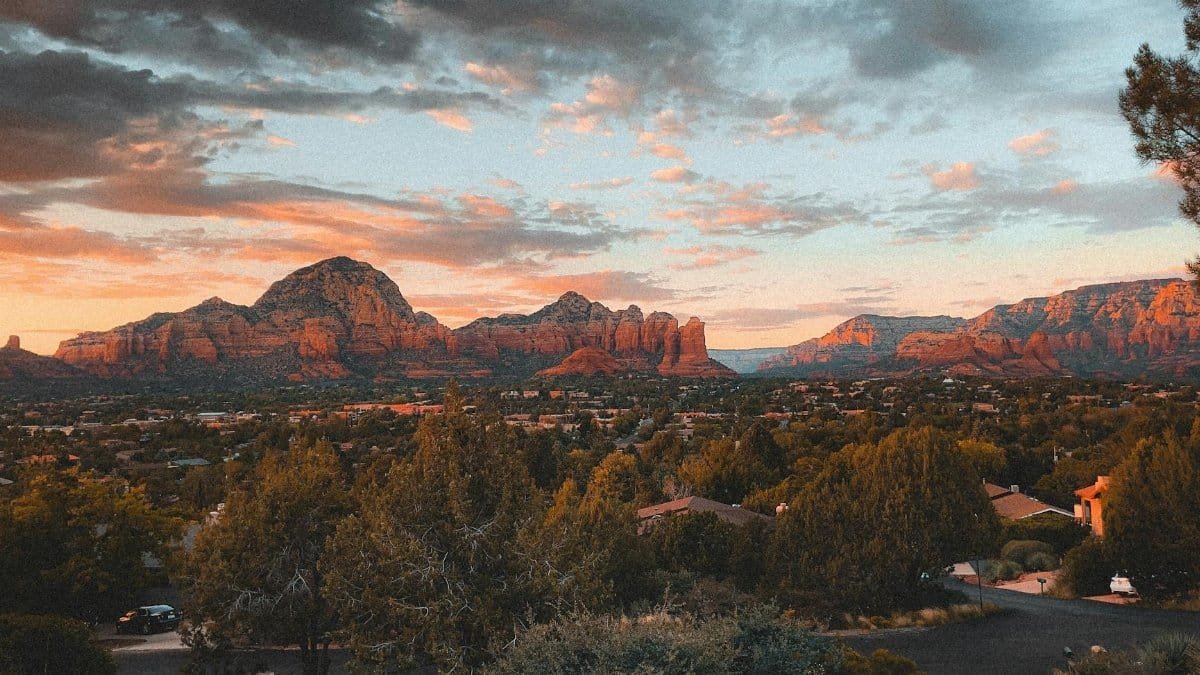
Sedona’s red rock formations draw thousands yearly, many seeking spiritual clarity amid the vortexes—areas believed to amplify energy. A day hike to Bell Rock or Cathedral Rock can become a micro-pilgrimage with intention. Visitors often describe a palpable calm, whether they buy into the metaphysical or not. The sheer scale of the landscape, carved over millennia, humbles the self. Research on nature’s impact, like a study from National Library of Medicine, backs this up: even brief exposure to natural environments lowers cortisol levels.
4. The Freedom Trail in Boston, Massachusetts

For those near the Northeast, Boston’s Freedom Trail offers a 2.5-mile walk through Revolutionary War history. It’s not just a history lesson; it’s a chance to reflect on sacrifice and resilience. Walking past the Old North Church or Paul Revere’s house, one can’t help but feel tethered to a collective past. Pause at a quieter spot, like Copp’s Hill Burying Ground, and the noise of personal stress fades against the backdrop of centuries.
5. Taos Pueblo in New Mexico
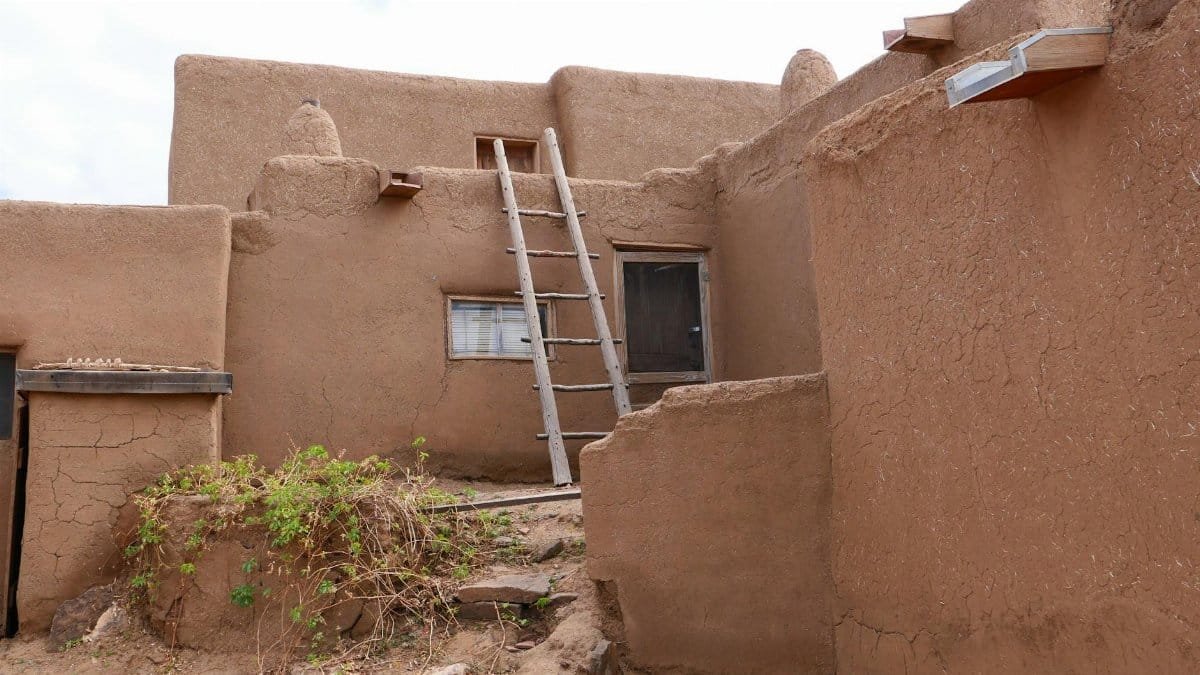
A UNESCO World Heritage site, Taos Pueblo is one of the oldest continuously inhabited communities in the U.S. A visit here, just a few hours’ drive from Albuquerque, demands respect—silence in sacred areas, no photos without permission. Standing before adobe structures over a thousand years old, the ego shrinks. It’s a reminder of endurance beyond individual lifetimes, a grounding force for anyone carrying modern burdens.
6. The Great Smoky Mountains, Tennessee/North Carolina
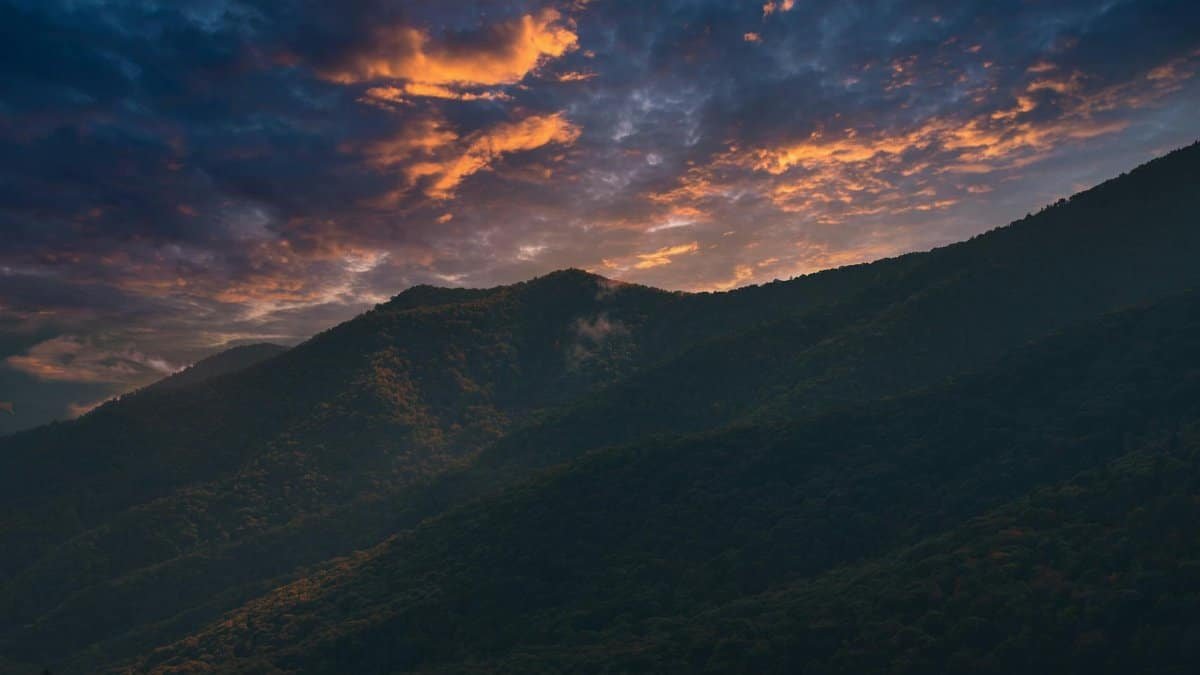
Straddling two states, the Great Smoky Mountains offer endless trails for a day of quiet reflection. Clingmans Dome, the highest point, provides sweeping views that can shift perspective. One hiker shared online how a foggy morning there felt like “standing on the edge of the world,” dissolving petty concerns. It’s not about conquering the peak but letting the vastness remind you of your place in it.
7. Gettysburg National Military Park, Pennsylvania
History hangs heavy at Gettysburg, where the Civil War’s bloodiest battle unfolded. Walking the fields or standing at Little Round Top, visitors often grapple with the scale of loss—over 50,000 casualties in three days. It’s a micro-pilgrimage for those seeking to honor or understand. The stillness of the site, even amid tour groups, can strip away self-absorption, replacing it with somber awe.
8. The Mississippi River at Vicksburg, Mississippi
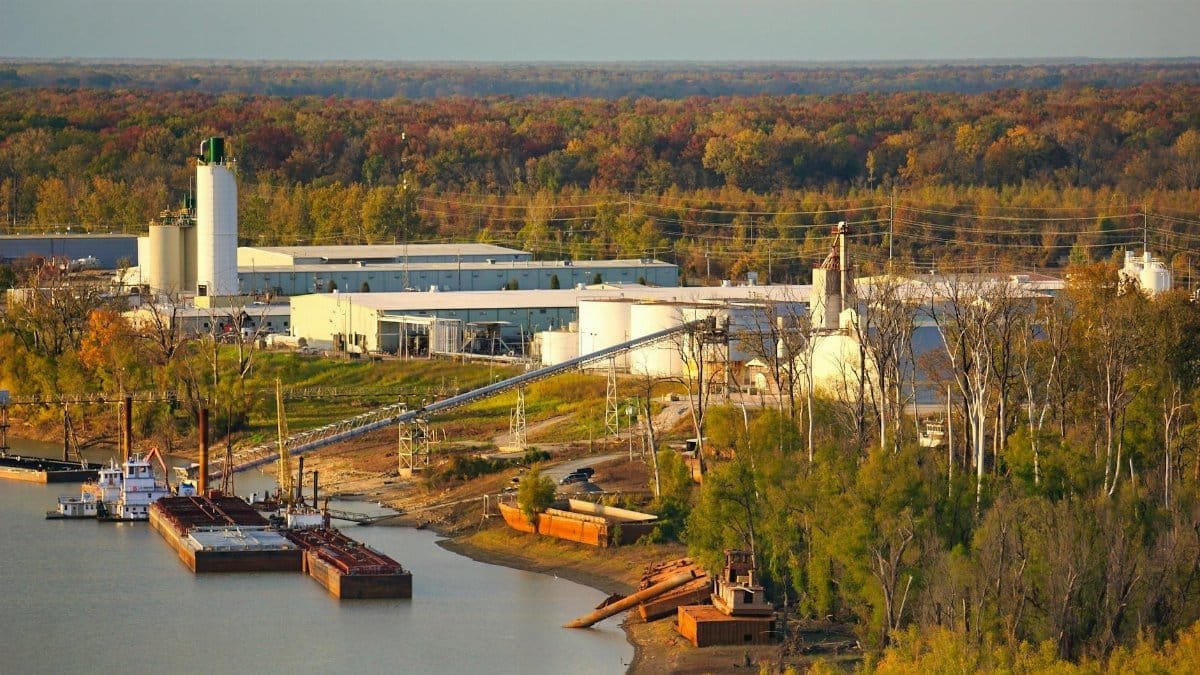
The Mississippi River, a lifeline of American history, offers a powerful stop at Vicksburg National Military Park. Here, the river’s slow churn past Civil War battlegrounds invites reflection on division and unity. A quiet moment by the water, watching barges drift, can feel like stepping outside personal struggles. It’s less about the site’s specifics and more about the river’s timeless flow.
9. Mount Shasta, California
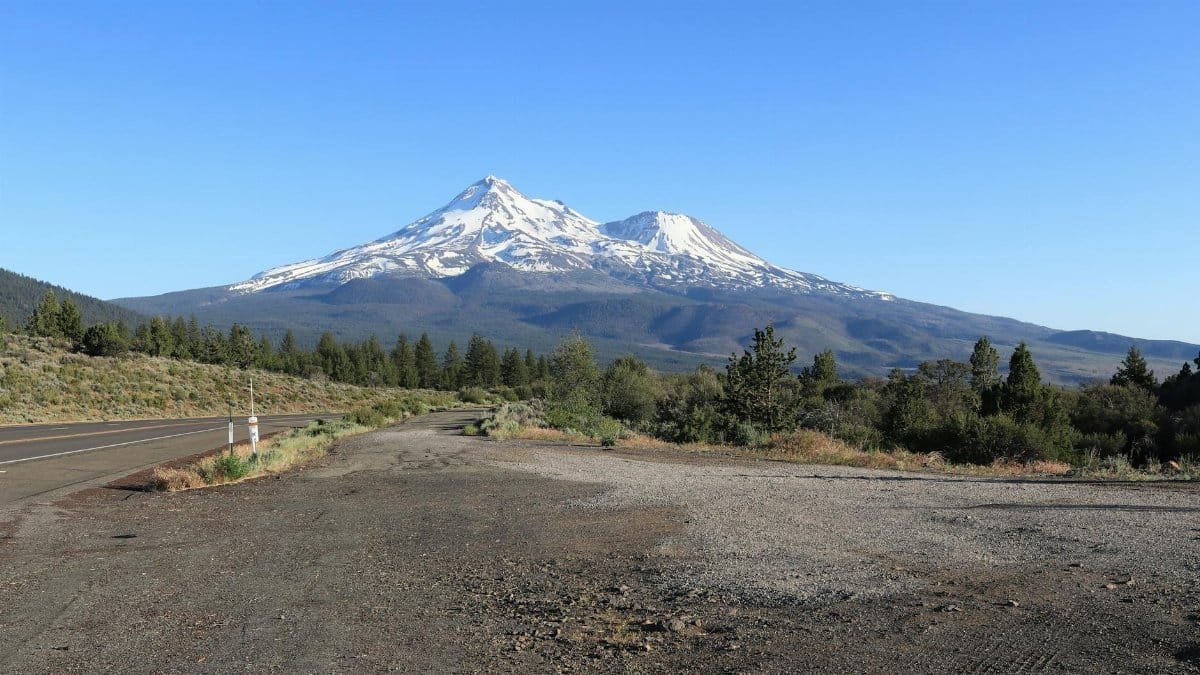
Rising over 14,000 feet, Mount Shasta in Northern California is a magnet for spiritual seekers. Even a day trip to its base, surrounded by alpine meadows, carries a meditative pull. Native American tribes have long considered it sacred, and modern visitors often speak of an unspoken energy. Whether it’s mystical or just the mountain’s raw beauty, the effect is often the same: a quieter mind.
10. Walden Pond, Massachusetts
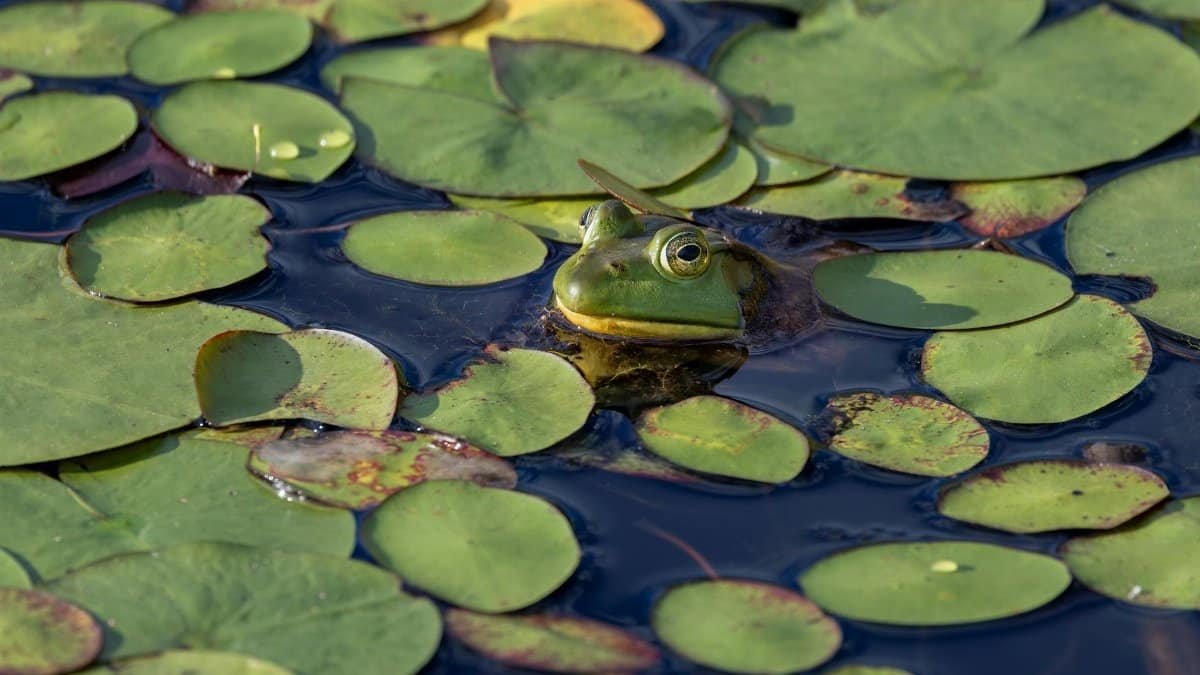
Henry David Thoreau’s retreat at Walden Pond remains a touchstone for simplicity. Just outside Boston, it’s an easy day trip to walk the shore or sit where Thoreau pondered life’s essentials. The pond, still and reflective, mirrors an inner calm for many. It’s a micro-pilgrimage to strip away excess, to question what truly matters when the ego’s demands grow loud.
Across these ten sites, usa micro pilgrimages share a common thread: they’re not about escape but reconnection. They don’t demand weeks of planning or deep pockets—just a willingness to show up, to let a place speak. In 2025, as stress and division persist, these short journeys might be more vital than ever. They remind us that healing doesn’t always require grand gestures. Sometimes, it’s found in a single step onto hallowed ground, in a moment when the self steps aside for something greater.