

In the sizzle of a busy kitchen, where spatulas fly and tempers flare over forgotten groceries or uneven chore splits, one tool cuts through the chaos like a knife through butter: micro apologies. These bite-sized expressions of regret—delivered fast and without fanfare—can slam the brakes on arguments before they boil over. Relationship experts say they work because they signal accountability without demanding a full courtroom drama, preserving harmony amid the dinner rush.
“Sorry I snapped at you.”
Picture this: You’re juggling a screaming toddler and a bubbling pot, and your partner asks about the grocery list—for the third time. Boom, you bite their head off. A micro apology like “Sorry I snapped at you” instantly owns the overreaction. Therapists at the Gottman Institute note that such quick acknowledgments lower heart rates in under 30 seconds, turning defenders into teammates. No groveling required; just three words to reset the vibe.
“My bad on the dishes.”

Dirty plates piling up again? Instead of deflecting with “I was busy,” try “My bad on the dishes.” This gem admits fault without excuses, diffusing blame games that plague 40% of household spats, per a Journal of Family Psychology study. It shifts focus from finger-pointing to fixing, often prompting a collaborative sink attack. Couples report it halves cleanup grudges overnight.
“I should’ve checked with you first.”
Ordering takeout without looping in your spouse? Guilty as charged. “I should’ve checked with you first” validates their input, nipping “You always decide everything” in the bud. Communication pros call this a “preemptive pivot,” fostering trust in decision-heavy kitchens. One viral TikTok thread from a marriage counselor racked up 2 million views showing how it transforms solo moves into joint wins.
“You’re right, that was unfair.”

When you accuse them of slacking on meal prep despite their long day, “You’re right, that was unfair” flips the script. It disarms defensiveness, which fuels 70% of escalating fights according to UCLA research. By echoing their perspective, you build empathy bridges, often leading to hugs over hugs—not-high-fives. Short, sharp, and surgically effective.
“Sorry for assuming.”
Did you eyeball the fridge and declare “We’re out of milk” without asking? “Sorry for assuming” owns the leap, preventing eye-roll marathons. Psychologists say assumptions spark 25% of daily domestic dust-ups; this micro fix promotes clarity. Real-life win: A New York couple credits it for surviving 15 years of shared fridge raids unscathed.
“I get why that frustrated you.”
Left the stove on again? “I get why that frustrated you” mirrors their irritation without a full mea culpa circus. It’s empathy in apology form, backed by Harvard Grant Study data linking it to longer-lasting unions. Kitchens turn from battlegrounds to bonding zones as validation kicks in, often before the smoke clears.
“My mistake, let me fix it.”
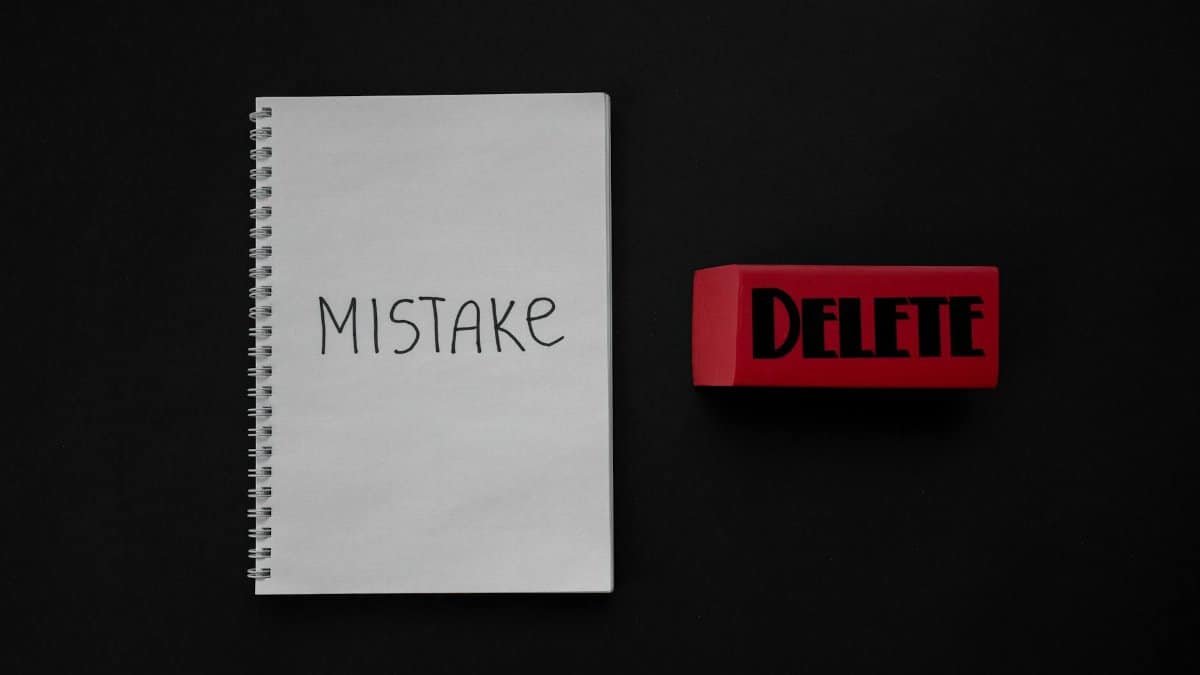
Burnt the garlic bread? “My mistake, let me fix it” pairs regret with action, slashing argument duration by 50%, per conflict resolution app data from Lasting. It reassures your partner you’re proactive, not passive, turning fumbles into team plays. Bread might be toast, but peace is salvaged.
“Sorry, I was hangry.”
Low blood sugar turns you into a grump mid-chopping? “Sorry, I was hangry” humanizes the outburst with humor, lightening 60% of hunger-fueled flares, says nutritionist-backed surveys. It invites laughter, not lectures, and reminds everyone: Food fights are literal. Quick snack, quick truce.
“That came out wrong.”

A snide “Why can’t you ever help?” slips out? “That came out wrong” retracts the barb sans full debate. Linguists at Stanford highlight how it preserves intent while ditching delivery damage, de-escalating tone wars. Kitchens stay cool; conversations reboot smoothly.
“Thanks for your patience—I blew it.”
Late from work, dinner’s cold? “Thanks for your patience—I blew it” layers gratitude atop admission, boosting relational repair by 35%, per APA findings. It spotlights their grace, forging deeper bonds amid the mundane. End-of-day arguments? Vaporized.
Mastering these micro apologies isn’t about perfection—it’s about progress. In high-stakes kitchens, where stakes feel sky-high over something as simple as spices, they prove small words yield big peace. Next time tension simmers, serve one up.