

A recent study from the Pew Research Center found that nearly 40 percent of U.S. adults report feeling anxious on a regular basis, up from just 30 percent a decade ago. This spike reflects broader stresses in daily life, from work demands to digital overload. Amid this, many are turning to natural ingredients that calm the nervous system, seeking relief without heavy reliance on pharmaceuticals. These elements, drawn from foods, herbs, and supplements, work by supporting neurotransmitter balance or reducing inflammation. Think of them as gentle allies in the quest for emotional stability. As we navigate 2025’s fast pace, understanding these ingredients offers a practical way to foster calm. They address the nervous system’s signals, helping to quiet the mind and ease tension.
1. Magnesium: The Mineral That Quiets Inner Turmoil

Magnesium stands out as a foundational player in soothing the body’s stress response. It regulates neurotransmitters like GABA, which promote relaxation. Without enough, people often feel on edge, muscles tight, sleep disrupted. Consider Sarah, a midwestern teacher juggling remote classes and family duties. She noticed her hands trembling during meetings until she added magnesium-rich foods like spinach and almonds to her meals. Soon, that constant buzz faded. Research backs this up; a study published in the journal Nutrients highlighted how magnesium supplementation reduced anxiety symptoms in participants. For more details, check the National Institutes of Health summary. It’s not magic, but it fills a common dietary gap. In 2025, with processed foods dominating shelves, boosting intake through nuts or dark chocolate makes sense. Yet, balance matters; too much can upset digestion.
Exploring further, magnesium influences cortisol levels, the hormone tied to fight-or-flight. One anonymous account shared online described starting a supplement routine after burnout: the fog lifted, replaced by steady energy. Such stories underscore its role beyond basic nutrition.
2. Omega-3 Fatty Acids: Nourishing Brain Resilience

Start with a question that lingers: how often do we overlook the fats that shield our minds? Omega-3s, found in fish like salmon and flaxseeds, build cell membranes in the brain, curbing inflammation that heightens anxiety. They enhance serotonin flow, creating a buffer against daily pressures. Picture a busy accountant in New York, deadlines piling up. He swapped fast food for fatty fish twice a week, and within months, his racing thoughts slowed. Evidence from Harvard Medical School supports this, showing omega-3s lower depression risk. Dive into the findings via Harvard Health Publishing.
The narrative shifts when we consider long-term effects. Vegetarians might turn to algae-based supplements, bridging the gap without ethical concerns. Tensions arise, though, in sourcing; overfishing raises questions about sustainability. Still, for nervous system calm, these fats prove invaluable, weaving into meals effortlessly.
3. Chamomile: Herbal Comfort in a Cup
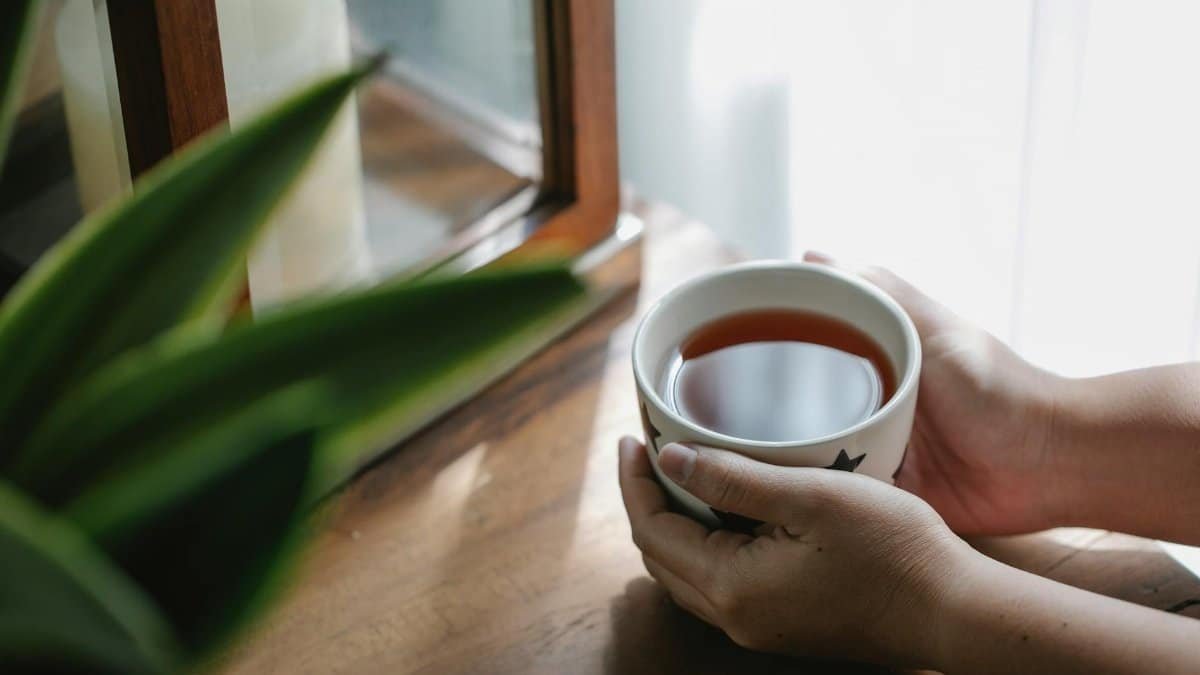
Chamomile whispers calm through its apigenin content, binding to brain receptors much like mild sedatives. Brewed as tea, it eases insomnia and digestive woes tied to stress. Recall a moment in a quiet cafe, where a steaming mug brings the world into focus. For many middle-aged readers, evenings unwind with this ritual, replacing caffeine’s jolt. A clinical trial reviewed by the National Center for Complementary and Integrative Health confirmed its anxiety-reducing potential. See the full report at NCCIH overview.
Yet, not all experiences align perfectly. Some find the flavor too floral, opting for capsules instead. Online, one user recounted how chamomile tea became a bedtime anchor during a job loss, softening the edges of uncertainty. This herb bridges tradition and science, offering accessible relief.
4. Lavender: A Scented Path to Serenity

Lavender’s aroma alone can dial down nervous system activity, slowing heart rate and promoting rest. Essential oils or dried flowers release linalool, which modulates GABA pathways. Imagine diffusing it in a home office, transforming a chaotic space into a haven. A Seattle-based nurse, post-shift exhaustion her norm, started using lavender sachets; sleep came easier, mornings brighter. Studies from the University of Maryland Medical Center affirm its efficacy for mild anxiety. Explore more at University of Maryland Medical Center page.
Complexity enters with dosage; too strong, and it overwhelms. Blending with other scents adds layers, much like life’s varied stresses demand nuanced responses. In 2025, as wellness trends evolve, lavender remains a staple, grounding users amid flux.
5. Valerian Root: Nature’s Sleep Aid

Valerian root boosts GABA levels, mimicking the effects of some sleep medications without the grogginess. It’s been used for centuries to combat restlessness. Think of it as a gentle nudge toward slumber for those wired at night. A Chicago executive, plagued by insomnia, tried it after recommendations; nights lengthened, focus sharpened. The Mayo Clinic notes its potential in short-term use for sleep issues. For insights, visit Mayo Clinic resource.
Debates swirl around its earthy smell, but capsules sidestep that. One reflective tale from public shares described valerian as a bridge over anxious thoughts, leading to deeper rest. It highlights how ancient remedies adapt to modern needs.
6. Ashwagandha: Adapting to Stress

This adaptogen herb from Ayurvedic tradition lowers cortisol, helping the body adapt to stressors. It supports adrenal function, key for nervous system balance. Envision a parent in Atlanta, balancing career and kids, finding equilibrium through daily doses. Research in the Journal of Alternative and Complementary Medicine shows reduced stress scores. Access the study through NIH PubMed.
Tensions? It might interact with medications, so consultation matters. Yet, its rise in supplements signals a shift toward holistic calm in busy lives.
7. L-Theanine: Green Tea’s Secret Calm

L-Theanine, abundant in green tea, promotes alpha brain waves for relaxed alertness. It pairs well with caffeine, smoothing jitters. A writer in Boston sipped matcha during deadlines; ideas flowed without the crash. Stanford Medicine reviews its cognitive benefits. Check Stanford Medicine news.
Variety comes in forms like pills for non-tea drinkers. It embodies subtle support, fitting seamlessly into routines.
8. GABA: Direct Neurotransmitter Support

GABA supplements aim to enhance the brain’s inhibitory signals, reducing overactivity. They’re popular for quick calm. A remote worker in Texas felt immediate ease during video calls. The Cleveland Clinic discusses its role in anxiety management. See Cleveland Clinic page.
Absorption debates persist, but many report benefits. It’s a targeted approach to nervous system harmony.
9. Passionflower: Floral Relief for Anxiety

Passionflower increases GABA, easing worry and promoting sleep. Native to the Americas, it’s steeped in history. A gardener in Florida brewed it after long days; tranquility followed. NIH studies confirm its sedative effects. Link: NIH article.
Side effects are rare, making it approachable. It weaves cultural threads into contemporary wellness.
10. Lemon Balm: Gentle Mood Enhancer

Lemon balm modulates GABA and serotonin, lifting spirits and calming nerves. Its citrusy notes make it inviting. An artist in California used it for creative blocks; inspiration returned. Research from the University of Michigan supports its use. Visit University of Michigan Health.
As a final note, these ingredients collectively point to a broader movement toward self-care. In blending them, readers might discover personalized paths to peace, navigating life’s rhythms with greater ease.