

A recent study from the American Psychological Association revealed that nearly 80% of Americans report experiencing stress that impacts their physical health, a figure that’s climbed steadily over the past decade. Amid this rising tide, practices rooted in meditation healing mindfulness are gaining traction as accessible tools for relief. Far from esoteric rituals, these approaches offer practical ways to reclaim calm in everyday chaos. Whether it’s a quick breathing exercise during a commute or a moment of focused awareness before bed, integrating such habits can transform how we handle pressure. As we navigate 2025’s demands, from work deadlines to family obligations, understanding these actions isn’t just helpful; it’s essential for fostering resilience and well-being.
1. Start with Deep Breathing
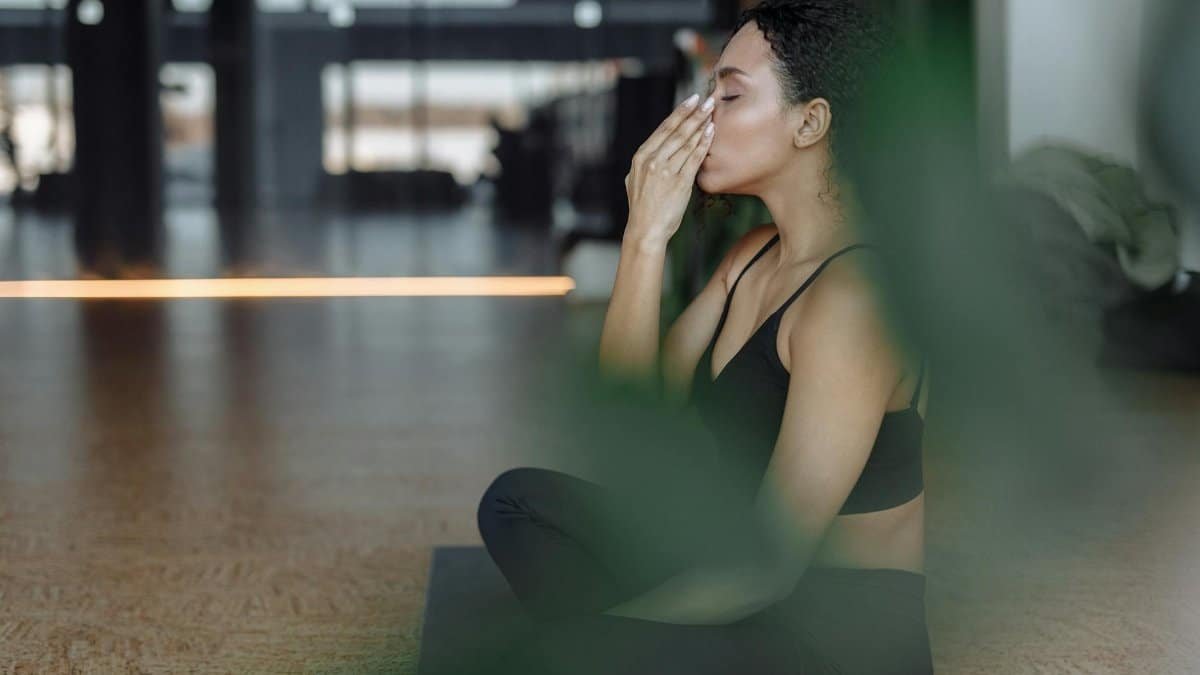
Deep breathing stands as a cornerstone of stress relief, drawing directly from mindfulness traditions. Imagine a busy executive pausing amid a hectic meeting, inhaling slowly through the nose for a count of four, holding, then exhaling. This simple act activates the body’s relaxation response, countering the fight-or-flight instinct that fuels chronic tension. Research supports its efficacy; a study published in the Journal of Clinical Psychology found that regular deep breathing reduced anxiety levels by up to 40% in participants over eight weeks. It’s not about escaping stress but meeting it with intention. One anonymous account shared publicly online described how incorporating this during morning routines turned overwhelming days into manageable ones, highlighting a shift from reactivity to poise. In bustling U.S. cities like New York, where stress is practically a badge of honor, such pauses are becoming quiet revolutions.
Yet, the beauty lies in its accessibility. No special equipment needed, just a few minutes anywhere. Practitioners often notice subtler benefits, like improved focus during conversations or better sleep patterns. As trends in 2025 show more workplaces adopting wellness programs, deep breathing fits seamlessly, offering a bridge to broader meditation practices.
2. Practice Mindful Walking

“Every step is a chance to arrive,” someone once noted in a community gathering, capturing the essence of mindful walking. This action transforms routine strolls into opportunities for stress relief by anchoring attention to the present. Feel the ground beneath your feet, notice the rhythm of your breath syncing with movement. A report from the National Institutes of Health highlights how such walking lowers cortisol levels, the hormone tied to stress. In suburban neighborhoods across the Midwest, people are weaving this into lunch breaks, finding solace amid daily grind.
Contrast this with hurried commutes; mindful walking invites a deliberate pace, fostering healing through awareness. It addresses not just physical tension but emotional clutter, as one might reflect on a challenging interaction while observing passing trees. Over time, it builds a habit of presence, making stressors feel less overwhelming.
3. Engage in Journaling

Journaling emerges as a potent tool, allowing thoughts to spill onto the page and untangle mental knots. Begin with a prompt like noting three things that stirred anxiety today, then explore why. This mirrors mindfulness by encouraging nonjudgmental observation. Studies from Harvard Medical School, detailed in their health publications, show journaling can decrease stress symptoms by promoting emotional processing.
Picture a middle-aged parent jotting down worries after the kids are asleep; suddenly, patterns emerge, revealing actionable insights. It’s a form of self-dialogue that heals from within, distinct from mere venting. In 2025, with rising awareness of mental health, this practice is seeing uptake in online communities, where shared experiences underscore its transformative power.
Variety keeps it fresh: some days, focus on gratitude; others, on releasing grudges. The key is consistency, turning it into a ritual that bolsters resilience.
4. Cultivate Gratitude Moments

What if shifting focus to what’s going well could dismantle stress? Gratitude practices do just that, rooted in mindfulness by redirecting attention from lacks to abundances. List five small wins each evening, from a warm cup of coffee to a kind word from a colleague. Evidence from the University of California, Berkeley’s Greater Good Science Center, via their research summaries, indicates this boosts mood and reduces perceived stress.
In everyday scenarios, like during a traffic jam, recalling a positive memory reframes frustration. It’s not naive optimism but a deliberate rewiring of perspective. One illustrative snippet from public discussions recounts a teacher who, amid burnout, started this habit and found renewed energy for her students. Across U.S. demographics, especially among middle-aged professionals juggling careers and family, gratitude is proving a quiet antidote to overwhelm.
5. Try Body Scan Techniques

Body scans invite a systematic check-in, starting from toes upward, noticing sensations without judgment. This meditation staple eases stress by highlighting held tension, often in shoulders or jaw. A clinical trial reported in JAMA Internal Medicine, accessible through their archives, demonstrated its role in lowering blood pressure and anxiety.
Envision lying down after a long day, mentally sweeping through each body part, releasing tightness. It’s healing in its gentleness, addressing the physical echoes of emotional strain. For many, it reveals how stress manifests somatically, leading to proactive care. In 2025’s wellness landscape, apps and classes are popularizing this, making it a staple for stress management.
Adapt it for brevity: a five-minute version at your desk works wonders, blending seamlessly with daily life.
6. Adopt Mindful Eating

Eating mindfully turns meals into meditative acts, savoring flavors and textures to curb stress-eating habits. Chew slowly, notice hunger cues, and appreciate the nourishment. This counters the autopilot mode that amplifies tension. Insights from the CDC’s nutrition resources, found on their mindful eating page, link it to better emotional regulation.
Consider a family dinner where devices are set aside, fostering connection over food. One person shared anonymously how this practice healed their relationship with eating, reducing guilt and promoting calm. It’s about presence, transforming a necessity into a ritual of self-care. Amid America’s fast-food culture, this action stands out as a rebellious pause.
7. Implement Digital Detox Breaks

Stepping away from screens carves out space for mindfulness, alleviating the constant buzz that heightens stress. Set boundaries, like no emails after 8 p.m., and use that time for reflection. Pew Research Center’s studies on technology use, detailed in their 2021 report with projections into 2025, note how digital overload contributes to burnout.
During these breaks, engage senses elsewhere: listen to birds or feel the texture of a book. It’s a healing reset, reclaiming mental bandwidth. In urban settings, where notifications never cease, this action fosters deeper calm, as echoed in countless shared experiences of renewed clarity post-detox.
Start small, building to longer intervals, and watch how it enhances overall mindfulness.
8. Immerse in Nature

Nature immersion, or forest bathing, draws on mindfulness to dissolve stress through sensory engagement with the outdoors. Wander a park, attune to rustling leaves and fresh air. Japanese studies, summarized by the NIH, confirm its stress-reducing effects via lowered cortisol, as per their environmental health research.
Think of a weekend hike where worries fade amid towering trees; it’s therapeutic, grounding the mind. For city dwellers, even a balcony plant session counts. This practice heals by reconnecting us to something larger, countering isolation. In 2025, with urban green spaces expanding, it’s an increasingly viable stress reliever.
9. Use Progressive Muscle Relaxation

Progressive muscle relaxation involves tensing then releasing muscle groups, a technique that directly tackles physical stress manifestations. Begin with fists, work upward. The Mayo Clinic endorses it for anxiety reduction in their stress management guide.
A quick session before bed can unwind the day’s knots, promoting restorative sleep. It’s mindfulness in motion, teaching awareness of bodily signals. One narrative describes a nurse using it post-shift, finding solace in the release. Adaptable and effective, it complements broader healing practices.
Incorporate it weekly, noticing cumulative benefits like reduced headaches or irritability.
10. Explore Loving-Kindness Meditation
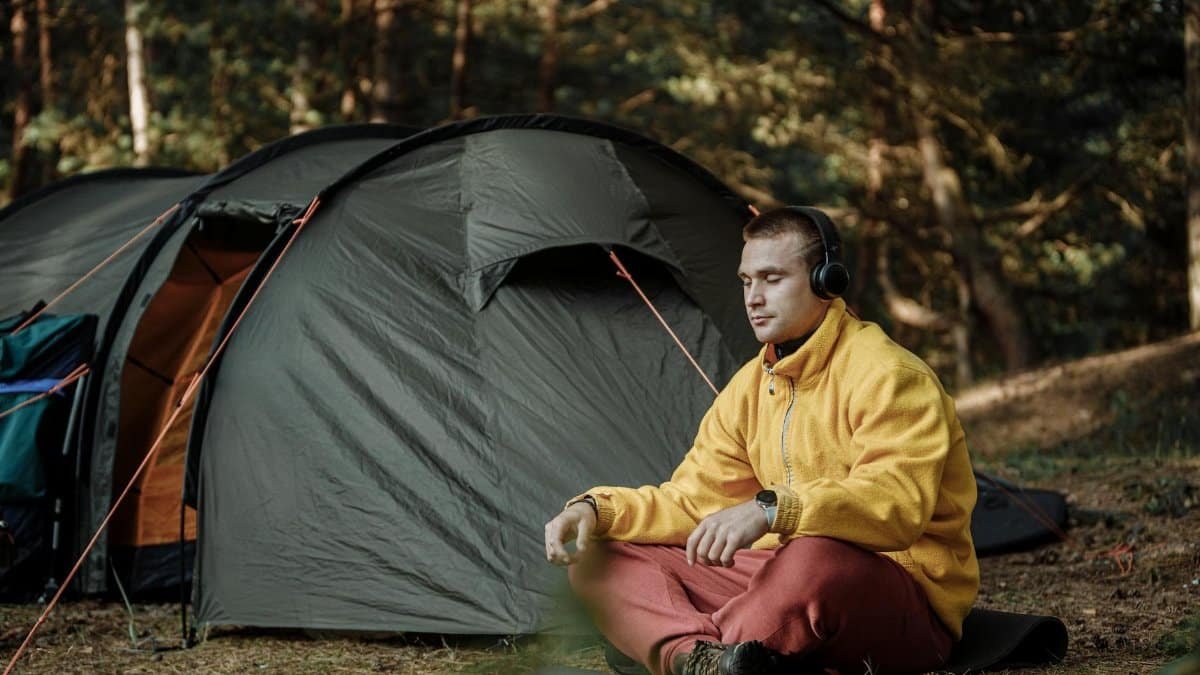
Loving-kindness meditation directs well-wishes toward oneself and others, fostering compassion that melts stress. Repeat phrases like “May I be safe” silently. Stanford University’s Compassion Cultivation Training, outlined in their center’s resources, shows it enhances emotional resilience.
During tough times, this shifts focus from self-criticism to empathy, healing inner dialogues. Imagine extending kindness to a difficult coworker; tensions ease. Publicly shared stories often highlight its role in mending relationships strained by stress. As 2025 brings more emphasis on mental health, this action offers a profound, everyday path to balance.
Practice regularly, and it becomes a lens through which daily interactions improve, rounding out a mindful approach to life.