

In a startling revelation, recent surveys indicate that 68% of Pennsylvanians report experiencing emotional overload at least weekly, up from 52% just two years ago. This spike highlights how everyday stresses are pushing residents to their limits. At the heart of it is ’emotional, predict, overload’—a concept blending emotional awareness with predictive signals to foresee mental fatigue before it strikes. Experts say recognizing these cues early can restore balance, especially in a state grappling with economic pressures and urban hustle. As we dive into 2025, understanding these signs becomes crucial for mindful living.
1. Persistent Irritability
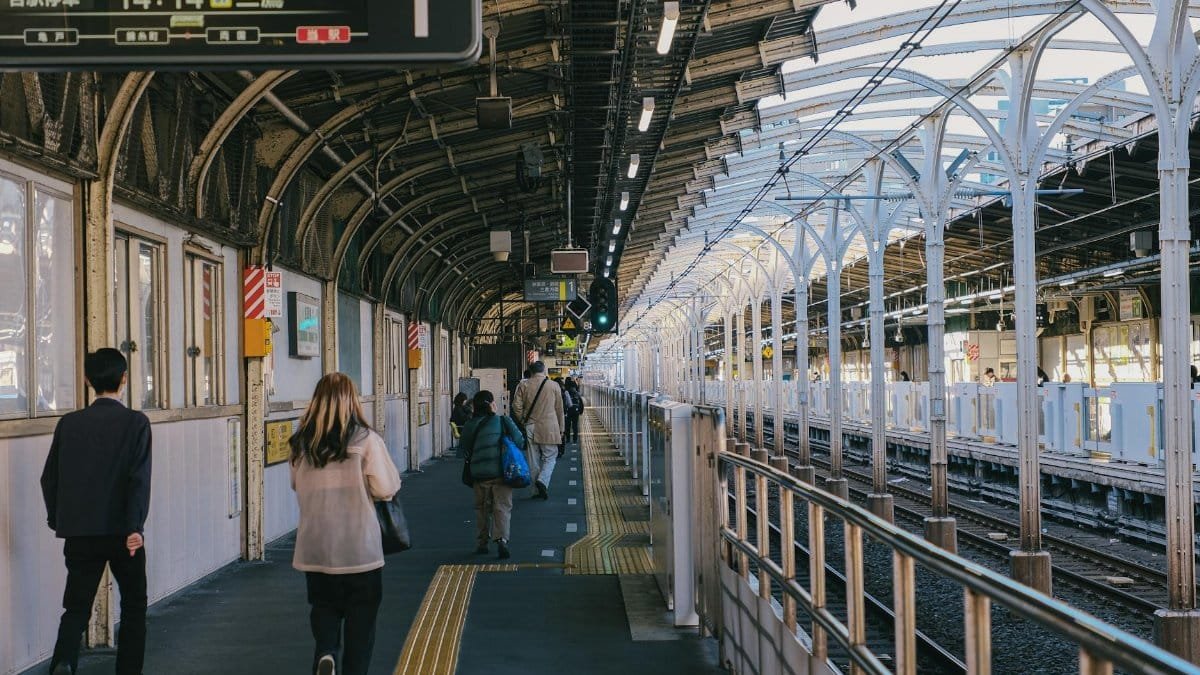
Pennsylvanians often notice irritability as the first red flag of impending emotional overload. This isn’t just a bad mood; it’s a consistent snap at minor annoyances, like traffic in Philadelphia or delays on the SEPTA. Studies show that chronic irritation correlates with heightened cortisol levels, signaling the body’s stress response is in overdrive. In fact, research from the American Psychological Association links this to broader mental health trends in high-stress states like Pennsylvania. Catching it early allows for interventions like short walks in nature, which tags like ‘Nature’ and ‘Balance’ emphasize for stress relief.
2. Difficulty Concentrating

When focus slips away, it’s a key predictor of emotional overload. Residents in Pittsburgh might find themselves zoning out during meetings or forgetting simple tasks amid the city’s industrial buzz. This cue stems from cognitive fatigue, where the brain juggles too many emotional inputs. A study by the National Institutes of Health notes that such lapses affect productivity in 40% of working adults. NIH Study on Cognitive Decline underscores how emotional stress exacerbates this. To counter it, mindfulness practices can help regain clarity.
3. Physical Exhaustion Without Cause

Feeling drained despite adequate rest points directly to emotional buildup. In rural Pennsylvania areas, where nature should recharge, many report unexplained fatigue tied to unspoken worries. This physical manifestation of emotional strain is common, with experts attributing it to the body’s fight-or-flight response wearing thin. Data from the Centers for Disease Control and Prevention reveals that 1 in 5 Americans experiences this, amplified in states with seasonal affective disorder risks. Incorporating balance through outdoor activities can mitigate these effects, aligning with mindful living principles.
4. Withdrawal from Social Interactions

Suddenly avoiding friends or family gatherings? That’s a classic sign of emotional overload brewing. In community-oriented spots like Lancaster, this withdrawal can isolate individuals further, worsening the cycle. Psychologists explain it as the mind’s way of conserving energy when overwhelmed. A Pew Research Center report highlights how social disconnection rose 15% post-pandemic, particularly in the Northeast. Pew Research on Social Connections provides insights into these patterns. Reconnecting gradually fosters emotional resilience.
5. Heightened Anxiety Over Small Issues

Anxiety spiking over trivial matters, like a delayed package or a work email, signals predictive overload. Pennsylvanians in high-pressure jobs, such as those in Harrisburg’s government sector, often experience this. It’s the emotional system’s alarm bell for deeper unrest. According to the Anxiety and Depression Association of America, such symptoms affect millions, with regional stressors like economic uncertainty playing a role. Recognizing this cue allows for proactive steps, like journaling, to predict and prevent full overload.
6. Changes in Sleep Patterns

Insomnia or oversleeping disrupts the balance, predicting emotional turmoil. In Pennsylvania’s varying climates, from snowy winters to humid summers, sleep disturbances are rampant. This cue ties into circadian rhythm disruptions caused by stress. The Sleep Foundation reports that 50 million Americans struggle with sleep, linking it to emotional health. Addressing it through nature-based routines, such as evening walks, can restore equilibrium and align with ‘Stress’ and ‘Balance’ tags.
7. Loss of Interest in Hobbies

When once-loved activities feel burdensome, emotional overload is likely on the horizon. Hikers in the Pocono Mountains might skip trails, a telltale sign in a state rich with natural escapes. This anhedonia stems from depleted emotional reserves. Research from Harvard Medical School indicates it’s a precursor to depression in stressed populations. Reviving interests slowly can rebuild joy, emphasizing mindful living in 2025’s fast-paced world.
8. Frequent Headaches or Muscle Tension

Physical symptoms like tension headaches or tight shoulders often predict emotional strain. Commuters on Pennsylvania’s turnpikes know this all too well, with stress manifesting bodily. The Mayo Clinic associates these with chronic stress responses. Their resources detail how unmanaged emotions lead to such pains, prevalent in urban areas. Simple stretches or nature immersion can alleviate this, promoting overall balance.
9. Overeating or Loss of Appetite

Emotional eating or skipping meals signals imbalance. In foodie cities like Philadelphia, comfort eating spikes during stress peaks. This cue reflects the brain’s attempt to soothe through habits. The CDC’s nutrition studies show emotional factors influence 30% of eating disorders. By tuning into these patterns, individuals can predict overload and adjust for healthier responses.
10. Feeling Overwhelmed by Decisions

Even simple choices paralyze when emotional reserves are low. Pennsylvanians facing daily decisions, from voting in elections to family matters, report this as a final predictor. It ties into decision fatigue amplified by external pressures. Insights from psychological associations stress early intervention. Embracing mindfulness techniques can clear the fog, ensuring better balance in life’s demands.