

In the heart of Michigan’s bustling cities and quiet suburbs, a pressing question emerges: What if the subtle signals of our inner turmoil could warn us before everything spirals out of control? Amid the state’s harsh winters and vibrant summers, residents often grapple with mounting pressures from work, family, and the relentless pace of life. These emotional cues, if recognized early, might just be the key to averting overload. But how do we spot them? Drawing from recent insights into mental health trends, it’s clear that understanding emotional, predict, overload isn’t just about survival—it’s about thriving in a world that demands constant adaptation. As we delve into these indicators, tailored to Michigan’s unique context, we uncover paths to steadier calm.
1. Persistent Irritability Amid Daily Commutes
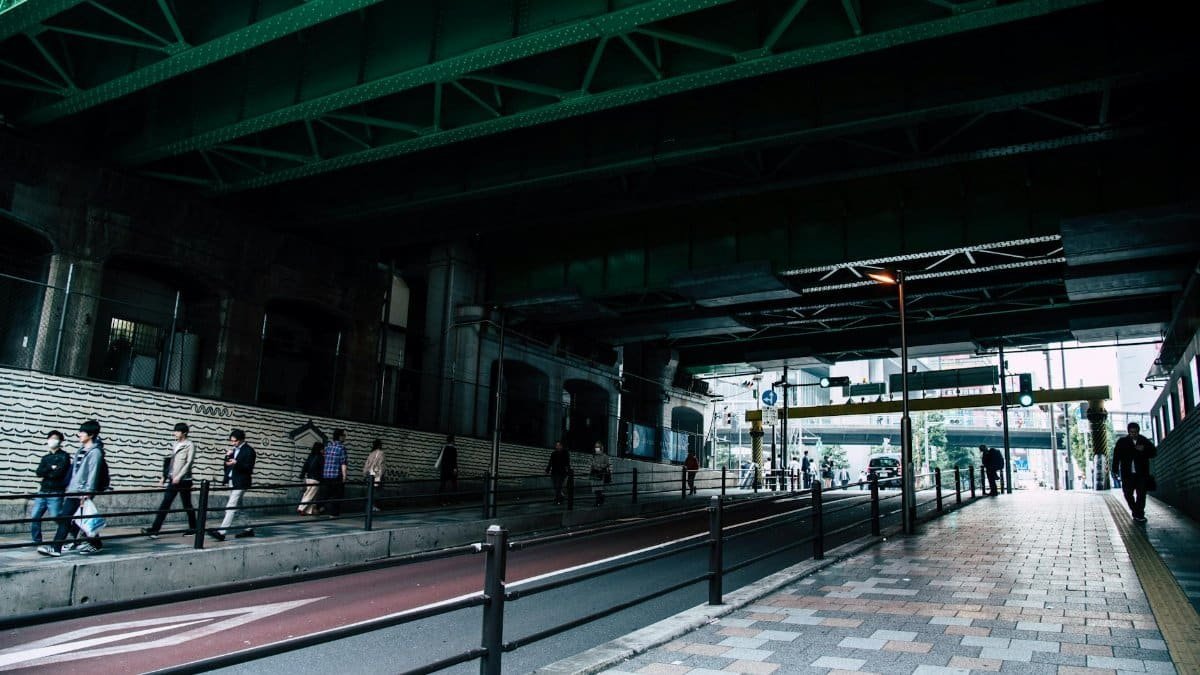
Michigan’s notorious traffic jams, especially around Detroit and Grand Rapids, can amplify everyday frustrations. When small annoyances like a delayed highway merge trigger outsized anger, it might signal brewing emotional overload. Consider a factory worker in Flint who described snapping at colleagues over minor scheduling changes; this wasn’t just fatigue from long shifts but a deeper cue of unchecked stress. Research from the American Psychological Association highlights how chronic irritability often precedes burnout, particularly in high-demand environments. In Michigan, where automotive and manufacturing jobs dominate, such signals warrant attention to prevent escalation.
Shifting focus, let’s explore how this irritability manifests in quieter moments. At home, it might appear as impatience with family, turning routine dinners into tense affairs. Experts suggest journaling these episodes to track patterns, revealing connections to seasonal affective disorder, common in the state’s long winters. By addressing it early, individuals can reclaim balance, fostering healthier interactions.
2. Unexplained Fatigue Despite Adequate Sleep

Even after a full night’s rest, feeling drained could point to emotional, predict, overload. In Michigan’s variable climate, where lake-effect snow and humid summers sap energy, this cue is especially prevalent. A recent account shared anonymously online captured it well: someone in Ann Arbor felt perpetually exhausted, attributing it initially to weather but later recognizing it as emotional strain from job insecurity. The Centers for Disease Control and Prevention notes that emotional fatigue often mimics physical tiredness, urging proactive self-care.
To break the cycle, incorporating short walks along Lake Michigan’s shores can help. Yet, it’s not always straightforward—sometimes, this fatigue hides deeper anxieties about economic shifts in the state. Reflecting on daily routines reveals these layers, encouraging Michiganders to seek support networks.
3. Heightened Sensitivity to Noise and Crowds

Suddenly, the hum of a crowded Lansing market or the roar at a University of Michigan football game feels overwhelming. This sensitivity often predicts emotional overload, as sensory inputs compound internal chaos. Drawing from observations in urban areas, it’s like the mind’s bandwidth reaching capacity. The National Institutes of Health links such reactions to stress accumulation, relevant in Michigan’s festival-heavy culture.
Imagine a teacher in Kalamazoo retreating from social events; her story illustrates how ignoring this cue leads to isolation. Instead, gradual exposure with mindfulness techniques can rebuild tolerance, turning potential breakdowns into opportunities for growth.
4. Frequent Forgetfulness in Routine Tasks
Forgetting keys or appointments more often? In Michigan’s fast-paced life, this could herald emotional, predict, overload. Amid the state’s economic ebbs, like auto industry fluctuations, mental fog signals overload. A study by Pew Research Center on work-life balance shows forgetfulness rising with stress, particularly in Midwestern states.
One vivid snapshot: a parent in Traverse City missing a child’s recital due to scattered thoughts. This isn’t mere absentmindedness but a plea for mental respite. Strategies like digital reminders paired with downtime can mitigate it, restoring clarity.
5. Loss of Interest in Beloved Hobbies

When hiking Michigan’s trails or attending local art fairs no longer sparks joy, take note. This apathy often precedes overload, as emotional reserves dwindle. In a state rich with outdoor pursuits, such disinterest disrupts well-being. Insights from psychological reports emphasize reconnecting through small steps.
Picture a retiree in the Upper Peninsula setting aside his fishing gear; his gradual return via group outings rebuilt his enthusiasm. It’s a reminder that hobbies anchor us, and their absence flags deeper issues worth addressing promptly.
6. Increased Reliance on Comfort Foods

Craving coney dogs or pasties more than usual? While Michigan’s culinary scene tempts, excessive comfort eating might indicate emotional strain. This cue, tied to stress eating, predicts overload when it becomes habitual. Nutrition studies underline the emotional-food link, urging mindful alternatives.
In bustling Detroit eateries, observers note patterns where emotional lows drive indulgences. Breaking this involves savoring meals intentionally, transforming a warning sign into a tool for self-awareness.
7. Difficulty Concentrating on Conversations

Zoning out during talks with friends or at work meetings? In Michigan’s community-oriented settings, this signals potential overload. The mind wanders when burdened, as per cognitive research. It’s not rudeness but a call for mental space.
A professional in Grand Rapids recounted struggling in team huddles, later linking it to family pressures. Active listening exercises can refocus, enhancing connections and averting crises.
8. Recurring Headaches Without Physical Cause

Tension headaches striking amid Michigan’s seasonal shifts? Often, they’re emotional barometers. Stress manifests physically, predicting overload if ignored. Medical sources confirm this mind-body connection.
One anonymous forum post described headaches ruining weekends in Saginaw, traced back to work anxiety. Hydration and relaxation techniques offer relief, emphasizing prevention over cure.
9. Avoidance of Social Commitments

Declining invites to Michigan’s summer festivals or winter gatherings? This withdrawal cues emotional, predict, overload, as isolation builds. Social bonds are vital here, and their erosion warns of imbalance.
Reflect on a young adult in East Lansing skipping dorm events; reconnecting slowly rebuilt her network. It’s about pacing oneself to maintain vital ties.
10. Overwhelming Sense of Dread About the Future

A pervasive worry about what’s next, amplified by Michigan’s economic uncertainties, often caps these cues. This dread forecasts overload, urging intervention. In 2025, with evolving job markets, recognizing it early fosters resilience.
Through community stories, like a farmer in rural areas facing climate worries, we see hope in planning and support. Addressing these cues collectively paves the way for calmer days ahead.
As Michigan navigates its dynamic landscape, these emotional cues serve as vital guides. By heeding them, residents can sidestep overload, embracing a more balanced existence. The journey isn’t linear, but awareness is the first step toward enduring calm.