
Walk down any bustling street in Los Angeles these days, and you might notice pet owners pausing amid the chaos, their dogs at their sides offering quiet companionship. In a state known for its high-octane lifestyle, from Silicon Valley pressures to Hollywood demands, Californians are increasingly turning to their canine friends for relief. A recent study from the American Psychological Association highlights how interacting with dogs can lower cortisol levels, providing a natural buffer against everyday tensions. This trend underscores a broader shift: dogs aren’t just pets; they’re partners in wellness. Amid traffic jams and wildfire seasons, these animals exhibit specific behaviors that help regulate human emotions. Exploring behaviors that reduce stress reveals how simple actions, like a tail wag or a gentle lean, can transform a fraught day into something more manageable. As California grapples with its unique stressors, from earthquakes to economic swings, these furry allies offer timeless support.
1. The Gentle Lean

Dogs have a way of pressing their bodies against their owners during moments of quiet, a subtle gesture that feels like an embrace without words. This leaning behavior often emerges when a person sits on the couch after a long day, the dog’s weight a grounding force. Researchers at the University of California, Davis, have noted in animal behavior studies that such contact releases oxytocin in humans, the hormone linked to bonding and calm. In California’s coastal towns, where ocean breezes mix with urban hustle, owners describe this as a ritual that melts away the residue of commutes or meetings. One anonymous account shared publicly online captured it vividly: feeling the dog’s warmth against their leg during a stressful work call, the tension easing like fog lifting. It’s not dramatic, but in its simplicity, this lean fosters a sense of security, reminding us that connection doesn’t always need fanfare.
Yet, not every lean is the same. Some dogs do it instinctively, reading subtle cues in body language, while others learn it through routine. This adaptability makes it particularly effective in diverse settings, from San Francisco apartments to San Diego beaches. Integrating this into daily life might involve inviting the dog closer during reading time, allowing that physical reassurance to become a habit. Over time, it builds resilience, turning potential overwhelm into balanced moments.
2. Playful Fetch Sessions
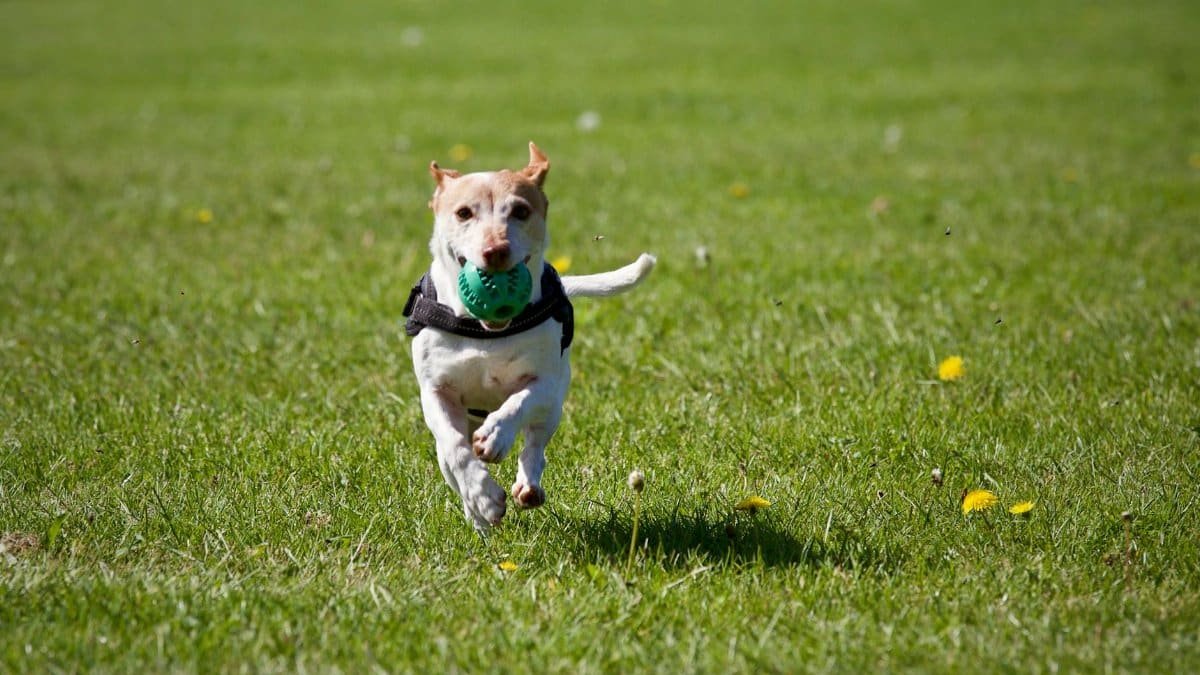
Picture a dog bounding across a Golden Gate Park lawn, retrieving a ball with unbridled enthusiasm. This fetch behavior isn’t just exercise; it’s a stress-busting ritual that engages both pet and owner in rhythmic play. According to a report from the Centers for Disease Control and Prevention, activities like this promote physical activity, which in turn reduces anxiety. In California’s varied landscapes, from mountain trails to desert expanses, fetch becomes a way to unplug from digital overload. Owners often find themselves laughing at the dog’s antics, a natural antidote to the seriousness of adult life.
The beauty lies in its spontaneity. A quick game after dinner can shift the mood, as the dog’s focus pulls the human into the present. One middle-aged Californian recalled how, during a period of job uncertainty, these sessions provided clarity, the repetitive motion mirroring a meditative practice. It’s a reminder that joy can be simple, woven into the fabric of routine without much effort.
3. Alert Barking for Awareness

Sometimes, a dog’s bark serves as more than noise; it’s a signal that heightens awareness, pulling owners out of rumination. In neighborhoods across Sacramento, where suburban calm meets occasional disruptions, this behavior acts as a gentle nudge back to the environment. Studies from the American Psychological Association suggest that such alerts can foster mindfulness, interrupting cycles of worry. It’s not about fear, but about presence, turning a potential stressor into an opportunity for engagement.
Of course, context matters. A bark at a passing squirrel might spark a shared laugh, diffusing tension. This dynamic illustrates how dogs mirror our needs, their vocalizations a bridge to calmer states. Reflecting on this, it’s clear why so many in California’s fast-paced cities value this trait, using it to recalibrate during hectic days.
4. Calming Licking

When a dog licks a hand or face, it’s often dismissed as mere affection, but in truth, it can soothe frayed nerves. This behavior triggers endorphin release, as outlined in research from Purdue University’s Center for the Human-Animal Bond. Amid California’s sunny but demanding vibe, from tech hubs to agricultural valleys, owners lean into these moments for quick relief. It’s like a mini spa treatment, the rhythmic action easing mental clutter.
Integrating this requires trust, allowing the dog to express care naturally. One story comes to mind of a Fresno resident who, after a tough harvest season, found solace in her dog’s gentle licks during evening unwinds. Such anecdotes highlight the emotional depth, showing how these behaviors reduce stress by fostering intimacy in unexpected ways.
5. Tail Wagging Greetings
Nothing quite matches the enthusiasm of a dog’s tail wag upon reunion, a burst of positivity that can reset a sour mood. This greeting ritual, common in homes from Eureka to San Diego, signals unwavering loyalty. A study published in the journal Applied Animal Behaviour Science links it to reduced heart rates in observers, underscoring its calming effect. In California’s culture of constant movement, these wags serve as anchors, pulling people back to joy.
The wag varies—slow and steady for comfort, rapid for excitement—but always communicates acceptance. It’s a behavior that reminds us of simpler connections, cutting through the noise of daily grind with pure, unfiltered happiness.
6. Quiet Companionship During Walks
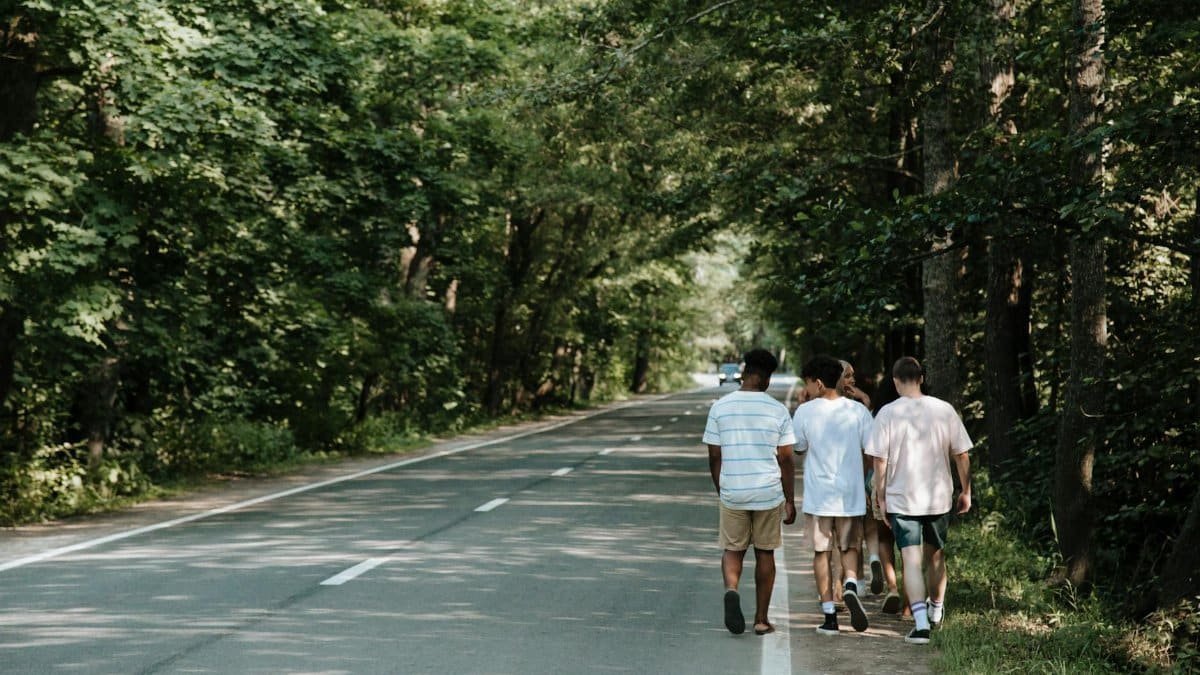
Strolling with a dog in silence, perhaps along Big Sur’s cliffs, offers a form of companionship that words can’t match. This walking behavior encourages reflection without pressure, as dogs match pace intuitively. Insights from the National Institutes of Health point to lower stress markers in pet walkers, tying into California’s outdoor ethos. It’s about shared space, where the dog’s presence absorbs ambient worries.
These walks build over time, evolving into rituals that clear the mind. Imagine a Bay Area professional decompressing after deadlines, the dog’s steady trot a metronome for thoughts. Such experiences weave calm into the routine, proving that stillness with a companion can be profoundly restorative.
7. Protective Stance

Dogs often adopt a watchful pose, standing guard in subtle ways that instill a sense of safety. In earthquake-prone regions like the Bay Area, this protective behavior reassures owners subconsciously. Behavioral experts note it fosters security, reducing underlying anxieties. It’s not aggression, but a quiet vigilance that says, “I’ve got your back.”
This stance shines in uncertain times, like during wildfire evacuations, where the dog’s calm demeanor steadies nerves. Owners report feeling more grounded, the behavior a silent pact of mutual care.
8. Nuzzling for Comfort

A dog’s nuzzle against an arm or leg seeks and provides comfort, a tactile reminder of connection. This behavior, prevalent in California’s pet-friendly cafes, aligns with findings on touch therapy’s benefits. It softens edges of isolation, common in sprawling suburbs.
Nuzzling invites reciprocity, strengthening bonds. One narrative described a retiree in Palm Springs finding peace through these interactions, turning solitary afternoons into shared serenity.
9. Playful Rolling

Watching a dog roll joyfully on grass evokes laughter, a direct hit against stress. In parks across the state, this rolling behavior lightens atmospheres, encouraging owners to join in playfulness. It’s a visual cue for letting go, backed by animal welfare studies.
The act is infectious, sparking moments of abandon that refresh perspectives. In California’s vibrant communities, it becomes a gateway to lighter living.
10. Deep Sighing in Relaxation

When a dog sighs deeply while settling down, it mirrors human exhalation, inviting shared relaxation. This sighing behavior, observed in cozy California homes, signals contentment that humans mimic unconsciously. Research ties it to synchronized breathing patterns, easing collective stress.
It’s a subtle cue, often overlooked, yet powerful in fostering tranquility. As evenings wind down, this shared rhythm caps the day, embodying how dogs intuitively guide us toward peace.