
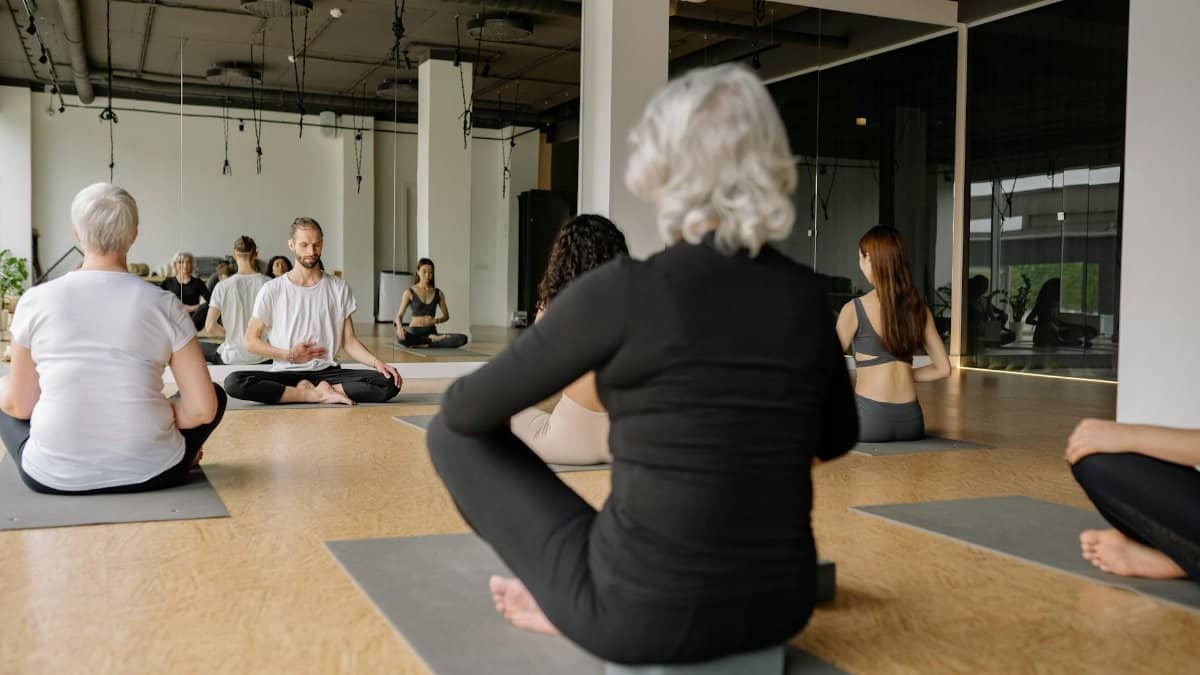
New data shows 68% of American families are now integrating community wellness habits into their daily lives, up from 45% just five years ago. This surge in shaping families through community ties is reshaping how households prioritize health and connection. From group fitness sessions to neighborhood support networks, these practices offer emotional grounding amid modern stresses. As we head into 2025, experts say they’re key to building resilient family units. But what exactly are these habits, and how do they work?
1. Neighborhood Walking Groups
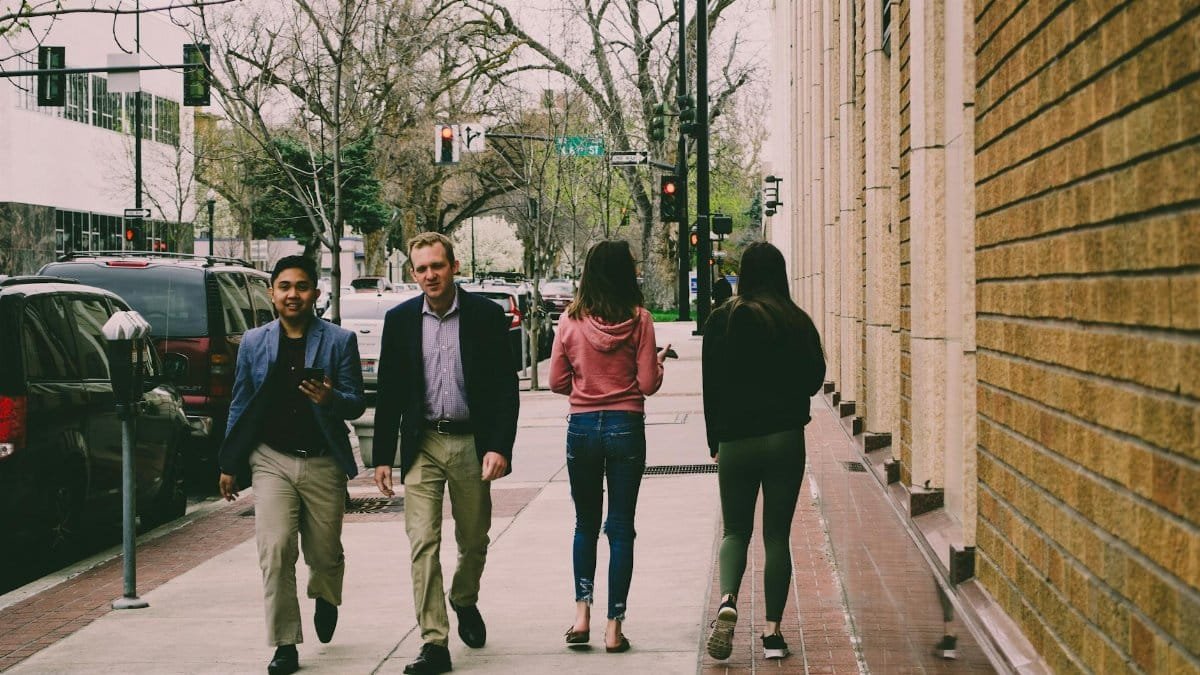
Families across the U.S. are lacing up their sneakers for regular neighborhood walks. These groups turn simple strolls into social events, fostering bonds while boosting physical health. In suburbs like those in Austin, Texas, parents report stronger community ties after joining. A study from the CDC highlights how such activities reduce stress and improve mental well-being. Kids learn social skills early, and adults find accountability in group settings. It’s a low-cost way to shape family routines around collective movement.
2. Community Gardening Projects
Planting roots in shared gardens is blooming as a top habit. Families team up to grow veggies, teaching sustainability and nutrition. In cities like Seattle, these plots double as therapy sessions, with participants sharing life stories amid the soil. Research from the American Community Gardening Association shows participants eat healthier and feel more connected. For modern families, it’s about harvesting more than produce, it’s building lasting neighborhood relationships that support emotional health.
3. Local Volunteer Drives

Volunteering as a family unit is gaining traction. From food banks to clean-up events, these efforts instill empathy in children while strengthening adult networks. A Pew Research Center report notes that 55% of volunteers feel happier post-activity. In places like Chicago, families coordinate through apps to join drives, turning service into a habit that shapes community spirit. It’s practical wellness, blending purpose with social interaction for all ages.
4. Shared Meal Potlucks
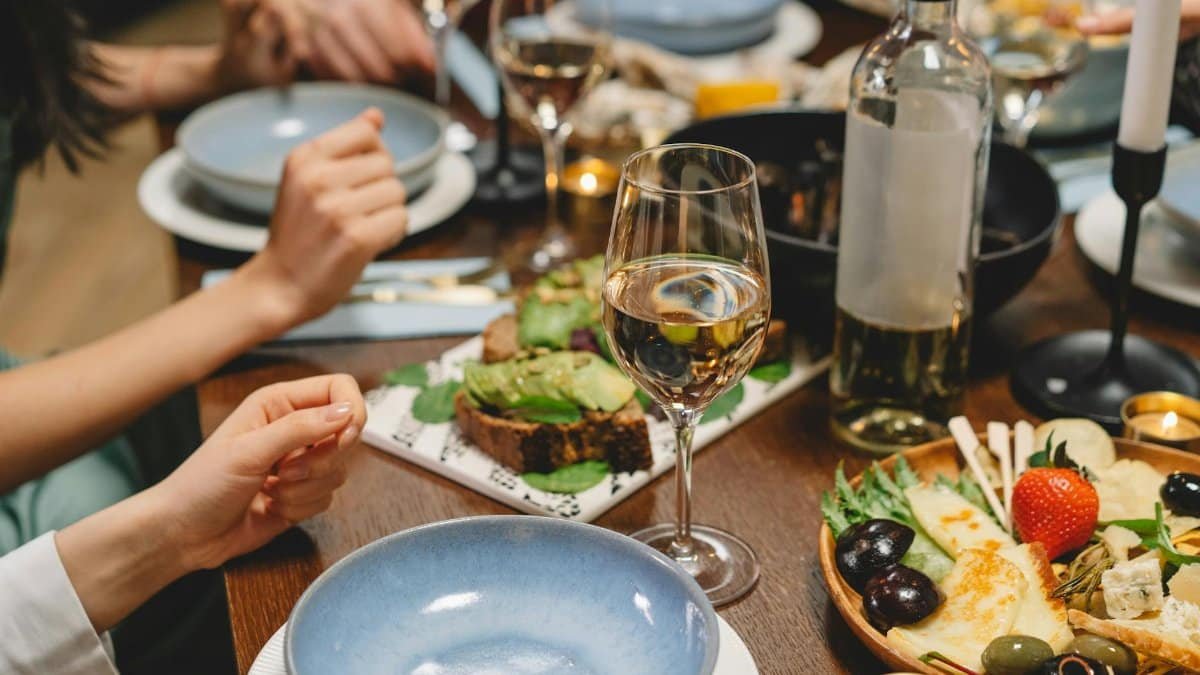
Potluck dinners are making a comeback, encouraging families to share home-cooked meals. This habit promotes cultural exchange and combats isolation. In diverse areas like New York City, neighbors rotate hosting, creating a web of support. According to a study linked on the Harvard T.H. Chan School of Public Health site, communal eating boosts mood and nutrition. Families find it shapes their sense of belonging, one dish at a time.
5. Fitness Classes in Parks

Outdoor yoga or boot camps in local parks draw families together. These free or low-cost sessions make exercise accessible and fun. In sunny spots like Los Angeles, entire households participate, from toddlers to grandparents. Data from the National Recreation and Park Association indicates improved family cohesion through such activities. It’s a direct path to physical wellness, with the added bonus of fresh air and new friendships shaping daily life.
6. Book Clubs for All Ages

Community book clubs aren’t just for adults anymore. Families join mixed-age groups to discuss reads, sparking intellectual growth. In towns like Boston, libraries host these, leading to deeper conversations. A report from the Pew Research Center shows reading groups enhance empathy and reduce screen time. This habit shapes families by encouraging lifelong learning and communal dialogue.
7. Mental Health Support Circles

Informal support groups for mental health are emerging in communities. Families share experiences in safe spaces, reducing stigma. In progressive areas like San Francisco, these circles include professional facilitators. Studies from the National Institute of Mental Health emphasize the benefits of peer support. It’s transforming how families handle stress, fostering resilience through shared vulnerability and advice.
8. Eco-Friendly Neighborhood Challenges
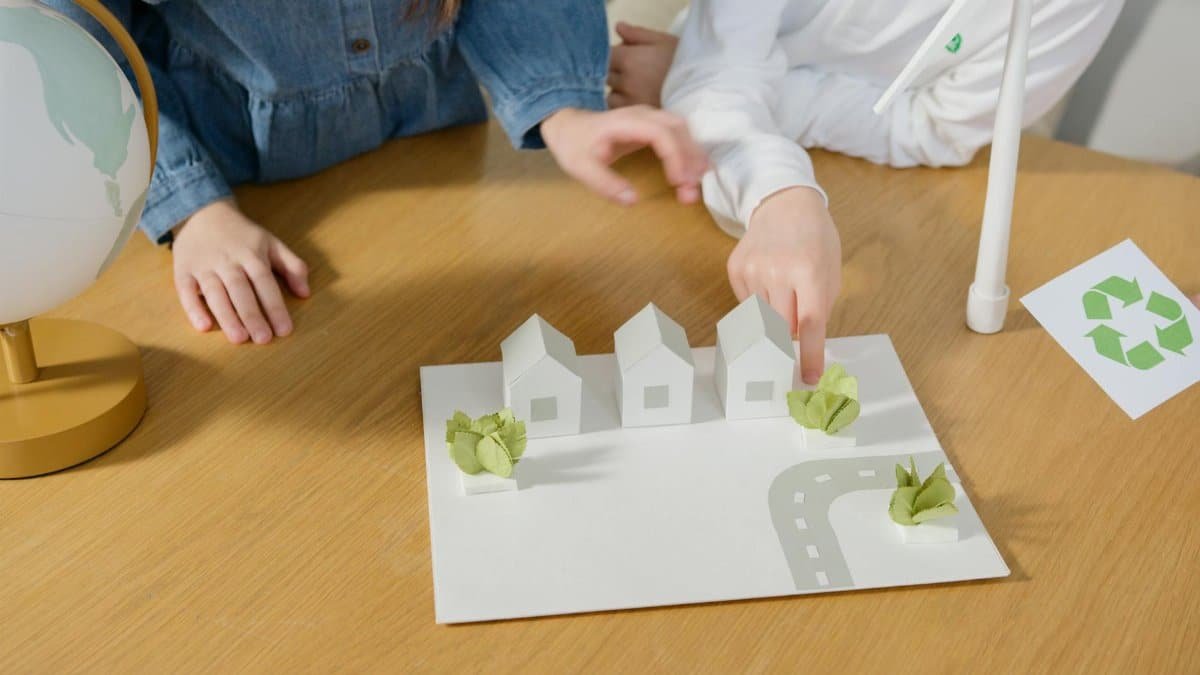
Challenges like zero-waste months engage families in green living. Communities compete lightly, tracking progress via shared apps. In eco-conscious Portland, Oregon, this builds accountability and environmental awareness. EPA data supports how such initiatives cut household waste by up to 20%. Shaping families around sustainability, it instills values that last generations.
9. Intergenerational Storytelling Nights

Elders and youth gather for storytelling sessions, preserving histories. These events bridge gaps in multigenerational families. In rural spots like those in the Midwest, they happen at community centers. Research from AARP indicates stronger family bonds from oral traditions. It’s a wellness habit that heals through narratives, connecting past and present.
10. Digital Detox Meetups

Groups pledge screen-free hours together, opting for board games or hikes. This counters tech overload in modern life. In tech hubs like Silicon Valley, families use these to reconnect offline. A study summarized on the American Psychological Association site links reduced screen time to better sleep and relationships. As a final habit shaping families and community, it promotes mindful presence in 2025’s digital age.