

In a fast-paced world, stress hits hard, but your body often waves red flags before a full breakdown. New data from the American Psychological Association shows 77% of Americans experience physical symptoms from stress, up from last year. These clues, sends, under pressure can be subtle, yet ignoring them risks bigger health woes. From headaches to gut issues, recognizing these signals early can restore balance and boost mood in 2025’s demanding landscape.
1. Persistent Headaches

Stress tightens muscles, sparking tension headaches that pound relentlessly. Experts note these often strike during high-pressure workdays, mimicking migraines without the nausea. A study by the Mayo Clinic links chronic stress to increased headache frequency. If you’re popping pills daily, it might be your body’s cry for relief. Simple fixes like deep breathing can ease the vice grip. For more, check the Mayo Clinic on tension headaches.
2. Digestive Upset

Your gut reacts fast to stress, churning out discomfort like bloating or cramps. This stems from the brain-gut axis, where anxiety disrupts digestion. Research indicates stressed individuals report more IBS-like symptoms. Skipping meals under duress worsens it, leading to irregular bowels. Hydration and fiber help, but persistent issues warrant a doctor’s visit. The National Institute of Diabetes and Digestive and Kidney Diseases details this connection in their resources.
3. Fatigue That Won’t Quit

Even after rest, stress drains energy reserves, leaving you wiped out. Adrenaline surges keep you wired, but crashes follow. A 2025 survey by Gallup found 40% of workers cite stress as their top fatigue cause. This clue signals overload, potentially leading to burnout. Prioritize sleep hygiene to recharge. For insights, see CDC on workplace fatigue.
4. Skin Breakouts

Stress hormones like cortisol ramp up oil production, clogging pores and causing acne flares. Dermatologists see this in high-stress periods, with rashes or hives as bonuses. It’s not just vanity; it points to internal turmoil. Gentle skincare and stress management curb outbreaks. The American Academy of Dermatology offers tips on stress-related skin woes.
5. Muscle Tension and Pain
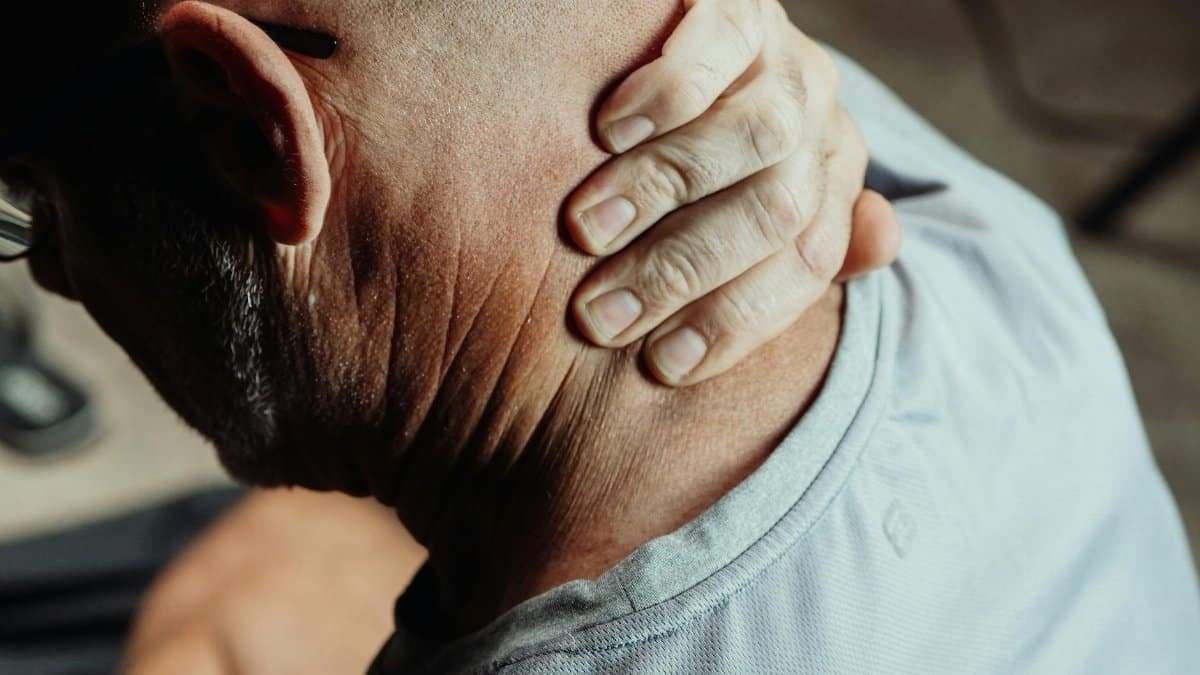
Shoulders hunched, jaw clenched? That’s stress locking in tightness, often leading to back or neck pain. Physical therapists report this as a common complaint in stressed clients. Over time, it can cause posture issues. Stretching routines provide quick relief. Studies from Harvard Medical School emphasize relaxation techniques to unwind these knots.
6. Sleep Disruptions

Tossing and turning? Stress hijacks sleep cycles, causing insomnia or fragmented rest. The body sends this clue through racing thoughts at bedtime. Data from the Sleep Foundation shows stressed adults average two hours less sleep nightly. Establishing a wind-down ritual combats it. Persistent problems might need professional help to restore balance.
7. Appetite Changes

Under pressure, some binge on junk, others lose hunger entirely. This stems from hormonal shifts affecting metabolism. Nutritionists warn it can lead to weight fluctuations and nutrient gaps. Mindful eating helps stabilize. A report by the NIH explores how stress alters eating behaviors, offering strategies for control.
8. Frequent Illness

Stress weakens immunity, making you prone to colds or infections. Cortisol suppresses immune responses, leaving defenses down. Healthcare pros note higher sick days among stressed populations. Boosting with exercise and vitamins fortifies. The CDC’s guide on stress and health underscores this link, with prevention advice.
9. Mood Swings

Irritability spikes under stress, turning minor annoyances into blowups. This emotional clue reflects brain chemistry imbalances. Therapists see it in clients juggling demands. Journaling or therapy smooths edges. Research from the American Psychological Association tracks how stress fuels mood disorders in 2025 trends.
10. Hair Loss

Excessive shedding? Stress can push hair follicles into rest mode, causing telogen effluvium. It’s temporary but alarming. Endocrinologists link it to prolonged pressure. Scalp care and stress reduction promote regrowth. For details, refer to NIH on telogen effluvium.
Spotting these clues the body sends under pressure empowers better stress management. In 2025, with rising demands, tuning into these signals prevents escalation. Experts urge proactive steps like mindfulness to maintain mood and balance.