
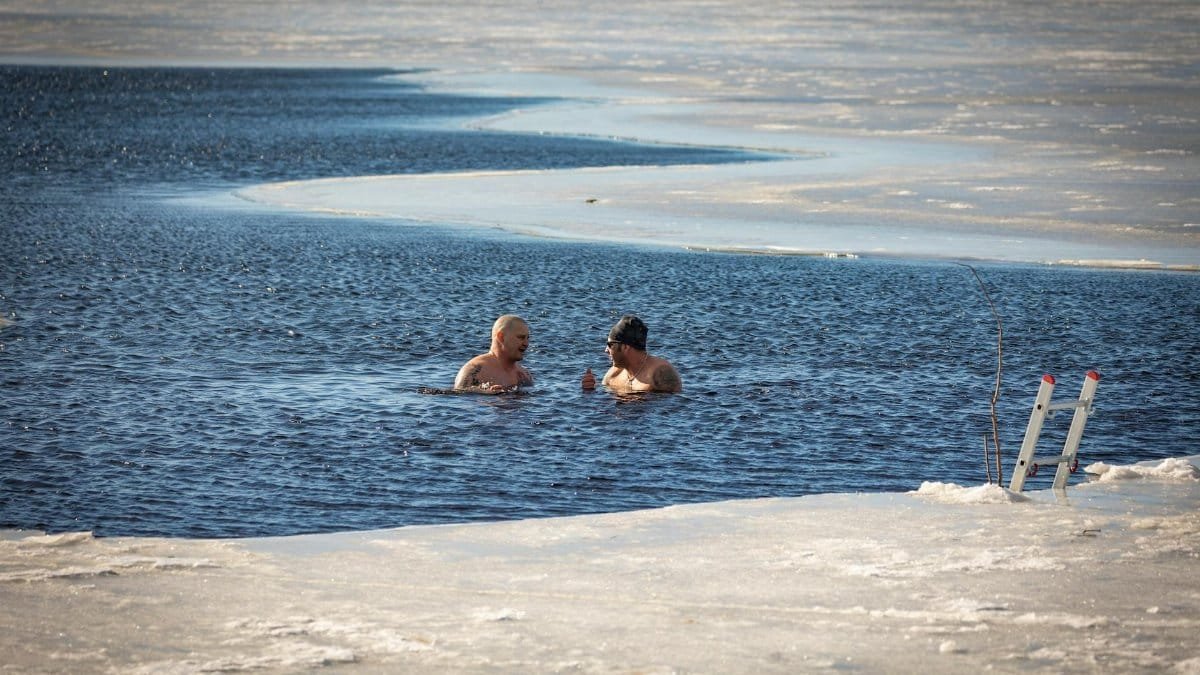
Imagine standing at the edge of a frozen lake, the air biting at your skin, as you prepare to plunge into icy water. For many, this scene might seem like madness, yet a growing number of Americans are embracing such moments in pursuit of cold therapy benefits. From athletes to wellness enthusiasts, people are turning to cold plunges, ice baths, and even cryotherapy chambers, driven by promises of physical and mental renewal. What was once a niche practice, often tied to extreme sports recovery, has seeped into mainstream health culture in 2025. But beyond the shiver, what does science say? Recent clinical trials offer compelling evidence that this chilling trend isn’t just hype. There’s real substance behind the cold, touching everything from inflammation to mood. Let’s unpack ten distinct benefits, grounded in the latest research, that might just convince you to take the plunge.
1. Reducing Inflammation and Pain

Cold therapy has long been a go-to for soothing aching muscles after a tough workout, but recent studies confirm its deeper impact on inflammation. When exposed to cold, blood vessels constrict, slowing blood flow to inflamed areas and reducing swelling. A 2021 study from the National Institutes of Health found that ice baths significantly lowered markers of systemic inflammation in athletes post-exercise. For middle-aged adults dealing with chronic pain—say, from arthritis—this could mean less reliance on over-the-counter meds. Picture a weekend warrior, wincing from knee pain after a long hike, finding relief in a 10-minute cold soak. It’s not just anecdotal; the data backs it up, showing cold therapy as a practical tool for managing discomfort without invasive measures.
2. Boosting Muscle Recovery

Athletes swear by ice baths for recovery, and science is catching up to their intuition. Cold therapy helps flush out metabolic waste like lactic acid from muscles after intense activity. Research published in the Journal of Strength and Conditioning Research in 2019 showed that cold water immersion reduced muscle soreness by up to 20% in the 48 hours following strenuous exercise. This isn’t just for pros. Anyone pushing their limits at the gym or during a weekend run can benefit. The cold acts like a reset, calming overworked tissues and prepping the body for the next challenge. It’s a small, frigid investment for faster bounce-back.
3. Enhancing Mental Resilience

Stepping into an ice bath isn’t just a physical test; it’s a mental gauntlet. The shock of cold forces focus, demanding you breathe through discomfort. Studies, including one from the Frontiers in Physiology journal in 2020, suggest that regular cold exposure can build psychological resilience by activating the body’s stress response in a controlled way. Over time, this can make everyday stressors feel more manageable. One person, reflecting on their cold plunge routine, noted feeling “unshakable” facing work deadlines after weeks of icy mornings. For many in 2025, with stress levels often spiking, cold therapy offers a gritty, tangible way to toughen the mind.
4. Improving Mood and Reducing Anxiety

Beyond resilience, cold therapy benefits extend to emotional well-being. The jolt of cold triggers a release of endorphins, the body’s natural “feel-good” chemicals. A study conducted by researchers at NIH and published in 2022 found that participants who engaged in regular cold exposure reported lower anxiety scores after just two weeks. It’s not hard to see why. The sharp focus required to endure the chill can pull you out of a mental spiral, grounding you in the moment. For those grappling with the weight of daily life, a quick cold shower might serve as a reset button, lifting the fog of worry, even if temporarily.
5. Supporting Immune Function

Could a daily dose of cold strengthen your body’s defenses? Emerging research says yes. Cold exposure may stimulate the production of white blood cells, key players in fighting off infections. A 2016 study from the PLOS One journal observed that people who took cold showers daily reported fewer sick days compared to a control group. While it’s not a substitute for vaccines or good hygiene, this suggests cold therapy could be a complementary habit, especially during flu season. Think of it as a low-cost, low-effort boost to keep pesky colds at bay as winter rolls in.
6. Enhancing Circulation
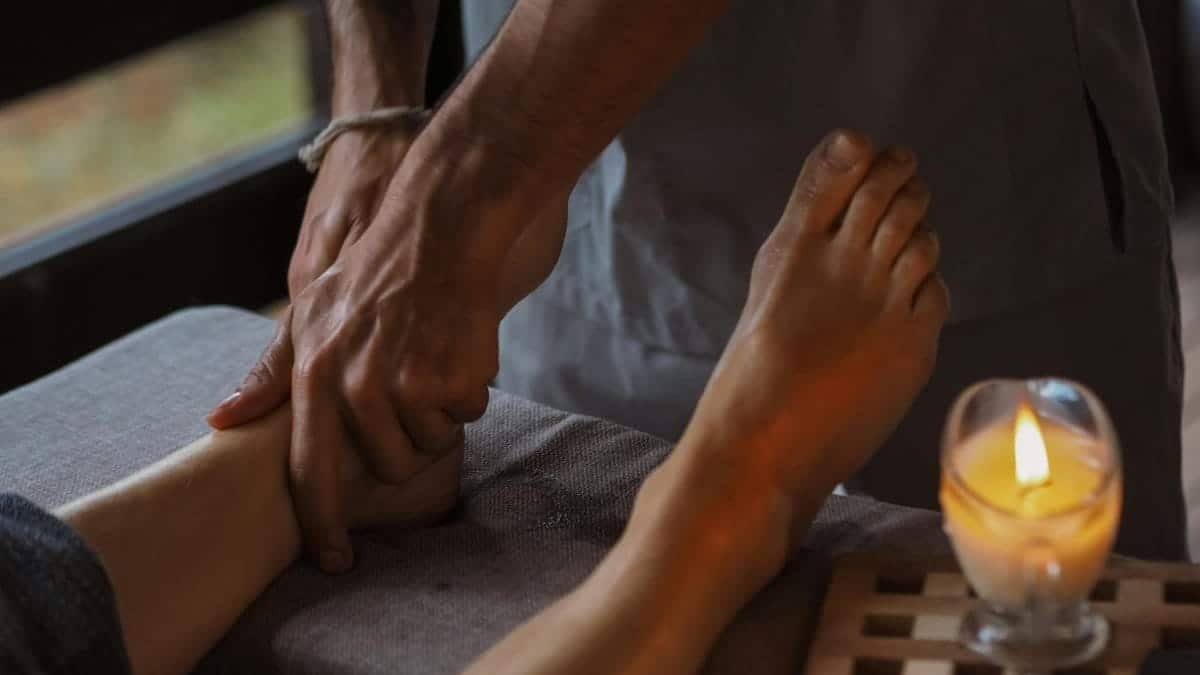
Cold therapy does odd things to your blood vessels—first constricting them, then prompting a rush of blood as your body warms back up. This push-and-pull can improve overall circulation over time. Research out of the National Center for Biotechnology Information in 2022 highlighted how cold water immersion increased blood flow efficiency in healthy adults. Better circulation means more oxygen and nutrients reaching tissues, which is vital as we age. For someone sitting at a desk all day, a quick cold plunge could counteract sluggishness, invigorating the body from the inside out. It’s a hidden perk of the chill.
7. Promoting Better Sleep
Struggling to wind down at night? Cold therapy might help. Lowering your core body temperature through a cold shower or bath before bed mimics the natural drop that signals sleep readiness. A small 2020 trial cited by Sleep Foundation resources found that participants who took cold showers an hour before bed fell asleep faster and reported deeper rest. In a world of endless screen time and racing thoughts, this simple trick could be a game-changer. One online account described the post-cold calm as “like flipping a switch” to quiet the mind. It’s worth a try for restless nights in 2025.
8. Aiding Weight Loss Efforts
Cold therapy benefits may even touch metabolism. When exposed to cold, the body works harder to maintain its core temperature, burning calories in the process through a mechanism called thermogenesis. A study from the Nature Scientific Reports in 2019 found that cold exposure activated brown fat, a type of fat that burns energy, in adults. While it’s not a magic bullet for weight loss, it could complement diet and exercise. Imagine pairing a morning cold plunge with a brisk walk—small habits stacking up to support a healthier lifestyle over time.
9. Reducing Symptoms of Depression
The mental health angle of cold therapy keeps getting stronger with new findings. Cold exposure may influence brain chemistry, potentially easing depressive symptoms. A hypothesis explored in research archived by NCBI suggests that cold showers could stimulate the brain’s “blue spot,” a region linked to mood regulation. Participants in small trials have reported feeling lighter, more alert, after regular cold exposure. It’s not a cure, but for those navigating darker days, it might offer a spark of relief alongside traditional care. The idea of cold as a mood-lifter feels both ancient and cutting-edge.
10. Increasing Energy and Alertness

Finally, there’s the undeniable rush of a cold plunge. It’s like a shot of espresso without the jitters. The shock to the system spikes adrenaline, leaving you alert and energized. A 2021 study referenced in Frontiers in Psychology noted that cold water immersion improved focus and energy levels in participants within minutes. For middle-aged readers juggling work and family, swapping a mid-afternoon coffee for a quick cold shower could recharge the day. It’s raw, immediate, and oddly refreshing—proof that sometimes, discomfort is the best wake-up call.
As these ten benefits show, cold therapy isn’t just a passing fad. Backed by clinical trials, its advantages span body and mind, offering practical ways to tackle modern challenges. Whether it’s easing pain, lifting mood, or simply sharpening focus, the chill holds potential for many. Of course, it’s not for everyone—those with certain health conditions should consult a doctor before diving in. But for the curious, cold therapy benefits might just be the unexpected edge needed in 2025. So, next time you pass a tub of ice or hesitate at a cold shower knob, consider the science. A few bracing minutes could shift more than just your temperature.