
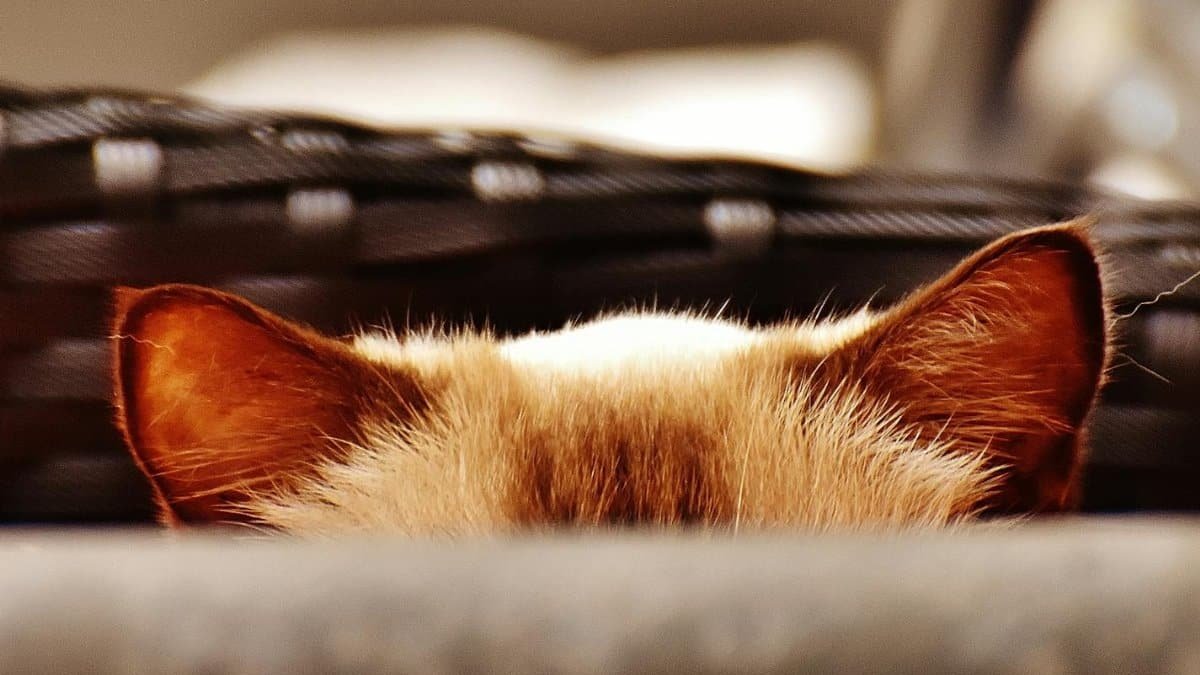
Did you know that over 70% of pet owners misread their animals’ stress cues, leading to unnecessary vet visits? That’s according to recent surveys from animal behavior experts. Understanding animal signals that reveal hidden tension can change that, helping you spot issues early and keep your furry friends calmer. In a world where pets are family, decoding these subtle signs isn’t just helpful—it’s essential for their well-being.
1. Tail Wagging Intensity
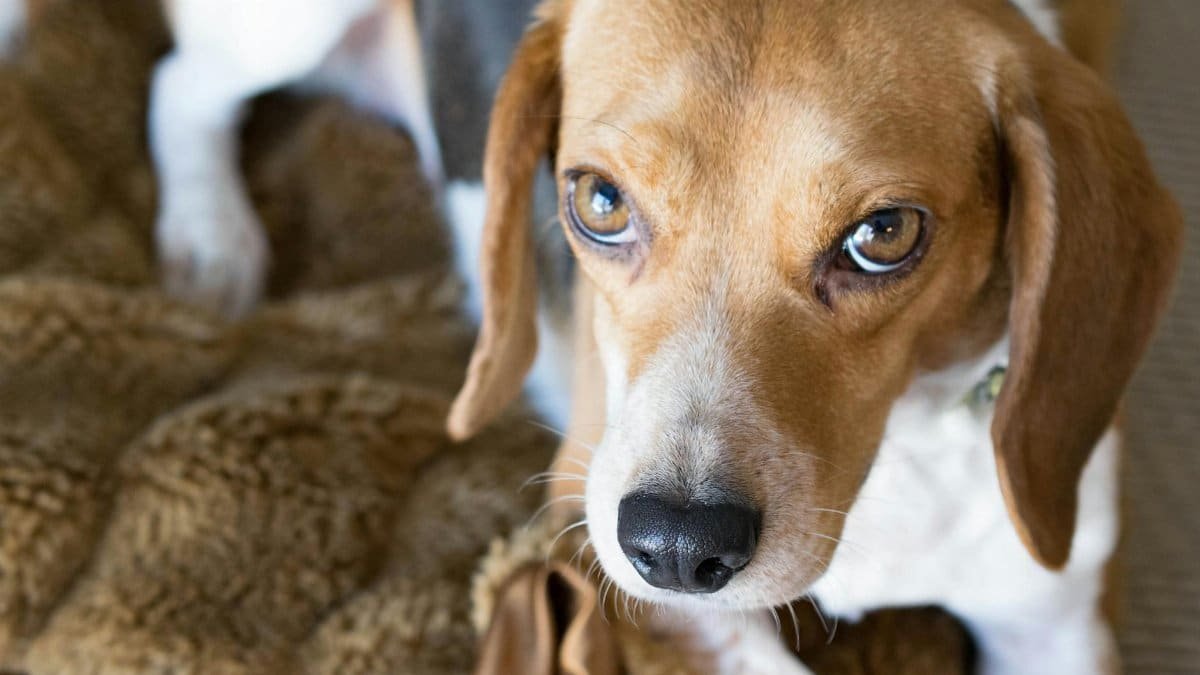
Dogs might wag their tails, but a stiff, rapid wag often screams tension. Unlike the loose, happy swings, this signal points to anxiety or aggression bubbling under the surface. Experts note it’s common in unfamiliar settings. If your pup’s tail looks more like a rigid flag than a joyful wave, step back and assess the environment. Calming techniques, like gentle petting, can help diffuse the stress.
2. Ears Pinned Back

Cats and dogs alike pin their ears flat against their heads when tension rises. This animal signal reveals discomfort or fear, often triggered by loud noises or strangers. A study from the American Veterinary Medical Association highlights how ignoring this can lead to bites or scratches. Watch for it during vet trips or family gatherings to intervene early with treats or a quiet space.
3. Whale Eye

When a dog shows the whites of its eyes, known as “whale eye,” it’s a clear red flag for stress. This glance happens when they’re guarding food or feeling cornered. Animal behaviorists link it to potential aggression if not addressed. To ease this, remove the stressor and offer positive reinforcement. It’s a subtle cue that savvy owners learn to spot quickly.
4. Lip Licking
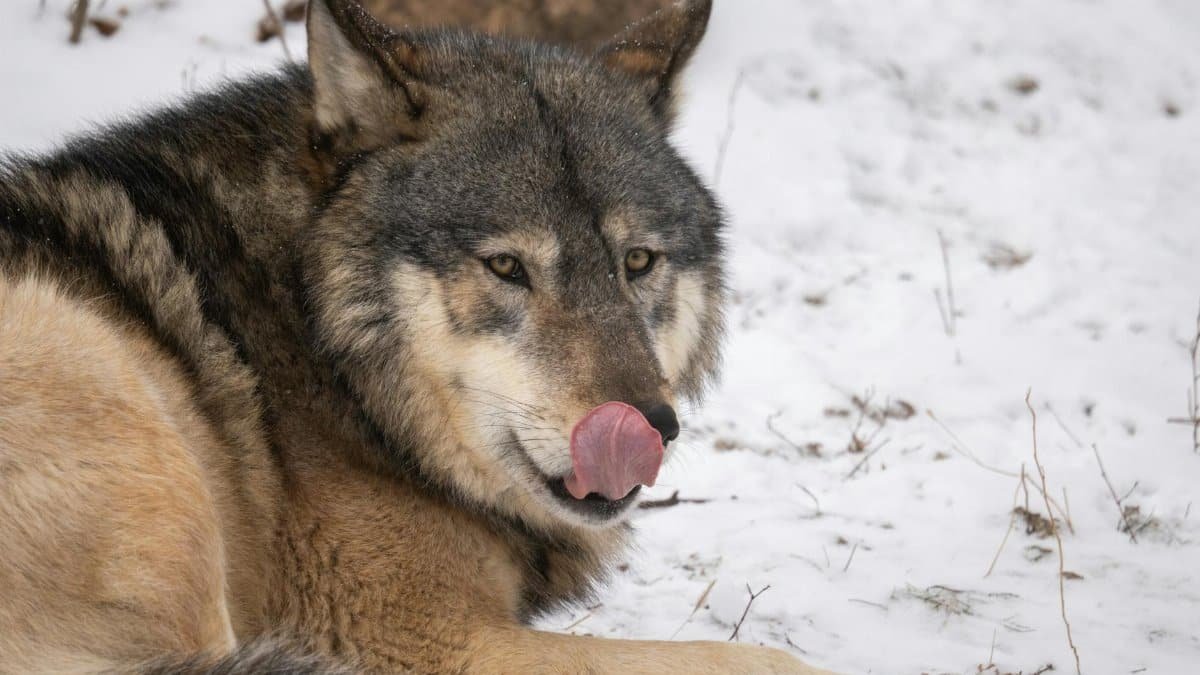
Excessive lip licking in dogs isn’t always about food—it’s often an animal signal that reveals unease. This calming signal, as described by renowned trainer Turid Rugaas, helps dogs self-soothe in tense situations. If your dog licks its lips around new people or during thunderstorms, provide comfort like a cozy blanket. Recognizing this prevents escalation into more serious behaviors.
5. Yawning
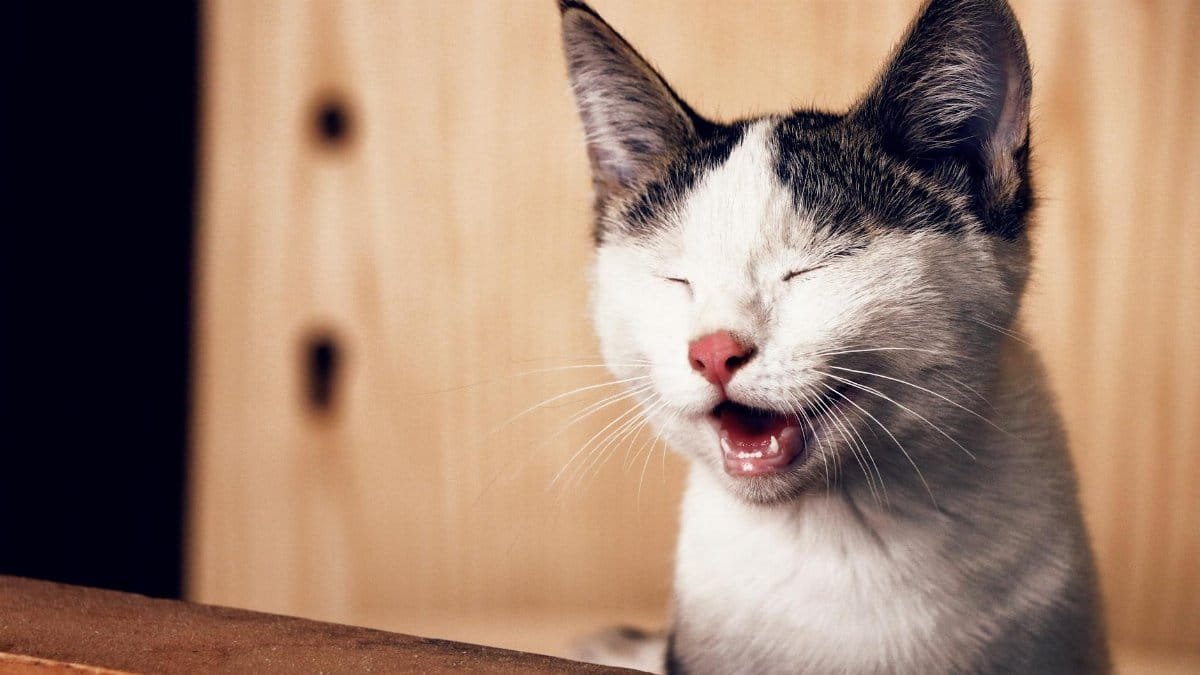
Yawning isn’t just for tiredness; in animals, it’s a tension revealer. Dogs yawn to calm themselves or others in stressful spots, per insights from the ASPCA. This signal pops up in crowded parks or during grooming. In 2025, with more urban pet living, spotting these yawns can improve daily interactions and reduce anxiety-related issues.
6. Piloerection

When a cat’s fur stands on end, or a dog’s hackles rise, it’s piloerection signaling fear or arousal. This physical response amps up their size to ward off threats. Vets report it’s common in multi-pet homes. To counter it, create separate spaces and monitor introductions. Understanding this animal signal reveals much about underlying conflicts.
7. Avoidance Behaviors

If your pet suddenly turns away or hides, it’s avoiding tension. Birds might fluff up and look away, while rabbits thump their feet. A report from the Humane Society notes these actions prevent fights. Offer hiding spots and reduce exposure to stressors like vacuum cleaners. It’s a key way animals communicate discomfort without aggression.
8. Vocalizations

Whining, growling, or hissing are vocal animal signals that reveal hidden tension. Dogs whine when anxious about separation, and cats hiss at perceived threats. Research from Cornell University’s College of Veterinary Medicine shows these sounds often precede bites. Listen closely and respond with reassurance to deescalate. In busy 2025 households, tuning into these can foster harmony.
9. Pacing or Restlessness

Restless pacing in animals like horses or dogs indicates pent-up tension. This behavior loops when they’re bored or stressed, leading to health issues if unchecked. Equine experts link it to stable confinement. Provide enrichment toys or more exercise to break the cycle. Spotting this signal early keeps animals healthier and happier.
10. Freezing in Place

When an animal suddenly freezes, it’s a freeze response to tension, often before fight or flight. Squirrels do it in the wild, and pets mimic it at home during fireworks. A study published in the Journal of Veterinary Behavior emphasizes its role in survival. To help, move them to a safe, quiet area. Mastering these animal signals that reveal tension builds stronger bonds.
For more on animal behavior, check out the ASPCA’s Animal Behavior Resources and insights from American Veterinary Medical Association’s Pet Owner Tools.