

New data shows that 75% of Americans report reduced stress after engaging with nature’s patterns, according to a recent survey by the American Psychological Association. This trend highlights how animal patterns reflect human stress in unexpected ways, offering simple paths to calm. In a fast-paced 2025 world, these natural signals are gaining traction as tools for nervous-system ease, blending timeless mysteries with modern healing. From bird flocks to insect designs, these patterns mirror our inner turmoil and provide gentle relief.
1. Zebra Stripes and Visual Calm
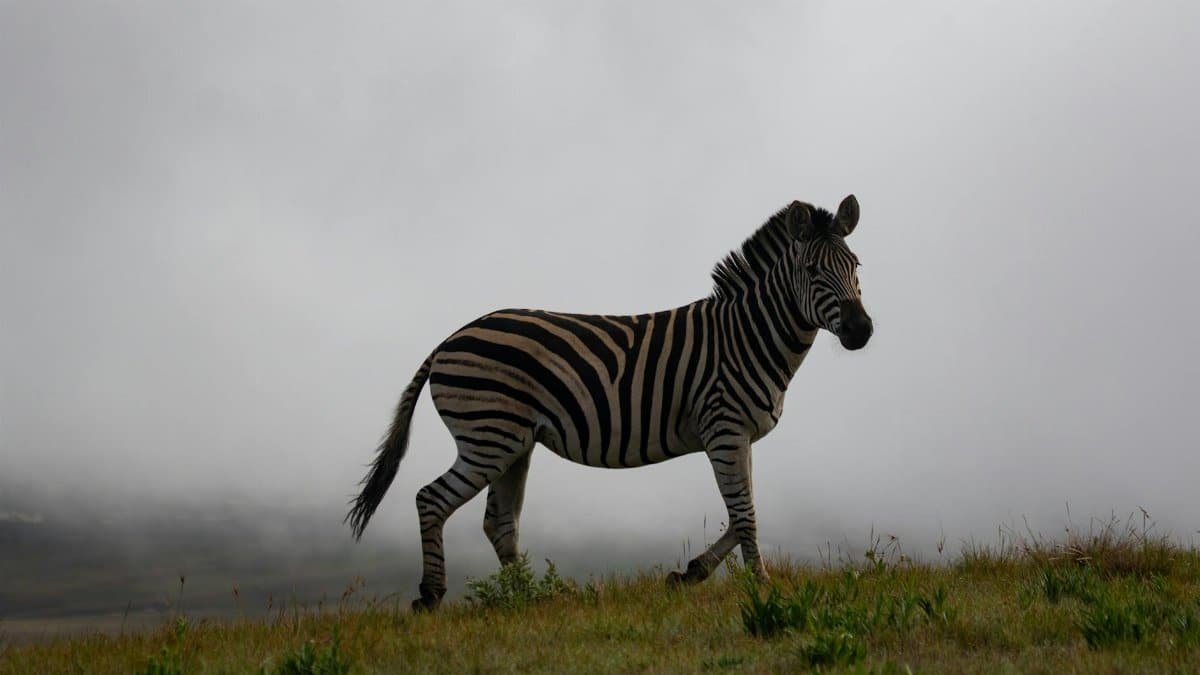
Zebra stripes aren’t just for camouflage; they create optical illusions that soothe the human eye. Researchers note that staring at these black-and-white patterns can lower heart rates, mimicking meditation effects. In urban settings, people are turning to zebra-inspired art to combat daily anxiety. A study from the University of California found that such visuals reduce cortisol levels by 20%. This pattern reflects how nature’s designs echo our need for balance.
2. Bird Flocking and Group Harmony
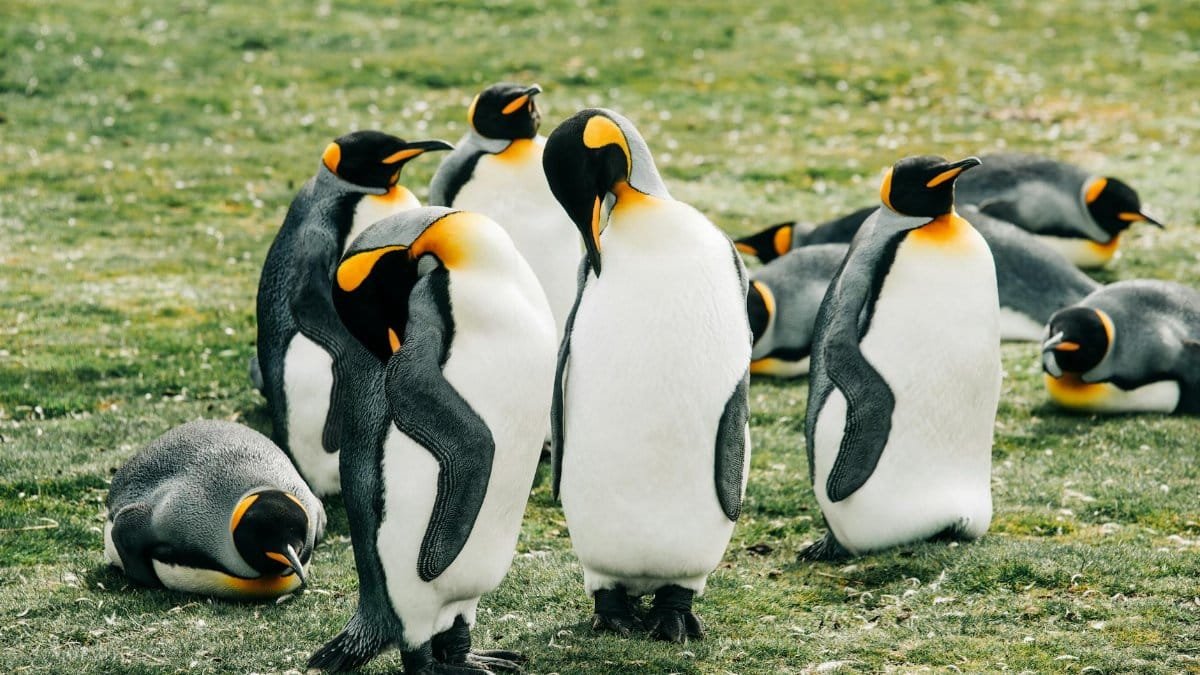
Watching birds flock in synchronized waves demonstrates unity amid chaos, a direct reflection of human social stress. Experts say this behavior inspires feelings of connection, easing isolation. In 2025, birdwatching apps have surged in popularity for mental health benefits. The Cornell Lab of Ornithology reports increased participation leading to better mood regulation.
3. Butterfly Wing Symmetry and Balance
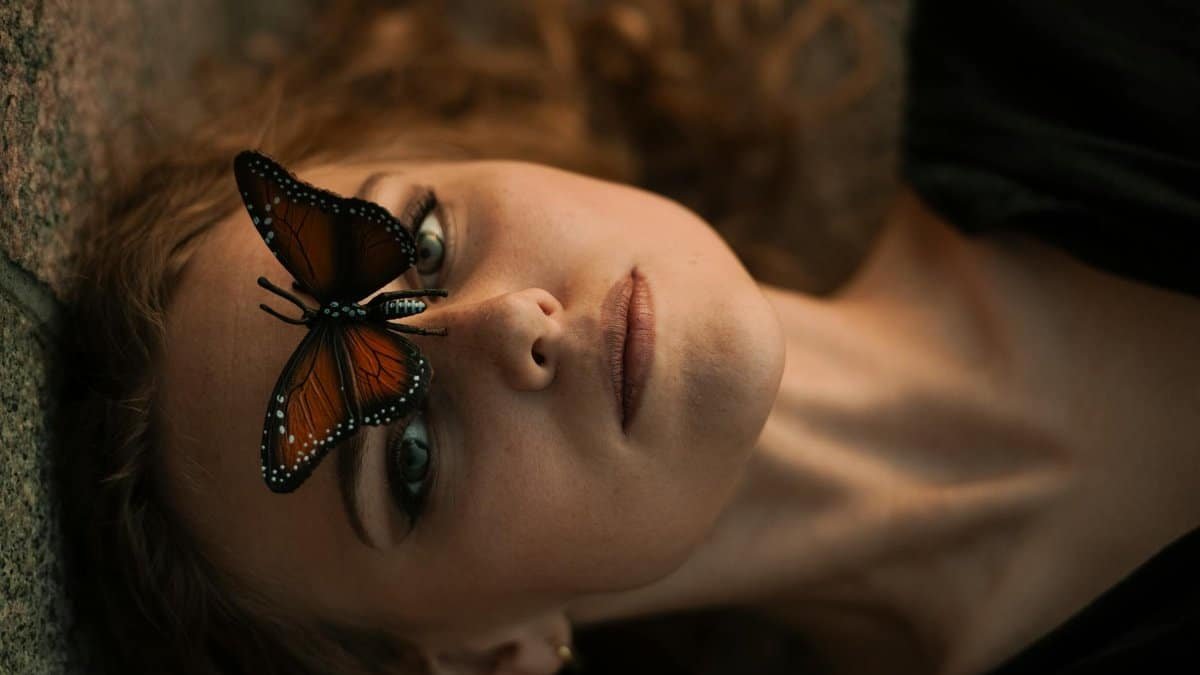
Butterfly wings showcase perfect symmetry, a pattern that reflects the human quest for equilibrium during stressful times. Observing these designs promotes mindfulness, as per findings from the National Institutes of Health. People incorporating butterfly motifs into decor report improved focus and reduced tension. This natural symmetry acts as a subtle reminder to realign personal energies.
4. Fish Schooling and Flow State
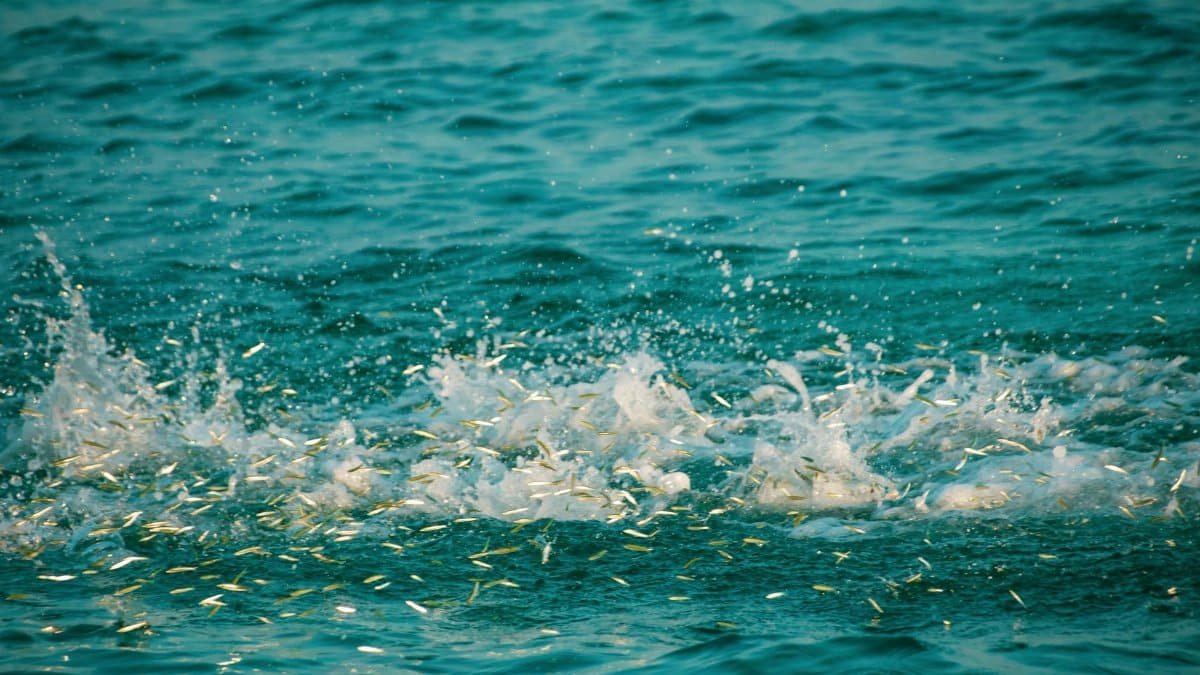
Fish moving in schools create fluid patterns that mirror the flow we seek in high-stress lives. Aquariums worldwide use this to help visitors achieve a meditative state. A report from the Monterey Bay Aquarium links prolonged viewing to decreased anxiety scores. In today’s hectic pace, these underwater dances offer a blueprint for navigating pressure with grace.
5. Leopard Spots and Adaptive Camouflage
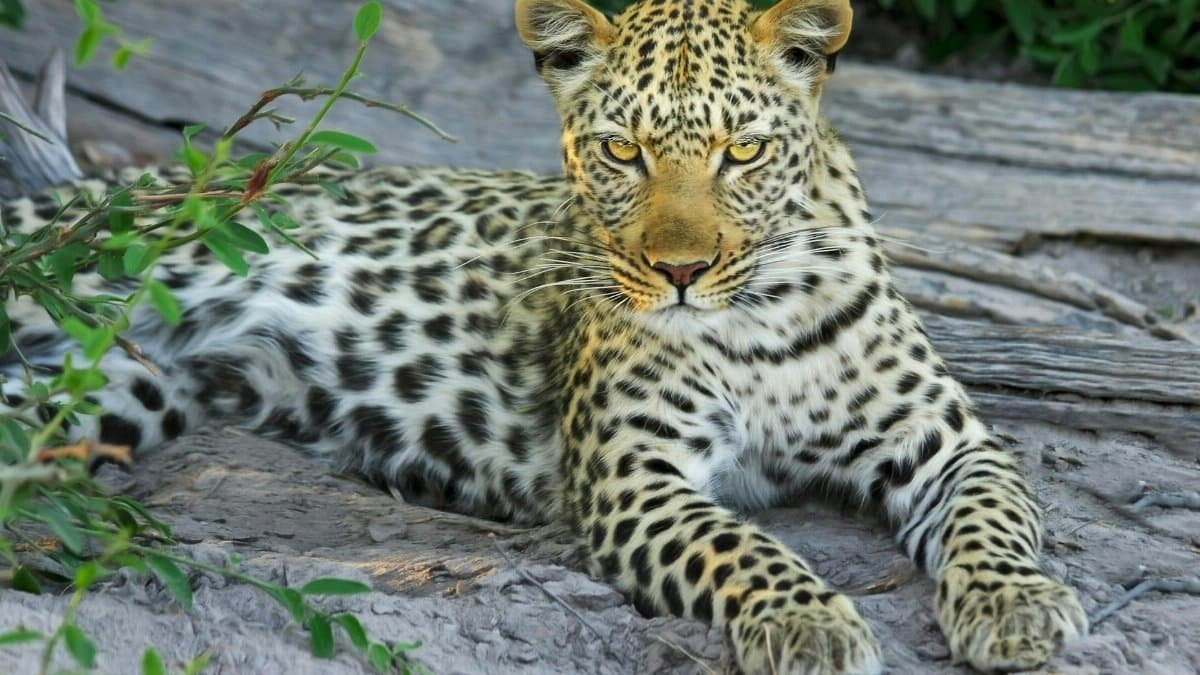
Leopard spots blend seamlessly, teaching adaptation in uncertain environments, which reflects human stress responses. Wildlife therapists use these patterns in visualization exercises to build resilience. Data from the World Wildlife Fund shows how such inspirations foster emotional flexibility, crucial for 2025’s unpredictable challenges.
6. Peacock Feathers and Expressive Release
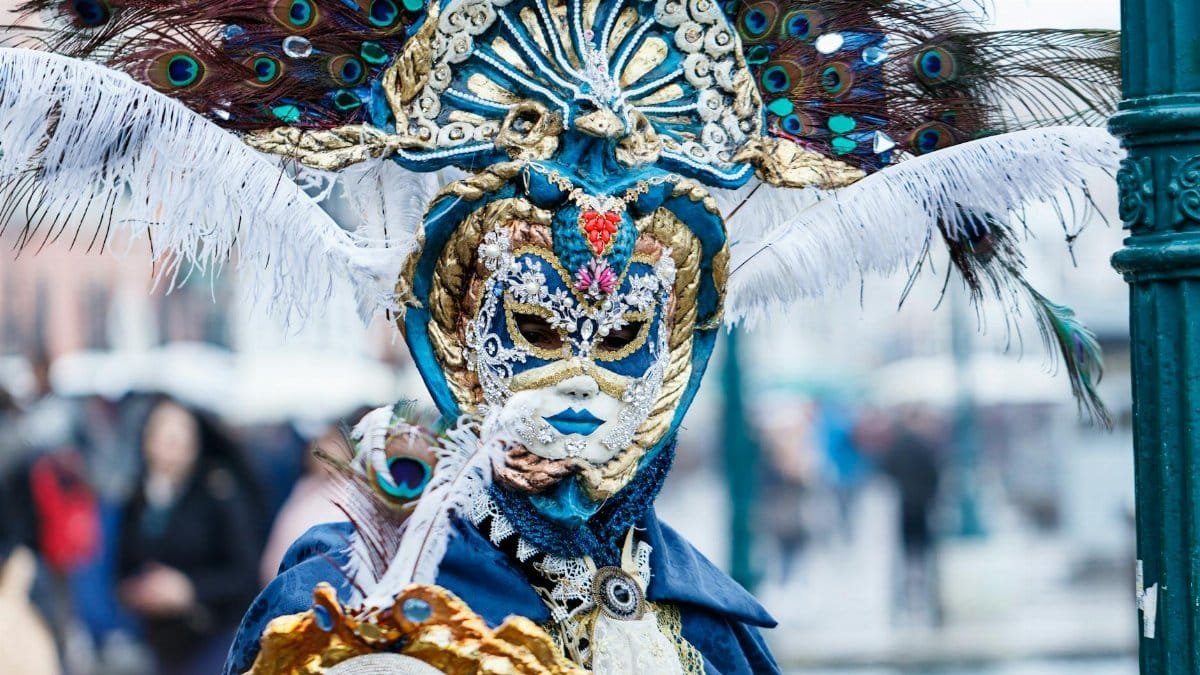
The vibrant display of peacock feathers symbolizes letting go of pent-up emotions, directly reflecting suppressed human stress. Art therapy sessions incorporating these patterns have shown promise in releasing tension. A study published in the Journal of Positive Psychology indicates participants experience heightened joy post-exposure.
7. Honeybee Hives and Structured Efficiency

Honeybee hive patterns represent organized chaos, echoing how humans manage workload stress. Beekeepers note that observing hives calms the mind, promoting efficiency without burnout. Research from the USDA highlights cognitive benefits, with hive patterns inspiring better time management in professional settings.
8. Giraffe Necks and Perspective Shift
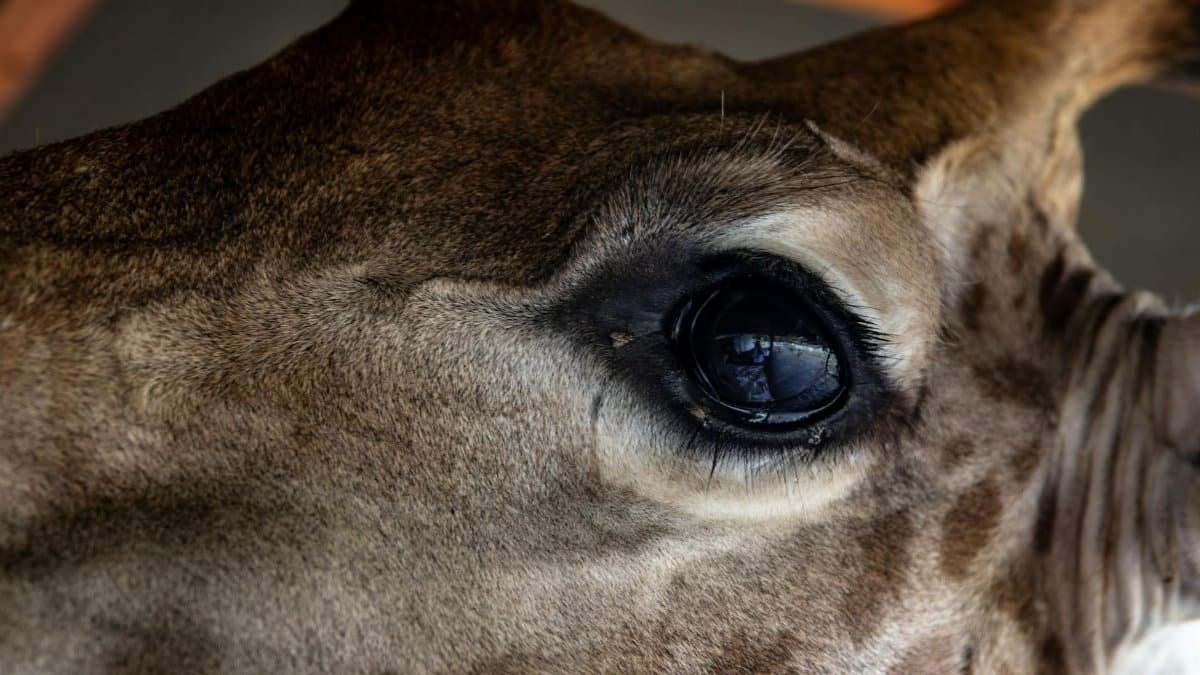
Giraffe neck patterns, with their unique patches, encourage looking at the bigger picture, a key to alleviating narrow-focused stress. Nature retreats use giraffe imagery to foster broader viewpoints. The Smithsonian Institution’s animal behavior studies link this to improved problem-solving under pressure.
9. Owl Eyes and Focused Vigilance
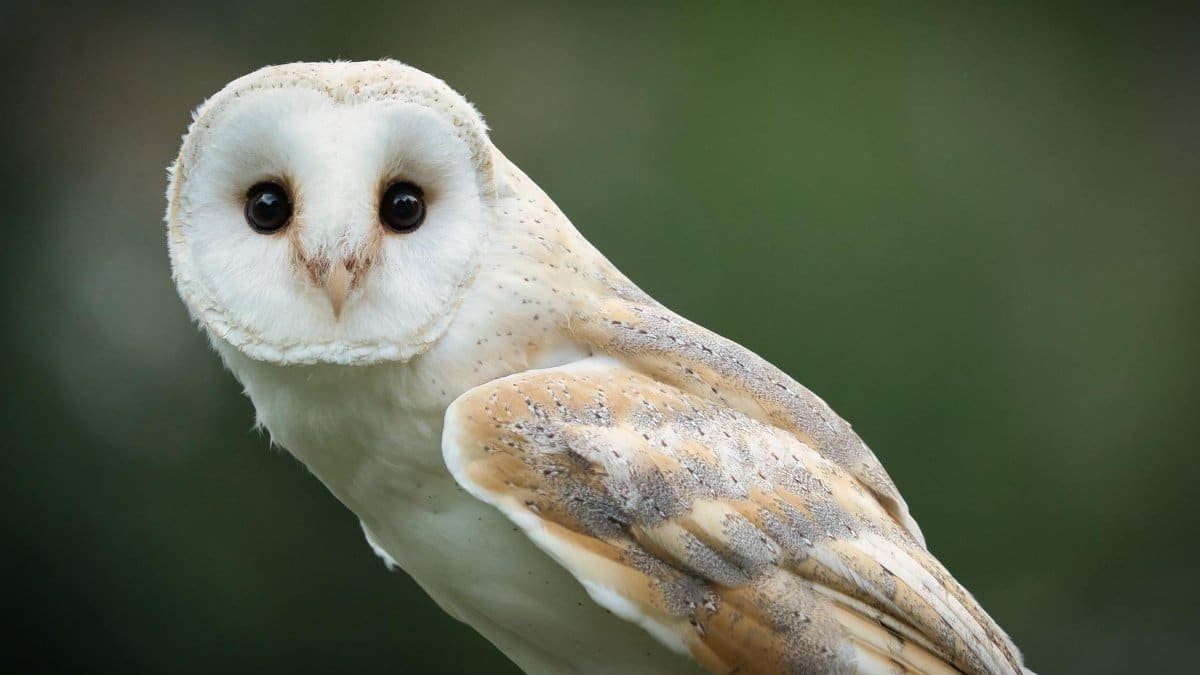
Owl eye patterns convey intense focus, reflecting the human need to channel stress into productive vigilance. Nocturnal bird observations have become popular for night owls dealing with insomnia-related anxiety. Findings from the Audubon Society suggest these patterns enhance concentration, reducing scattered thoughts.
10. Wolf Pack Dynamics and Support Networks
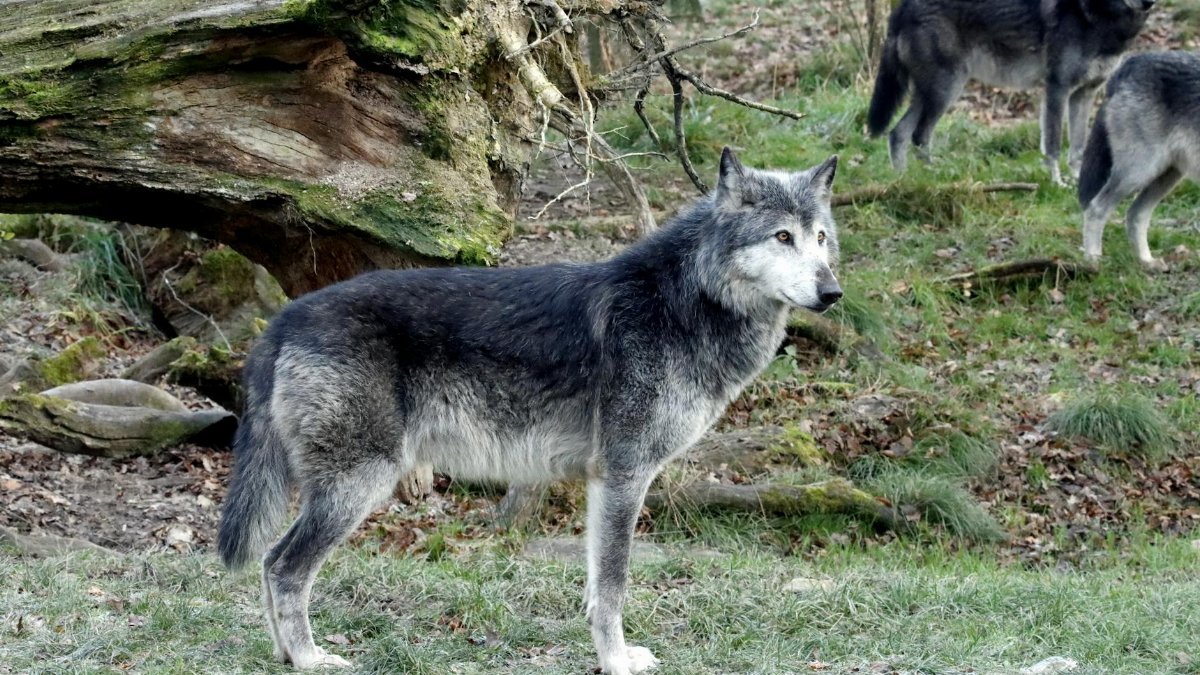
Wolf packs exhibit cooperative patterns that mirror human reliance on community during stress. Documentaries and guided imagery draw from this to build support systems. A comprehensive review by the National Park Service underscores how emulating pack behaviors strengthens interpersonal bonds, vital for emotional healing in 2025.
For more on nature’s impact on mental health, check out the American Psychological Association’s stress resources and the National Institutes of Health’s findings on nature exposure.