

A recent study from the American Psychological Association revealed that 68% of U.S. adults report feeling overwhelmed by the pace of daily life, up from 55% just five years ago. This surge highlights a growing need for simple ways to hit the pause button. Enter the subtle world of animal cues—those instinctive behaviors from creatures around us that can guide people toward a slower, more mindful rhythm. What if observing a cat’s deliberate stretch or a bird’s unhurried flight could recalibrate our own frenzied days? These natural signals, often overlooked in our tech-driven routines, offer accessible paths to calm. For many, tapping into animal, people connections like this fosters a deeper sense of presence, reminding us that slowing down isn’t a luxury but a necessity in 2025’s high-speed world. As researchers explore these intersections, it’s clear animals provide timeless lessons in pacing ourselves amid modern chaos.
1. The Cat’s Leisurely Stretch

Cats have a way of turning a simple stretch into an art form. Watch one arch its back, extend its paws, and hold the pose without a hint of rush. This deliberate movement isn’t just feline flexibility; it’s a cue for humans to ease into our own bodies. In bustling households across the U.S., people often mimic this by incorporating morning stretches inspired by their pets. One anonymous account shared online described feeling a wave of relief after pausing to stretch like their cat during a stressful workday, noting how it dissolved tension almost instantly. Studies support this: research from the National Institutes of Health shows that mindful stretching reduces cortisol levels, promoting relaxation. NIH Stress and Health Overview. It’s not about contorting like a yogi. Instead, it’s embracing that slow unraveling, letting muscles release at their own pace. Next time your cat demonstrates, join in. The shift from hurried to harmonious can start with one extended limb.
2. Birds’ Methodical Foraging
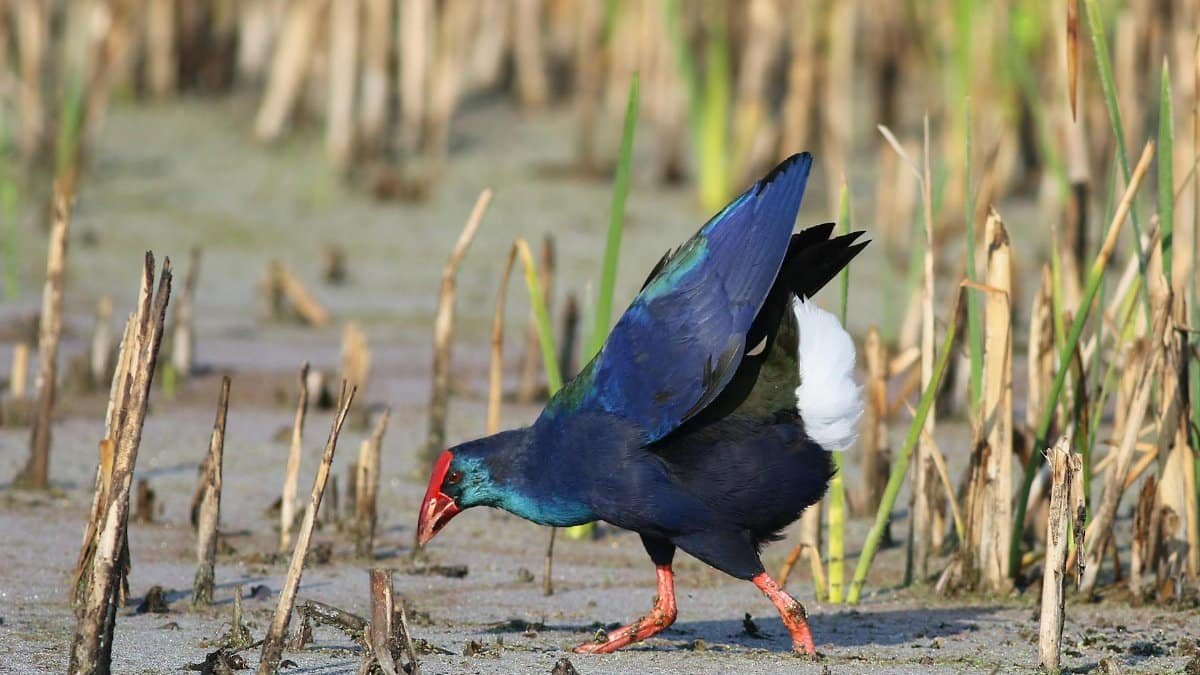
Picture a robin hopping across a lawn, pausing to peck at the earth with focused intent. No frantic digging, just patient exploration. This foraging behavior signals a lesson in savoring the search rather than racing to the reward. For urban dwellers feeling the grind of endless to-do lists, emulating this can transform mundane tasks. Take grocery shopping: instead of rushing aisles, one might slow to examine produce deliberately, much like a bird assesses its terrain. A study published in the Journal of Environmental Psychology found that nature-inspired mindfulness practices, like observing bird behaviors, lower anxiety by 20% in participants. Journal of Environmental Psychology. Yet, tensions arise when modern distractions pull us away—phones buzzing mid-observation. Still, weaving in this cue builds resilience. It encourages a mindset where the journey, peck by peck, becomes the point. In 2025, as remote work blurs boundaries, such grounded habits offer a counterbalance to digital overload.
3. Dogs’ Joyful, Unrushed Walks
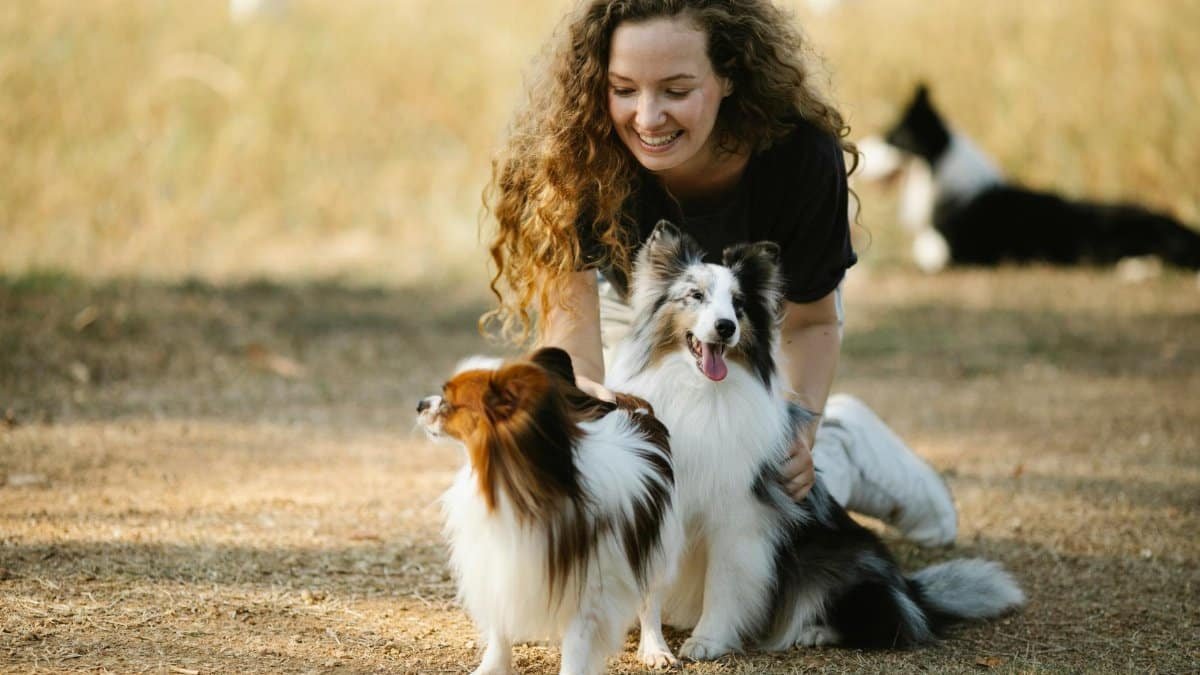
Dogs don’t power-walk; they amble, sniffing every scent with unapologetic curiosity. This cue invites people to trade brisk strides for meandering explorations. In neighborhoods from Seattle to Miami, pet owners report that syncing with their dog’s pace during walks eases mental clutter. “It was like the world expanded,” one person reflected in a shared story, describing how a leisurely stroll shifted their focus from deadlines to the present. Evidence backs this up—a report from the Centers for Disease Control and Prevention links regular, relaxed dog walking to improved mood and reduced stress. CDC Physical Activity and Health. But it’s not always seamless; rainy days or tight schedules test commitment. By persisting, though, individuals cultivate patience. Short sentences drive the point home. Pause. Sniff. Absorb. Over time, this animal-inspired rhythm seeps into other areas, like conversations or commutes, fostering a slower, more connected life.
4. Butterflies’ Gentle Fluttering
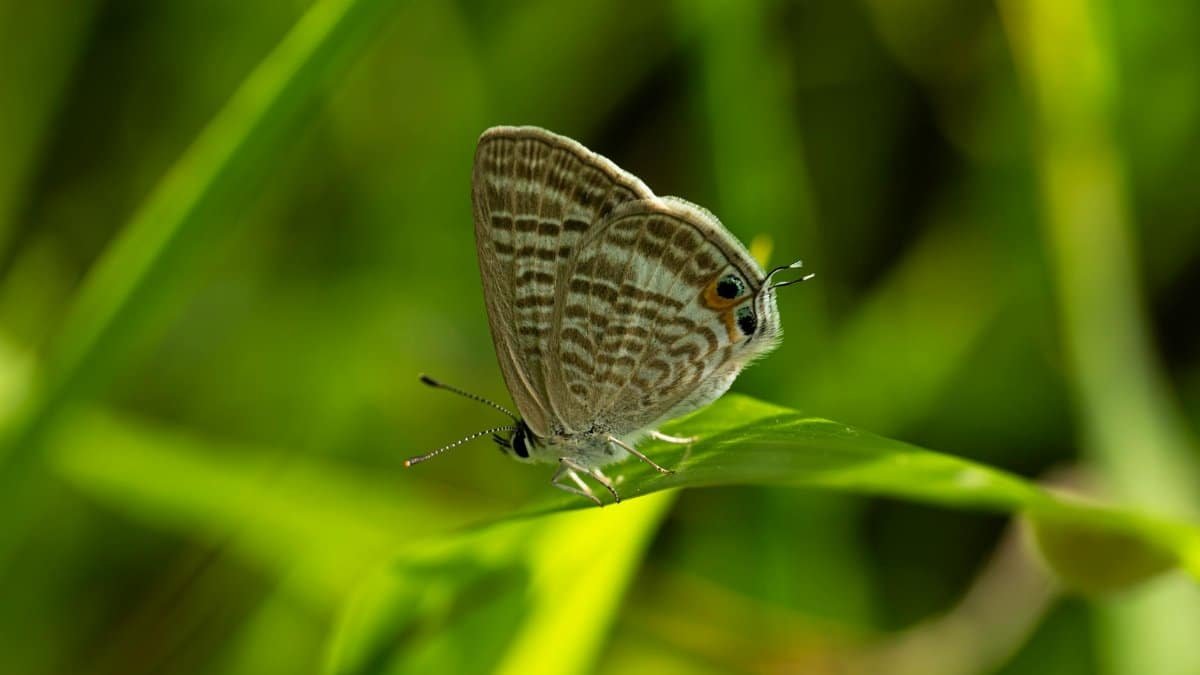
Butterflies drift on breezes, their wings beating in soft, unforced patterns. This effortless motion cues us to let go of forceful striving. In gardens or parks, observers often find themselves mirroring that lightness, breathing deeper amid the flutter. Consider a busy parent who pauses to watch monarchs during a lunch break; suddenly, the day’s weight lifts slightly. Research from Harvard Medical School indicates that exposure to such natural movements enhances parasympathetic nervous system activity, aiding relaxation. Harvard Health Relaxation Techniques. Complexities emerge when urban environments limit access—concrete over green spaces. Yet, even virtual observations, like videos, can evoke similar calm. The analogy holds: just as a butterfly navigates winds without resistance, we can flow through challenges. In an era of constant notifications, this cue reminds us that grace often lies in surrender, not speed.
5. Turtles’ Steady, Deliberate Pace
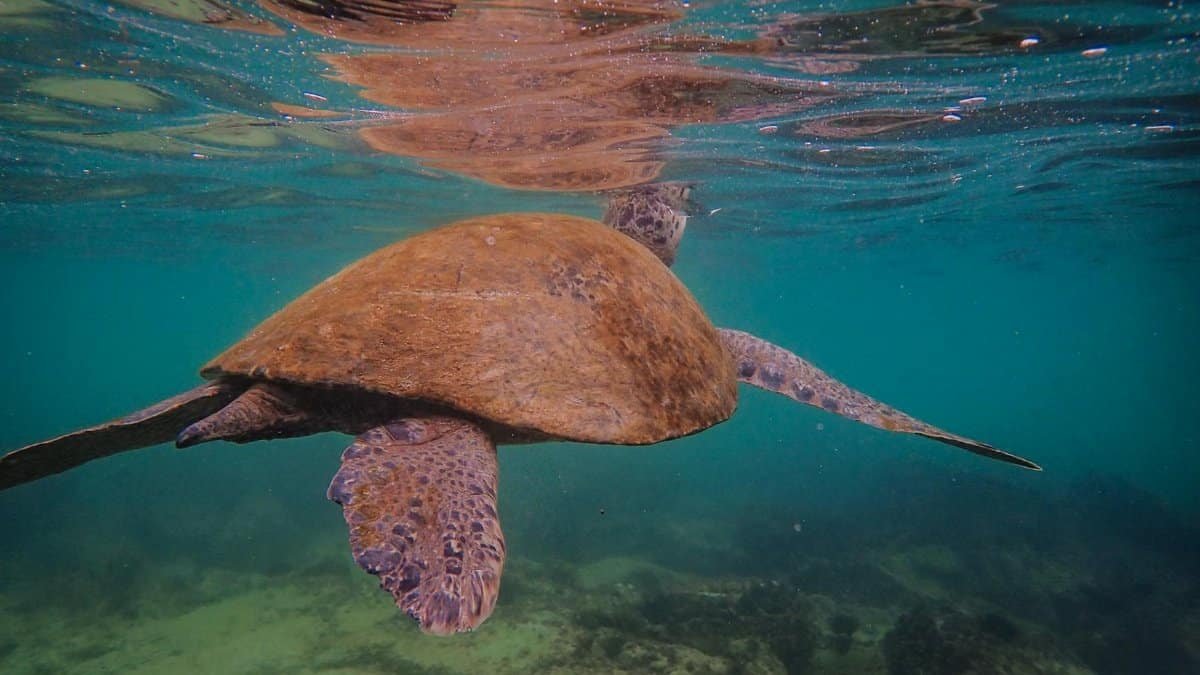
Turtles embody persistence without haste, inching forward with quiet determination. This cue challenges our culture’s obsession with quick wins. Across U.S. coastal regions, beachgoers witnessing sea turtles nesting often describe a profound sense of time expanding. One illustrative snapshot: a family on vacation stops everything to observe a turtle’s slow trek, later applying that patience to family discussions back home. A Pew Research Center survey notes that 45% of Americans seek ways to combat burnout, with nature-based slowdowns gaining popularity. Pew Research on Stress and Burnout. Tensions surface in high-pressure jobs, where “turtle speed” feels counterproductive. But integrating it—say, through paced breathing exercises—builds endurance. Vary the flow here: short bursts of insight. Long reflections on resilience. Ultimately, turtles teach that steady progress outlasts sprints, a vital reminder in 2025’s volatile job market.
6. Bees’ Focused Buzzing Rhythm

Bees buzz with purpose, yet their hive work follows a harmonious, unfrenzied tempo. This collective cue encourages synchronized, mindful efforts in our own lives. In community gardens, people drawn to apiaries often adopt this rhythm, tending plants with deliberate care. “The hum grounded me,” an anonymous forum post recounted, detailing how observing bees eased pandemic-era isolation. Studies from the University of California underscore how bee-inspired mindfulness boosts focus and reduces stress hormones. UC Entomology Resources. Dive into nuance: not all buzzing is calm—swarms can overwhelm. Still, the steady vibration models balance. Transitions smooth out: from observation to application, like pacing work tasks. In a year like 2025, with AI accelerating workflows, this animal, people link fosters intentional slowness amid efficiency demands.
7. Owls’ Silent Night Vigil

Owls perch motionless, their silent watch a masterclass in stillness. This nocturnal cue prompts evening wind-downs, away from screens. Suburban stargazers sometimes spot them, inspiring quiet reflection. Imagine a late-night worker stepping outside, emulating the owl’s poise to decompress. Research in the Journal of Sleep Medicine links nature observation to better sleep quality, cutting insomnia symptoms. Journal of Clinical Sleep Medicine. Questions arise: does urban light pollution dim this effect? Adaptations, like guided audio, help. The narrative builds: from hush to inner peace. Owls remind us that slowing down often means stopping altogether, recharging in the quiet.
8. Fish’s Graceful Swimming
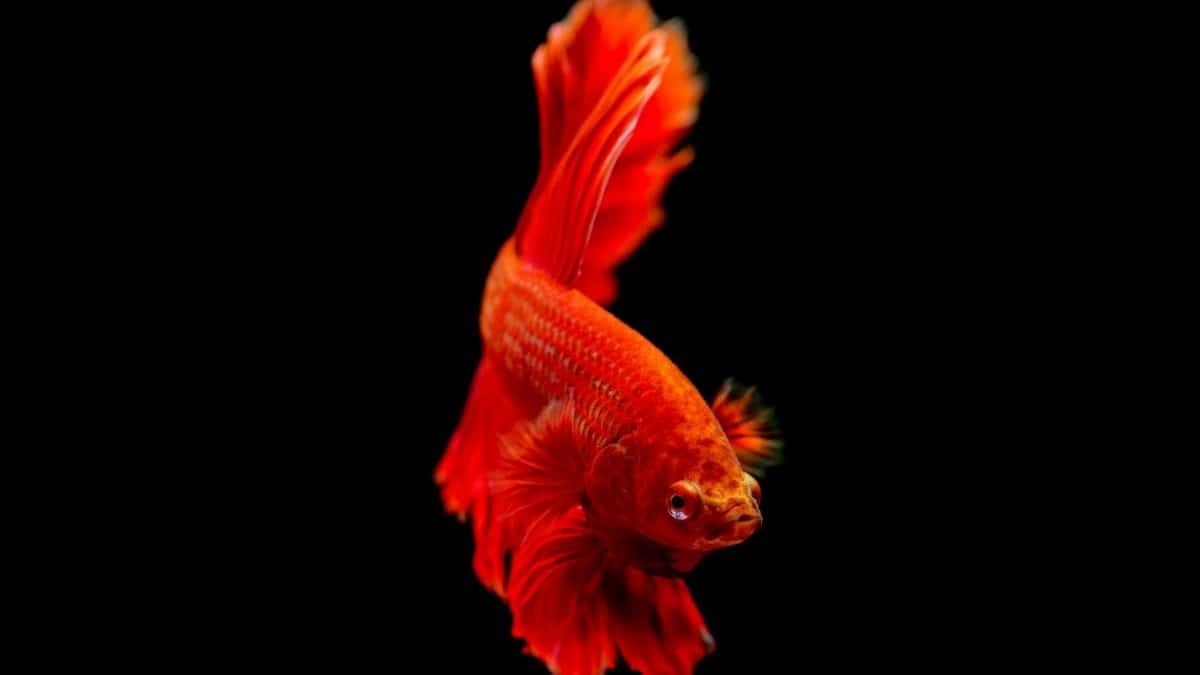
Fish glide through water with fluid ease, no wasted energy. This aquatic cue inspires flowing movements in yoga or daily routines. Aquarium enthusiasts report meditative states from watching schools dart harmoniously. A brief anecdote: someone overwhelmed by emails pauses at a home tank, syncing breaths to the fish’s rhythm, emerging refreshed. NIH findings show aquatic therapy lowers blood pressure. NINDS Stress Information. Facets include accessibility— not everyone has fish, but parks with ponds work. In 2025, as wellness apps surge, this natural cue grounds virtual trends.
9. Squirrels’ Playful Pauses
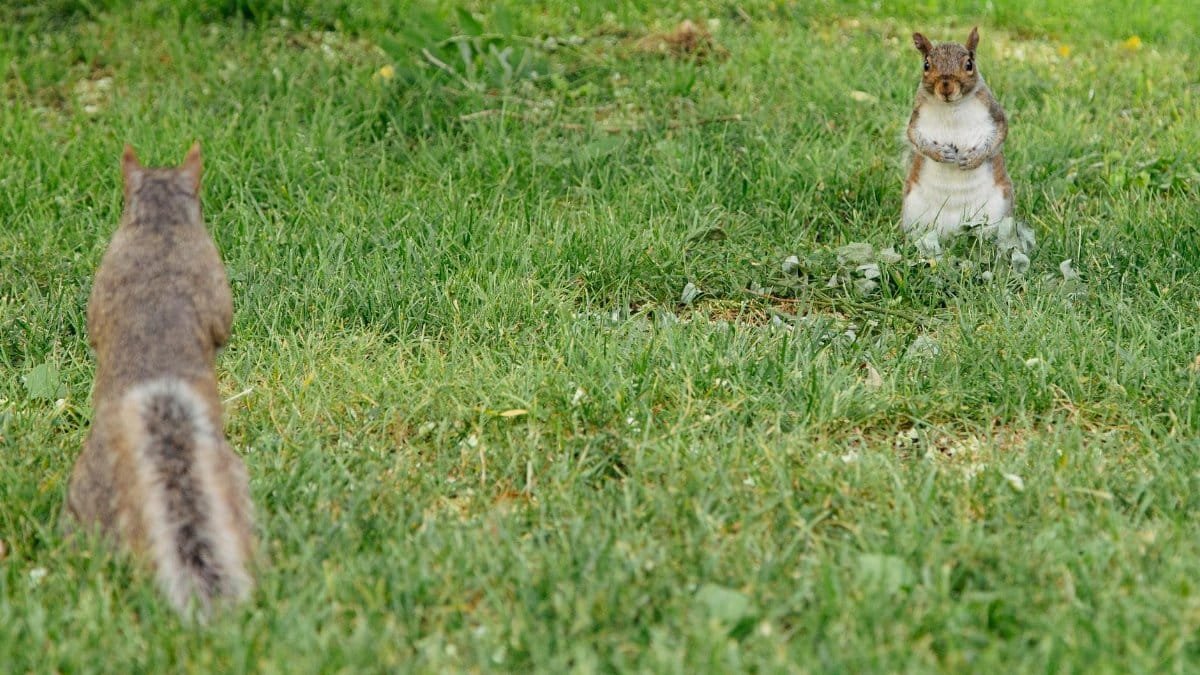
Squirrels scamper, then freeze in playful alertness. This cue blends activity with rest, urging balanced energy. Park-goers chuckle at their antics, then try pausing mid-jog. “It sparked joy,” one shared experience noted, turning routine exercise into fun. CDC data ties playful breaks to mental health gains. CDC Mental Health. Challenges: distractions disrupt. Yet, it cultivates whimsy in structured days.
10. Horses’ Calm Grazing
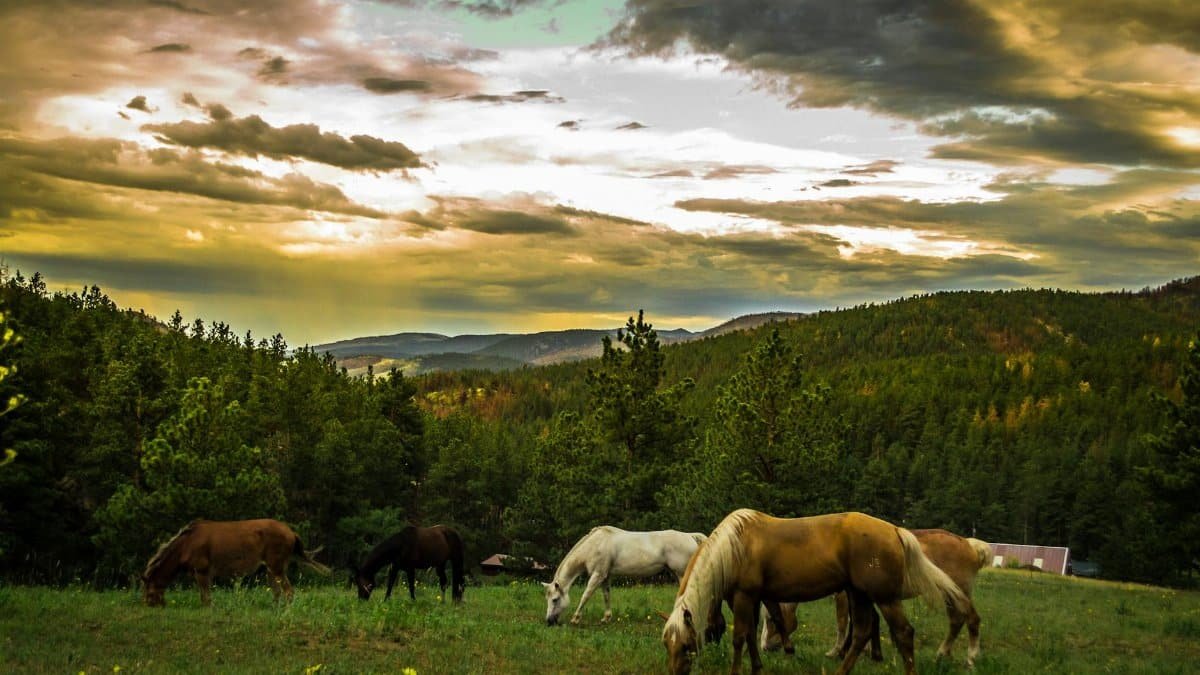
Horses graze methodically, heads down in serene focus. This pastoral cue fosters grounded eating habits. Ranch visitors often join in mindful meals afterward. Equine therapy studies from the American Journal of Psychiatry highlight stress reduction. American Journal of Psychiatry. Nuances: not all access horses, but videos suffice. In animal, people dynamics, this promotes savoring life’s basics.